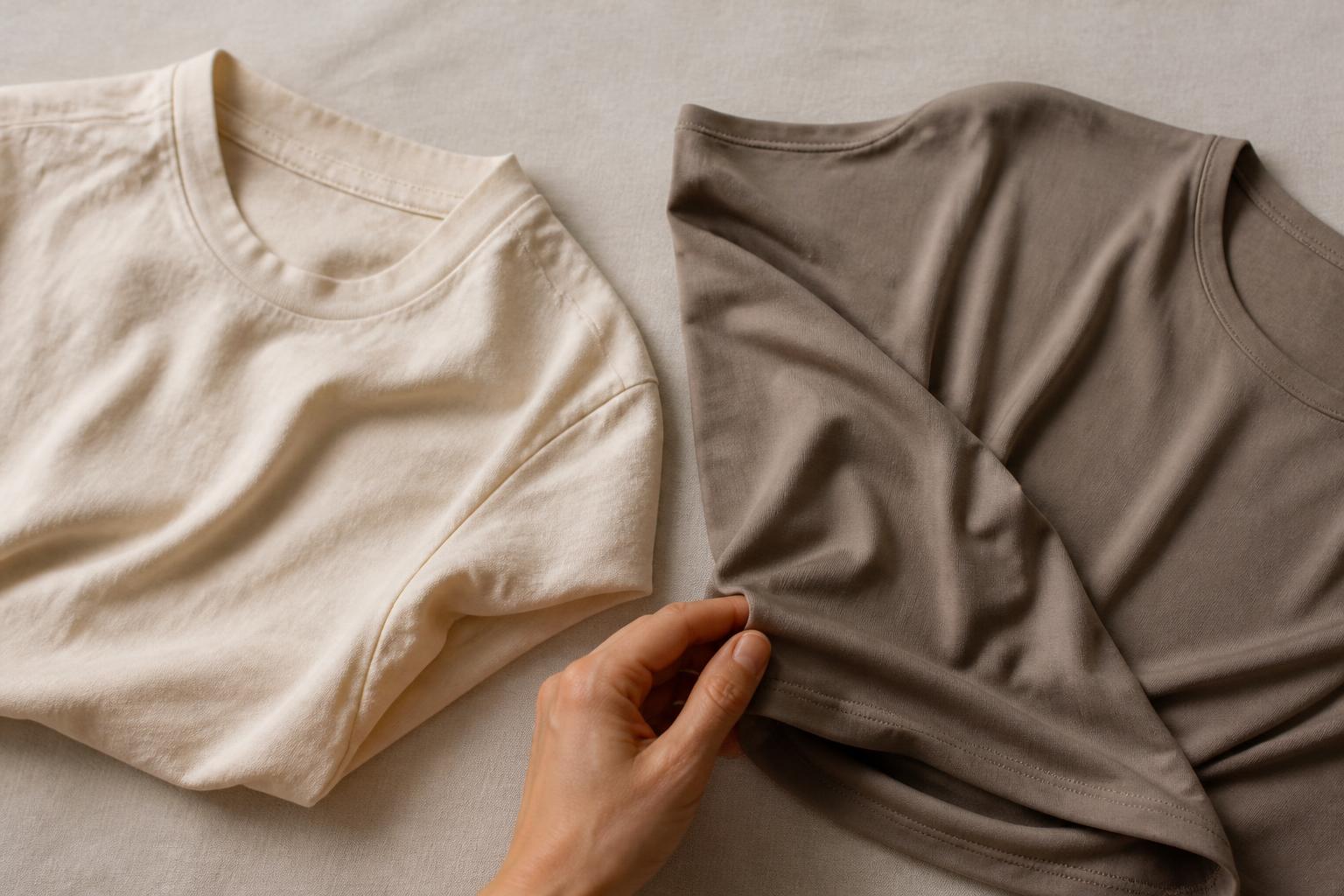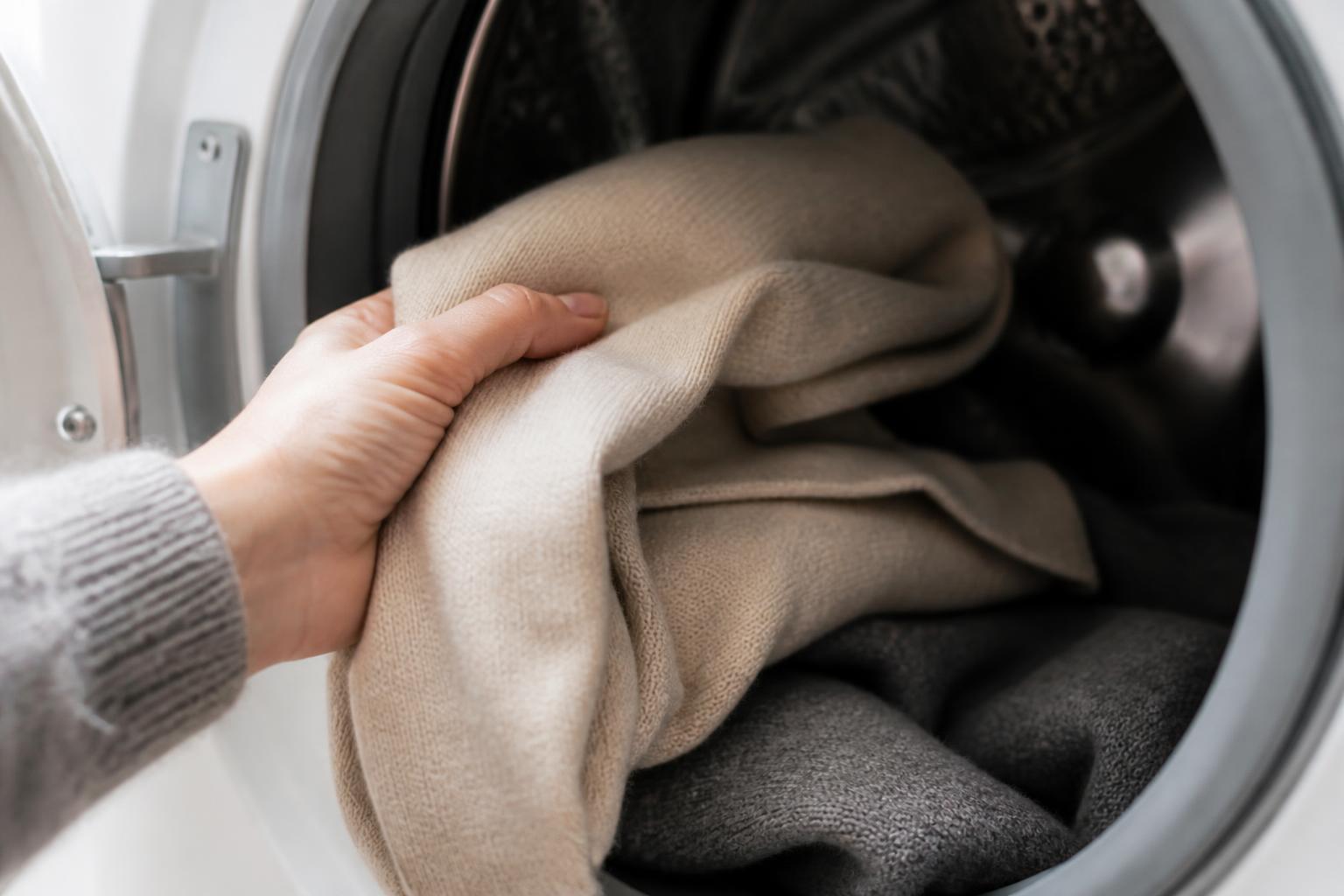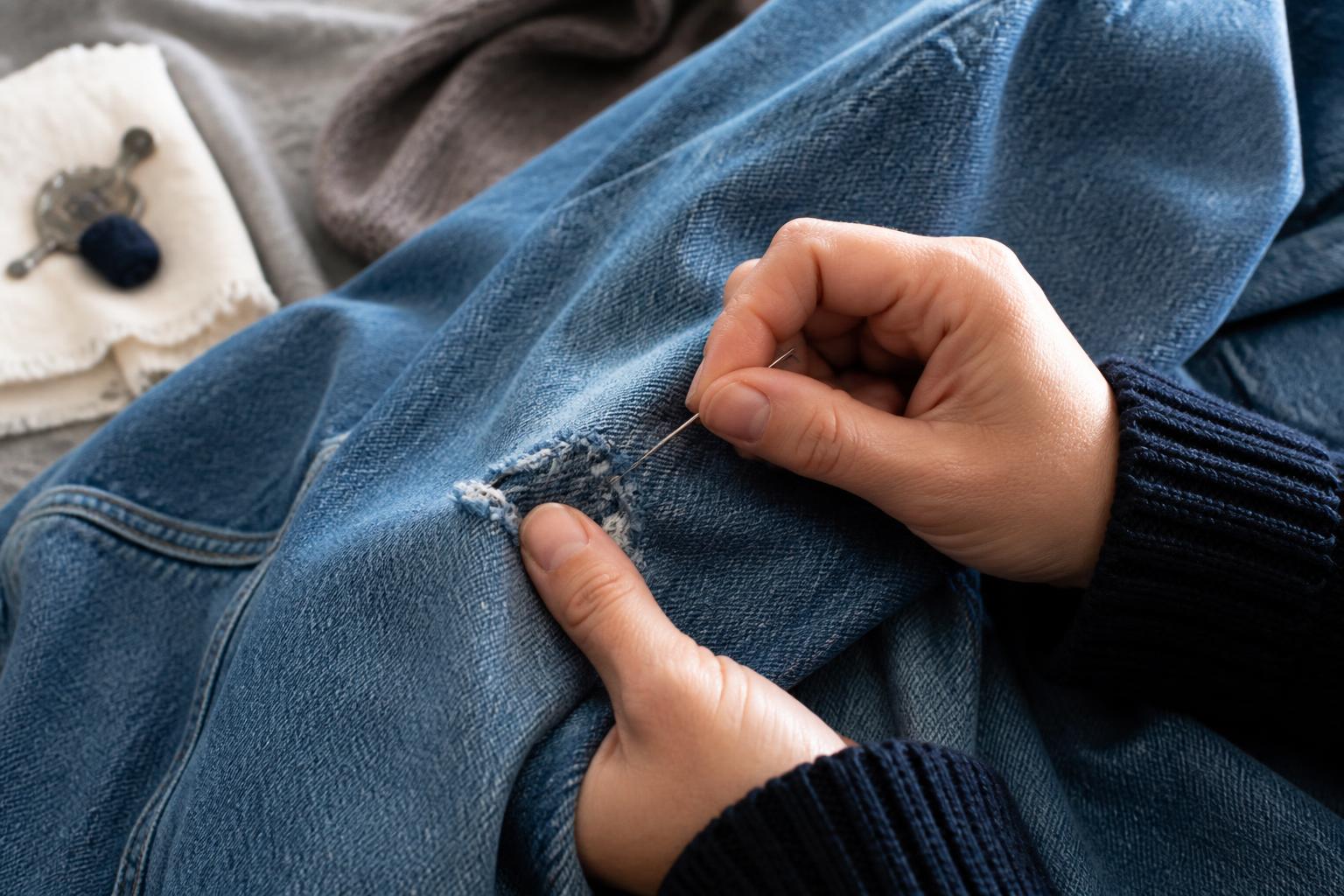
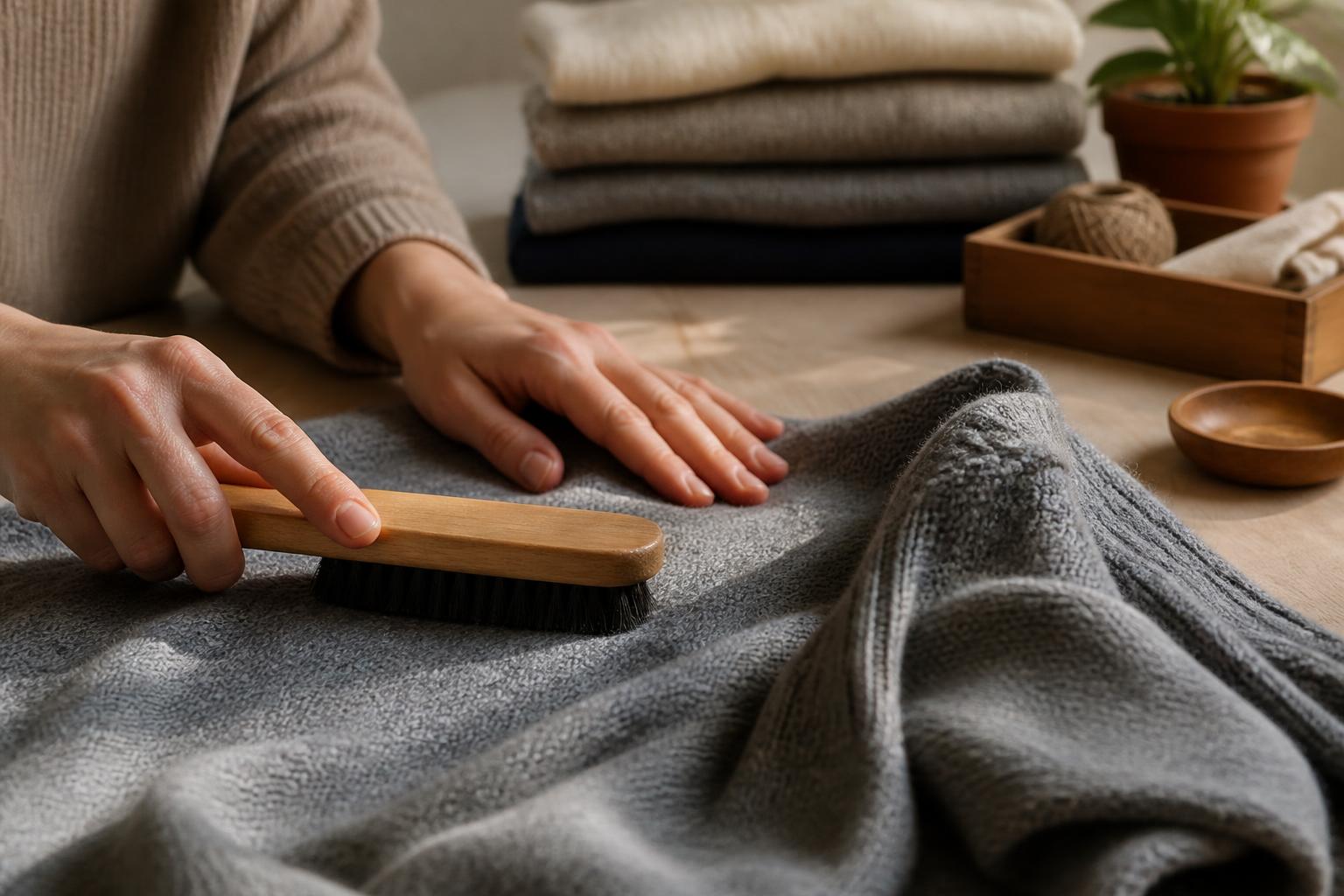
Looking after clothes properly is usually less about buying special products and more about a handful of steady habits. Good wardrobe care means checking the label before washing, cleaning things only as often as they need it, drying them in ways that do less damage, storing them so they keep their shape, and fixing small problems before they become reasons to throw something out.
For most of us, that is what makes an everyday wardrobe last. T-shirts stay presentable for longer, knitwear keeps its shape, trousers do not wear out at the hems so quickly, and second-hand finds become easier to judge. None of this needs a perfect laundry routine or a house full of storage boxes. It needs a practical system you can keep up.
What wardrobe care actually covers
Wardrobe care is the full set of choices that affects how long clothes stay wearable. Washing is only one part of it. Drying, storage, basic repairs, and even how we buy all matter just as much.
A shirt can be damaged long before the fabric is truly worn out. It might shrink because it was washed too hot, fade because it was dried in strong sun, stretch because it hung on the wrong hanger, or become "not worth wearing" because a button came off and nobody replaced it. On the other hand, an ordinary high street item can last well if it is treated in a way that suits the fabric and how often it is worn.
In practice, wardrobe care covers five main areas.
First, cleaning. That means washing often enough to keep clothes hygienic and pleasant to wear, but not so often that we add unnecessary wear. Every wash cycle creates friction. Every tumble dry adds stress. That is why a sensible care routine is not about washing everything after one wear by default.
Second, drying. Heat is one of the quickest ways to shorten a garment's life. Elastane can weaken, prints can crack, wool can shrink, and seams can twist. Air drying is not always possible in every UK home, especially in winter, but how we dry clothes still matters.
Third, storage. Knitwear folded instead of hung, coats given enough room, shoes dried before being put away, and seasonal items stored clean all have a direct effect on how long they last. If you want more on making space work harder, our guide to seasonal wardrobe storage in a small home goes into the practical side.
Fourth, repair. A loose hem, missing button, dropped stitch or bobbling surface is not the end of a garment. Small maintenance jobs keep useful clothes in circulation. The trick is catching them early, while the fix is still simple.
Fifth, buying habits. Fibre content, construction and care requirements all affect whether a piece is realistic for your life. A dry clean only blouse may look lovely, but if you know you will treat it like a machine washable top, it may not be a sensible purchase. Good wardrobe care starts before the item even comes home.
How to read care labels before you do anything else
The care label should be your first stop, especially with anything new to you, whether bought first-hand or second-hand. Manufacturer instructions take priority over general internet advice because they are written for that specific garment, fabric mix, trim and finish.
The main symbols are straightforward once you know the basics:
The wash tub tells you about washing. A number in the tub, such as 30 or 40, gives the maximum wash temperature in Celsius. A hand in the tub means hand wash. A crossed-out tub means do not wash.
A triangle covers bleaching. Most people can ignore this unless they are thinking of using bleach or a product that contains it. A crossed-out triangle means avoid it.
A square refers to drying. A square with a circle inside is tumble drying. Dots show heat level. If that symbol is crossed out, do not tumble dry. A plain square may also include lines that indicate line drying, drip drying or drying flat.
An iron symbol gives ironing guidance. Dots indicate heat level. A crossed-out iron means do not iron.
A circle covers professional cleaning, usually dry cleaning. If a garment says dry clean only, treat that seriously unless you are willing to accept the risk.
There are a few points where readers need to be careful. One is online advice that treats all wool, silk or denim as if they behave the same way. They do not. Fibre content matters, but so do weave, finish, lining, interfacing and trims. Another is social media cleaning "hacks" that skip over garment construction. A sequinned top, bonded coat or tailored jacket may be damaged by methods that seem harmless on a plain cotton item.
This matters even more with specialist finishes. Garment-dyed pieces, for example, can fade or shift tone differently from standard dyed fabrics, especially in early washes. If you wear them often, it is worth reading our guide to what garment-dyed clothes mean for care and colour.
If the label is missing, proceed cautiously. Use the mildest realistic approach first, cool wash, lower spin, gentle detergent, and air dry. But where a garment is tailored, structured or made from a delicate fibre, missing labels are a genuine warning sign. That is particularly relevant when buying second-hand.
If you want a clearer breakdown of symbols, we have also covered how to read clothes care symbols without ruining favourites.
How often should you wash clothes?
There is no useful single rule for wash frequency. The right answer depends on skin contact, sweat, odour, stains, and how sensitive the fabric is to washing.
Items worn next to the skin usually need washing more often. Pants, socks, tights, gym wear, and close-fitting tops generally need regular washing because they collect sweat and body oils quickly. That is about hygiene as much as appearance.
Other items can usually go longer. Jumpers worn over a vest or T-shirt, jeans, overshirts, skirts, and many dresses may not need washing after every wear if they still smell fresh and have no marks. Spot cleaning, airing, and resting between wears often does enough.
Trousers are a good example of where context matters. Office trousers worn indoors for a day are different from trousers worn on public transport, in the rain, or while cooking and cleaning. The same garment may need different treatment in different weeks.
Knitwear benefits from less frequent washing, especially wool. Frequent cleaning can flatten fibres and shorten the life of the piece. Airing a jumper overnight, away from direct heat, often refreshes it well enough between wears. If you wear merino often, our piece on washing merino wool safely in the machine explains where labels and wool cycles matter most.
Stains should be dealt with promptly, even if the whole garment does not need a full wash yet. The longer a mark sits, the more likely it is to set. But prompt treatment does not always mean aggressive treatment. Blotting and a small amount of suitable product is often better than scrubbing.
Odour is another useful guide. If a garment smells stale, sweaty or food-laden, it probably needs washing. If it simply feels "not newly laundered", airing may be enough. We do not need to chase a freshly washed feeling every time something is worn.
Fabric sensitivity also matters. Delicate blouses, wool knitwear, bras, tailoring and anything with stretch fibres often last better when washed less often and more gently. Overwashing these pieces is a common reason they lose shape before the fabric itself is worn out.
A realistic routine is usually best. Wash what is dirty, sweaty, stained or odorous. Air what can be aired. Rewear what is still clean. That is better for the clothes and easier to maintain than strict rules that do not fit real life.
Washing and drying habits that reduce wear
Most laundry damage comes from heat, friction and overloading. A few simple changes make a visible difference.
Start by sorting properly. Separate lights and darks where colour transfer is a risk, but also sort by fabric weight and toughness. Heavy items like jeans and towels can rough up finer fabrics in the wash. Delicates do better together, ideally in mesh bags where appropriate.
Check pockets, close zips, and fasten hooks. Turn printed T-shirts, dark denim and some knitwear inside out. That reduces surface abrasion and helps colours and finishes last longer.
Use the lowest effective temperature. In the UK, many everyday loads clean well at 30°C with a decent detergent, especially if clothes are not heavily soiled. Hotter washes have their place, particularly for certain household laundry or where hygiene calls for it, but routine high temperatures can cause fading and shrinkage.
Spin speed matters too. A very high spin can leave washing drier, but it also increases creasing and stress on fibres. For shirts, dresses, knitwear and lighter fabrics, a lower spin is often kinder. Save the higher spins for robust items where it makes sense.
Detergent should suit both the garment and the water conditions in your area. More is not better. Too much detergent can leave residue, dull fabrics and make rinsing harder. Biological detergents can be effective on sweat and food marks, but they may be too harsh for some delicate fibres. Wool and silk usually need detergents made for those fabrics.
Fabric conditioner is not always helpful. It can coat fibres, reduce absorbency in towels and sportswear, and interfere with moisture-wicking finishes. Check the label and use it selectively rather than by habit.
Avoid common mistakes. Do not cram the machine too full. Clothes need room to move if they are to wash and rinse properly. Do not leave wet washing sitting in the drum for hours, where it can pick up musty odours. Do not tumble dry items just because they came out of the machine damp and you want the basket cleared.
When drying, shape garments before they dry fully. Smooth collars, straighten side seams, and pull hems gently back into line. This small step helps clothes dry in a wearable shape and can reduce ironing.
Dry knitwear flat if the label calls for it, especially wool and heavier knits. Hanging them wet can stretch shoulders and length. Shirts and many woven items can go on hangers to dry, but give them space for air to circulate.
Tumble drying is useful, especially in UK weather, but use it with care. If the label allows it, choose the lowest practical heat and remove items promptly. Overdrying is hard on fabric and elastic. It also bakes in creases.
Direct sunlight can bleach some fabrics, especially darks and bright colours. Indoor drying or shaded outdoor drying is gentler where possible. In small homes, good ventilation matters. Drying clothes in poorly ventilated rooms can create condensation and mildew problems, which are bad for both garments and the home.
Storage and simple repairs that keep clothes in use
Storage is part of garment care, not an afterthought. Clothes that are crushed, damp or unsupported wear out faster and look worse even when they are technically intact.
Knitwear should usually be folded, not hung. Hanging can pull the shoulders out of shape and lengthen the body over time. If shelf space is tight, stack lighter knits on top and heavier ones below so the pile stays stable.
Tailoring and structured outerwear benefit from proper hangers. Thin wire hangers can distort shoulders. A shaped hanger supports the jacket better and helps it keep its line between wears. Give tailored pieces breathing room rather than packing them tightly together.
Shoes need time to dry out between wears. Rotating pairs helps, especially in wet UK weather. Store them clean and dry. If leather shoes are put away damp or muddy, the finish will suffer and odour becomes harder to manage.
Seasonal items should be stored clean. Moths, mildew and old stains are all more likely to become problems when clothes are packed away dirty. Breathable storage is usually better than sealing everything in plastic. Natural fibres in particular do better when air can circulate a little.
Then there are repairs. A loose button is a five-minute job if you deal with it early. Leave it until the button is lost and you now need a match, and the repair becomes more annoying than difficult. The same goes for hems. A few hand stitches can stop a dropped hem from becoming a frayed edge.
Depilling is also worth learning. Bobbles do not mean a knit is finished. They are often just a sign of friction, especially under arms or where a bag rubs. A fabric comb or de-piller can tidy the surface, but use a light hand. Too much pressure can thin the fabric.
Some jobs are better done professionally. Trousers that need shortening, a coat lining that has torn, or a dress that twists because it was badly altered before are often worth taking to an alterations service if the garment earns its place in your wardrobe. The aim is not to repair everything at any cost. It is to recognise when a modest fix keeps a useful item in regular use.
For outdoor gear and waterproofs, ordinary sewing is not always the right solution because puncturing the fabric can worsen leaks. In those cases, a proper repair method matters, as we explain in our guide to patching waterproof clothing without making leaks worse.
How wardrobe care helps when buying second-hand
Wardrobe care is one of the best tools for buying second-hand well. If you understand labels, fibres and repair limits, you can judge whether a piece is a bargain, a project, or a future regret.
Start with the listing or the rail. Look for clear photos of the care label, fibre content, hems, underarms, cuffs, seat, knees and closures. These are the areas where wear often shows first. If a seller only shows the front of a garment hanging flat, ask for more detail before buying.
Fibre content affects both comfort and care. A wool jumper with a clear wool wash instruction may be a better buy than an acrylic knit that already looks fuzzy and tired. A cotton shirt with a little elastane may fit nicely, but if the fabric is already strained or twisted, that stretch content can be part of the problem.
Care labels matter because they tell you whether the garment suits your real routine. Dry clean only is not automatically a bad buy, but it should be a deliberate one. The same goes for hand wash only, low iron requirements, or items that need drying flat. If the care demands do not match how you live, pass.
Some faults are manageable. Missing buttons, light bobbling, a simple hem drop, or a basic zip pull replacement are usually fixable. Minor fading may be acceptable if the price reflects it and the garment is still useful.
Other faults need more caution. Underarm staining, fabric thinning at friction points, broken elastane, heat damage, and warped seams are harder to solve. If a lining is shredded or a knit has several moth holes, the repair may cost more in time or money than the piece is worth.
Smell is worth paying attention to when buying in person. Musty storage odours, heavy perfume and smoke can sometimes be removed, but not always fully. Online, if a seller mentions "just needs a freshen up", read that carefully. It might mean nothing serious, or it might mean a cleaning problem they do not want to describe.
Second-hand shopping works best when you are honest about your own care habits. If you know you will not hand wash silk, do not buy silk because it is cheap. If you are happy to de-pill knitwear and sew on buttons, that opens up more good options. The goal is not to find flawless pieces every time. It is to buy clothes you can realistically keep in use.
Good wardrobe care does not ask for perfection. It asks for attention at the points where clothes usually get lost from our wardrobes, in the wash, on the airer, at the back of a crowded rail, or because a small repair never happened. Get those points right often enough, and clothes last longer, look better, and earn their place.

Questions about this article or a correction to suggest? Get in touch. Read more about our editorial approach.