If you want the short version, clothes care symbols are there to tell you what a garment can survive, not what gives the best result in every home. Read the whole label, not just the little tub or iron icon. Fibre content, temperature, spin, drying limits and professional cleaning instructions all affect whether something shrinks, twists, fades, felts or loses its shape.
For an everyday wardrobe, that matters before you buy as much as before you wash. A jumper that says hand wash cold and dry flat may still be worth keeping. A basic top that needs specialist cleaning every time may not be. Once you know how to read garment care labels quickly, you can make better decisions about laundry, repairs, storage and whether a piece fits real life.
What garment care labels are actually telling you
A care label usually combines three kinds of information.
First, there is fibre composition. In the UK this is not just helpful, it is part of the legal information required for most textile products sold to consumers. You should be told the fibre content, such as 100% cotton, 70% viscose 30% linen, or outer and lining fibres listed separately. That matters because fibre content often explains the symbols. Wool can felt. Viscose can weaken when wet. Elastane can dislike high heat. Acrylic can melt or go shiny under an iron that is too hot.
Second, there are care instructions. These are the wash, bleach, drying, ironing and professional cleaning symbols most of us mean when we talk about garment care labels. In the UK, businesses selling clothing to consumers generally need to provide care information if it is necessary for the consumer to use the product safely and as intended. In practice, clothing sold on the high street usually carries care instructions, but the fibre content is the key legal labelling element people will most consistently see as mandatory. Care wording and symbols are not there for decoration. They reflect how the maker expects the item to perform if looked after properly.
Third, there may be additional details, such as country of origin, batch codes, size, brand information, and warnings like wash separately or keep away from fire. Nightwear and children’s sleepwear can carry specific fire safety labelling. Some garments also include separate labels for membrane garments, coated fabrics, leather trims or detachable parts.
The important point is that not every line on the label has equal status. Fibre content is legal product information. Safety warnings can also be legally significant. Care symbols are practical instructions that help preserve the garment and avoid foreseeable damage. If a label says dry clean only, that is not a promise that hand washing will definitely ruin it, but it is the manufacturer’s instruction and should be treated as the starting point.
This is especially useful when buying second-hand. If you are standing in a charity shop with ten minutes and no changing room, the care label tells you whether a blouse can go in an ordinary wash, whether the skirt lining is polyester while the outer is wool, and whether the coat will need flat storage space or frequent brushing. We cover the symbol basics in more detail in our guide to reading washing symbols without ruining clothes, but the wider label is what turns symbols into sensible wardrobe decisions.
The five symbol groups you need to recognise fast
You do not need to memorise every rare variation. Most labels use the same five groups.
1. Washing symbols
The wash symbol looks like a tub of water. If there is a number inside, that is the maximum wash temperature in degrees Celsius, such as 30, 40 or 60. In UK homes, think of that as the hottest the item should be washed, not the recommended setting for every stain.
A plain tub means machine wash. A tub with one line underneath means use a mild or permanent press cycle. Two lines underneath mean a very gentle cycle, often for delicates, wool blends or items prone to distortion. A hand in the tub means hand wash. A crossed-out tub means do not wash in water.
Common real-world reading:
- 30 with one line, wash cool on a gentle cycle
- 40 plain tub, standard machine wash up to 40C
- Hand wash, no machine unless you are prepared to risk it
- Do not wash, usually means professional cleaning only
2. Bleaching symbols
This one is a triangle. A plain triangle means bleach is permitted. A crossed-out triangle means do not bleach. A triangle with diagonal lines usually means only oxygen or non-chlorine bleach. In ordinary UK laundry, most people can simplify this to one rule, if the triangle is crossed out, avoid stain removers or whiteners containing bleaching agents.
This matters more than people think. A stain spray used casually on a dark top can leave pale marks that look like sun damage.
3. Drying symbols
Drying instructions come in two forms. A square usually refers to natural drying. A square with a circle inside refers to tumble drying.
For natural drying, extra lines indicate how to position the garment:
- Vertical line, line dry
- Horizontal line, dry flat
- Three vertical lines, drip dry
- Corner shading or extra marks, dry in shade
For tumble drying, dots inside the circle show heat:
- One dot, low heat
- Two dots, normal or medium heat depending on the machine
- Crossed-out symbol, do not tumble dry
The drying symbol is often the one that saves clothes. Plenty of garments survive a careful wash and are then ruined in twenty minutes in a hot dryer. Wool, many viscose pieces, bras, bonded fabrics, some prints and anything with glue-backed interfacing are common casualties.
4. Ironing symbols
The iron symbol is usually straightforward. Dots indicate temperature:
- One dot, cool iron, often for synthetics
- Two dots, medium iron
- Three dots, hot iron, usually for cotton or linen
A crossed-out iron means do not iron. A crossed-out steam mark or lines beneath the iron can mean no steam.
This is where fibre content helps. If the label says viscose or acetate, treat heat carefully even if the garment looks robust. Velvet, coated fabrics and some technical sportswear can be permanently marked by direct ironing.
5. Professional cleaning symbols
A circle indicates professional cleaning. Letters inside it, commonly P or F, are for the dry cleaner and refer to suitable solvents and processes. A crossed-out circle means do not dry clean. A circle with W refers to professional wet cleaning, which is not the same as washing at home.
For most readers, the practical takeaway is simple. If the label gives only a professional cleaning symbol and no wash tub, the item is meant for a cleaner. If it says dry clean only, believe it unless you are willing to accept the risk.
How to use the label before you wash, dry or iron
The best time to read a care label is before the first wear, not when you are emptying the laundry basket at 10pm.
Start by sorting into sensible groups:
- Darks and lights
- Heavy items and lightweight items
- Delicates and standard wash
- Lint shedders and lint magnets
- True hand wash or specialist items kept separate from everything else
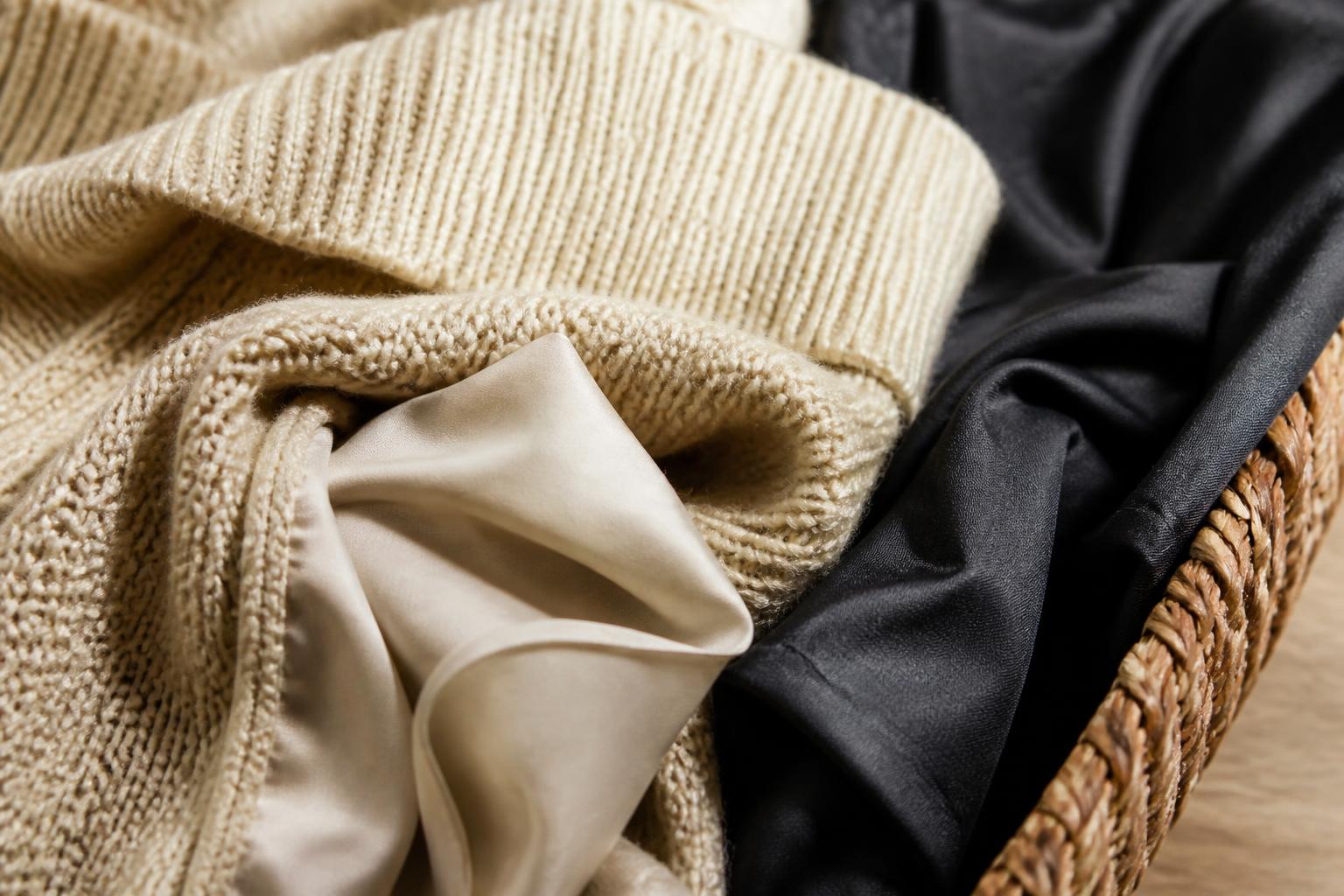
Then check the highest-risk pieces. These are usually wool, silk, viscose, embellished garments, bras, knitwear, tailored items, anything lined, and anything with a coating, print or bonded layer.
Use the label to choose water temperature. In most homes, 30C is enough for ordinary wear unless something is heavily soiled or hygiene requires hotter washing, such as some underwear, towels or cleaning cloths. If the label allows 40C, that gives you more flexibility. If it says 30C max, do not decide that 40C is close enough for convenience. That is where shrinkage and colour loss often start.
Spin speed matters more than many people realise. A delicate blouse may be washable at 30C but still come out twisted or creased beyond recovery if spun hard. If the tub symbol has one or two lines underneath, lower the spin. Knitwear, shirts that crease badly, and anything with shape to preserve usually benefit from a gentler spin.
For drying, do not assume the tumble dryer is neutral. Check for the square with a circle. If tumble drying is allowed only on low heat, use that setting or skip the dryer. If tumble drying is crossed out, air dry instead. This is especially important for:
- Wool and cashmere
- Viscose and rayon blends
- Bras and elasticated garments
- Printed T-shirts
- Coated or waterproof items
- Garments with glued hems, facings or bonding
Air drying works best when you match the method to the fabric. Dry knitwear flat if the label says so, otherwise gravity can stretch the shoulders and length. Hang woven shirts and dresses on a hanger if that helps them dry into shape. Keep darks and brights out of direct strong sunlight if fading is a concern.
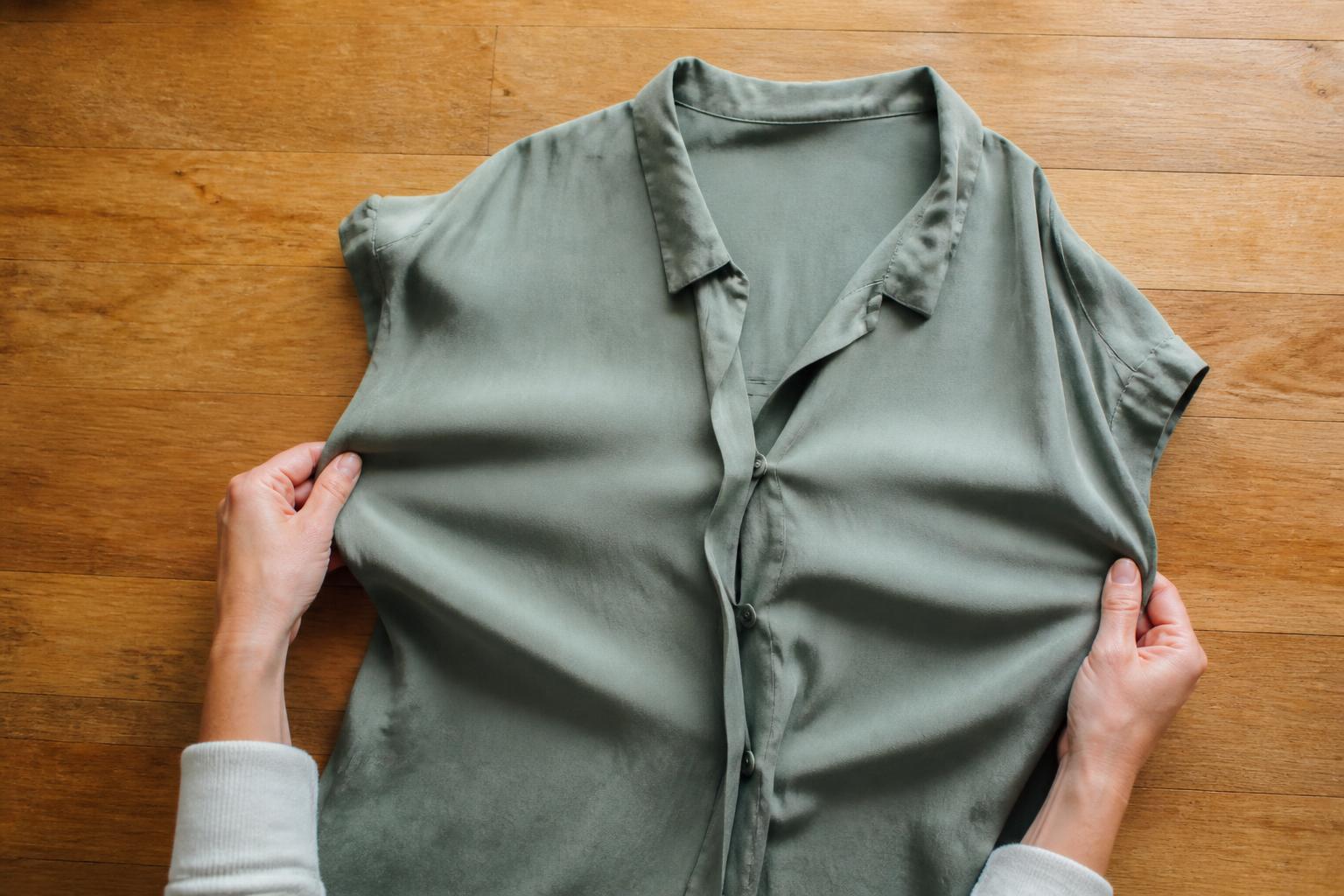
Before ironing, check both the symbol and the fibre content. If there is any doubt, start lower and use a pressing cloth. Turn printed or delicate items inside out. Steam can help on cotton and linen, but it can spot some fabrics and flatten texture on others.
A useful rule for a practical wardrobe is this, if the label demands a routine you know you will not keep up with, do not pretend future you will become a different person. Labels are not just for laundry day. They tell you whether the garment suits your home, your time and your budget.
What to do when the label is missing, faded or confusing
This happens often with second-hand clothing, older garments, samples, relabelled pieces and anything that has had an itchy label cut out.
Where a label is missing, manufacturer instructions would normally take priority if available. So first check whether the brand still sells the item online, whether a product page survives, or whether the same garment appears on a resale listing with a clear label photo. If you can identify the exact piece, do that before guessing.
If you cannot, use cautious fallback steps.
Start with fibre content, if you can work it out from feel, appearance and construction. This is not perfect, but it helps narrow the risk:
- Cotton and linen usually tolerate a cool machine wash
- Wool is prone to felting, shrinking and distortion
- Silk can water mark or lose finish
- Viscose often shrinks or twists when wet
- Polyester and nylon usually wash easily but dislike high ironing heat
- Elastane and stretch fabrics dislike high heat in dryers and irons
Then look at how the garment is made. Warning signs include:
- Structured tailoring
- Full lining
- Shoulder pads
- Pleats that may be heat set
- Sequins, beads or glued trims
- Leather or suede panels
- Coating or waterproof finish
- Open loose knit
- Strong dye, especially dark denim or saturated reds
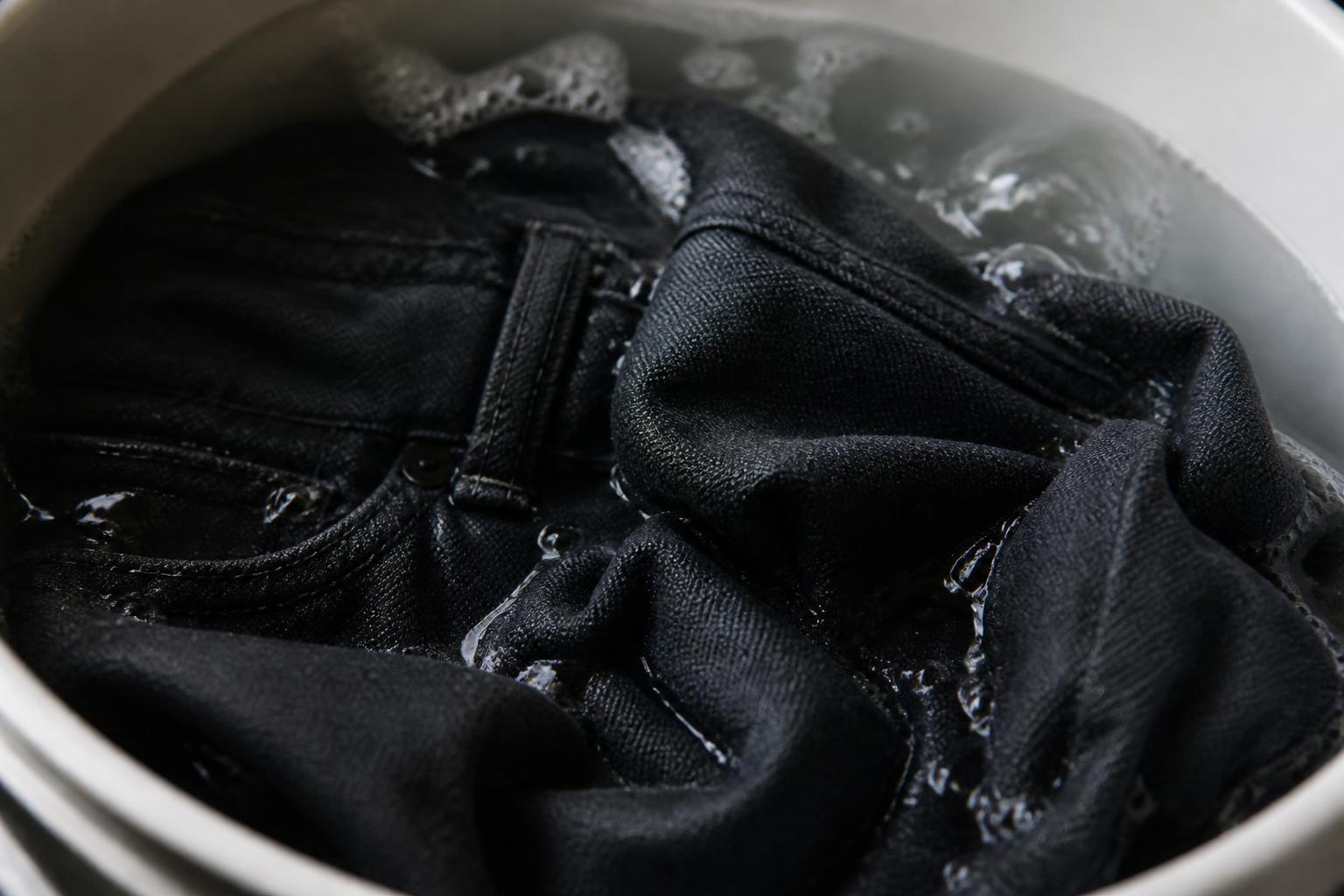
The safest fallback method for many unknown garments is a short cool hand wash or very gentle machine wash in a laundry bag, with mild detergent, followed by air drying away from direct heat. But there are clear exceptions. Tailored jackets, wool coats, silk with structure, leather-trimmed items and anything marked by construction rather than fibre alone are often better left unwashed until you have more certainty.
If you are testing colour fastness, dab an inconspicuous area with a damp white cloth. If dye transfers easily, keep the item separate and avoid soaking. If you are testing water reaction, try a hidden seam allowance or hem edge first.
When the symbols are confusing rather than missing, remember that different brands may add wording alongside the icons. Read both. A label might permit a 30C wash but also say reshape while damp, wash inside out, or remove promptly. Those small instructions often prevent the exact complaints people have about a garment later.
When care labels affect repairs, storage and whether to keep a garment
A care label should influence more than your wash load. It should also shape what you mend, how you store things, and what earns a place in a practical wardrobe.
Take repairs first. If a cardigan has a small seam split and the label says hand wash cold, dry flat, that is still a manageable item to keep if you like wearing it. If a cheap blouse has a broken zip, needs specialist pressing, cannot be washed at home and creases badly, the repair may not be worth your time or money. Before you mend, ask whether the care routine after repair is realistic. We use that same test in our guide to deciding whether to mend it or move it on.
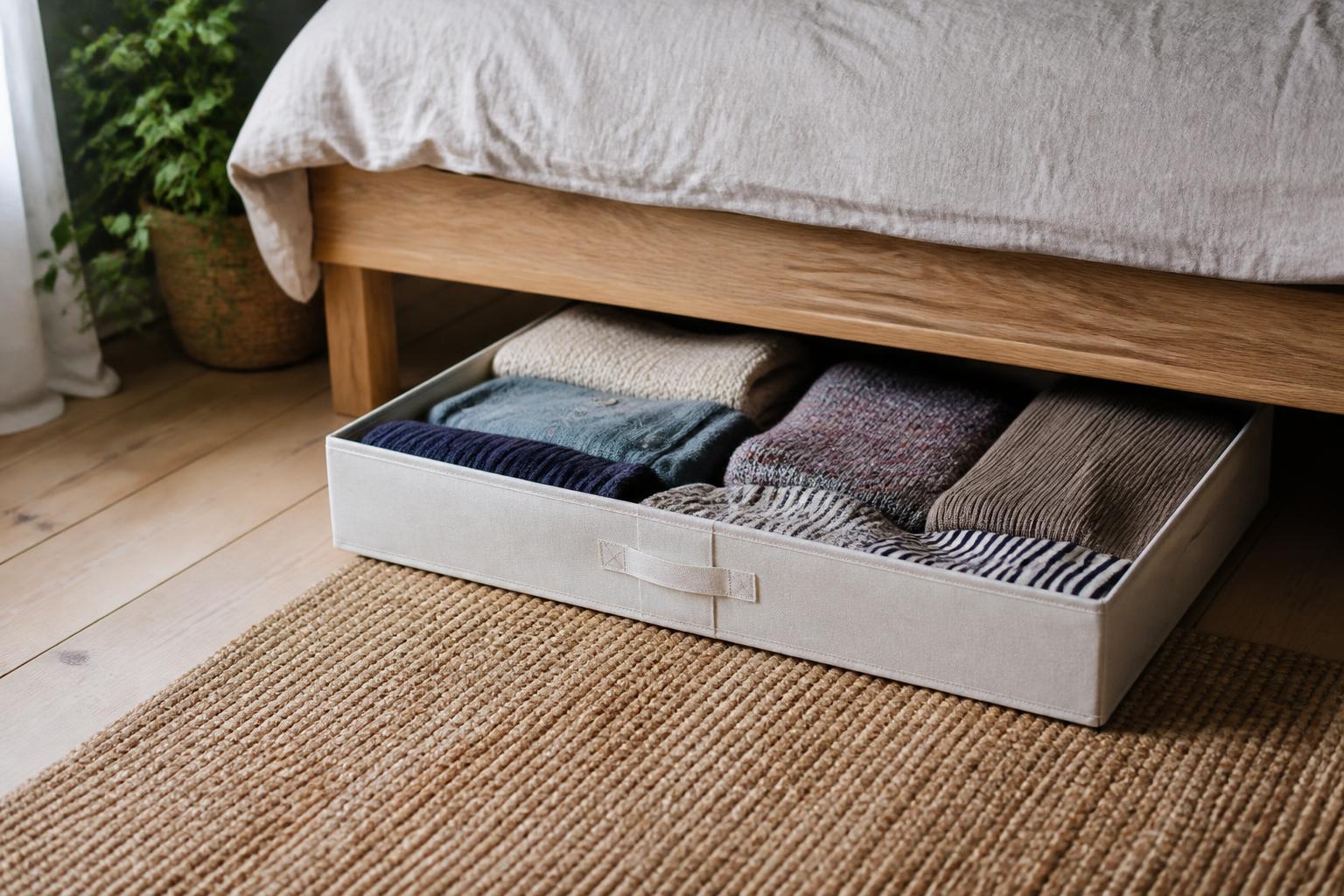
Storage is another overlooked point. Wool and cashmere that must be folded and protected from moths need drawer or shelf space, not a crowded hanging rail and good intentions. Dry clean only tailoring needs breathable storage and occasional brushing. Delicate knits that stretch on hangers need flat storage. If a garment needs careful storage you cannot provide, it may never stay in good condition long enough to justify keeping.
Labels also help with wardrobe planning. If you are trying to build an affordable, useful wardrobe, too many high-maintenance pieces create hidden costs. Those costs are not always money paid to a cleaner. They can be time, drying space, ironing time, storage needs, and the mental load of postponing laundry because half the basket needs special treatment.
That does not mean every hand wash item is a bad buy. It means the care demand should match the role. A favourite jumper you wear twice a week might justify flat drying and a little extra attention. A plain work top that needs constant fuss probably does not.
For second-hand shopping, labels are especially useful as a filter. We often put things back not because they are poor quality, but because the upkeep does not suit an everyday wardrobe. A beautiful skirt that says do not wash, cool iron only, dry clean with care, and store flat may still be right for occasional wear. It is less likely to be the answer if you need easy weekday clothes.
The most helpful way to see garment care labels is as a reality check. They tell us what a piece asks from us over time. If that ask is small and the garment earns its place, keep it, mend it and look after it properly. If the ask is constant and the wear is rare, the label is doing you a favour by making that clear before the damage, the dry cleaning bill or the wardrobe guilt arrives.

Questions about this article or a correction to suggest? Get in touch. Read more about our editorial approach.