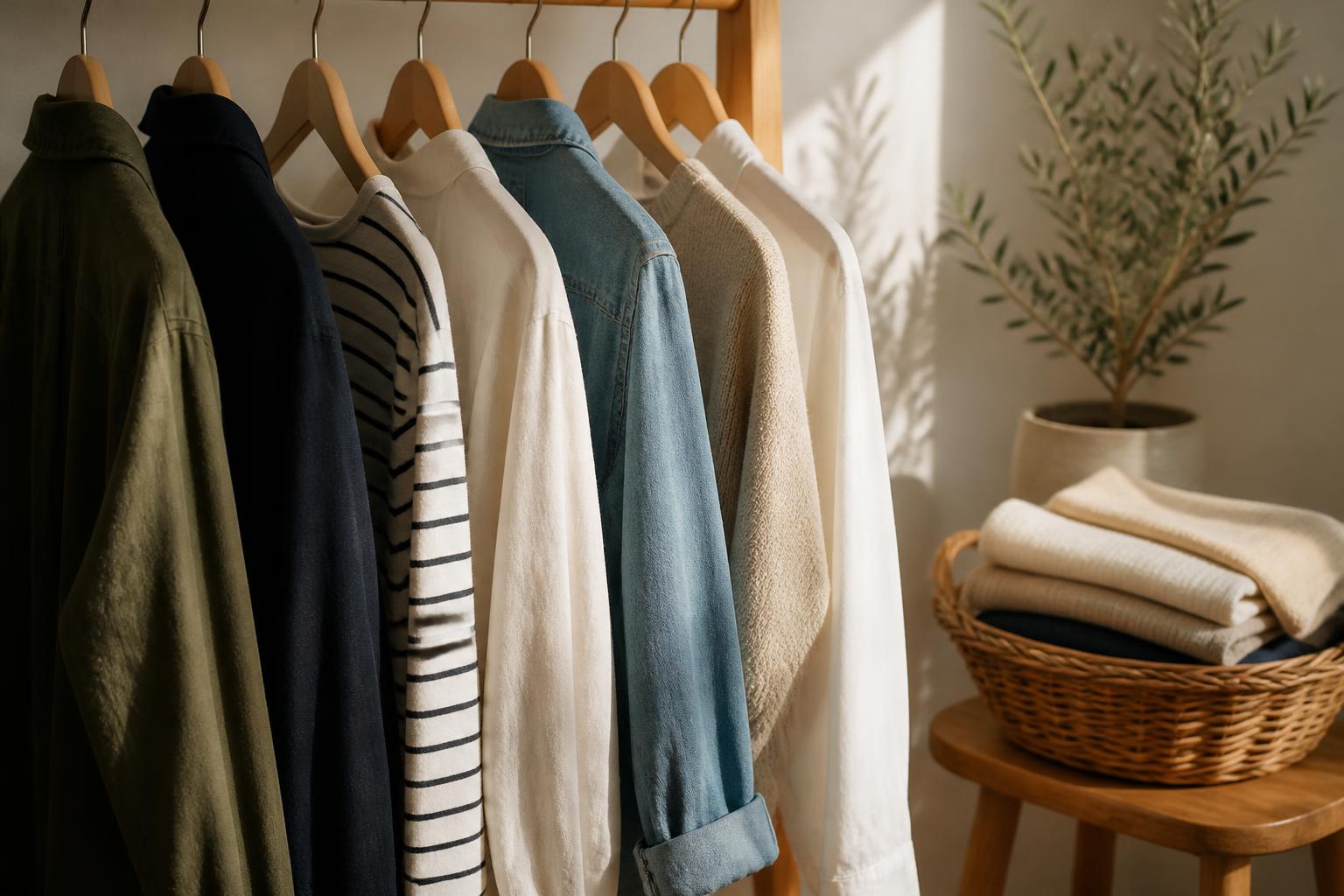
A basic capsule wardrobe does not mean owning 30 photogenic pieces in matching beige. It means having a small, usable set of clothes that you genuinely wear, that work for your week, and that do not create more laundry, shopping and decision-making than necessary. If getting dressed feels harder than it should, the problem is often not that you have too little. It is that too many things in the wardrobe do not earn their place.
The good news is that most people can build a far better wardrobe without a big shop. The quickest wins usually come from reviewing what is already there, keeping the pieces that repeat well, repairing what is worth saving, and only then buying the few missing items that would make everything else easier to wear.
What a basic capsule wardrobe actually means
In practical terms, a basic capsule wardrobe is a core group of everyday clothes that can be worn often, combined easily and looked after realistically. It is not a strict uniform, and it is not a challenge to own as little as possible. It is simply a wardrobe with less friction.
That friction usually shows up in familiar ways. You have plenty of clothes, but nothing clean that works for today’s weather. You own trousers that only go with one pair of shoes. You keep buying “nice tops” but still lack enough layers for a normal UK week. You avoid wearing certain items because they need hand washing, ironing, dry cleaning or careful storage that does not fit your life.
A useful capsule solves those problems by focusing on repeat wear. The best pieces are not always the most expensive or the most stylish on a hanger. They are the ones that survive ordinary use. They fit reasonably well, suit your routine, wash without drama and work with several other things you own.
For UK daily life, that usually means planning for shifting temperatures, damp weather, overheated trains, office air conditioning, muddy walks, and homes where drying space may be limited. A wardrobe that only works in one narrow set of conditions is not really functional.
A basic capsule wardrobe should also reflect how you actually dress, not how you imagine you might dress if your life changed completely. If you work from home four days a week, commute once, and see friends casually at weekends, you probably need more easy knitwear and washable bottoms than formal shirts. If you cycle, walk, or carry children, fabrics, hemlines and fastening details matter more than trend value.
How to build one from the clothes you already own
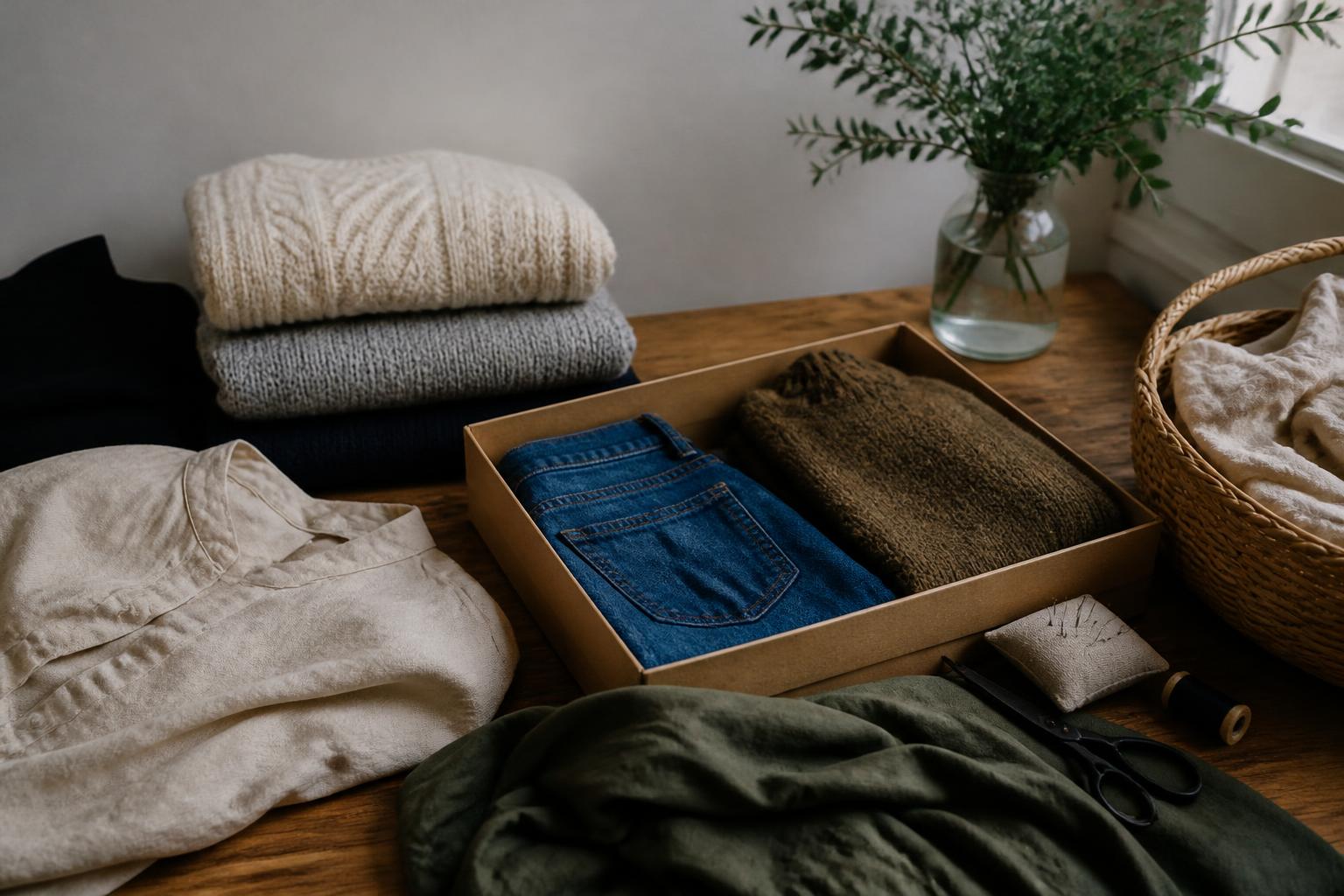
Start by pulling out the clothes you wear in a normal month, not just the things you think you ought to wear. Put them on the bed or a rail and ignore, for now, the occasionwear, holiday pieces and anything clearly out of season.
Then sort what is in front of you into four groups:
- Worn often and works well
- Worn sometimes but has an issue
- Good condition but rarely worn
- Damaged, uncomfortable or no longer right for your life
The first group is the real foundation of your capsule. These are your repeat-wear pieces. They may be plain, but they are doing the heavy lifting. Look for patterns. You may notice that you reach for the same two jumpers, the same black trousers, and the same denim shirt every week. That tells us more than any wishlist.
The second group needs a bit more thought. Often these are useful clothes with one fixable problem. A cardigan pills badly, a dress needs a slip, trousers need hemming, or a shirt only works if layered. If a repair, alteration or laundering change would bring an item back into regular use, deal with that before buying anything new.
The third group is where a lot of money gets stuck. These are not necessarily bad garments, but they do not fit your actual wardrobe. Perhaps the colour does not go with your other layers, the fabric creases too much, or the cut only suits shoes you no longer wear. Keep a few genuinely loved pieces if you want to, but be honest about whether they belong in your everyday clothing space.
The fourth group should leave the main wardrobe. Some things can be repaired, some sold, some donated, and some recycled through a textile bank if they are too worn out for re-use. If you are unsure whether a damaged item is worth rescuing, check the fault against the garment’s value in your life. Replacing a missing button is one thing. Paying for complex alterations on a top you never liked much is another.
As you review, write a short gap list. Keep it specific. “Need more clothes” is useless. “Need one warm layer that works over T-shirts and under coat”, or “need a second pair of work trousers that can air dry indoors”, is helpful. This is the point where most overspending can be avoided. A real wardrobe gap is something that prevents you wearing what you already own often enough.
Which categories most people need
There is no universal item count, but most UK wardrobes work best when they cover a few core categories.
Tops are usually the first category people overbuy and underuse. What matters is having enough easy tops for your normal washing cycle, in cuts and fabrics that layer well. For many people that means a mix of T-shirts, long-sleeved tops, shirts or blouses, depending on work and comfort.
Layering pieces are essential in the UK. Cardigans, sweatshirts, fine knits, jumpers and overshirts often do more work than statement outerwear. A good layer extends the use of lighter clothes across more months.
Bottoms need to match your real movement and routine. Jeans, tailored trousers, leggings, cords, casual skirts, and washable dresses all have a place if they are actually worn. Many people need fewer “special” bottoms and more everyday ones that cope with sitting, commuting and repeated washing.
Outerwear should cover your actual weather exposure. That may mean a waterproof, a warm coat, a lighter jacket, or some combination of the three. If you spend a lot of time outdoors, water resistance and hood design matter more than a polished finish. If you mainly move between car, office and home, a different balance may be enough.
Shoes often determine whether a wardrobe works. You do not need lots, but you do need pairs that suit your routes and surfaces. For UK life, that often means one reliable everyday pair, one weather-ready pair, and something smarter or more specific if your work requires it.
Underwear, socks, sleepwear and loungewear do not usually feature in capsule moodboards, but they affect daily life more than most “hero pieces”. If these basics are worn out or always in the wash, the wardrobe feels harder than it should.
Bags and accessories should support use, not just style. If one practical crossbody or tote would make your week easier, it can be more useful than another top. We cover that in our guide to bags that work harder in your wardrobe.
Fabric choice sits across every category. If you are trying to build a small wardrobe that lasts, fibre content, weight and finish matter. We have set out what to look for in our guide to clothing fabrics that last in real wardrobes.
How many clothes do you need?
The honest answer is, enough to get through your week without constant washing, panic-drying or wearing things before they are ready. The right number depends less on capsule rules and more on laundry, climate, care labels and how often you change clothes.
Start with washing frequency. If you wash once a week and do not own a tumble dryer, you need more of the items that sit closest to the skin, especially in winter when drying can take longer. If you wash midweek and have reliable drying space, you can manage with fewer.
Work patterns matter too. Someone in a uniformed job may need enough base layers and off-duty clothes, but fewer varied outfits. Someone in an office five days a week may need more rotation in shirts, trousers or knitwear, especially if garments need resting between wears.
Weather changes quantities as well. UK winters often mean bulkier layers that take longer to dry and cannot always be washed after every wear without causing unnecessary wear. Wool jumpers, for example, often benefit from airing rather than frequent washing, but that only works if you have enough alternatives in rotation.
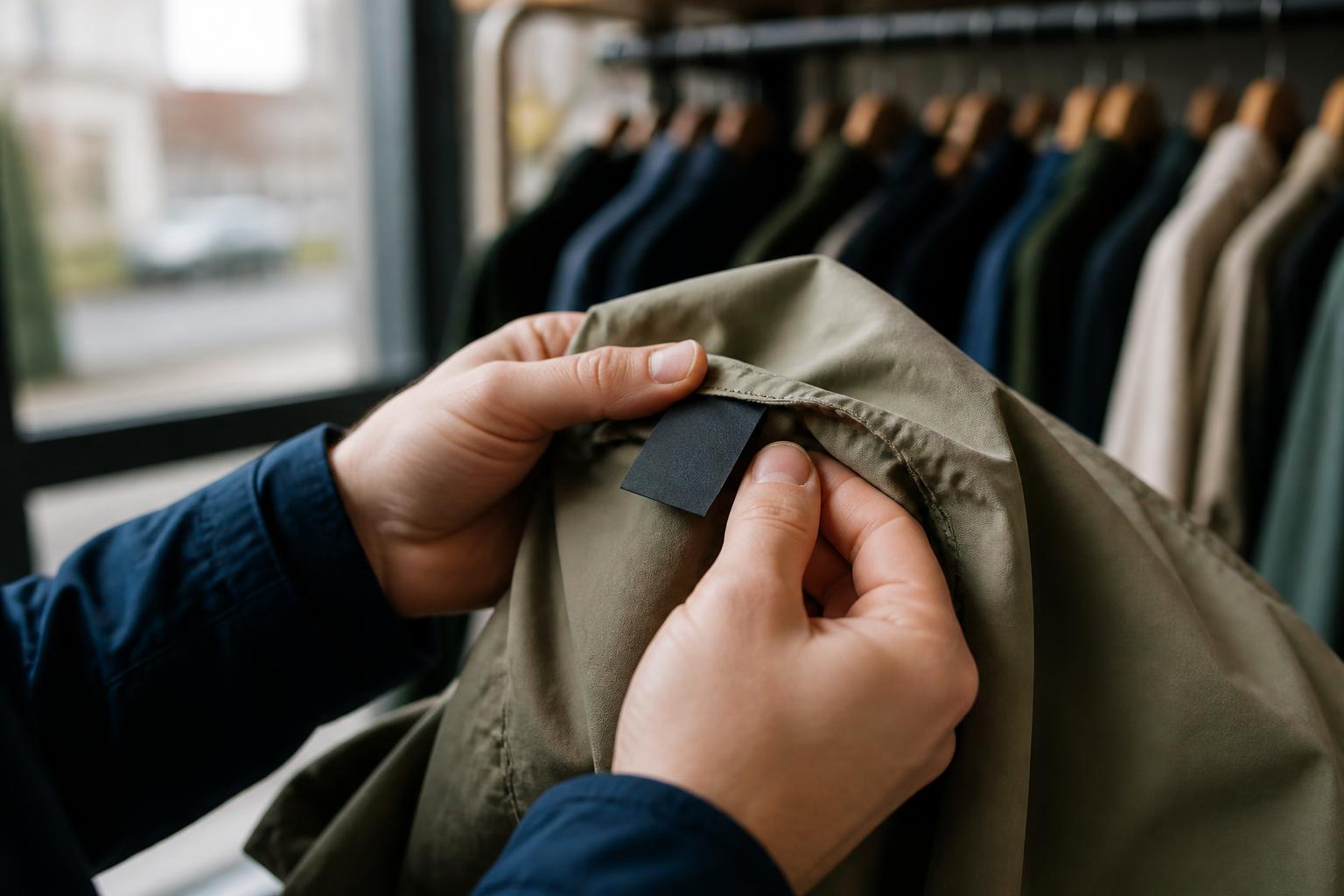
Care labels are a practical limit. If half your wardrobe says hand wash only, dry clean only, or reshape while damp, your useful clothing count is lower than it looks. Under UK consumer law, clothes should be as described and of satisfactory quality, but that does not make high-maintenance garments easier to live with. A label may be accurate and still be wrong for your routine.
As a rough method, count backwards from your week. How many days do you need outfits for? How often do you get changed? Do you need separate clothes for dog walking, office wear, gym, childcare, or messy work? Which items can be worn multiple times before washing, and which cannot? Once you answer those questions, your own minimum becomes clearer.
It is also worth separating “owned” from “available”. If three jumpers are at the mending pile, one coat needs reproofing, and two pairs of trousers only work with shoes in for repair, they are not currently part of your functioning wardrobe.
How to buy missing pieces second-hand or new
Once you have a clear gap list, fill it in order of usefulness. Buy the item that unlocks the most outfits first. That might be a plain knit that works with all your bottoms, a waterproof that makes walking possible, or a second pair of work trousers that reduces laundry pressure.
Second-hand is often the best place to start for categories where fit is straightforward or where quality is better than what your budget would buy new. Knitwear, coats, denim, shirts and leather bags can all be good second-hand buys if you check them properly.
Before buying second-hand, ask or check for:
- Fibre content on the care label
- Pit to pit, waist, rise, inside leg, shoulder and length measurements
- Signs of shrinkage, felting, twisting seams or stretched cuffs
- Underarm wear, thinning fabric, bobbling and repairs
- Missing buttons, broken zips and peeling coatings
- Whether the item has been altered
Photos matter, but measurements matter more. Sizes vary wildly between brands and decades. A labelled 12, M, or 32-inch waist does not tell us enough. Compare the listing measurements with a similar garment you already own and like.
For shoes, inspect sole wear, insoles, heel shape and any cracking at flex points. For coats and waterproofs, check cuffs, hems, pocket corners and zip fronts where wear shows first. If buying online, ask whether there are any marks not visible in photos.
When buying new, keep the same discipline. Read the fibre content and care label before checkout, not after delivery. Check whether the garment can be washed at home, whether it is likely to need ironing, and whether it suits your drying setup. If you are choosing between fabric blends, our piece on wardrobe care that helps clothes last longer explains why maintenance should influence the purchase.
Be wary of buying all the basics in one go. It often looks efficient, but it is how wardrobes end up full of almost-right substitutes. Buy one missing piece, wear it, learn from it, then buy the next. If something does not work with at least a few existing items, it is probably not a true wardrobe basic for you.
Costs can also be managed better by splitting purchases into categories. Spend more carefully where wear is hard and fit matters, such as coats, shoes and everyday bags. Save where replacement is more likely, such as simple jersey tops, but still check seams, fabric weight and recovery.
How to keep a small wardrobe working
When each garment gets worn often, care matters more. The aim is not precious treatment. It is sensible maintenance that keeps clothes available and presentable.
Wash less often where appropriate. Many outer layers, knitwear and denim do not need a full wash after every wear. Airing garments overnight, brushing off dirt, and spot-cleaning marks can extend time between washes and reduce fibre wear. That said, anything worn next to the skin, or anything stained, sweaty or damp, needs proper laundering.
Follow the care label, but interpret it practically. In the UK, labels usually use standard care symbols, and they are worth learning properly. Maximum wash temperature does not always mean you must wash that hot, only that you should not exceed it. Lower temperatures are often suitable for lightly soiled everyday clothes, provided detergent is used correctly.
Drying is where many clothes are lost. Tumble drying can be useful, but repeated high heat shortens the life of elastane, can shrink cotton and wool, and can set in wear faster at collars and cuffs. If you line dry or air dry indoors, shape garments while damp, smooth seams, and dry knitwear flat if the label advises it.
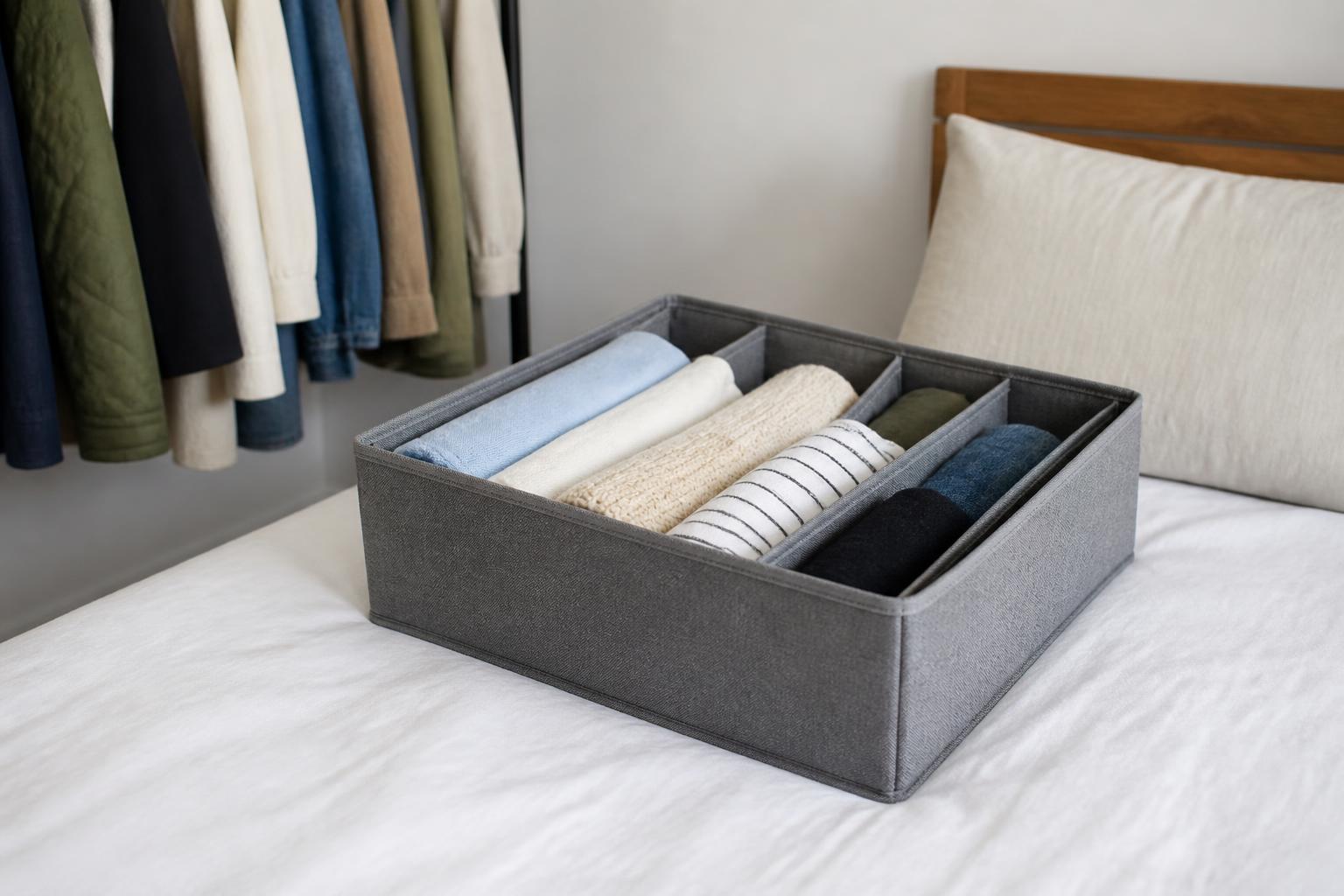
Storage affects wear too. Heavy jumpers usually keep their shape better folded than hung. Coats need proper hangers. Shoes last longer if dried away from direct heat and rotated rather than worn damp day after day. Bags benefit from being emptied and stored so straps do not crease sharply.
Build a basic repair habit. Sew on buttons before they are urgent. Trim loose threads rather than pulling them. Deal with small hems, open seams and early thinning before they become bigger failures. A simple mending kit, needle, thread, a few spare buttons, safety pins, and an iron-on patch or two, solves more than people think.
For wool and knitwear, depilling can help appearance, but be gentle. A fabric shaver used too aggressively can thin the surface. For waterproofs, wash and reproof according to the garment type when water stops beading, not just when the coat looks dirty.
Finally, review the wardrobe every season, not to force a clear-out, but to keep it honest. Which pieces carried most of the load? Which sat untouched because they were awkward to wash, uncomfortable to layer, or wrong for the weather? That is the information that helps us build a basic capsule wardrobe that actually works, without buying loads and without pretending daily life is simpler than it is.

Questions about this article or a correction to suggest? Get in touch. Read more about our editorial approach.