Seasonal wardrobe storage works best when we store less, not more. In a small home, the goal is not to pack away half the bedroom and hope for the best. It is to keep the current season easy to use, protect what is genuinely out of rotation, and make sure we can still find the odd useful item without emptying three boxes onto the bed.
That usually means a short sorting session, proper cleaning and drying, a few small repairs, and sensible storage in places that stay as dry and stable as possible. If we are also trying to build a capsule wardrobe from existing clothes, seasonal storage helps because it shows us what we already own, what we actually wear, and what is only taking up space.
Decide what really needs to leave the wardrobe
The biggest small-space mistake is storing too much. If we put away every knit in April or every sandal in September, we usually end up dragging half of it back out again. UK weather is not tidy enough for that.
Start with three groups.
Current season: These are the clothes we are wearing now, plus a small buffer for mixed weather. In practice, that might mean T-shirts, light knitwear, jeans, a waterproof, one smarter layer, and shoes we are using weekly.
Next season: These are items we are unlikely to need for at least six to eight weeks, but will definitely want back. Think heavy wool jumpers in late spring, linen trousers in October, or occasionwear tied to summer weddings.
Rarely worn: These are not seasonal so much as occasional. Black tie, ski layers, one interview suit, maternity wear kept for a reason, or sentimental pieces we have consciously chosen to keep.
The useful test is frequency, not fantasy. If we wore it in the last season and expect to wear it next time, it is a storage item. If we have skipped it for two or three seasons and cannot picture a real use, it may be time to move it on rather than give it another year in a box. Our guide on whether to mend something or move it on can help with that decision.
Keep a small crossover section in the main wardrobe. In UK homes, this is what stops seasonal clothes storage becoming annoying. A couple of lighter jumpers, one cardigan, a scarf, a pair of tights, or one pair of sandals can stay accessible even if the rest is packed away.
If you are trying to create a capsule wardrobe from existing clothes, sort by outfits as well as by category. Instead of asking, “Do I need six skirts out?” ask, “Which combinations am I actually wearing this month?” That often reveals duplicates, awkward items, and gaps in layering rather than dramatic gaps in the wardrobe itself.
Clean and dry everything the right way first
Never store clothes dirty, even if they look fine. Body oil, deodorant residue, food marks and invisible spills can oxidise over time, attract pests, or set into fibres. Clothes also need to be fully dry before they are packed away. In many UK homes, especially in older properties, that matters as much as the washing itself.
Use the care label as your first instruction, not a guess. If you need a refresher, our guide to reading clothes care symbols without ruining favourites covers the basics.
A sensible preparation routine looks like this:
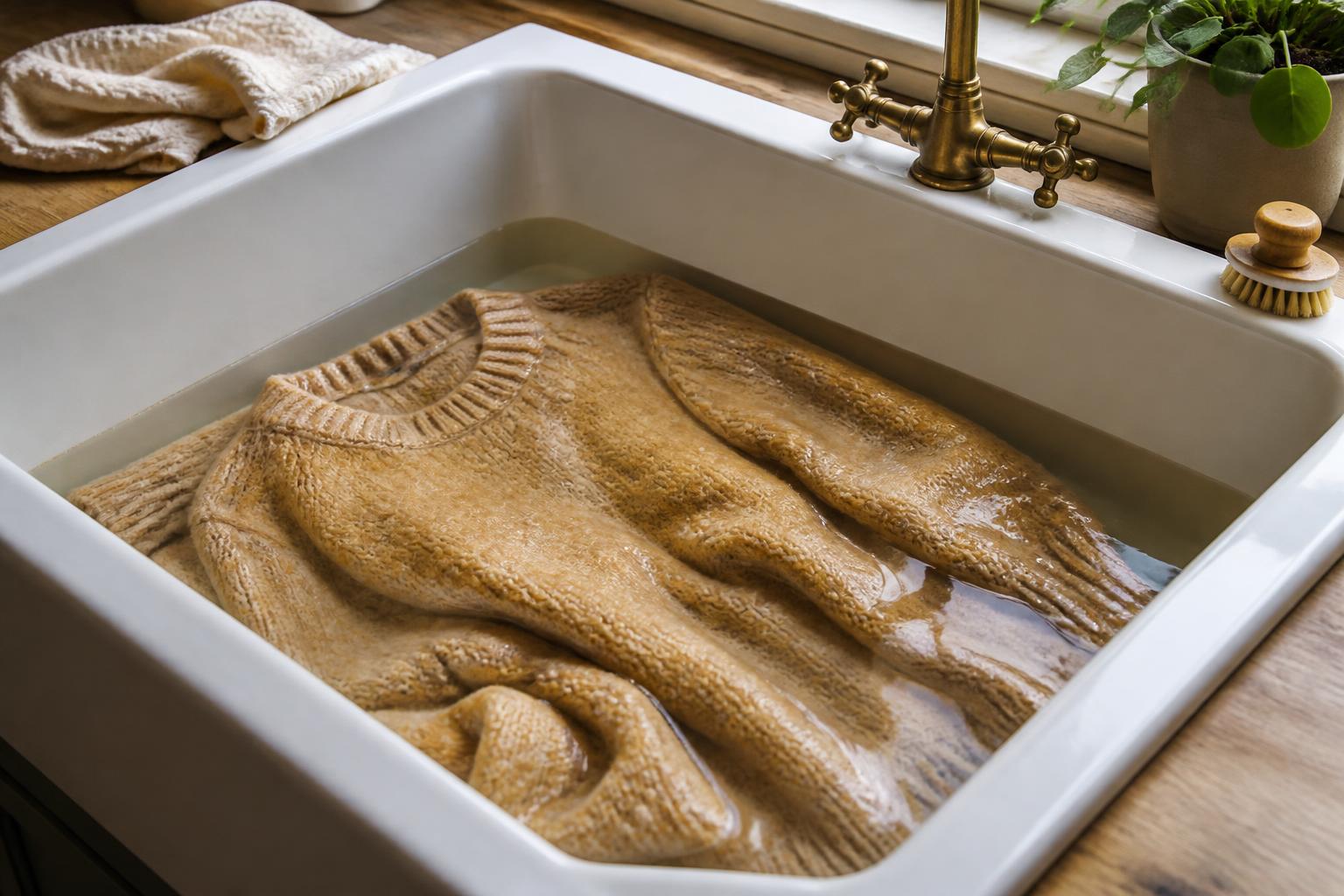
Wash at home when the label allows it. Cotton T-shirts, many pyjamas, denim, some synthetics and plenty of everyday basics can usually be machine washed if the label says so. Fasten buttons and zips, empty pockets, and treat marks before washing if the fabric allows.
Air between wears where that is enough. Some garments do not need a full wash before storage if they are genuinely clean. A wool jumper worn over a shirt, for example, may only need airing if there are no marks or odours. Airing means hanging it in a well-ventilated room out of direct strong sunlight, not putting it back into a damp corner.
Professional cleaning may be the right choice for some items. Structured tailoring, heavily embellished occasionwear, pleated garments, and pieces labelled dry clean only are often better dealt with professionally before long storage. This is especially true if there are stains, perspiration marks on linings, or body oils around collars. In the UK, “dry clean only” on a care label is generally treated as manufacturer guidance rather than a legal ban on other methods, but if we ignore it and damage the item, that is on us.
Be careful with home steaming. Steaming can freshen many garments, but it does not replace cleaning where there is actual soil or staining. It is also not suitable for every finish or trim. If you steam before storage, let the item dry and cool fully before it goes into a wardrobe or container.
Do not pack away slightly damp laundry. This is how musty smells start, and in some homes, mould. If you line dry indoors, give clothes extra time. Feel underarms, waistbands, cuffs, thick seams and pocket areas, because those are the places that stay damp longest.
Shoes need prep too. Brush off dirt, let them dry naturally away from direct heat, and make sure soles are clean before storing. Leather shoes benefit from being clean and dry before they are put away. If they are wet from winter wear, they need time, not a radiator.
Do small repairs before clothes disappear for months
Storage is not a pause button on damage. A loose hem can pull further. A missing button becomes a garment we “meant to fix” for another year. A tiny moth hole in knitwear will not mend itself.
Before storing, check the obvious stress points:
- hems
- underarms
- crotch seams
- pocket corners
- buttons and buttonholes
- zip bases
- knit cuffs and elbows
- lining tears
The useful rule is this. Do the five-minute jobs now, and set aside anything that needs more than a quick repair.
Worth doing before storage:
- sewing on a loose or missing button
- securing a dropped hem
- trimming loose threads properly rather than pulling them
- closing a small seam split
- de-bobbling knitwear gently if pilling is making it harder to assess condition
- brushing coats and jackets so grit does not sit in the fibres
For knitwear, be gentle. If you want to tidy jumpers before they go away, our guide to removing bobbles from jumpers without damaging the knit explains the safest approach.
Repairs that may need a tailor, cobbler, or specialist:
- replacing a zip
- relining a jacket or skirt
- repairing leather
- dealing with large moth holes
- restoring stretched knit shoulders
- fixing broken underwires in structured clothing
If something is too damaged to wear next season without proper work, label it clearly before storing or keep it out with your repairs pile. Otherwise, it reappears months later as an unpleasant surprise.
Store different fabrics with the right support
Good storage is mostly about shape, weight, breathability and space. We do not need a matching set of expensive boxes. We do need to avoid crushing, stretching, trapping moisture, or overloading one rail.
For most small UK homes, the best places are:
- a dry wardrobe with some airflow
- under-bed storage in a room that does not suffer from damp
- the top shelf of a wardrobe, if items are contained and not squashed against an outside wall
- a lidded container in a dry interior cupboard
Less ideal places:
- lofts with major temperature swings
- garages
- sheds
- cupboards on cold external walls with condensation issues
- under a divan bed if the floor beneath is damp
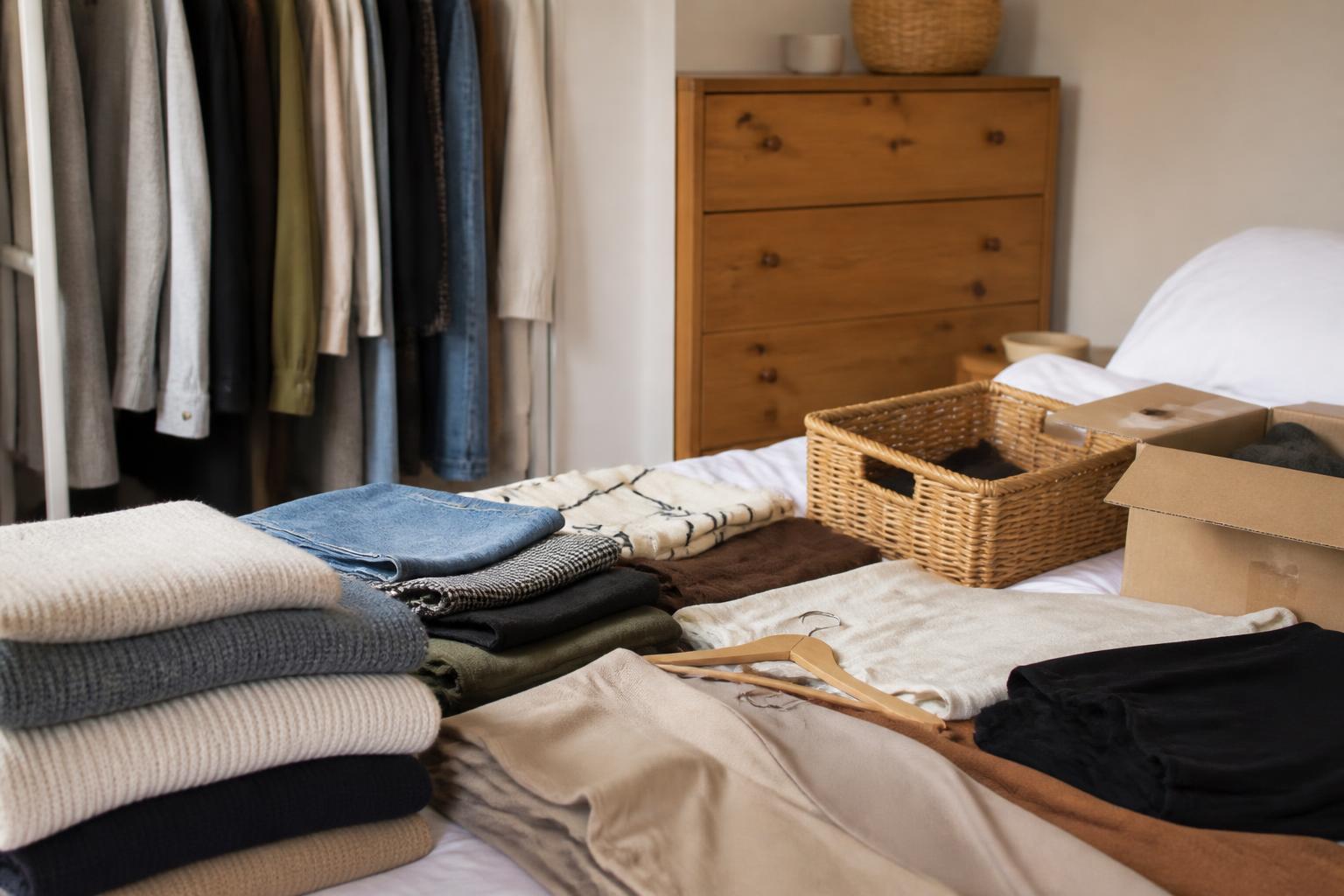
Knits: Fold, do not hang. Hanging heavy knitwear can stretch shoulders and length. Fold jumpers flat, with heavier pieces at the bottom of a stack and lighter pieces above. If drawer or shelf space is limited, a breathable storage bag or a clean lidded box works well, as long as the knits are completely dry.
Tailoring: Structured jackets and coats usually do best on proper hangers that support the shoulder line. Avoid thin wire hangers. Trousers can be hung from the waistband if the clip is padded or smooth, or folded neatly over a bar if that causes fewer marks. Suit bags can be useful, but choose breathable ones rather than sealing garments in plastic for months.
Occasionwear: This depends on fabric and construction. A simple dress in stable woven fabric may be fine on a padded hanger. Beaded, bias-cut, heavy, or delicate items are often safer laid flat or carefully folded with acid-free tissue if you already have it. We would not buy conservation materials for every party dress, but we would avoid crushing embellishment under a pile of denim.
Everyday basics: T-shirts, casual cotton shirts, leggings, joggers and similar basics can usually be folded and stored by type. The main thing is not to overpack. If a box is stuffed so tightly that you have to kneel on the lid, clothes will crease hard and airflow will be poor.
Wool and natural fibres: These need clean, dry storage and occasional checking. Cedar and lavender are often suggested, but they are not guarantees against clothes moths or carpet beetles. At best, they may help as part of a wider routine. They do not replace cleaning, dryness and inspection.
Bags and shoes: Empty pockets and bags before storage. Stuff bags lightly to help them hold shape if needed, using clean fabric or paper that will not transfer ink. Store shoes in pairs, clean and dry, where they will not be crushed.
Vacuum bags: Useful for some bulky synthetic items, spare bedding, or puffer jackets if the care label and fill allow it, but not ideal for everything. They can crush natural fibres, trap residual moisture, and make it harder to inspect stored clothes. For wool, tailoring and delicate items, we would usually skip them.
Make a simple inventory you will actually use
The best inventory is the one we will maintain. In a small home, that usually means a paper list taped inside the wardrobe, a note on our phone, or labels on boxes that say what is really inside.
Group stored clothes in practical categories:
- heavy knitwear
- summer dresses
- holiday clothes
- occasionwear
- winter accessories
- repair pending
Then label containers clearly. “Autumn clothes” is vague. “Chunky jumpers and wool scarves” is useful.
If you are using boxes under the bed, note the exact location:
- under bed left side, knitwear
- wardrobe top shelf, occasionwear
- hall cupboard, waterproofs
This matters more than people think. Seasonal clothes storage in UK flats and smaller houses often fails because things are technically stored but functionally lost.
A very basic inventory can include:
- item type
- colour or standout description
- location
- any note such as “needs button” or “dry clean before wear”
You do not need an app unless you enjoy using one. A simple list is enough to stop duplicate buying and to make a capsule wardrobe from existing clothes much easier to build. Once we can see that we already own two black cardigans, three summer dresses that fit, and one pair of smart trousers in storage, shopping decisions become calmer.
If you want to be more analytical, cost-per-wear can help you decide what deserves prime wardrobe space and what does not. Our piece on what your clothes really cost to wear is useful here.
Check for damp, mould and pests without overpromising
No storage method guarantees pest prevention. Anyone who says otherwise is overselling. What we can do is reduce risk and catch problems early.
In UK homes, the main storage risks are usually damp, condensation, mould, clothes moths and, less often, carpet beetles. Risk tends to be higher in:
- older homes with poor ventilation
- rooms with cold external walls
- loft spaces
- cupboards beside bathrooms
- bedrooms where laundry is dried often without enough airflow
- ground-floor flats with persistent moisture issues
Do a quick check every few weeks at first, then seasonally if conditions are stable. You are looking for:
- a musty smell
- visible condensation or damp patches near storage areas
- mould spotting on walls, furniture or fabric
- insect casings, webbing or larvae
- new holes, especially in natural fibres
- clothes that feel cold and slightly damp
If you find damp, take the clothes out, dry the area, and assess whether the storage spot is suitable at all. Wiping mould off the outside of a box is not enough if the cupboard itself is repeatedly damp.
If you suspect clothes moths or carpet beetles, isolate affected items and inspect nearby textiles, including rugs and upholstery. Cleaning the surrounding area thoroughly matters. Depending on the item, treatment may involve washing according to the care label, dry cleaning, or freezing only where fabric and construction make that safe and the process can be done properly. We would be cautious about passing around one-size-fits-all freezing advice for delicate garments, because poor wrapping or thawing can create moisture problems.
Ventilation helps, but so does restraint. The more overfilled and forgotten a storage area is, the easier it is for problems to go unnoticed. A smaller, cleaner, labelled storage setup is usually more protective than a larger one with more products.
The aim is not perfection. It is a wardrobe that works in real life, in a real UK home, with weather, limited space and clothes we actually wear. Store only what needs storing, prepare it properly, support each fabric sensibly, and keep a record simple enough to use. That is what keeps seasonal rotation manageable, and it is often the easiest route to a wardrobe that feels more coherent without buying much at all.

Questions about this article or a correction to suggest? Get in touch. Read more about our editorial approach.