If you are wondering why your clothes smell after washing, the answer is usually not that they are still “dirty” in the obvious sense. More often, the smell comes from a mix of trapped body oils, detergent residue, bacteria and moisture that never quite left the fabric or the machine. Clean-looking laundry can still hold onto odour if the wash was too cool, the drum was too full, or the clothes sat damp for too long afterwards.
The good news is that this is usually fixable without harsh stripping methods or ruining delicate items. A few checks, plus some changes to how you wash, dry and store clothes, are normally enough to stop that sour, musty or stale smell from coming back.
Why clean laundry can still smell bad
Laundry smells tend to come from build-up, not from one single bad wash. Everyday clothing collects sweat, skin cells, body oils, deodorant, sunscreen, cooking smells and general grime. If these do not fully lift out in the wash, they stay in the fibres and feed odour-causing bacteria.
Detergent residue is a common culprit. It sounds backwards, but using too much detergent can make clothes smell worse. If the machine cannot rinse it away properly, the residue traps dirt and oils in the fabric. The result is often a sour smell that seems to appear once the clothes dry or once your body warms them up.
Body oils are especially stubborn on collars, underarms, cuffs, leggings, sportswear and bedding. Synthetic fabrics such as polyester and elastane blends are particularly prone to hanging onto oily smells. They wick sweat well, but they also tend to retain the bacteria and residue that cause that familiar stale-gym odour.
Low-temperature washing can also be part of the problem. Cooler cycles are useful for colour care, energy use and delicate fabrics, but they do not always shift greasy build-up on everyday items. If most loads are washed at 20°C or 30°C, especially short cycles, residue can accumulate both in the fabric and inside the machine. That does not mean everything should go on a hot wash. It means the temperature needs to match the item, the soil level and the care label.
Delayed drying is another major cause. If washed clothes stay in the drum for hours, or are piled in a basket while still damp, bacteria and mildew start multiplying quickly. That “wet dog”, “pond water” or “forgotten towel” smell is often simply damp fabric left too long without airflow.
Sometimes the smell is strongest only once the item is dry. That usually points to residue or oils still in the fibres, rather than a one-off damp smell from the machine. Towels, T-shirts, bras, pyjamas and activewear are the usual repeat offenders.
If you are not sure what the label allows before trying to fix the problem, it helps to start with how to read washing symbols without ruining clothes. Getting the basics right matters more than buying another laundry product.
Is the smell coming from your washing machine?
Before treating the clothes, check whether the washing machine itself is the source. A clean load put through a smelly machine will often come out smelling stale straight away, especially when warm from the drum.
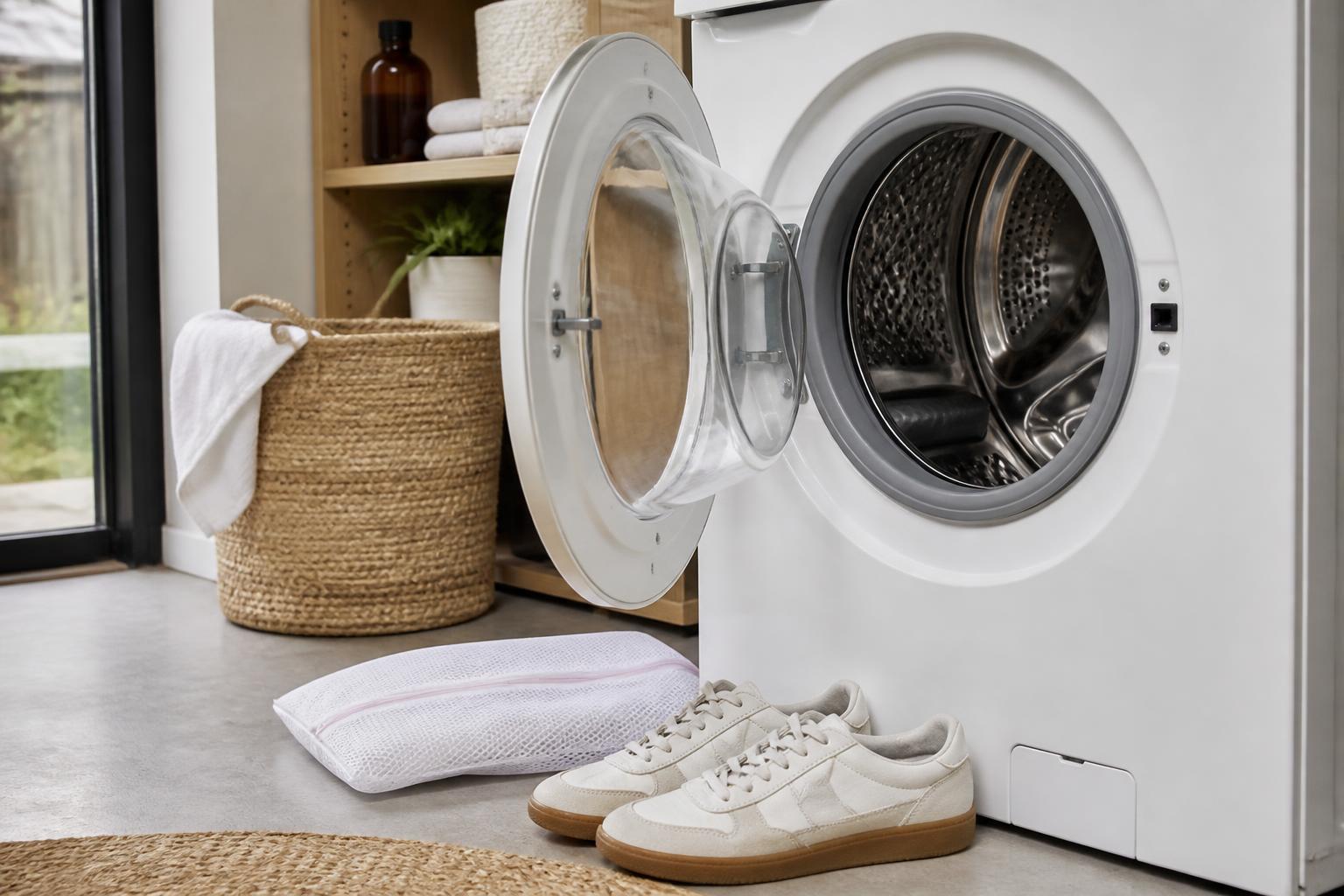
Start with the drum. If the inside smells musty when empty, that smell can transfer onto fabric. Shine a torch into the drum holes if you can. You may spot residue, lint or dark build-up around the back edge.
Next, inspect the door seal on a front-loading machine. Pull back the rubber folds carefully. This is where water, lint, hair, coins, tissues and detergent slime often collect. Black marks can be mildew. Grey or brown sludge is usually detergent and dirt build-up. If this area smells stronger than the drum, you have probably found one cause.
Then check the detergent drawer. Remove it if your machine allows it and rinse it under warm water. The drawer housing, especially the top and back edges, often holds mould and sticky residue that is easy to miss. Fabric conditioner is a common problem here because it leaves a waxy coating.
The filter is another place to inspect. On many UK machines, the pump filter is behind a small flap near the bottom front. Put down towels and a shallow tray first, because water may come out when you open it. If the filter contains fluff, hair, pins or sludge, drainage may be poor, leaving water and smells sitting in the machine between loads. Always check your manual first, because access and cleaning steps vary by model.
If the machine itself smells fine but the laundry still comes out odd, consider the waste plumbing. A blocked or partially blocked standpipe, sink trap or waste hose can send drain smells back towards the machine. This tends to smell more like drains than mildew. If you notice gurgling, slow drainage, or a bad smell near the waste pipe rather than in the drum, the issue may be plumbing rather than laundry products.
You can do a simple test. Wash a few clean cloths or old tea towels on an appropriate cycle with detergent. If they come out smelling bad despite starting clean, the machine or drainage is the likely source. If only worn clothes smell after washing, the issue is more likely build-up in the fabric or a routine problem such as overloading.
To freshen the machine itself, clean the seal, drawer and filter, then run a maintenance wash according to the manufacturer’s instructions. Many machines have a drum clean cycle. If not, a hot cotton cycle can help, provided the machine manual allows it. This is one part of laundry care that pays off well, because it protects both hygiene and the life of the appliance.
How to remove smells from clothes safely
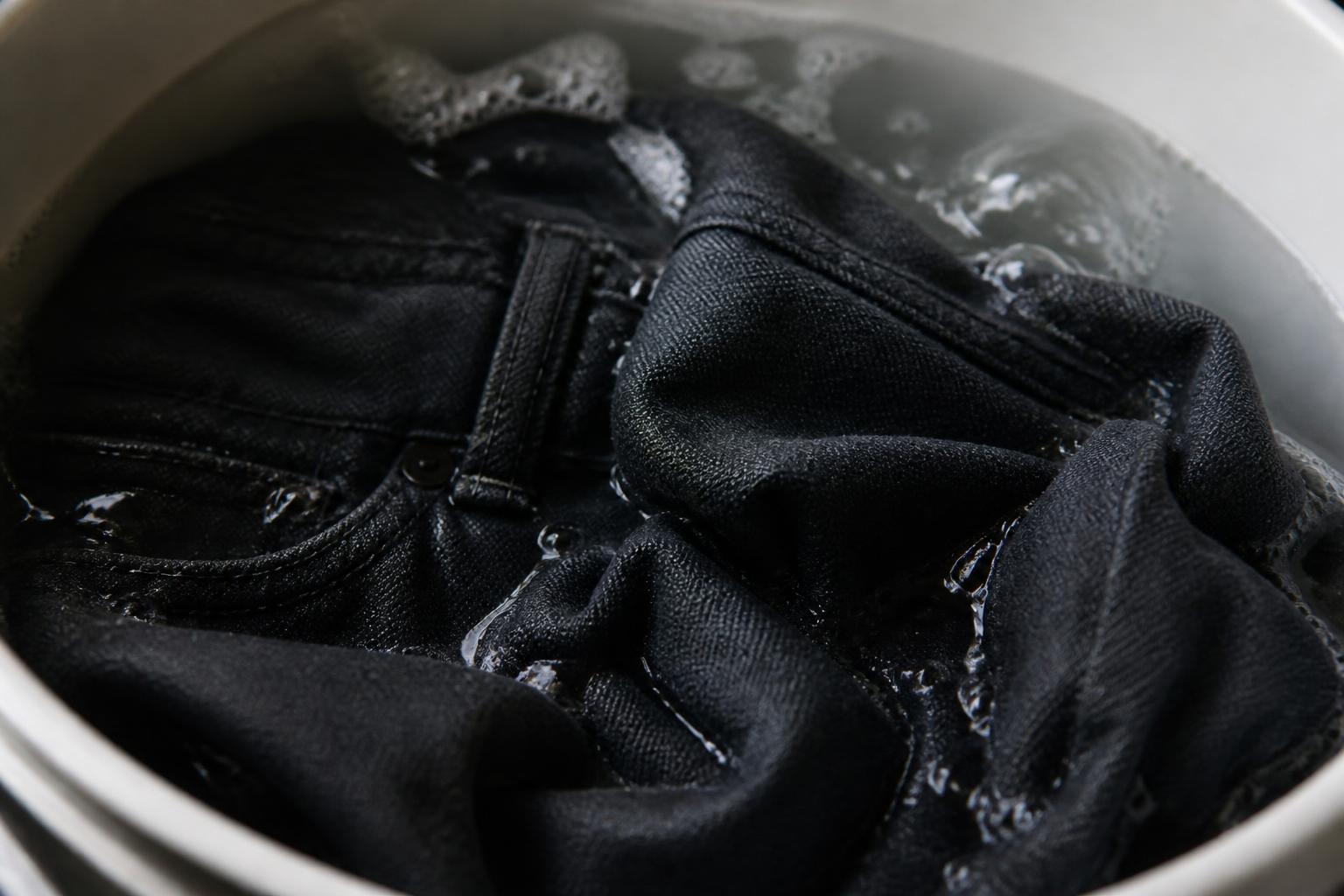
When clothes smell after washing, the safest fix is usually a proper rewash based on the care label, not an aggressive soak by default. Start by separating items by fabric type, colour and wash temperature. Towels, cotton T-shirts and bedding can usually take a more robust wash than bras, wool jumpers or anything with prints, trims or elastic.
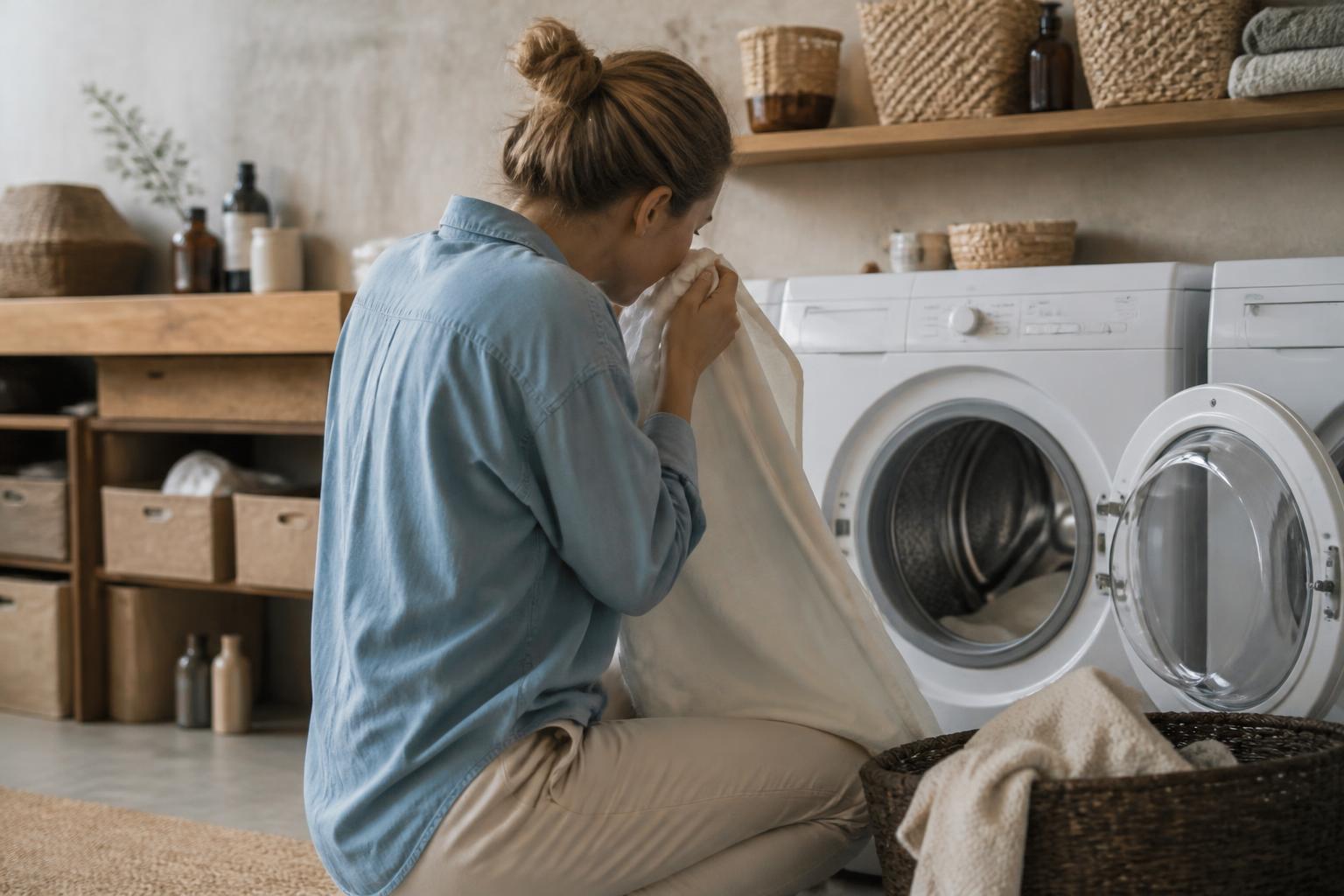
First, smell the item when dry and identify where the odour is strongest. Underarms, necklines and waistbands often need a bit of pre-treatment. For washable cottons and synthetics, gently rubbing a small amount of detergent into the problem area before rewashing can help. Do not scrub delicate fibres.
Then choose a cycle that suits the fabric and the level of build-up. For sturdy everyday items, a longer wash is often more effective than a short eco or express cycle when odours are set in. For towels, underwear, socks and white cotton bedding, a warmer wash may be suitable if the care label allows it. For darks, printed items and mixed fibres, you may need to stay cooler and rely on a thorough cycle instead.
Be cautious with wool, silk and embellished garments. They can hold smells too, but they are easier to damage through over-washing or the wrong temperature. If you are dealing with knitwear, check whether it can be machine washed at all. Our guide on whether merino wool can go in the washing machine safely covers the sort of label wording and settings worth looking for.
For sportswear and stretchy fabrics, avoid very high heat unless the label specifically allows it. Heat can set smells if oils are still in the fabric, and it can also shorten the life of elastane. A good rewash on the correct cycle, with the right amount of detergent and no conditioner, is usually the better first step.
Drying matters as much as rewashing. Once the cycle ends, get the items out promptly. Shake them out to reduce creasing and help airflow. If you can line dry outside, fresh air is useful, though it does not replace proper washing. If drying indoors, give the clothes space. Packing damp laundry tightly on an airer slows drying and encourages that stale smell to return.
Tumble drying can help some sturdy fabrics finish fully dry, but always check the care label. Heat is risky for delicates, wool, some prints, coated fabrics and anything with glued trims or padding. Clothes that are put away even slightly damp often smell musty again within days.
If an item still smells after one careful rewash, repeat the process rather than jumping straight to harsh methods. Persistent odour in older synthetic activewear is sometimes permanent because the fibres have held onto oils for so long. At that point, the most realistic approach may be to keep the garment for lower-stakes wear and avoid spending more than it is worth trying to rescue it.
What to change in your wash routine
If smells keep coming back, the routine usually needs adjusting.
Load size is the first thing to fix. Overfilling the drum stops clothes moving freely, so detergent and water cannot circulate properly. That means poor cleaning and poor rinsing. As a rough guide, a cotton load should not be rammed in tightly. There should be enough space for the items to lift and drop. Lightweight synthetics need even more room because they can twist together and trap residue.
Detergent amount is next. More is not cleaner. Use the dose guide as a starting point, then adjust for load size, soil level and water hardness. In many parts of the UK the water is hard, especially in London and the South East, so detergent may need adjusting compared with soft-water areas such as much of Scotland, Wales and the North West. If clothes feel coated, the drawer gets slimy, or the machine smells sour, you may be using too much.
Cycle choice matters more than many people realise. Short cycles are useful for lightly worn items, but they are often not enough for sweaty T-shirts, school uniform, towels or bedding. If clothes regularly come out smelling less than fresh, switch some loads to a longer cycle with a proper rinse phase.
Water temperature also plays a role. Washing everything cold can leave oily build-up behind. Washing everything hot can shrink, fade or damage clothes. The sensible middle ground is to match the temperature to the item. Use warmer washes where the care label allows and where hygiene or grease removal matters, such as towels, underwear and bed linen. Keep cooler washes for delicates, darks and colours that are prone to fading.
Fabric conditioner is another common cause of odours. It can make laundry feel softer, but it also coats fibres. On towels, activewear and anything absorbent, that coating can trap smells and reduce performance. It can also build up inside the drawer and drum. If your clothes smell stale despite looking clean, cutting back on conditioner is often one of the quickest improvements.
This is also where fabric choice shows up in day-to-day care. Polyester gym tops, modal basics, cotton tees and wool knits all behave differently once sweat and detergent are involved. If you are trying to build an easier-care wardrobe, it is worth understanding fabric care that keeps clothes wearable for longer, because some recurring laundry frustrations start with the fibre itself.
How to stop the smell coming back
Prevention is mostly about moisture control, sensible washing habits and a machine that gets cleaned often enough.
Start with the gap between wearing and washing. Do not leave sweaty gym clothes, damp towels or rain-soaked items screwed up in a bag or on the floor. Let them air out first, or wash them as soon as you can. Even a few hours in a heap can be enough for odours to set in.
After each wash, empty the machine promptly. Leave the door and detergent drawer ajar for a while so the interior can dry. This is one of the simplest ways to stop mildew forming in the seal and drawer.
Build a basic machine upkeep routine. Wipe the door seal every week or two if you wash frequently. Rinse the drawer regularly. Check the filter when drainage seems slow, after a tissue disaster, or every few months as general maintenance. Run a hot maintenance cycle from time to time, following the machine manual. If your household mainly washes at 20°C or 30°C, this matters even more.
Dry laundry fully before storage. “Almost dry” is not dry enough for wardrobes or drawers. Heavier seams, waistbands, towel hems and sweatshirt cuffs often stay damp longer than the rest of the garment. If you put these away too soon, mustiness spreads fast, especially in smaller homes with limited airflow.
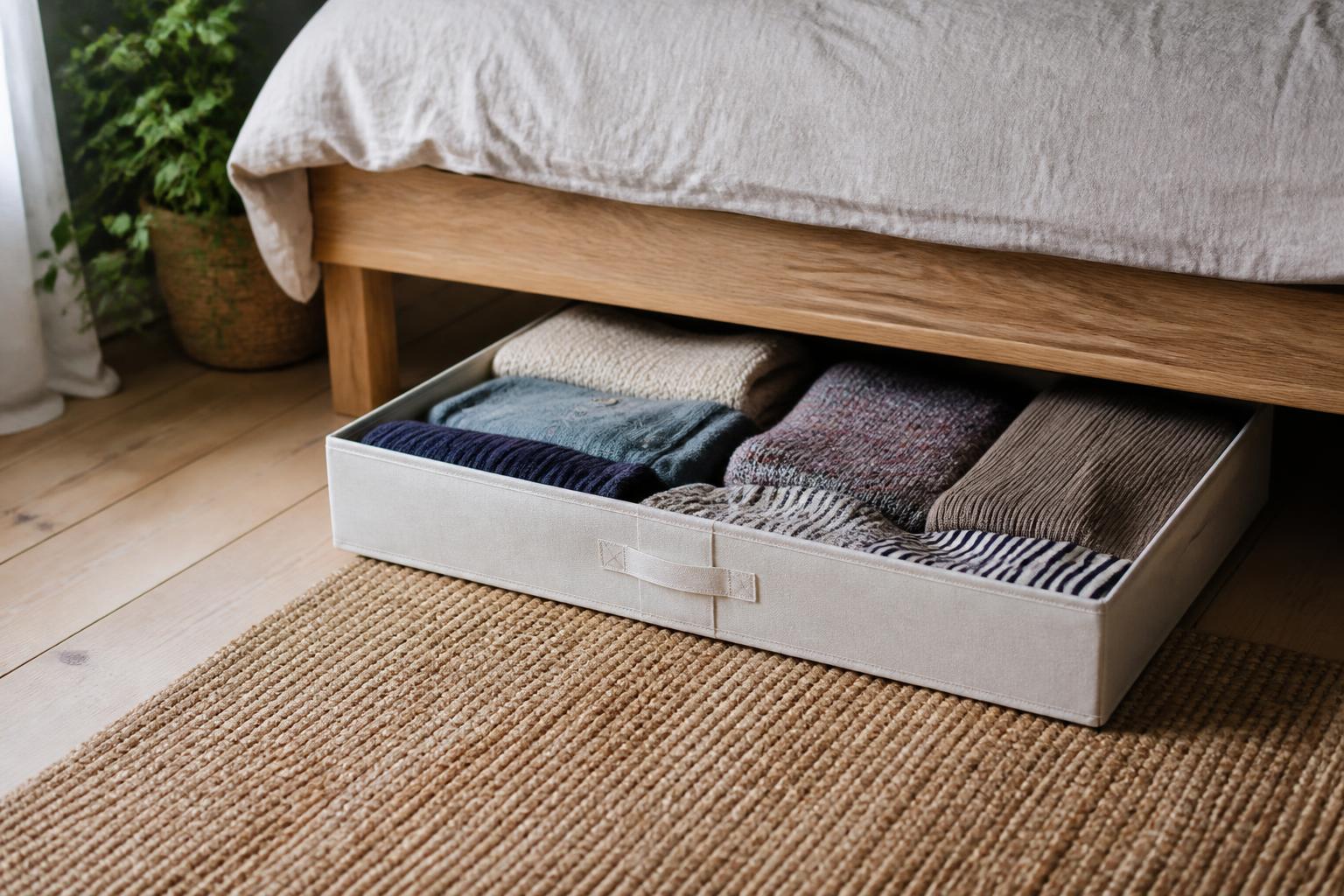
Storage matters too. Clothes kept in an overpacked wardrobe or in sealed plastic while even faintly damp can develop stale smells that get blamed on washing. Breathable, dry storage is the goal. If you are short on space, our guide to under-bed clothes storage that keeps garments wearable covers the sort of setup that protects clothes rather than trapping moisture.
For everyday prevention, a few habits do most of the work:
- Wash sweaty and high-oil items before build-up gets heavy.
- Do not overload the drum.
- Use the right amount of detergent for your water and load.
- Go easy on fabric conditioner, or skip it on towels and sportswear.
- Choose a cycle long enough to clean and rinse properly.
- Dry clothes quickly and completely.
- Keep the machine, seal, drawer and filter clean.
If you have been asking yourself why your clothes smell after washing, it is rarely a mystery once you break it down. The smell usually comes from residue, trapped oils, dampness, or a machine that needs attention. Fix those four areas, and most laundry starts smelling like nothing much at all, which is exactly what properly clean clothes should do.

Questions about this article or a correction to suggest? Get in touch. Read more about our editorial approach.