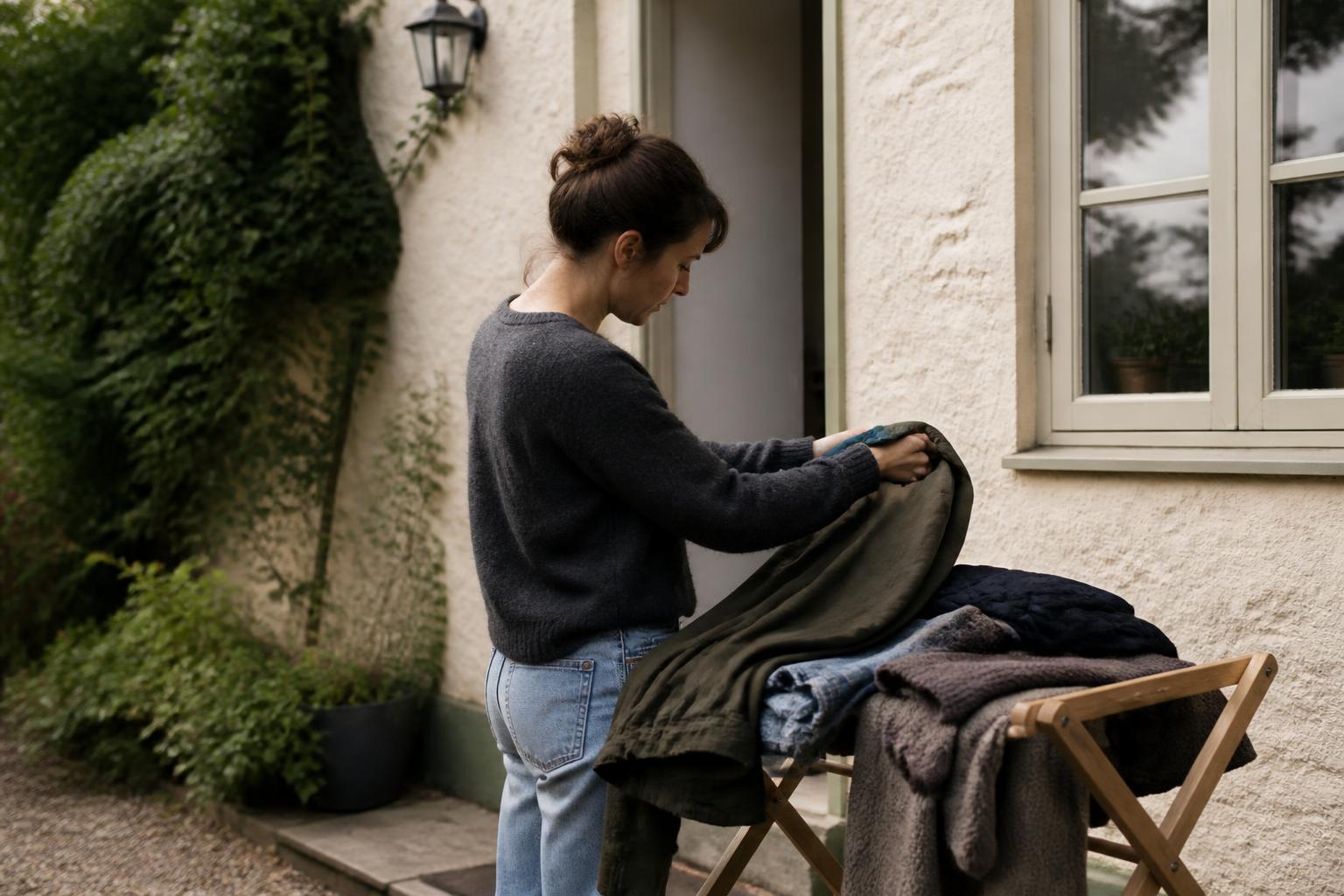
If you want a plain-English sustainable fashion definition, ours is simple. Sustainable fashion means making wardrobe choices that reduce harm and waste over the full life of a garment, from fibre and manufacture to how often it is worn, how it is washed, repaired, stored, passed on and eventually disposed of.
For most of us, that does not begin with building a perfect capsule wardrobe or buying a new set of worthy basics. It begins with using what we already own better. For The Eco Edit readers, sustainable fashion is not a style tribe. It is a practical way to make an everyday wardrobe work for longer, with fewer poor purchases, less avoidable damage and less clothing leaving the wardrobe before its useful life is over.
A practical definition that works in real life
A workable sustainable fashion definition has to do more than describe a brand’s supply chain. It has to help us decide what to do with the clothes in front of us, today, this week and this season.
In real life, sustainable fashion means lower-impact wardrobe decisions across five stages.
First, buying. That includes buying less, buying second-hand where it makes sense, and buying new only when the item is likely to earn its place through frequent use, good fit and reasonable durability.
Second, wearing. A garment that is worn often generally spreads its impact over more uses than one that is worn twice and forgotten. That is why wardrobe planning matters just as much as labels and certifications.
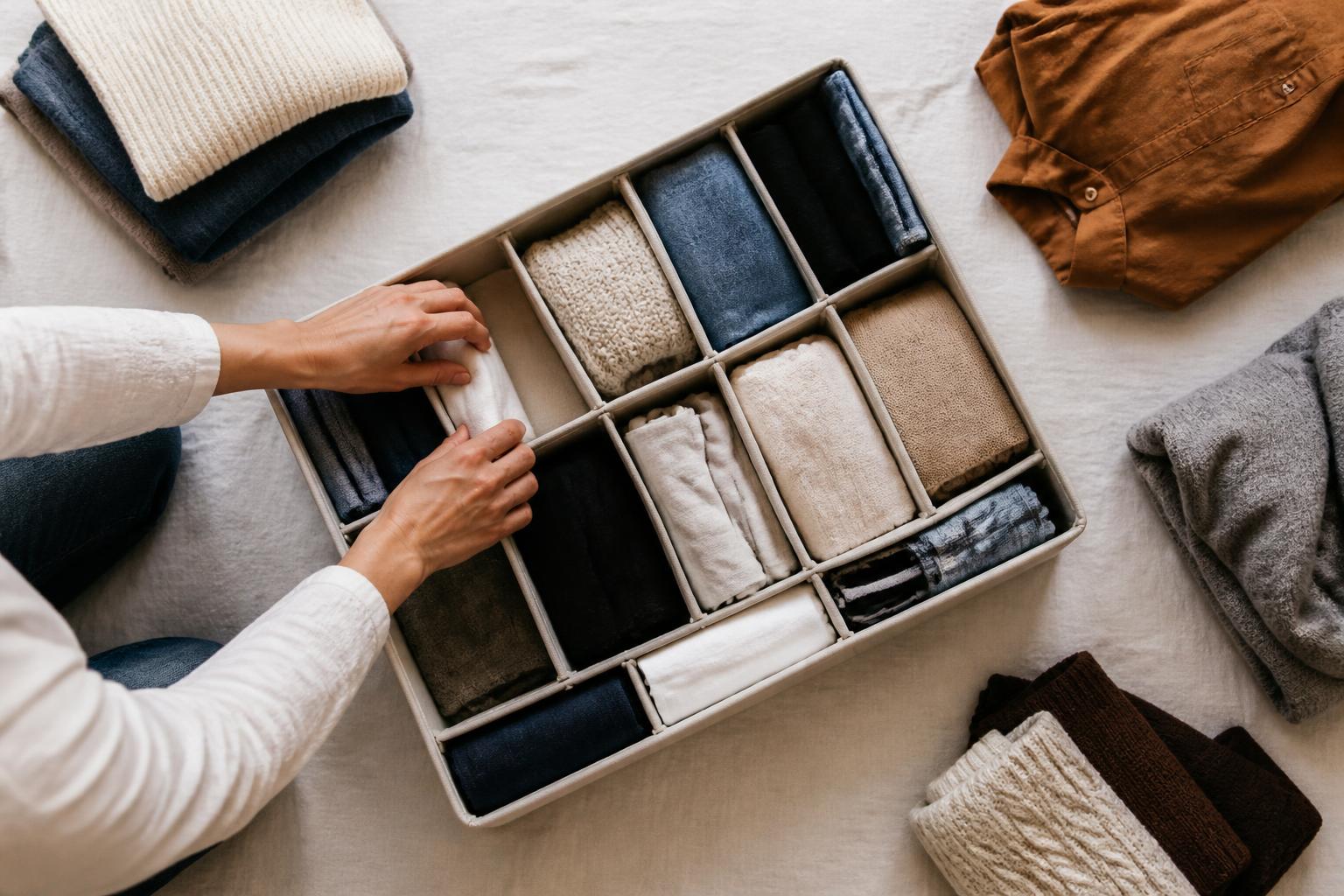
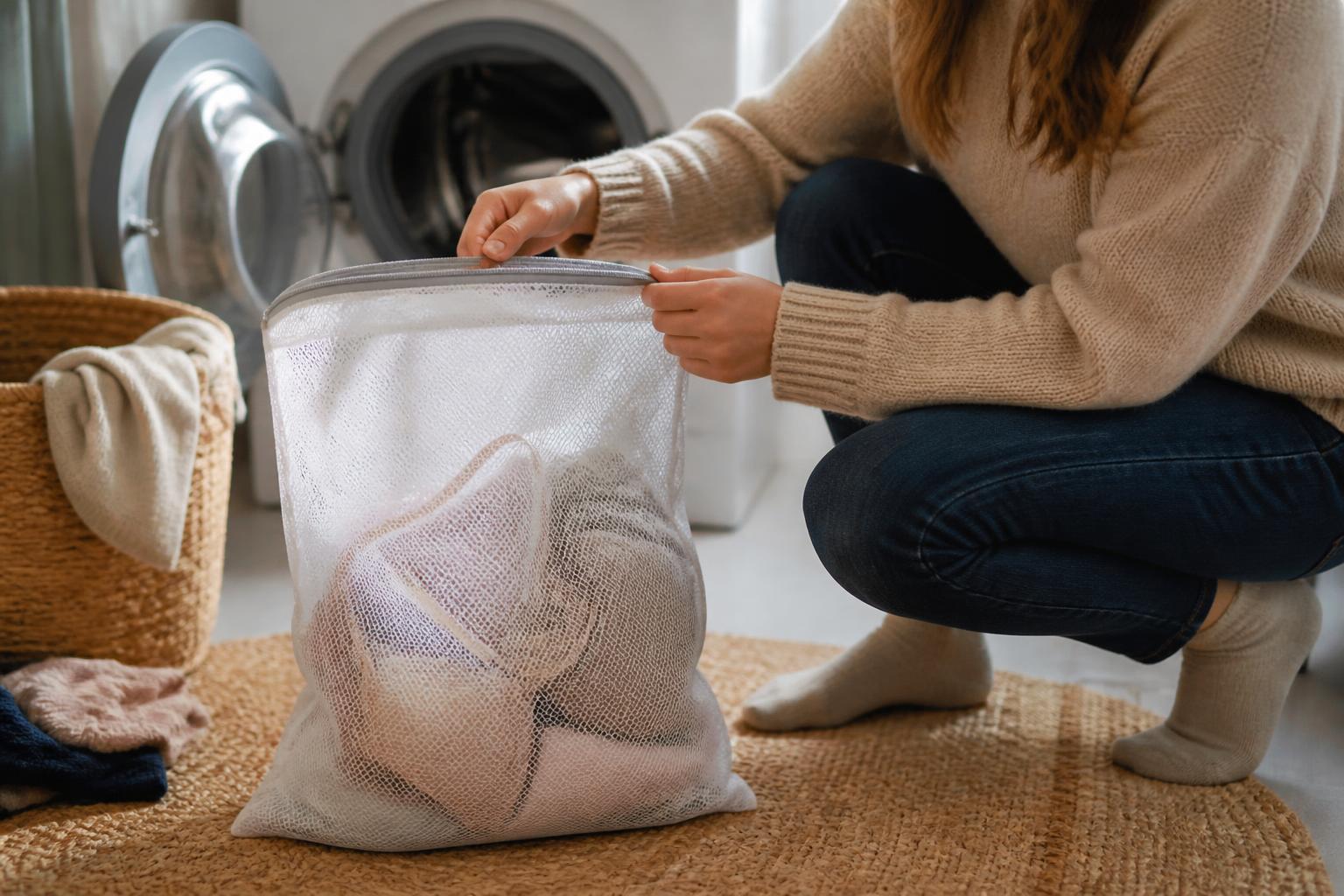
Third, care. Washing less often when appropriate, following care labels, line drying where possible, storing knitwear properly and dealing with stains quickly can all extend a garment’s useful life. Care is not glamorous, but it is one of the most practical parts of sustainability.
Fourth, repair. Replacing a button, restitching an opening seam, depilling knitwear, resoling shoes or patching children’s trousers can keep useful clothes in circulation. Not every item is worth repairing, but many are.
Fifth, disposal. The best outcome is usually that a garment keeps being used, whether by us or someone else. Passing on, reselling, donating responsibly, or using a worn-out item as cleaning cloths can all be better than binning it. In the UK, textiles put in household waste generally head for incineration or landfill, so the exit route matters.
That is the version of sustainable fashion we use because it is broad enough to be honest and practical enough to guide real decisions. It covers the garment’s whole life, not just the shop rail moment.
What the definition needs to include
Any credible definition needs a few core parts. If a brand, article or campaign leaves most of these out, it is usually telling only a flattering fraction of the story.
Materials
Fibre choice matters, but not in a neat natural-good, synthetic-bad way. Cotton, wool, linen, viscose, polyester and nylon all come with trade-offs. Cotton can be water and pesticide intensive, depending on how and where it is grown. Wool can be durable and repairable, but livestock impacts matter. Synthetics often shed microfibres and rely on fossil fuels, but they can also make hard-wearing outerwear and sportswear that lasts for years.
So materials belong in the definition, but they are only one part of it.
Making
How a garment is made matters as much as what it is made from. Dyeing, finishing, cutting and sewing all affect environmental impact and working conditions. A useful definition of sustainable fashion should include labour standards, chemical management and factory practices, not just fibre content.
This is also where readers need to be careful with broad claims such as “responsible”, “conscious” or “eco”. Without detail, those words tell us very little. If you want a better framework for reading those claims, our guide to judging fashion designers without falling for claims is a good place to start.
Transport and distribution
Transport is rarely the biggest part of a garment’s total impact, but it is not irrelevant. Air freight is generally worse than sea freight. Excess packaging adds waste. Returns systems can increase transport and handling. A definition that pretends the route to market does not matter is incomplete.
That said, transport should not distract from bigger questions such as whether the item will actually be worn often enough to justify buying it at all.
Use phase
This is where wardrobe habits come in. How often we wash, at what temperature, whether we tumble dry, whether we iron heavily, and whether we mend small issues before they become large ones all affect the use phase.
The use phase is especially important because it is one of the few parts we control directly. We cannot rewrite a brand’s factory contracts from our kitchen, but we can wash a jumper less aggressively and sew on the button before the whole placket pulls.
Durability and repairability
A sustainable garment is not simply one made from a preferred fibre. It also needs a reasonable chance of surviving normal life. That means seams that hold, fabric that can tolerate repeated wear, and construction that allows straightforward repairs.
Repairability is often ignored, but it should be part of the definition. Can a zip be replaced? Can a hem be redone? Can shoes be resoled? Can knitwear be depilled and darned? A cheap item that cannot survive care and cannot be repaired is rarely a sustainable bargain.
Frequency of wear
This is one of the most overlooked parts of the conversation. A beautifully made garment with excellent credentials still has a weak sustainability case if it sits unworn. A plain second-hand jumper worn twice a week for three winters can easily do more good in a real wardrobe than a highly marketed “green” piece bought for an aspirational self.
The question is not only “How was it made?” It is also “Will I use it enough?”
End of life
A proper definition must include what happens when the garment leaves the wardrobe. Can it be resold in decent condition? Donated for reuse? Repaired by the next owner? Recycled, if a suitable route exists? Blended fibres, heavy finishes and poor condition can all make recycling more difficult.
In the UK, textile collection systems vary by council and by retailer. Some take-back schemes accept worn-out textiles, others really want reusable clothing. That is why “recyclable” on a swing tag is not enough on its own. A useful definition asks what route actually exists, not just what sounds possible in theory.
Why wearing clothes for longer matters so much
For UK readers, this is one of the most important parts of the sustainable fashion definition. WRAP has consistently highlighted the value of extending the active life of clothing. Public guidance in the UK has long pointed to the environmental benefit of keeping clothes in use for longer, because making new garments usually accounts for a large share of their total impact.
That does not mean every item should be kept forever. It means longevity deserves more attention than it usually gets.
If a coat is worn for many winters, the impact of making it is spread across far more wears than if the same coat is replaced after one season because the zip failed, the lining tore and no one repaired it. The same logic applies to jeans, knitwear, school uniform and occasionwear, although the details vary by fabric and use.
The use phase matters in another way too. Washing and drying can add significantly to impact, especially for items that are washed frequently or tumble dried regularly. A cotton T-shirt washed hot and tumble dried after every wear has a different use profile from a wool jumper aired between wears and hand washed occasionally. A gym top, a waterproof jacket and a cashmere knit all behave differently in use.
So we need two thoughts in our heads at once.
One, the production stage often carries substantial impact, which is why using clothes for longer matters.
Two, the use phase can also be important, especially for garments needing frequent laundering, heated drying or intensive ironing.
That is why blanket advice is not very helpful. “Always buy natural fibres” is too simple. “Never wash unless absolutely necessary” is not practical for underwear, sportswear or many work clothes. “Repair everything” ignores repair cost, fabric condition and fit.
A better approach is to look at the item in context.
A wool coat that fits properly, can be brushed, aired, relined and reworn for years is a strong candidate for care and repair. A cheap top that twists after one wash and was a poor fit from the start may not be worth further effort. A second-hand blazer that needs a £12 button change and a quick press could be a brilliant buy. A delicate dress that requires specialist cleaning after every wear may be less practical than it first appears.
This is also where wardrobe management becomes sustainability work. The more clearly we know what we wear, what we avoid, what needs mending and what duplicates we already have, the less likely we are to buy fantasy versions of ourselves. If you want help turning broad principles into everyday habits, our piece on using a sustainable fashion blog in real life sets out a sensible starting point.
What sustainable fashion does not mean
A lot of confusion comes from treating sustainable fashion as a shorthand for a particular aesthetic, price point or shopping method. It is none of those on its own.
It does not mean expensive.
Higher prices can reflect better materials or labour standards, but they can also reflect branding, low production runs or marketing. A costly garment that pills quickly, fits awkwardly and never gets worn is not sustainable simply because it was expensive.
It does not mean natural fibres only.
Natural fibres can be excellent choices in many wardrobes, especially where breathability, repairability and longevity matter. But they are not automatically low impact, and synthetics are not automatically disqualified. A durable recycled polyester waterproof used for years may make more sense than a fragile “natural” alternative that fails in UK weather.
It does not mean trend-free.
Some people genuinely enjoy fashion and seasonal change. Sustainability is not limited to dressing in navy jumpers and sensible trousers forever. What matters is whether purchases are considered, useful and likely to be worn. Trend-led buying becomes a problem when it drives low-use, short-life clothing and constant replacement.
It does not mean handmade.
Handmade can be lovely. It can also be impractical, inaccessible or unrelated to environmental performance. Factory-made clothing can still be durable, repairable and responsibly produced. Handmade is not a synonym for sustainable.
It does not mean second-hand only.
Second-hand shopping is often one of the best tools we have, especially for coats, knitwear, denim, leather goods and occasionwear. But it is not always the right answer. Underwear, some footwear, technical sports kit and highly specific fit needs can make buying new more practical. The point is not to force every purchase into one channel.
It does not automatically mean ethical.
This is a particularly important distinction. Environmental claims and labour claims overlap, but they are not identical. A garment made from a preferred fibre is not automatically made under fair conditions. Likewise, a locally made item is not automatically low impact. A proper sustainable fashion definition has room for both environmental and social questions.
It also does not mean perfection.
Most people are managing budgets, changing sizes, school runs, office dress codes, laundry limits and British weather. Sustainability that only works for people with time, money and storage space is not much use. We are aiming for better decisions, not spotless records.
How to use the definition when you are deciding what to do next
The most useful definition is the one that helps with the next decision. Keep, repair, buy second-hand, buy new, or walk away. Here is the framework we use.
1. Start with the wardrobe in front of you
Before buying anything, check whether the need is real. Are you missing a category, such as waterproof footwear for commuting? Or are you bored with clothes that already function perfectly well?
Pull out the likely alternatives. Try them on. Check fit, condition and comfort. Very often, the sustainable option is not a different product. It is a better understanding of what we already own.
2. Ask whether the item can earn enough wears
Whether an item is second-hand or new, estimate its likely use. Can you picture at least three existing outfits with it? Does it suit your actual week, not an imagined one? Is the fabric right for UK weather and your laundry setup? “Will I wear this often enough?” is more important than “Does this sound sustainable on the product page?”
3. Check care and maintenance before buying
Read the care label if you can. If shopping online, look for fibre content and care instructions. Dry clean only, reshape while damp, cool iron on reverse, specialist leather clean, wash separately, do not tumble dry, these are not small print details if your life does not accommodate them.
A garment is more likely to stay in use if its care needs are realistic for the person wearing it.
4. Assess repairability
Look at seams, buttons, hems, soles, linings and zips. Ask what usually fails first and whether that failure is fixable. A spare button sewn inside is useful. A common zip size is useful. A shoe with a replaceable sole is useful. If a garment is flimsy in the exact place it will take strain, its sustainability story is weak however attractive the branding.
5. Use second-hand strategically
Second-hand works best when you know your measurements, preferred fabrics and non-negotiable fit points. It is especially strong for categories with long life left in them, such as wool coats, blazers, denim, leather bags and quality knitwear.
It can be less straightforward where hygiene, mould risk, hidden wear or precise technical performance matter. Use it as a tool, not a moral test.
6. Buy new carefully when new is the best option
Sometimes buying new is the sensible choice. If that is the route, look for enough information to judge the item properly. Fibre mix, country of manufacture, repair options, spare parts, care instructions and clear photos of construction all help.
Be wary of heavy claim language with little substance. “Conscious collection”, “future positive”, “planet friendly” and similar phrases need evidence behind them. If you want a sharper eye for this, our guide to judging London fashion brands without greenwash shows what to look for.
7. Repair when the maths and the garment both make sense
A repair does not need to be invisible to be worthwhile. A missing button, loose hem or opening seam is often a quick, low-cost fix. Zip replacement, relining or resoling can also make sense on a well-used item that still fits and fills a real wardrobe need.
But be honest. If the fabric is thinning all over, the fit is wrong, and you have not worn it for a year, a repair may only delay an exit that was coming anyway.
8. Dispose with the next use in mind
If an item is leaving your wardrobe, sort it by condition. Good condition can be sold or donated for reuse. Damaged but clean textiles may suit a textile bank or take-back scheme that accepts non-rewearable items, but check the rules first because they vary. Do not assume every donation bag is a recycling solution.
Above all, remember that sustainable fashion is not a badge you earn once. It is a series of ordinary choices that make a wardrobe work harder, for longer, with less waste. The sustainable fashion definition that matters most is the one you can actually use, on laundry day, in the changing room, at the cobbler, and when a marketing claim sounds better than the garment itself.

Questions about this article or a correction to suggest? Get in touch. Read more about our editorial approach.