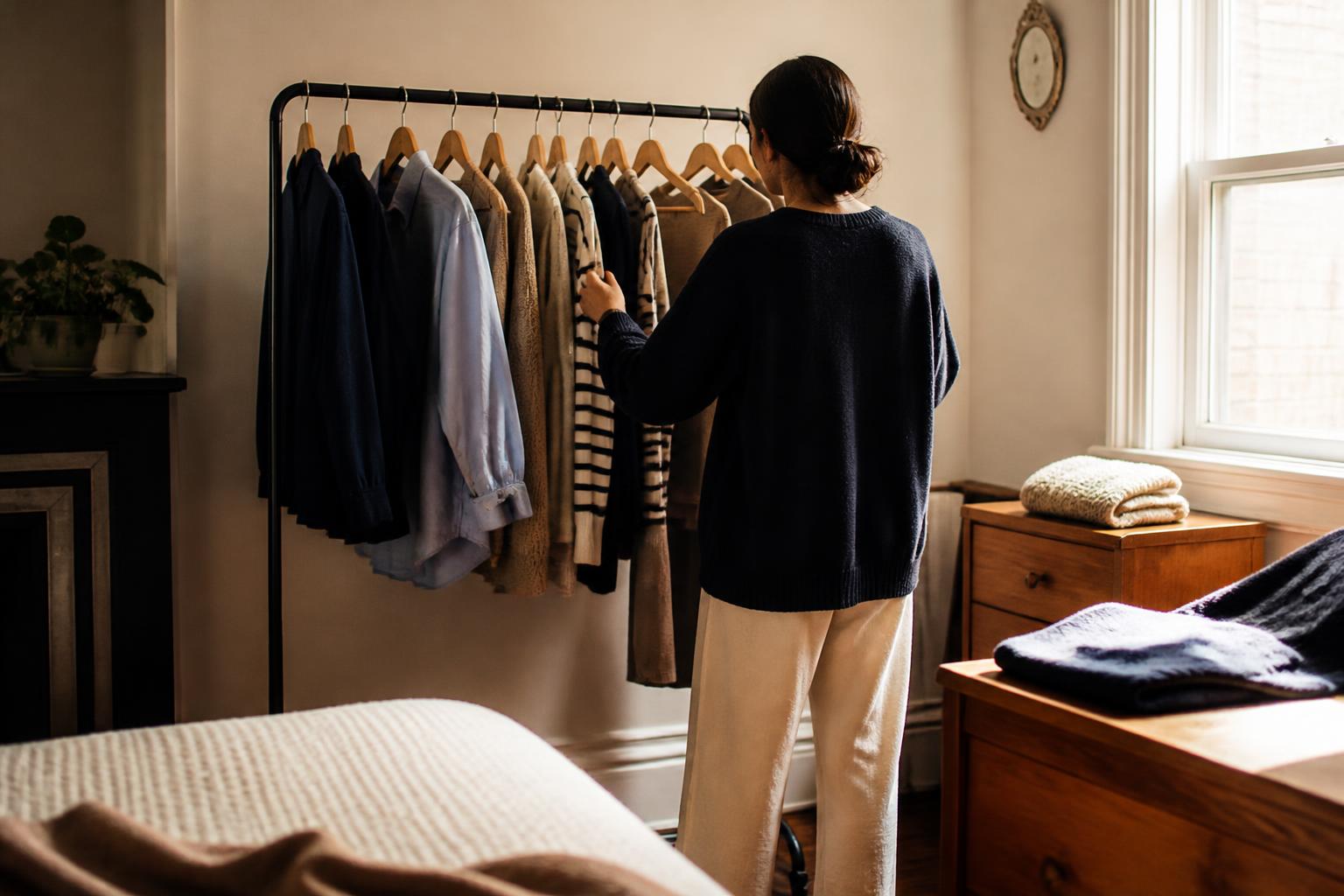
Good fabric care is not about buying a shelf full of specialist products or treating every wash like a laboratory test. In a real wardrobe, it means doing the least that is needed to keep clothes clean, presentable and structurally sound. Often that means washing less often, using lower temperatures, drying with more care, storing things properly and dealing with small faults before they become expensive ones.
That matters because most everyday wear does not fail all at once. Clothes usually wear out through a series of small stresses, fibres roughened by over-washing, elastane weakened by heat, knitwear stretched on hangers, hems left loose until they fray, stains left to set, and zips or seams ignored until the garment is awkward to save. A sensible fabric care routine helps you keep clothes wearable for longer without turning laundry into a full-time hobby.
What fabric care actually means in a real wardrobe
When we talk about fabric care, we mean the full set of decisions that affect how long a garment stays wearable. Washing is part of it, but only part. So are airing, brushing, stain treating, drying, ironing, steaming, storing and mending.
In practice, good care starts with recognising that not every item needs a full wash after every wear. A wool jumper worn over a shirt may only need airing. A coat may need brushing and spot cleaning. Jeans may benefit from fewer washes and more local cleaning, provided the care label allows it and they are not genuinely dirty. A gym top worn next to skin is a different matter and usually does need prompt washing.
The aim is to remove dirt, sweat, odour and marks without putting the garment through unnecessary stress. Every full wash creates friction. Every hot cycle and hot dryer puts pressure on fibres, dyes, trims and elastic components. Every poor storage choice can distort shape. Fabric care is really about matching the treatment to the garment and the actual problem.
It also includes repair, and earlier than many people think. A missing button, loose hem, dropped stitch, thinning inner thigh or small hole at a pocket edge are all worth dealing with quickly. Left alone, they tend to spread under normal wear and repeated washing. A five-minute fix now is often what keeps an item in use for another year.
If you are trying to make an everyday wardrobe work on a budget, this matters beyond laundry. The more wears you get from each item, the better value it becomes. We cover that in more detail in our guide to what your clothes really cost to wear.
How to read care labels without guessing
The care label is the starting point, not a suggestion to ignore unless something goes wrong. In the UK, clothing sold with textile fibre content should carry clear information, and care instructions are the practical part that tells you what the maker believes the garment can tolerate. If you are between two choices, the label should usually win.
The main symbols are straightforward once you know the basics.
A tub symbol covers washing. If it shows a temperature, such as 30 or 40, that is the maximum wash temperature. A hand in the tub means hand wash only. A crossed-out tub means do not wash, which usually means dry clean only or specialist cleaning.
A triangle covers bleaching. Most people can ignore this because routine household bleach is too harsh for many clothes anyway. If the triangle is crossed out, avoid bleach completely.
A square covers drying. A square with a circle inside refers to tumble drying. Dots indicate heat level. If the symbol is crossed out, do not tumble dry. A plain square may include lines that indicate line drying, drip drying or drying flat. Drying flat matters especially for knitwear, because hanging it wet can pull it out of shape.
An iron symbol covers ironing temperature. One dot is cool, two is medium, three is hot. A crossed-out iron means do not iron. That often applies to coated fabrics, some synthetics and certain trims.
A circle covers professional cleaning. Letters inside the circle are for dry cleaners or wet-cleaning professionals rather than home use. For most readers, the practical point is whether professional cleaning is allowed or required.
Wording matters too. “Wash with similar colours”, “reshape while damp”, “wash inside out” and “iron on reverse” are not filler. They usually point to a known risk, such as dye transfer, shrinkage, surface abrasion or shine marks.
If a garment has mixed materials, follow the instructions for the most delicate component. A cotton shirt with a fused collar, contrast trim or embroidered detail may need gentler treatment than plain cotton would suggest. Likewise, a blazer with wool in the shell and viscose in the lining is not just “a wool item”.
If labels puzzle you, use a proper symbol guide rather than guessing. Our walkthrough on how to read washing symbols without ruining clothes and our guide to reading clothes care symbols without ruining favourites break down the common markings in plain English.
How often should you wash different clothes?
There is no universal timetable, because washing frequency depends on skin contact, sweat, weather, activity and fabric. Still, a few practical rules help.
Items worn next to skin usually need the most frequent washing. Pants, socks, tights, most gym wear and base layers generally need washing after one wear. T-shirts and fitted tops often do too, especially in warm weather or if you perspire easily.
Shirts and blouses vary. If you wear a vest underneath and have not been particularly active, you may get more than one wear before washing, especially with looser styles. Check the collar, cuffs and underarms rather than washing automatically.
Jumpers, cardigans and overshirts can often go several wears if they are layered over other clothing. Airing them after use is often enough between washes. Wool is especially good at this, as it tends to hold less odour than many synthetics. Spot clean small marks promptly so they do not force a full wash earlier than needed.
Jeans do not usually need washing after every wear unless they are stained, stretched out beyond recovery or have picked up odour. Airing, brushing and local stain treatment often buy more time. That said, if denim is worn in hot weather, on long commutes or close to the skin, it may need washing sooner.
Tailoring, coats and jackets are often over-cleaned. Many only need brushing, airing and occasional pressing between professional cleans. Frequent dry cleaning can be hard on some garments, especially where interfacing, padding and delicate finishes are involved.
Nightwear depends on season and use. Pyjamas worn in winter after a shower may last several nights. Summer sleepwear or anything worn during illness usually needs more frequent washing.
Children’s clothes, work uniforms and sports kit are their own category because they face heavier soiling. Here, practical hygiene and visible dirt matter more than idealised low-wash advice.
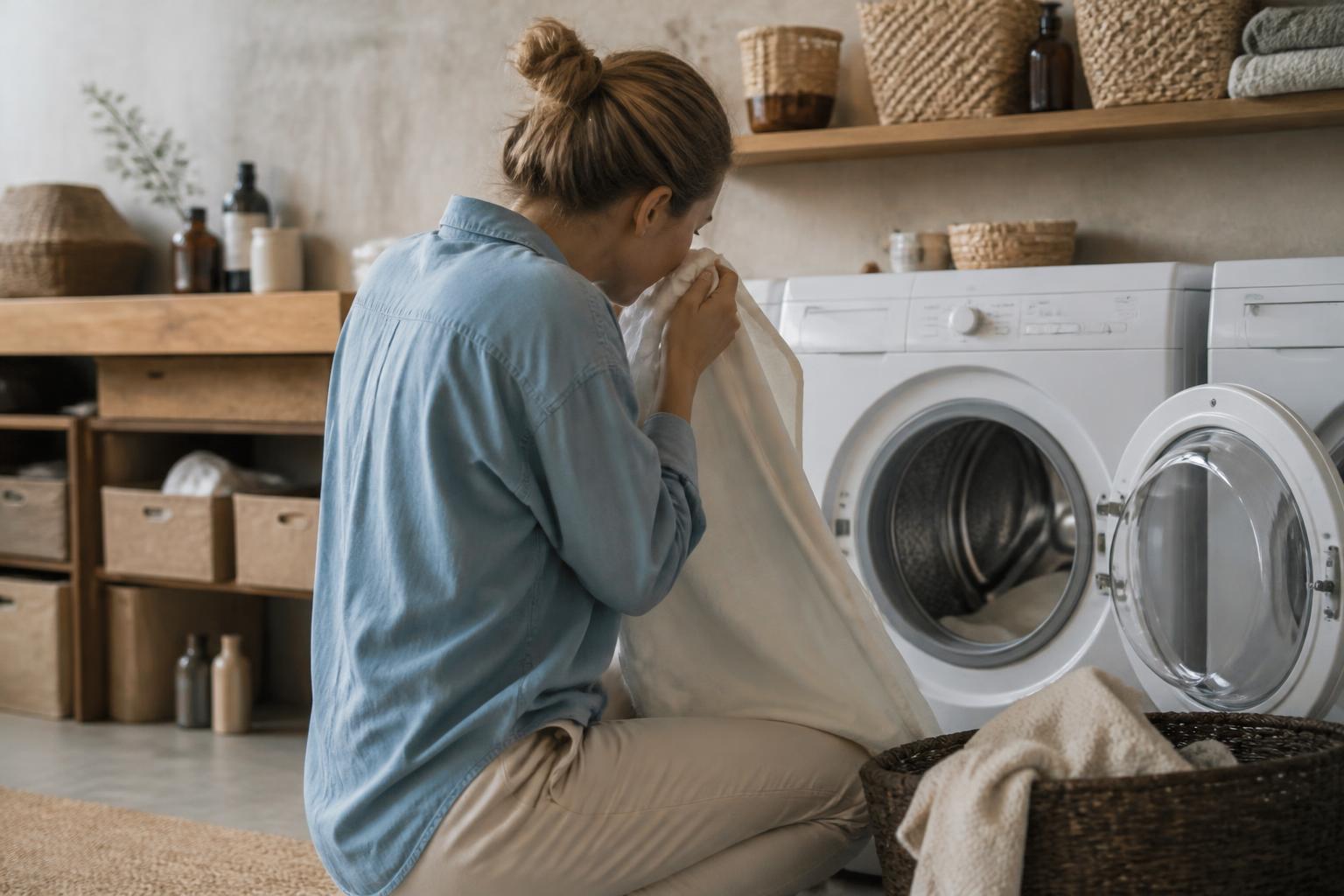
Airing is underrated. Hanging a garment somewhere with moving air, out of direct harsh sunlight, can help moisture and odour dissipate. Spot cleaning is also worth learning. A dab of diluted detergent or suitable stain treatment on a cuff, neckline or small spill can save the rest of the garment from an unnecessary wash. The key is to act early and test first on an inconspicuous area.
Washing and drying steps that prevent the most damage
The routine that protects clothes best is simple, but it does rely on reading the label first.
Start by sorting properly. Separate lights, darks and reds or strong colours if they may bleed. Also separate by fabric weight and surface. Heavy items like jeans, sweatshirts and towels create more abrasion in the drum than shirts, blouses and knitwear. Washing a delicate viscose top with a load of rough cottons is often where pilling and surface wear begin.
Fasten zips, close hooks, empty pockets and turn suitable garments inside out. Inside out washing helps protect colour and surface finish, especially on denim, printed tops and darker items. Use a mesh bag for bras, tights and delicate pieces with straps or lace.
Choose the lowest effective temperature allowed by the care label. For many everyday garments, 30°C is enough for routine washing. Higher temperatures may be useful for heavily soiled items, towels or some bedding, but they are not automatically better for clothes. Heat can shrink natural fibres, weaken elastane and set some stains if used too early.
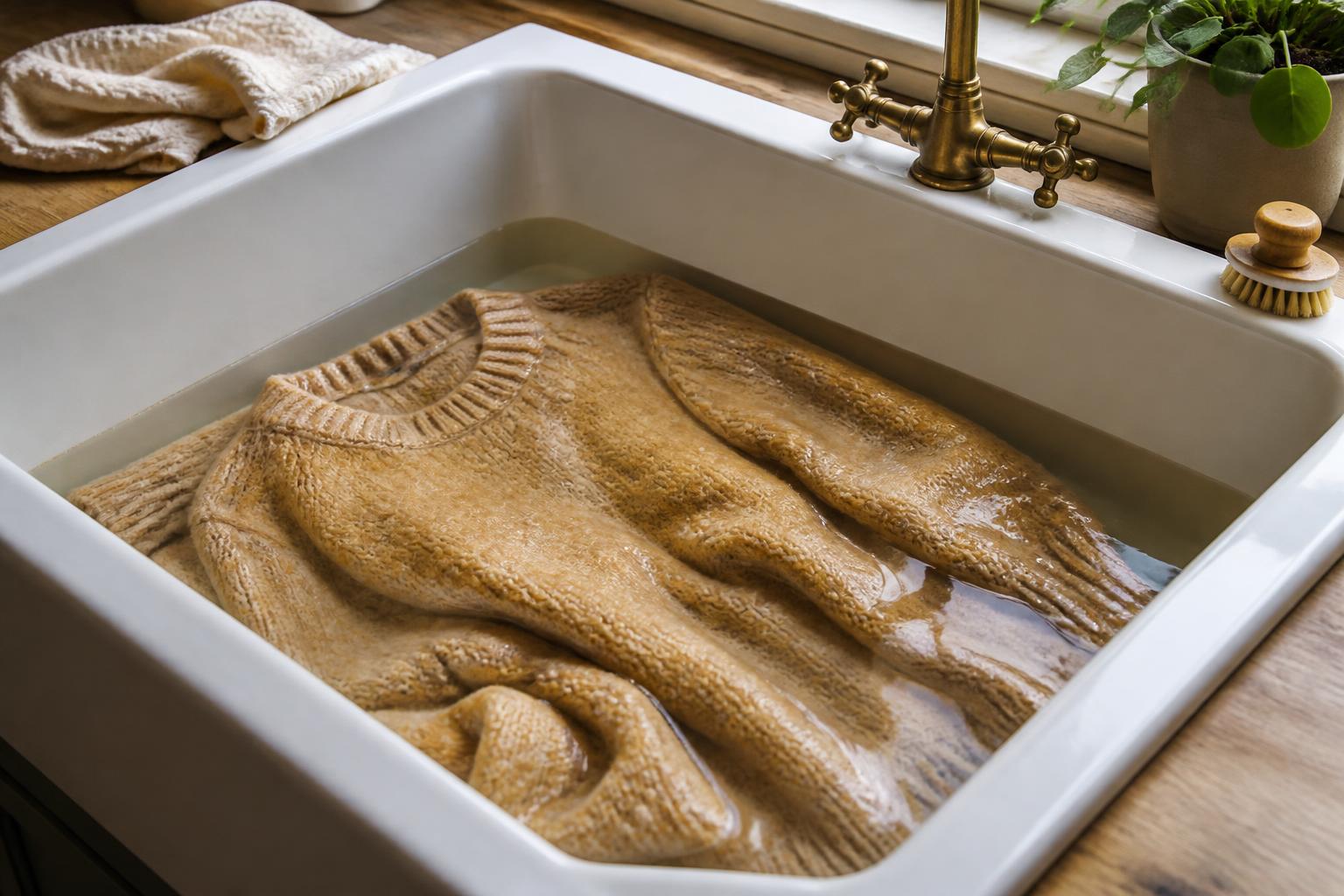
Use detergent sparingly and choose it for the load, not for marketing claims. Too much detergent can leave residue that dulls fabric and makes rinsing harder. Biological detergents are often effective on everyday body soils and food marks, but they may not suit every delicate fibre. Wool and silk usually need a detergent intended for those fibres if the label allows home washing at all.
Spin speed matters more than many people realise. A very high spin can reduce drying time, but it also creases shirts more sharply and can stress delicate fabrics. For sturdy cottons, a higher spin may be fine. For viscose, silk, wool and many dresses or shirts, a gentler spin is usually safer.
Treat stains before washing, but avoid random internet mixtures. Check the fibre content, test first and do not rub aggressively. Blotting and patient treatment are less damaging than scrubbing.
Drying is where a lot of avoidable damage happens. Tumble drying is convenient, but it is hard on elastane, some prints, adhesives, waterproof finishes and many knits. If the label says do not tumble dry, believe it. If it allows tumble drying, use the lowest heat that gets the job done. Overdrying is unnecessary wear.
Air drying is often the safer default, but the method matters. Reshape knitwear and dry it flat if the label suggests this. Hang shirts and dresses neatly to reduce ironing. Avoid pegging delicate wet fabrics in a way that leaves marks or distorts seams. Keep clothes out of intense direct heat from radiators, which can cause stiffness, shrinkage or uneven drying.
Be especially careful with items containing elastane, common in jeans, leggings, fitted tops and bras. High heat shortens the life of stretch fibres quickly. If you have ever found that leggings bag at the knees or waistbands lose recovery, repeated heat is often part of the reason.
In the UK, domestic care advice is largely label-led in the same way as elsewhere in Europe, but appliance programmes can vary in naming and temperature accuracy. “Eco” settings, for example, may use lower temperatures but longer cycle times. That can be useful, but it is not automatically the gentlest option for every fabric. Check what your machine actually does rather than relying on the programme name alone.
Storage and small repairs that stop clothes wearing out early
Storage has a direct effect on shape, creasing, moth risk and how quickly clothes become “nothing to wear” items.
Knitwear should usually be folded, not hung. Hanging stretches shoulders and can lengthen the whole garment over time. Clean knitwear before storing it for a season, because moths are attracted to residues on natural fibres, not just the fibre itself. Store in a dry, clean space with enough airflow to avoid damp.
Tailoring benefits from proper support. Jackets and coats keep their shape better on broad, shaped hangers than on thin wire ones. Buttoning the top or middle button while hanging can help the front sit correctly. Do not overcrowd the rail, because crushed shoulders and deep creases are harder to recover than many people expect.
Denim is fairly forgiving, but it still benefits from being stored dry and fully aired after wear. Damp denim shoved into a laundry pile or cupboard can pick up musty odour and set creases in awkward places.
Seasonal items should be put away clean. Storing “just worn once” clothes with invisible body oils or food traces often leads to yellowing, odour or pest problems by the time you unpack them. Use breathable storage where possible. Plastic boxes can be useful in some homes, especially where damp or pests are a concern, but make sure garments are fully dry before sealing them away.
Shoe and bag care also affects clothes indirectly. Muddy soles, rough bag hardware and overfilled hooks can all damage hems, knits and linings stored nearby.
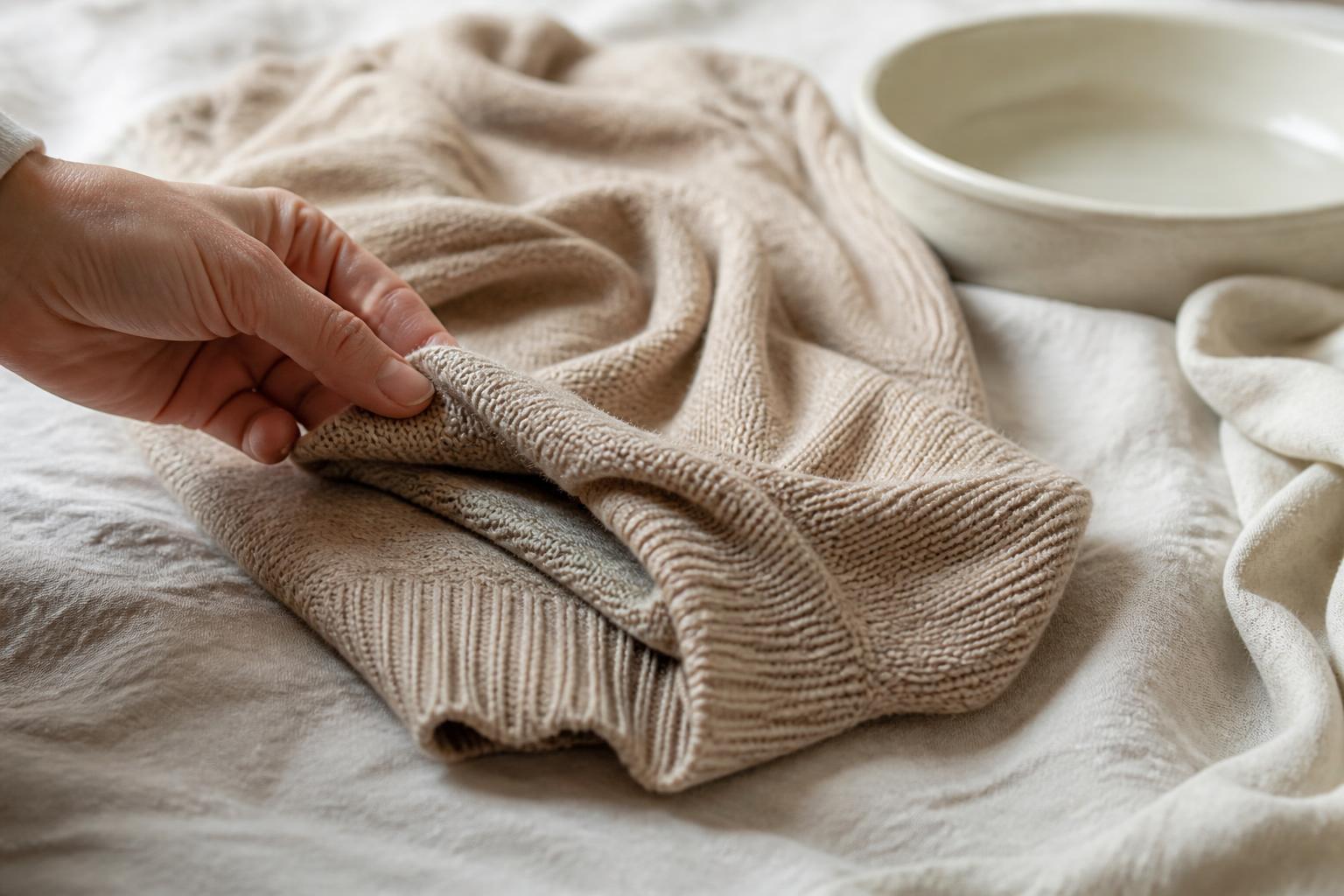
As for repairs, the best ones are often the smallest and earliest. Sew on loose buttons before the thread gives way completely. Restitch hems when they first start dropping. Reinforce a small seam split before it opens across a stress point. Deal with pilling gently before the surface becomes fuzzy and tired looking. Our guide on removing bobbles from jumpers without damaging the knit is useful here.
For holes, worn knees, thinning elbows or inner-thigh friction, patches and reinforcement can be more durable than waiting for total failure. If you are choosing materials for that kind of fix, our advice on repair patches that actually last will help you avoid short-lived solutions.
When fabric care claims need a closer look
Care products, detergents, laundry gadgets and garment brands often promise gentler cleaning, longer garment life or environmental benefits. Some claims are reasonable. Some are too broad to be useful.
Start by asking what exactly is being claimed. “Extends the life of clothes” is vague unless the brand explains how, on which fabrics, and compared with what routine. A detergent that works well at lower temperatures may indeed reduce heat-related wear, but that does not mean it prevents abrasion, shrinkage or colour loss in every context.
Look at the source. Is the claim based on the brand’s own testing, an independent standard, or broad marketing language with no method behind it? Brand testing is not automatically worthless, but it does have limits. If the comparison was done on one fabric type, one stain type or one machine setting, that does not tell you everything you need for a mixed real-life wardrobe.
Watch for scope. A laundry bag that reduces snagging for delicate items may be genuinely helpful, but it will not compensate for an unsuitable wash temperature or a hot tumble dryer. A spray marketed as “refreshing” may reduce odour temporarily, but it is not a substitute for washing items that need proper cleaning.
Environmental claims deserve the same scrutiny. Lower-temperature washing can reduce energy use, and washing less often can reduce wear and resource use, but only where it is hygienically and practically appropriate. “Eco” does not mean “safe for every fabric” and “natural” does not mean non-damaging. Vinegar, bicarbonate and essential oils are frequently recommended online as universal fixes, but they are not universal. Repeated use can affect some materials, finishes or machine components.
Be realistic about limits. No detergent can stop cheap elastane from eventually losing recovery. No miracle wash ball will undo poor-quality dye or weak seams. Good fabric care can slow wear dramatically, but it cannot turn every garment into a ten-year investment.
The most reliable approach is still the least glamorous one. Read the label. Wash only when needed. Use a suitable detergent and temperature. Dry with care. Store clothes in a way that supports their shape. Repair small faults early. Those habits do more for garment life than most dramatic product claims ever will.
A workable wardrobe does not need perfection. It needs routines that are easy enough to keep. If your care habits help clothes stay comfortable, presentable and in rotation for longer, then they are doing the job.

Questions about this article or a correction to suggest? Get in touch. Read more about our editorial approach.