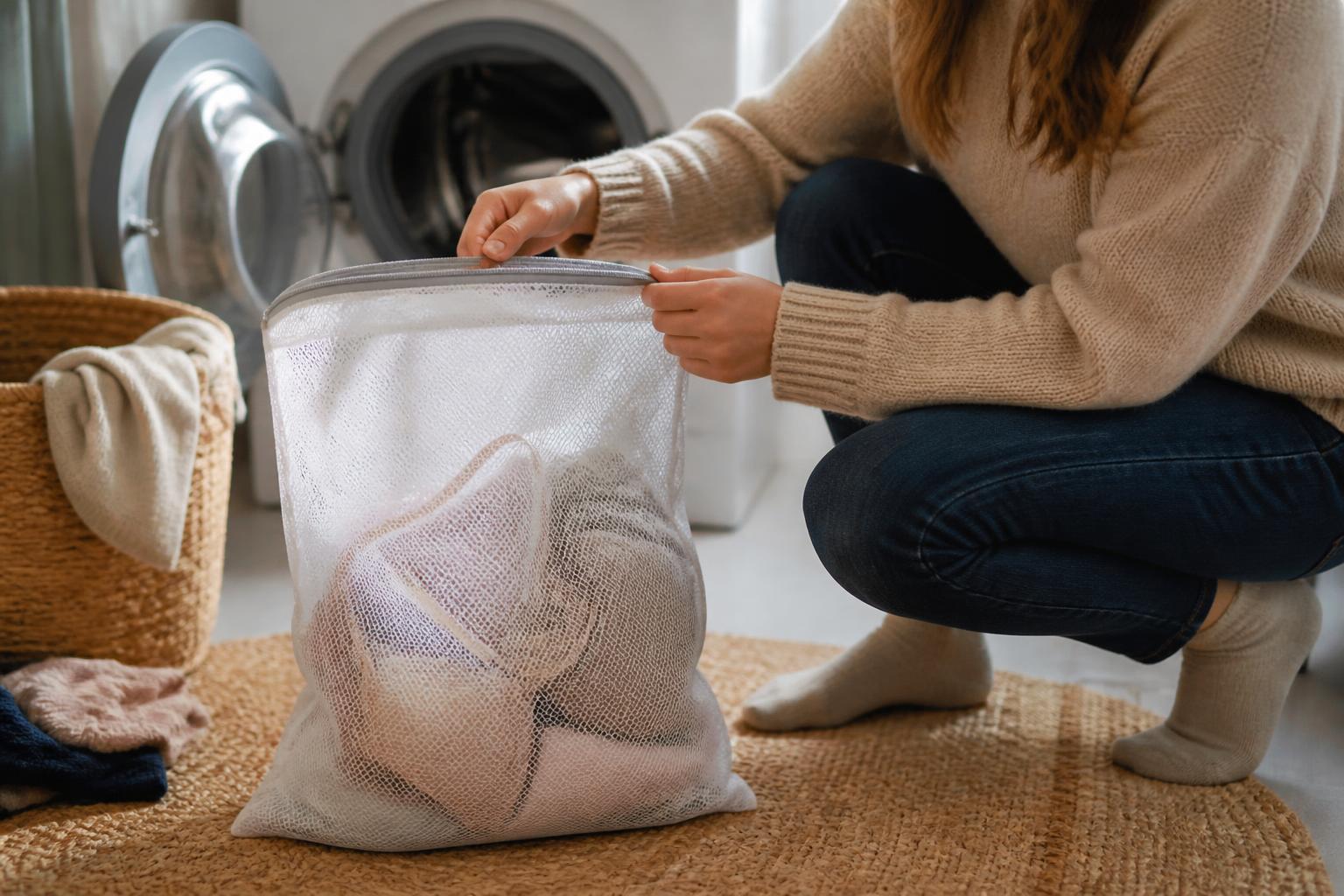
If you want the short answer, the best protection usually comes from a fine mesh bag that is the right size for the item, has smooth seams, and a zip with a proper guard. That combination helps reduce rubbing, stops straps and hooks from catching, and keeps small pieces from disappearing into the drum seal or filter. It does not make every “delicate” safe for a normal wash, and it will not rescue a garment that already needs hand washing, a wool cycle, or no machine wash at all.
For most wardrobes, mesh laundry bags for delicates are worth using for a small group of repeat offenders, bras, tights, fine knitwear, silky camisoles, and anything small enough to get twisted up with heavier clothes. The useful question is not whether a bag is “good” in general. It is whether that specific bag gives enough protection for that specific garment without stopping it from getting properly clean.
What this article covers that a general fabric-care guide does not
A general care guide tells you what the symbols mean, when to choose a delicate cycle, and why temperature matters. That is useful, but it does not answer the more annoying real-life question, which is whether a laundry bag actually changes the outcome.
Here, we are looking at what mesh bags do for common problem items in an ordinary UK wash routine. That means bras whose straps knot around everything else, tights that snag if they so much as look at a zip, knitwear that pills from friction, silk-like fabrics that scuff, and small items that vanish into duvet covers or settle in the rubber door seal.
Those categories do not all need the same kind of bag. A padded bra does not need what a pair of 15 denier tights needs. A loose, lightweight knit often does better in a roomy bag than a tight one. A slippery camisole may need separation from hooks and textured fabrics more than it needs heavy-duty containment.
That is also why broad packaging claims such as “ideal for delicates” are not much help. A bag can be technically suitable for a delicate wash and still be wrong in practice because the mesh is too open, the seams are scratchy, or the bag is so cramped that the garment rubs against itself and comes out poorly cleaned.
When a mesh bag helps and when it will not save the garment
A mesh bag helps most when the risk comes from contact and movement inside the machine.
The first risk is abrasion. In a mixed wash, delicate fibres rub against denim seams, towelling loops, buttons, zips, and rougher cottons. A mesh bag creates a barrier, so the item is still washed in water and detergent but has less direct scraping against the rest of the load. This is often enough to reduce pilling on fine knits and surface wear on satin-feel polyester, viscose blends, and lightweight jersey.
The second risk is tangling. Bra straps, vest straps, and drawcords can wind themselves around other items during the wash and spin. Once that happens, the twisting force can distort the garment, stretch straps, and put strain on stitching. A bag limits how far those parts can travel.
The third is snagging. Hooks on bras, sharp zip edges, and even rough labels can catch tights, lace, and open-knit fabrics. Fastening hooks before washing helps, but putting the item in a bag gives another layer of protection.
The fourth is item loss. Baby socks, bra pads, reusable face pads, and other small pieces are notorious for getting trapped in fitted sheets, duvet covers, trouser legs, or around the machine seal. A bag solves that very neatly.
What a mesh bag does not do is remove the basic stress of machine washing. The drum still turns. The spin still pulls water through the fabric at speed. Detergent still acts on the fibres. If the care label says hand wash only, or if the garment is made from something that reacts badly to agitation, a bag is not a loophole.
That matters most with these categories:
- Wool and cashmere that felt or shrink with agitation
- Structured bras with moulded cups or underwires that can warp
- Very loose knits that stretch out of shape when wet
- Silk, if the label does not allow machine washing
- Embellished items with beads, sequins, or glued trims
- Anything already fragile at the seams
For those, lower spin or hand washing is often the safer choice. Sometimes the right answer is not “use a better bag” but “wash less often, spot clean, air between wears, and avoid the machine altogether”.
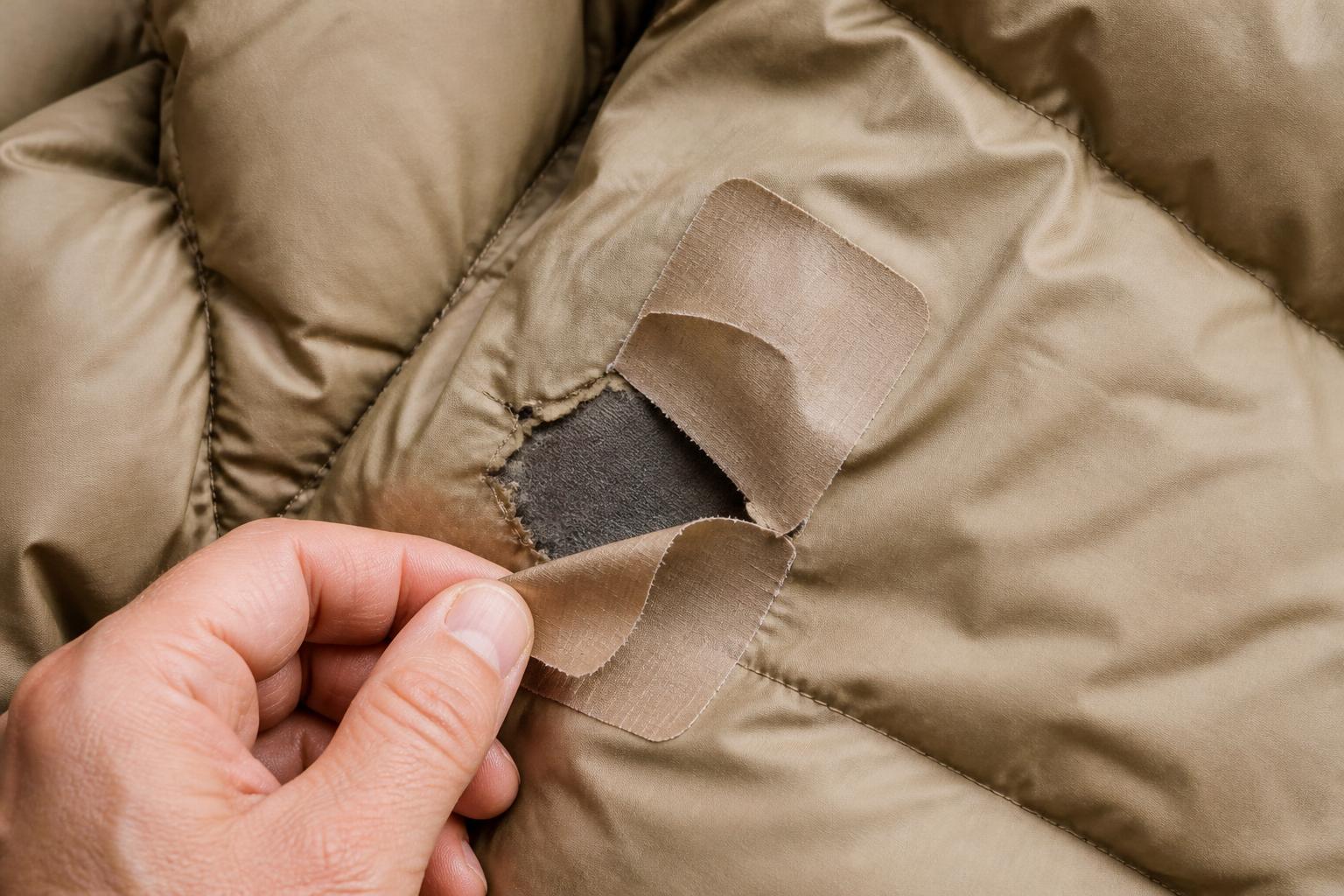
If you are trying to keep a favourite item going for longer, it is also worth being realistic about repair. A bag can prevent some damage, but once fabric has snagged or thinned badly, washing more carefully will not reverse it. In that case, our guide to when clothing repair tape works and when it lets you down helps you judge whether a quick fix is useful or just temporary mess.
The four features that make the biggest difference
When we are choosing between bags, four construction details matter far more than branding.
1. Mesh density
This is the big one. A coarse mesh lets in more friction from neighbouring items. A finer mesh gives better protection, especially for lace, tights, and silky fabrics. The trade-off is that if the mesh is extremely dense, water and detergent movement can be slightly less effective, particularly in an overfilled machine.
For most delicates, a fine but flexible mesh is the sweet spot. You should be able to see through it, but the holes should not be large enough for hooks, lace edges, or fine yarns to poke through easily.
2. Bag size
A bag should not be packed tight. Clothes need room to move in water, and a cramped bag creates its own friction. At the same time, a huge bag for one tiny item means more flinging about than necessary.
As a rule, the garment should sit comfortably in the bag with some space around it. For bras, enough room for the cups to keep their shape matters more than making the bag as small as possible. For lightweight knits, a medium or roomy bag often works better than a snug one because it reduces crushing and distortion. For very small items, a smaller bag stops them collecting in one corner and twisting around themselves.
3. Seams
Cheap bags often fail at the seams before the mesh itself wears out. Thick, rigid seam allowances can also rub against the garment inside. We look for seams that are neat, flat, and fully enclosed, with no scratchy overlocking ends exposed on the inside.
This sounds fussy, but it matters if you are washing tights, lace, or smooth synthetic fabrics that mark easily. If the inside of the bag feels rough to your fingertips, it is not likely to be kind to a delicate finish.
4. Zip guards
A zip without a proper guard is one of the most common weak points. During the cycle, the zip pull can knock against the drum or catch on other items if it works loose. A covered zip end or elasticated guard pocket keeps it tucked away.
We would not bother with drawstring bags for true delicates. They are more likely to loosen in the wash, and the cord itself becomes another thing to tangle.
Best bag type for bras, tights, knits and slippery fabrics
Different items need different levels of structure and separation.
Bras
For everyday bras, especially those with hooks, straps, lace, or light padding, use a fine mesh bag with enough room for the cups to sit without folding hard against each other. Fasten the hooks first. If you wash several bras together, it is usually better to use more than one bag rather than stuffing them all into one.
Moulded or underwired bras are where expectations need adjusting. A bag reduces tangling and abrasion, but it does not stop cup edges from being crushed in a packed drum or underwire channels from being stressed in a fast spin. If the bra was expensive, hard to fit, or already showing strain, a hand wash is often the better call.
Tights and hosiery
Tights need the finest mesh in the smallest practical bag, ideally washed separately from anything with hooks or textured trims. This is one category where separate bags are genuinely useful. One pair of tights in with a bra, even in the same bag, is asking for trouble.
Do not overfill the bag with several pairs unless they are robust opaque tights and the wash is very light. Fine denier tights snag too easily.
Knitwear
Fine knitwear often benefits from a roomy mesh bag, not a tight one. The aim is to reduce rubbing against the rest of the wash while letting the garment lie with less twisting. If the knit is very soft or loosely structured, folding it neatly before placing it in the bag helps.
For wool, lambswool, cashmere, and similar fibres, the care label matters more than the bag. If machine washing is allowed, use the wool cycle and a low spin. If it is not, the bag is not enough protection. For readers trying to make fewer, better garments last, this matters just as much as what you buy in the first place, whether that is a work staple or something for travel. Our piece on building a travel wardrobe that fits in hand luggage touches on why easy-care fabrics often earn their place.
Slippery fabrics
By slippery fabrics, we mean satin-feel polyester, viscose camisoles, cupro blends, and similar items that scuff, twist, or catch easily. These often do very well in fine mesh laundry bags for delicates because the main problem is surface friction rather than absorbency.
A medium bag is usually better than a tiny one here. If the item has thin straps, tie closures, or metal adjusters, tuck them in as neatly as you can before zipping the bag closed.
Small items
Reusable cleansing pads, socks, detachable bra pads, handkerchiefs, and children’s accessories are less about “delicate” care and more about not losing them. A smaller mesh bag is ideal. Just do not let that convenience tempt you into throwing heavily soiled items into a tightly packed little pouch, because they may not come clean.
How to use a laundry bag without making washing less effective
A bag helps only if the rest of the wash routine makes sense.
First, do not overload either the bag or the drum. If the machine is packed, the bagged items get pressed hard against the rest of the load and the benefit is reduced. In front-loading machines, leave enough drum space for clothes to lift and drop. If everything is wedged in place, cleaning and rinsing both suffer.
Second, sort with some care. A mesh bag is not permission to wash delicates with rough towels, heavy jeans, or garments with exposed zips. Keep the whole load reasonably compatible. The bag is there to reduce stress within a sensible wash, not to make a chaotic one safe.
Third, fasten what can snag. Close bra hooks. Zip zips. Button sharp-edged buttons if they are likely to catch. This matters even inside the bag because garments can still rub against each other.
Fourth, choose the cycle for the garment, not for the bag. The bag does not replace the delicate or wool setting. If the item needs a lower spin, use one. High spin is often what leaves bras twisted, knits stretched, and silky fabrics creased and stressed.
Fifth, use the right amount of detergent. Too much can leave residue, especially if the bag is densely packed or the cycle is short and cool. Too little can mean body oils and deodorant build-up remain in bras and camisoles. Follow the detergent guidance for load size and water hardness, and remember that many UK homes are in hard water areas, which affects how products perform.
Sixth, remove items promptly at the end of the cycle. Leaving damp delicates bundled in a zipped bag encourages creasing and stale smells. Open the bag, reshape the garment, and dry it as the care label suggests. For knits, that often means drying flat. For bras, reshape the cups and avoid hanging by one strap.
Finally, watch for wear on the bag itself. If the mesh is torn, seams are roughening, or the zip guard no longer holds, replace it. An old bag with exposed edges can become the cause of the damage you were trying to prevent.
How to decide whether a bag is worth keeping in your wash routine
Not every item needs a bag, and using one for half your wardrobe quickly becomes fiddly enough that you stop bothering. The better approach is to identify the clothes that are expensive to replace, awkward to repair, or repeatedly damaged in ordinary washing.
Ask four practical questions.
Is the item costly or annoying to replace?
This does not have to mean designer. A well-fitting bra, a decent merino top, or a good pair of tights can be surprisingly inconvenient to replace even if the ticket price was modest. If you know you will resent replacing it, that is a point in favour of bagging it.
Does it wash often?
An item worn and washed every week faces far more cumulative wear than an occasional blouse. Repeated low-level abrasion adds up. For high-rotation delicates, a bag often earns its keep simply by reducing that steady attrition.
Is the likely damage repairable?
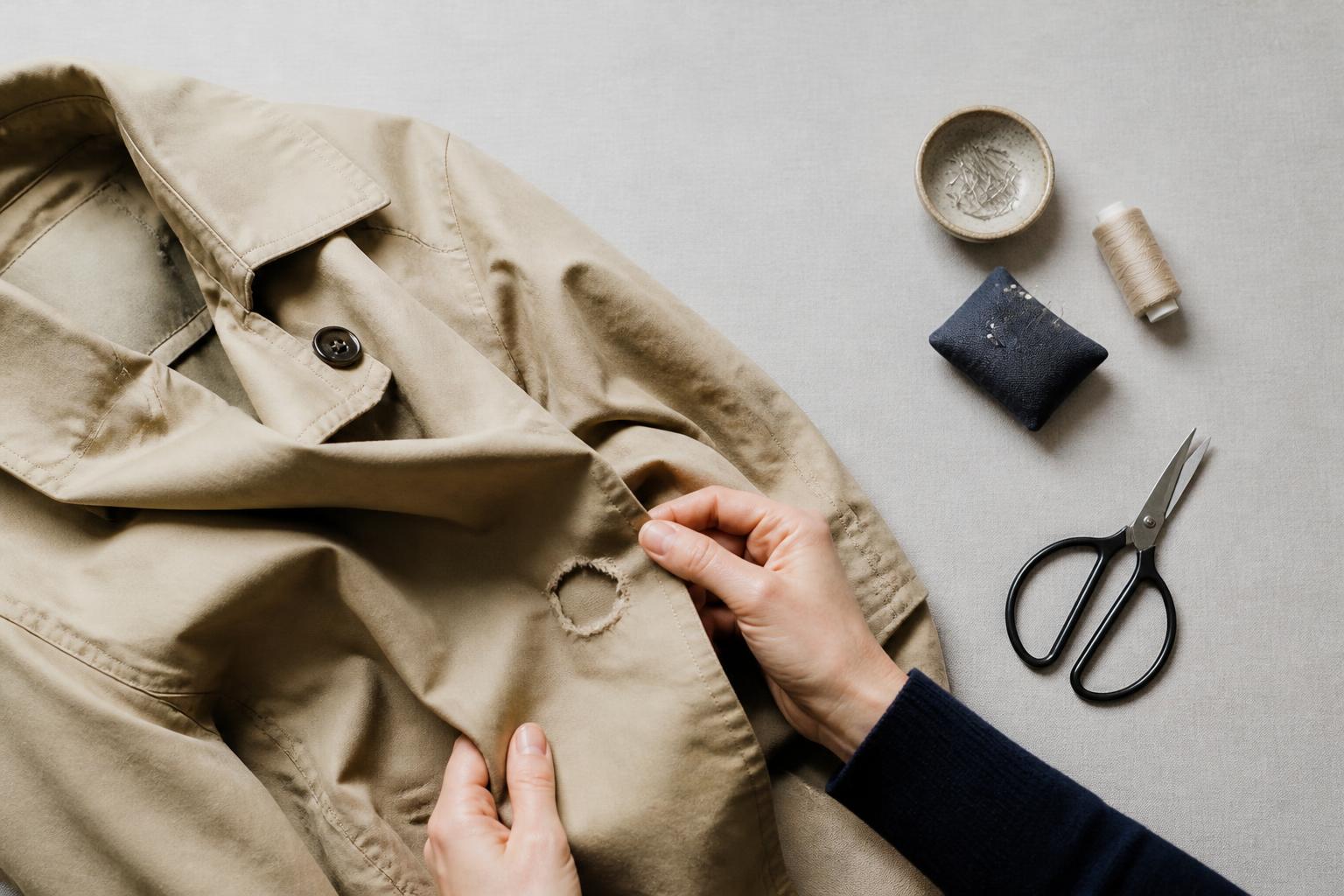
A popped stitch is manageable. A snagged tight, felted knit, or warped bra cup is not. If the common failure mode is hard to fix, prevention matters more. And if you do end up with damage worth mending, our guide to finding a clothing repair shop that’s worth the trip can help you decide what is realistic to repair professionally.
Does the item actually benefit from machine washing in a bag?
Some garments are better washed less, aired more, and handled gently by hand when needed. If you are only using a bag to justify machine washing something the label clearly discourages, the bag is not solving the real problem.
For many wardrobes, the answer is to keep one or two good bags in regular use rather than a whole collection. A fine mesh medium bag and a smaller one for hosiery and tiny items will cover most needs. That is usually enough to protect the things most prone to wear without turning laundry into a project.
The same principle applies across wardrobe care more broadly. The useful tools are the ones that fit real habits and save real hassle, not the ones that sound virtuous in theory. It is the same reason we favour practical accessories in our guide to choosing bags that work harder in your wardrobe. If something makes everyday use easier and helps the item last, it is worth considering. If it adds fuss without much difference, it probably will not stick.
So, which laundry bag actually protects delicate clothes? The one with fine mesh, smooth seams, a secure zip guard, and enough room for the garment to move without getting battered. Use it for items that are vulnerable to rubbing, snagging, tangling, or disappearing. Do not expect it to overrule a care label, and do not use it as a substitute for lower spin, gentler cycles, or hand washing where those are clearly needed. That is the version that works in a normal wardrobe, not just on the packet.

Questions about this article or a correction to suggest? Get in touch. Read more about our editorial approach.