If you are asking whether recycled polyester is better than polyester, the short answer is, usually for raw material impact, yes. For how a garment wears, washes and feels day to day, not necessarily. Recycled polyester is still polyester. It often starts life as existing plastic, most commonly used PET bottles, then gets processed into fibre. Virgin polyester starts from new fossil fuel feedstock. That difference matters, but it does not automatically make the finished garment longer lasting, easier to care for or the better buy.
For a working wardrobe, we find it more useful to split the question in two. First, what does recycled polyester change in environmental terms? Second, what actually keeps a piece of clothing in use for years? Those answers overlap, but they are not the same. A flimsy top made from recycled polyester can still be a poor purchase. A well made second-hand polyester coat can still be the more sensible choice if it fits, suits your life and will be worn hard.
What recycled polyester actually changes
Recycled polyester and virgin polyester are both polyester fibres. In clothing, recycled polyester is usually labelled as recycled polyester, rPET, or simply polyester with a recycled content claim. The most common feedstock is post-consumer PET plastic, especially drinks bottles. It can also come from pre-consumer factory waste, old textiles, or a mix, though textile-to-textile recycling is still less common in everyday clothing than bottle-based feedstock.
The key change is where the raw material comes from. Virgin polyester is made from new petrochemicals. Recycled polyester uses existing material that is cleaned, broken down and remade into fibre. In practice, that can reduce demand for new fossil feedstock and make use of waste that already exists.
What stays the same is just as important. Once it has become fibre, recycled polyester behaves much like virgin polyester in wear and care. It is still a synthetic fibre. It still tends to dry quickly, hold its shape well, resist creasing better than many natural fibres and cope with regular use. It can still trap odour, build static, melt under high heat and shed microfibres in washing.
That means a care label that says recycled polyester does not tell you everything you need to know. Two jumpers can both be 100 per cent recycled polyester and perform very differently because the yarn, knit, thickness and finishing are different. The same goes for a school sports top, a fleece and a blouse. The fibre name gives you one piece of the picture, not the whole garment.
It is also worth knowing that labels can be broad. “Made with recycled polyester” may mean all of the polyester content is recycled, or only part of it. If the exact percentage matters to you, look for the fibre composition on the care label and any separate recycled content statement on the swing tag or product page.
Is recycled polyester better for the environment?
Within a narrow comparison of raw material sourcing, recycled polyester is generally the better option. It usually avoids some of the impacts tied to making virgin polyester from new fossil resources. That is the strongest and clearest case for it.
But “better for the environment” needs limits, because broad claims get messy fast. A fibre is only one part of a garment’s impact. Dyeing, finishing, transport, packaging, returns, washing frequency and lifespan all matter as well. If a recycled polyester top pills after six wears and sits unworn, its recycled content does not rescue it. If a second-hand polyester coat replaces the need to buy new at all, that can matter more than whether the original fibre was virgin or recycled.
There are also trade-offs. Most recycled polyester in clothing does not come from old clothes becoming new clothes. It often comes from bottles being turned into fibre. That does use existing material, but it does not mean the garment can easily be recycled back into clothing again. Mixed fibres, coatings, prints, elastane content and trims all complicate textile recycling.
Microfibre shedding is another limit. Recycled polyester and virgin polyester are both synthetic and can both release fibres during washing. Choosing recycled content does not solve that issue. What helps more is washing less often when appropriate, using shorter cooler cycles, avoiding overfilled rough washes, and keeping garments in good condition so they shed less through wear.
In the UK, you will also see a lot of general environmental wording on product pages. Some of it is fair, some of it is vague. Since the UK is no longer in the EU, consumer protection rules are not identical in every detail, though the broad principle is similar, brands should not mislead shoppers with environmental claims they cannot support. For us as readers, the practical takeaway is simple. Treat sweeping phrases like “eco”, “green” or “planet friendly” as marketing unless they are backed by something specific, such as recycled content percentage, a recognised certification, or a clear explanation of what has changed.
So, is recycled polyester better than polyester in environmental terms? Usually yes, if you are comparing the fibre source like for like. Is it always the better wardrobe choice? Not on its own. The most useful question is whether this exact garment is likely to stay in use, suit your life and avoid an early replacement.
What matters more than the fibre on a care label
We would not choose between two garments on fibre alone if one is obviously better made. Construction often matters more.
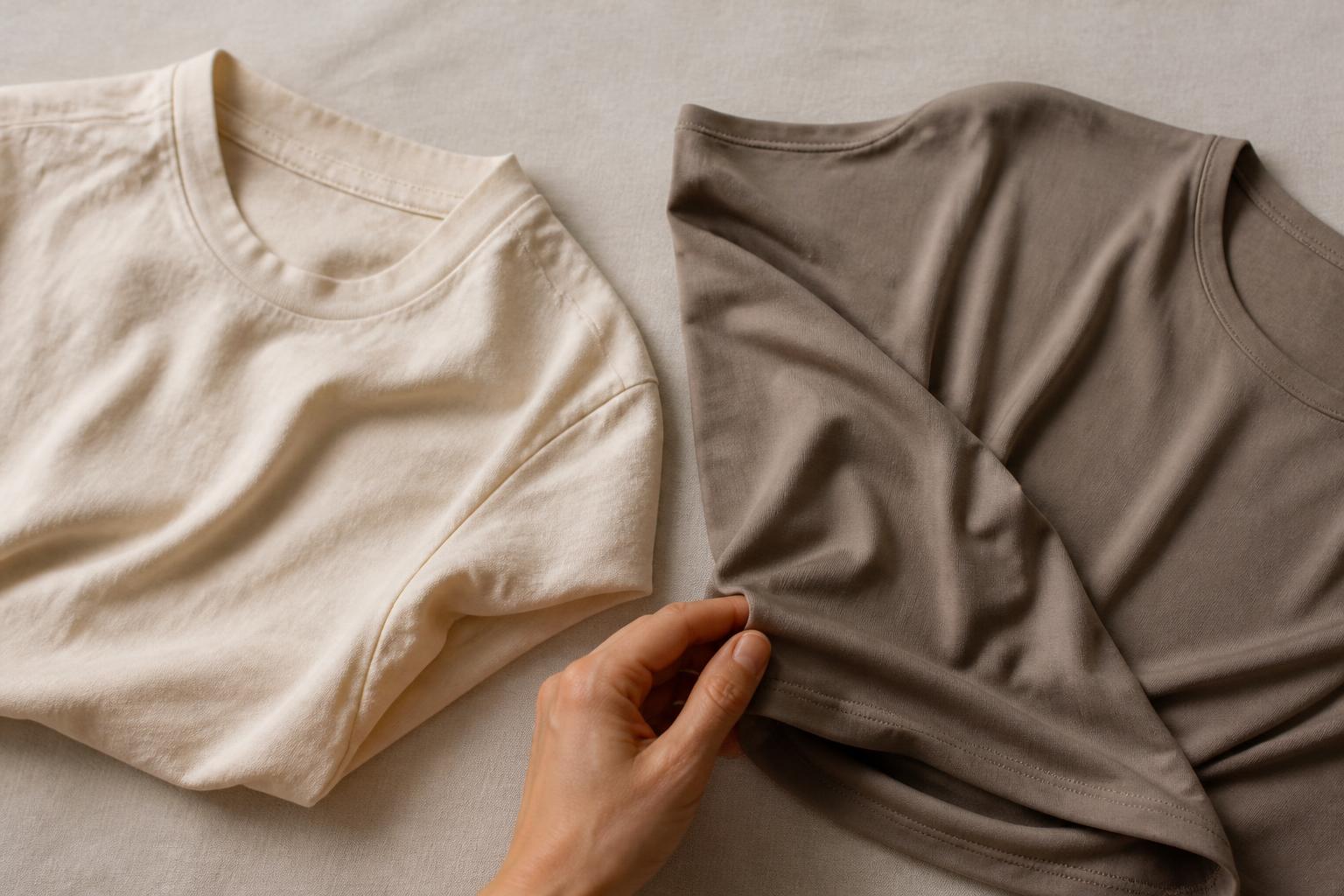
Start with thickness and handle. A denser jersey, a tightly woven lining, or a fleece with a firmer face will usually outlast a very thin, loosely made equivalent. Hold the fabric up to the light. Stretch it gently. If it already looks strained on the hanger, it is unlikely to improve at home.
Then check seams. Are they straight, smooth and properly finished? Are high-stress points reinforced? In activewear and outerwear, seam quality can matter more than whether the polyester is recycled. The same is true of zip quality, button attachment and the way elastic is inserted.
Blends matter too. Polyester mixed with cotton, wool, viscose or elastane will behave differently from 100 per cent polyester. A small amount of elastane can improve comfort and shape retention, but it can also limit repair and recycling options and may shorten the life of a garment if the elastic fibres fail before the main fabric does. A polyester-wool blend coat may wear beautifully. A polyester-heavy knit with a hairy surface may pill badly. You need the whole recipe, not just one ingredient.
Trims can decide lifespan. Cheap zips, glued hems, bonded seams, faux leather tabs and heat-transferred logos often fail before the main fabric. If a waterproof jacket has a good shell but peeling seam tape, the practical life of the jacket may be shorter unless you are happy doing repairs. If that is your sort of job, our guide on how to patch waterproof clothing without making leaks worse is a useful starting point.
Fit and intended use matter just as much. Trousers that are slightly too tight at the thigh or seat put constant strain on seams and fabric, whatever the fibre. A gym top worn for high-sweat sessions three times a week has very different demands from a blouse worn to the office. A coat for school-run rain needs different qualities from a smart overcoat for occasional city wear. We get longer wear from clothes when we match them honestly to real use.
This is one reason we often point readers back to the basics of wardrobe care that helps clothes last longer. Storage, rotation, washing habits and small repairs can add more life than a better sounding fibre claim.
How each fibre behaves in washing, drying and repairs
For day-to-day care, recycled polyester and virgin polyester should be treated much the same, unless the care label says otherwise. Always start there, because blends, coatings and finishes can change what is safe.
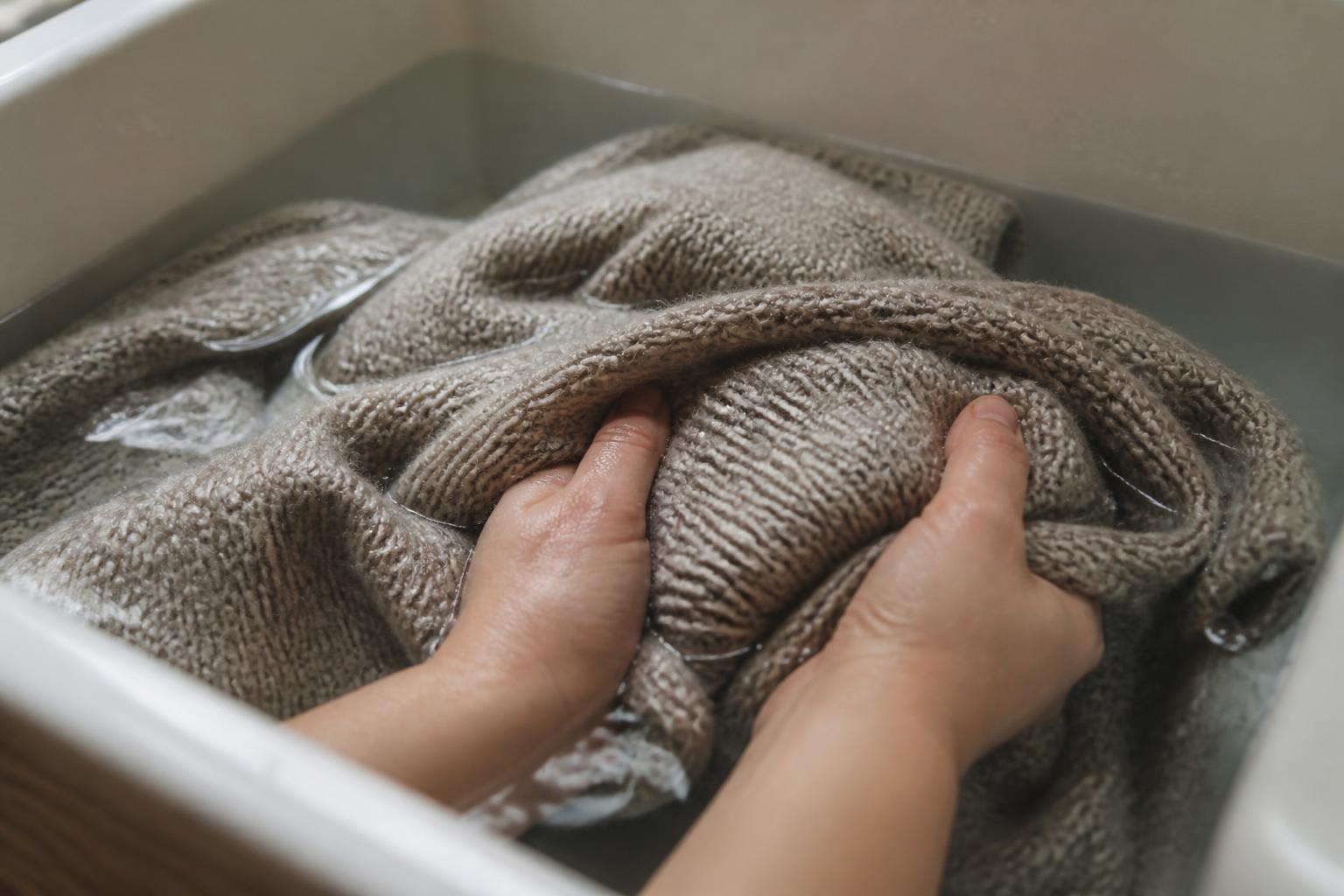
Odour is a common complaint. Polyester sportswear, recycled or not, can hold onto sweat smell more than cotton or wool. Washing promptly helps, but harsh heat usually does not. We get better results from turning garments inside out, using a normal amount of detergent, avoiding fabric conditioner on technical kit, and air drying thoroughly before storing. If a piece still smells after washing, a repeat wash is usually safer than throwing stronger products at it.
Heat is where polyester gets into trouble. High tumble dryer temperatures, hot irons and direct radiator heat can damage fibres, create shine, set creases awkwardly or even melt parts of the fabric. If you tumble dry, use the setting permitted on the label, often low. If ironing is allowed, use a cool setting and preferably a pressing cloth. Steam can help, but keep the iron moving.
Static is common, especially in winter and with lightweight linings, slips and dresses. Air drying rather than over-drying can help a bit. So can avoiding very dry storage conditions. Static is annoying rather than fatal, but it is part of the real-life wear difference some people notice.
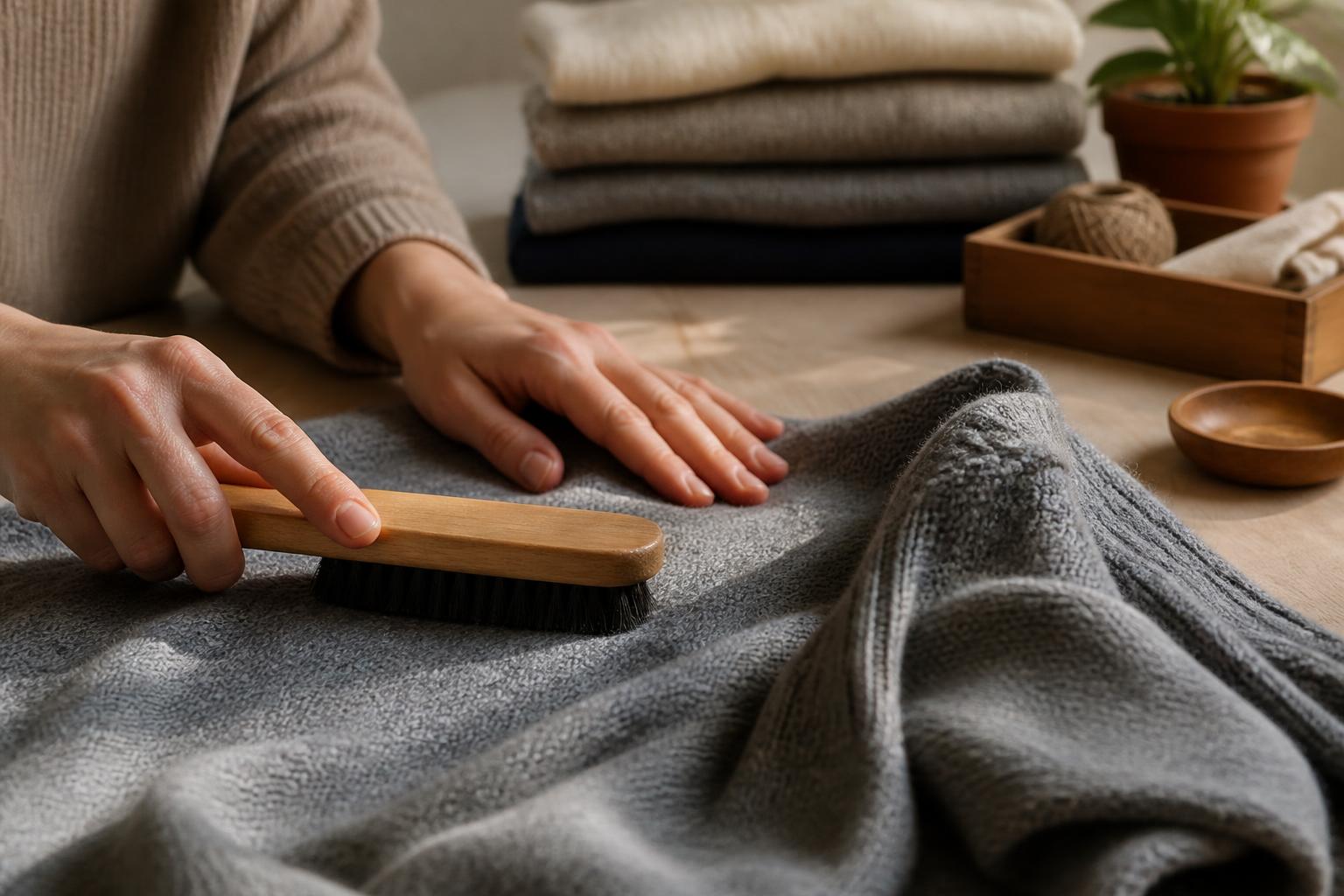
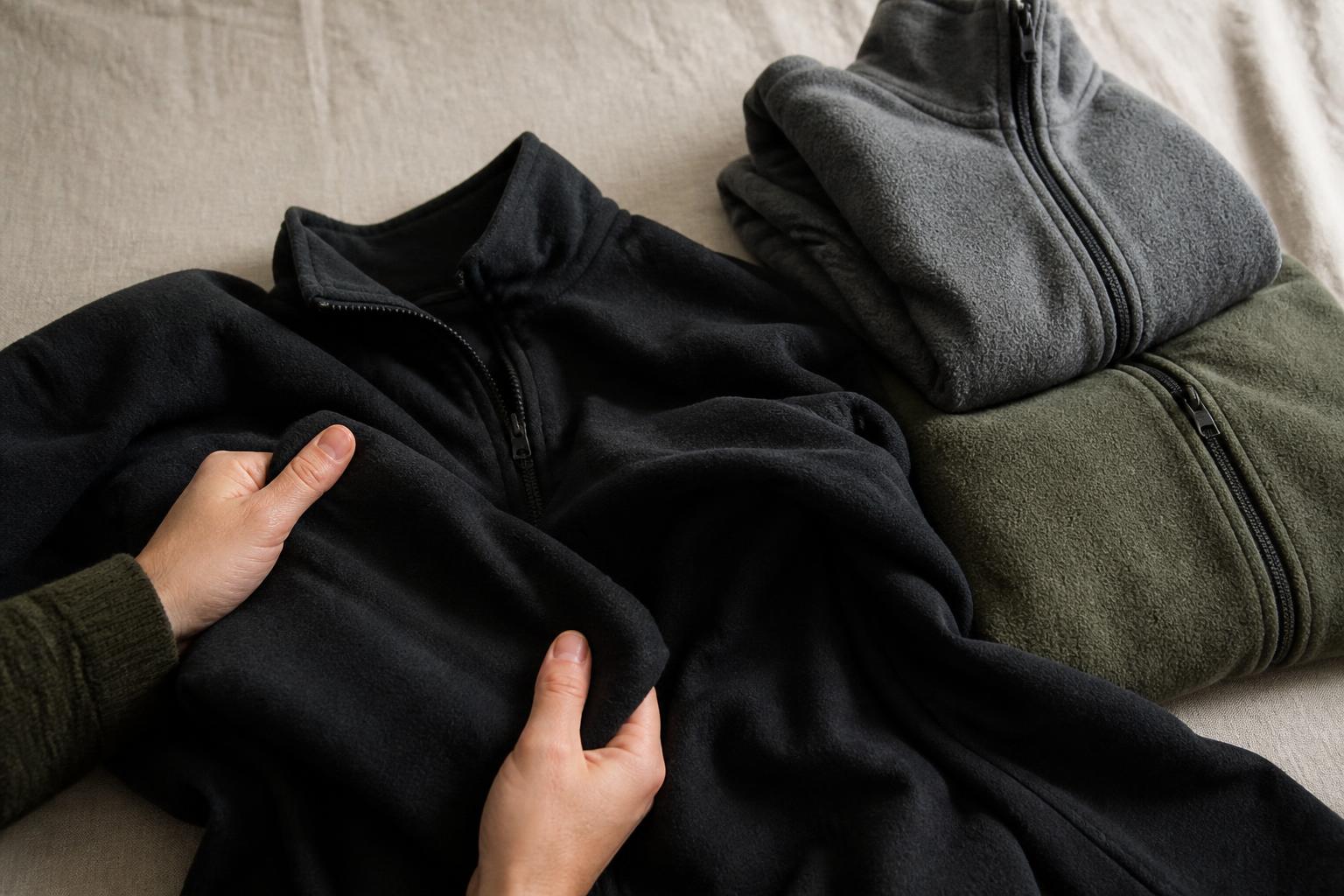
Snagging and pilling depend more on yarn and surface texture than on whether the polyester is recycled. Fleece, brushed knits and loosely knitted jumpers are more vulnerable. Bags, seatbelts, rough desks and Velcro make it worse. A fabric shaver can tidy pilling on some items, but go carefully around seams and thin areas.
Stain removal is usually straightforward if you act quickly. Oil-based marks can cling to polyester, so a washing-up liquid pre-treatment can help, followed by washing according to the label. Avoid random internet mixtures that may bleach colour or affect finishes. If the garment is garment-dyed or strongly coloured, colour loss can be as much of a risk as the stain itself. Our piece on what garment-dyed clothes mean for care and colour explains why two apparently similar items may not respond the same way.
Repairs are possible, but there are limits. Small seam splits, loose hems and missing buttons are usually worth fixing. Snags can sometimes be pulled through to the inside with a snag repair tool. Tiny holes in fine polyester blouses are harder to repair invisibly. Fleece can sometimes be patched neatly enough for casual wear. Waterproof and technical fabrics need more care because stitching can create leaks and some adhesives are better than others.
If a garment contains elastane, repair can become less rewarding once the stretch fibres have gone. You can mend a seam, but if the whole fabric has gone baggy or brittle, the useful life may already be near its end.
How to decide when buying new or second-hand
When buying new, read past the headline claim. “Sustainable”, “conscious” and similar wording tells you very little on its own. Look instead for specifics. Is the garment 100 per cent recycled polyester, or does it merely contain some? Is the claim about the shell fabric only, while the lining and padding are different? Are there coatings, bonded layers or lots of mixed trims that may affect wear and repair?
Then inspect the make. For online shopping, zoom in on the fabric surface, seams and fastenings. Read reviews for pilling, snagging, zip failure and sizing issues rather than star ratings alone. For in-person shopping, handle the fabric, test the zip, check if the garment twists, and look for spare buttons or repair information. A brand willing to tell you how to wash, reproof or mend something is often easier to live with than one selling a vague story.
For second-hand, condition matters more than fibre virtue. With polyester and recycled polyester alike, check underarms for lingering odour, the seat and knees for shine or thinning, and cuffs for abrasion. Look at zips, pocket corners and backpack rub points. On fleeces and knits, check pilling carefully. On waterproofs, inspect seam tape, peeling coatings and sticky linings. If you need help judging that category, our guide on how to choose waterproof clothing that lasts covers the signs we look for.
It is also worth checking whether the item suits your actual laundry routine. A top that needs careful cool washing and line drying may still be fine if that is how you already wash most things. If you know it will repeatedly end up in a hot mixed family load, be realistic. Clothes last longer when their care needs match the household they live in.
For value, think in wears, not just ticket price. We would rather buy one second-hand polyester coat in excellent condition that we will wear for five winters than two cheap recycled polyester jackets that never fit quite right. The lower-risk purchase is often the one that already proves itself in your wardrobe, not the one with the nicest wording on the tag.
So, is recycled polyester better than polyester? For reducing reliance on virgin raw material, often yes. For building a longer-wearing wardrobe, only if the garment itself is well made, right for the job, and likely to be used for a long time. That is the standard we come back to every time, whether we are buying new, buying second-hand, washing at home or deciding if something is worth repairing.

Questions about this article or a correction to suggest? Get in touch. Read more about our editorial approach.