If you want waterproof clothing that lasts, look past the headline claim on the swing tag and check how the garment is built. In practice, long-lasting rain protection comes from a combination of the outer fabric, the waterproof layer, taped seams, decent care instructions and a design that suits the job you actually need it to do. A very light jacket can be brilliant for occasional showers and still wear out quickly if you use it every day under a backpack.
The best choice is rarely the most technical or the most expensive. For most UK wardrobes, the right answer is a waterproof you will genuinely wear, can clean and reproof without fuss, and can repair when cuffs, zips or shoulders start to show wear. That matters more than buying the jacket with the biggest numbers printed on the label.
What makes a garment waterproof in practice
The first thing to separate is water-resistant from waterproof. Water-resistant clothing will shrug off a short shower or light drizzle. Waterproof clothing is built to stop rain getting through the fabric and seams for longer, usually with a membrane or coating and sealed construction.
Four parts do most of the work.
First, the face fabric. This is the outer textile you can see and touch, often polyester or nylon. It gives the garment its durability, weight and feel. A tougher face fabric generally copes better with daily wear, bag straps and repeated washing. A very thin shell may pack down neatly, but it can be more vulnerable to abrasion and tearing.
Second, the waterproof barrier itself. This is usually either a coating applied to the inside of the fabric or a membrane laminated to it. This layer is what stops liquid water passing through. If that barrier is damaged, worn through or badly made, the jacket will leak regardless of what the marketing says.
Third, seam sealing. Needle holes from stitching can let water in, so a truly waterproof jacket normally has taped seams on the inside. Fully taped seams matter most for sustained rain. If only critical seams are taped, or there is no mention of seam sealing at all, expect lower performance in wet weather.
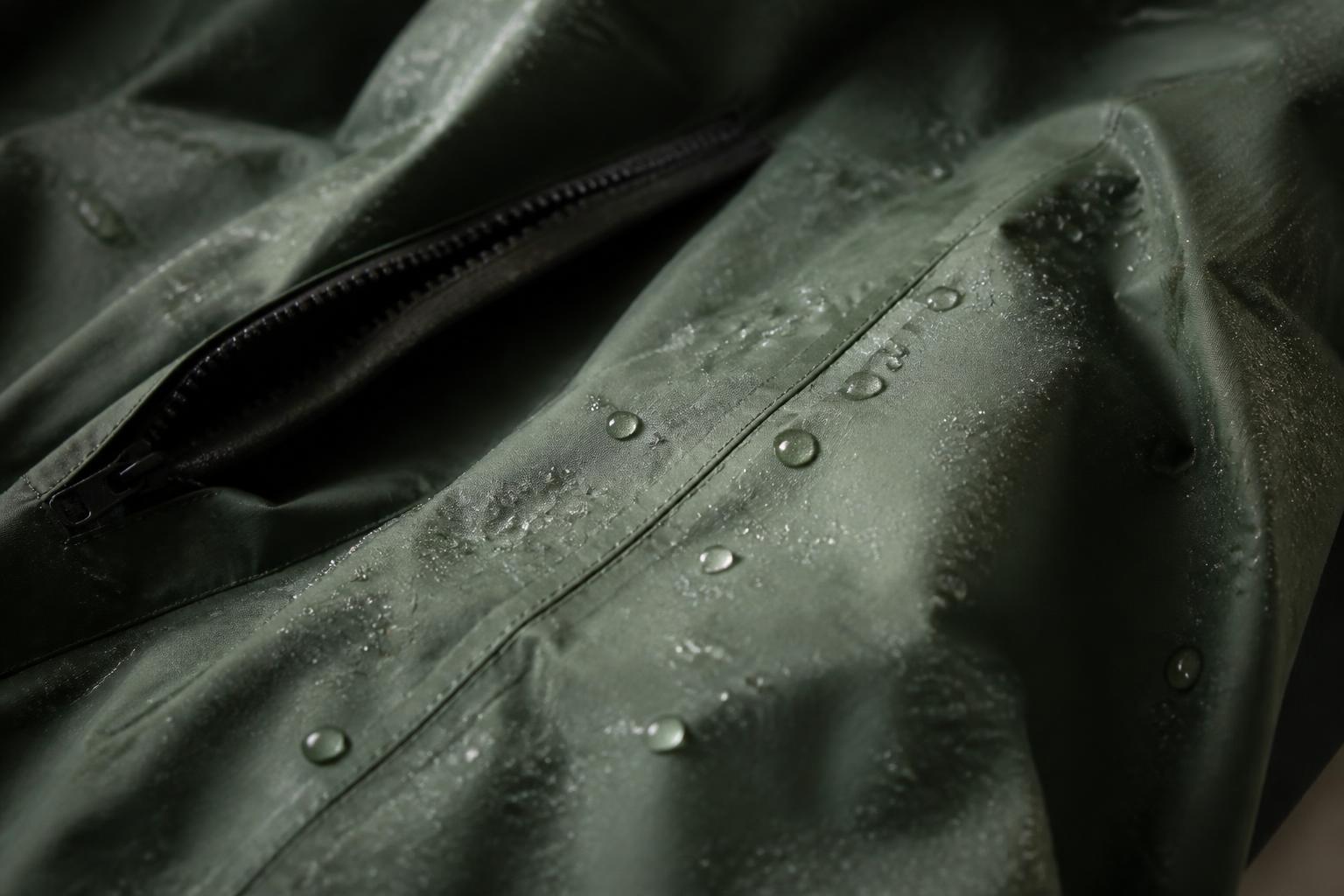
Fourth, DWR, which stands for durable water repellent. This is the treatment on the outer surface that makes rain bead and roll off instead of soaking in. DWR does not make a garment waterproof by itself. Its job is to stop the outer fabric wetting out. When the face fabric becomes saturated, the jacket often feels colder, less breathable and more clammy, even if the waterproof layer underneath is still doing its job.
That last point causes a lot of confusion. People often assume a jacket has stopped being waterproof because the surface darkens and holds water. Sometimes the real issue is that the DWR has worn off and needs cleaning and reproofing, not that the membrane or coating has failed.
Breathability is separate again. A waterproof garment can be very protective and still feel sweaty if moisture vapour cannot escape well enough for your activity level. In everyday use, venting features such as pit zips, a two-way front zip and a looser cut can matter as much as the lab claim.
Which waterproof materials are used in clothing
When you compare waterproof materials for clothing, you will usually see three broad types, coated fabrics, membrane laminates and tightly woven water-shedding fabrics.
Coated fabrics are common at lower and mid price points. A polyurethane, often written as PU, or similar coating is applied to the inside of the fabric. This can give solid waterproof performance at a sensible price. It is widely used in raincoats, school jackets and practical everyday shells.
The trade-off is usually breathability and long-term wear. Coatings can feel less comfortable during active use, especially if the jacket has a plasticky handle or poor venting. Over time, some coatings can crack, peel or become tacky, particularly if stored damp or washed badly. That does not mean all coated jackets are poor. A well-made coated shell for commuting can be perfectly good value if you are realistic about how you will use it.
Membrane laminates are common in performance outerwear. Here, a membrane is bonded to the face fabric, often as a 2-layer, 2.5-layer or 3-layer construction.
In a 2-layer jacket, the membrane is attached to the outer fabric and a loose lining hangs inside. These can feel comfortable for everyday wear but may be bulkier.
In a 2.5-layer jacket, the membrane is attached to the outer fabric and a very thin printed or sprayed protective layer sits inside instead of a full lining. These jackets are often light and packable, useful for carrying in a bag. The downside is that the inside can feel clammy against bare skin, and very lightweight versions may wear faster.
In a 3-layer jacket, the face fabric, membrane and inner scrim are bonded together. These are often the most durable and stable in hard use, but they tend to cost more.
Membrane jackets can offer a better balance of waterproofing and breathability, but they are not automatically superior for everyone. If you mostly walk to the station and stand at the bus stop, you may not need an expensive mountain shell. You may benefit more from a comfortable cut, a decent hood and fabric that does not rustle loudly in everyday wear.
Then there are tightly woven fabrics, sometimes made from cotton blends, polyester microfibre or polycotton with a water-repellent finish. These can resist showers surprisingly well, especially in city wear and waxed jackets. They are often more breathable and quieter than technical shells, and they can look less sporty. But they are usually not the best choice for prolonged heavy rain unless specifically designed and labelled as waterproof, not just showerproof.
Waxed cotton sits slightly apart. It can be very weather resistant and can last for years if maintained, but it is heavier, needs rewaxing, and is not the easiest option for everyone. It also behaves differently from synthetic waterproofs, so care and repair are more specialised.
When reading labels, you will often see the fibre content of the face fabric, such as 100% polyester or 100% nylon, but that alone does not tell you whether the garment is waterproof. The key is whether there is also a membrane, coating and sealed seam construction.
How to choose for commuting, walking and everyday wear
For commuting in the UK, think about repeated use, mixed weather and friction from bags. A jacket that looks good over work clothes, has a hood that adjusts properly, and covers your seat and upper thighs can be more useful than an ultralight shell. We would usually prioritise a durable face fabric, fully taped seams and enough room for a jumper underneath. If you carry a backpack most days, pay attention to shoulder wear and whether the front zip feels sturdy.
For walking, your choice depends on pace and duration. For low-level walks, dog walks and weekend errands, a midweight waterproof with decent breathability is often enough. If you walk fast, warm up quickly or tackle hills, breathability and venting become more important. In that case, a membrane jacket with pit zips or mesh-lined vents can be worth paying for. If you only need emergency rain protection in a day bag, a lighter 2.5-layer shell may make sense, but expect more compromise on comfort and lifespan.
For everyday wear, many people do better with a simpler waterproof than a highly technical one. If your coat spends most of its life going from front door to train platform to office, comfort, easy cleaning and a shape you actually like matter. A jacket you wear often and maintain properly will usually outlast an aspirational purchase that stays in the wardrobe because it feels too crinkly, too outdoorsy or too hot on the Tube.
A few practical checks help here.
Look at the hood. Is it adjustable at the back and around the face, or is it a decorative add-on that blows off in wind? A stiffened peak helps in steady rain.
Check the cuffs. Adjustable cuffs help stop water running down your sleeves, especially on a bike or when carrying shopping.
Check the zip and storm flap. A water-resistant zip can help, but a proper storm flap still does a lot of useful work in wet weather.
Think about length. Hip-length is fine for many uses, but a longer coat can be much more practical for commuting and everyday wear.
Think about noise and feel. Some technical shells are excellent in rain and annoying everywhere else.
If you are buying second-hand, ask for close photos of the inside. Peeling seam tape, flaking internal coatings and sticky patches are warning signs. Also ask whether the jacket has been tumble dried on low heat after washing, if the care label allows it, because that can help maintain water repellency. A bargain is not a bargain if the waterproof layer is already failing. Our guide to working out what your clothes really cost to wear is useful here, especially when you are deciding between a cheaper stopgap and a better-made coat you expect to keep.
What to check on labels and product claims
Start with the fibre label, but do not stop there. “100% polyester” or “100% nylon” tells you the outer textile, not the full waterproof construction. Look for wording such as laminated membrane, PU coating, fully taped seams or waterproof and breathable fabric.
Be careful with terms like showerproof, water-repellent and weather-resistant. These are not the same as waterproof. Brands use them loosely. If a product description avoids saying that seams are taped, that omission is often meaningful.
Hydrostatic head is one of the most common performance claims. It measures how much water pressure a fabric can resist in a lab before leaking. It can be useful, but it is not the whole story. A higher number does not guarantee you will stay drier in real life if the seams are poor, the DWR has failed, or the jacket design lets water drive in around the zip, cuffs or hood. For everyday wear, construction details matter just as much as the headline number.
Breathability figures have similar limits. Different test methods are used, and brands do not always explain them clearly. Two jackets with different published numbers may feel very similar in normal use. We would treat breathability claims as rough guidance, then look at practical features such as vents, lining, cut and whether the jacket is intended for high-output activity or general wear.
Care labels matter more than many people realise. If the label says do not use fabric conditioner, take that seriously. Conditioner can reduce performance by leaving residue on technical fabrics. If it says cool wash only, or no tumble dry, follow that rather than generic internet advice. UK and EU care symbols are largely aligned because garment care symbols are standardised internationally, but product claims around sustainability finishes or fluorocarbon-free DWR can vary by brand and market. The care label inside the garment should always take priority over a marketing page.
If labels confuse you, it is worth brushing up on how to read washing symbols without ruining clothes. Waterproofs are one of the clearest cases where ignoring a small symbol can shorten a garment’s life.
Also check whether the garment can be repaired. Are spare poppers or zip pulls available? Is the brand using standard trims? Can cuff tabs be restitched? These details rarely make the front-of-pack claim, but they matter if you want a coat to last beyond one season.
How to wash, reproof and repair waterproof clothing
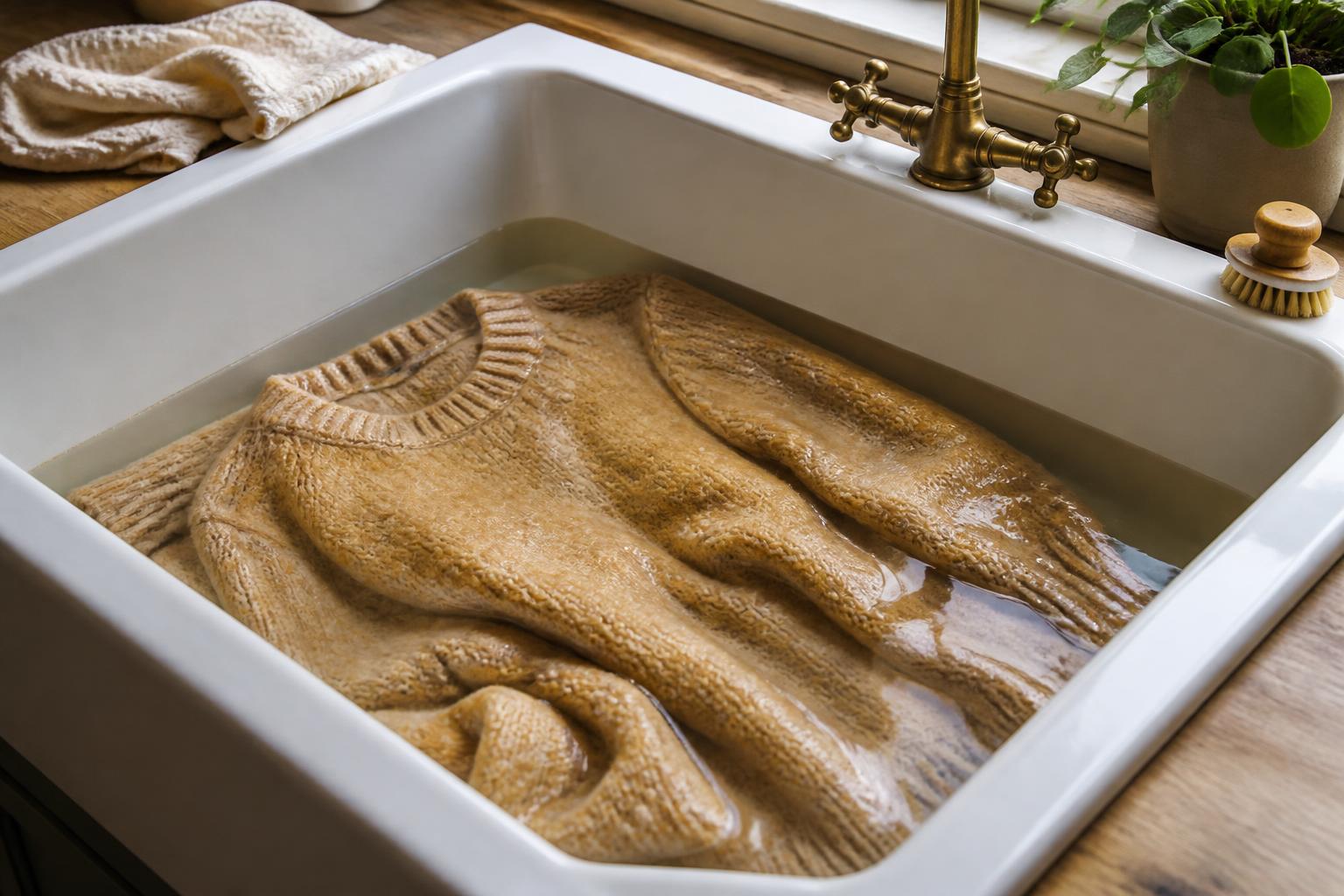
Most waterproofs last longer when they are washed more often than people think, but washed correctly. Dirt, body oils and city grime can reduce breathability and stop DWR working properly. A filthy jacket is not being protected by avoiding the wash.
Always begin with the care label. Close zips, fasten Velcro, empty pockets and brush off mud. Use a liquid detergent if the label allows, and avoid fabric conditioner unless the manufacturer specifically says otherwise, which is unusual. Some garments do best with a specialist cleaner for waterproof clothing, especially membrane shells, but the label comes first.
Rinse thoroughly. Residue left in the fabric can affect performance. If your machine tends to overdose detergent or leave clothes soapy, an extra rinse can help if the care label does not object.
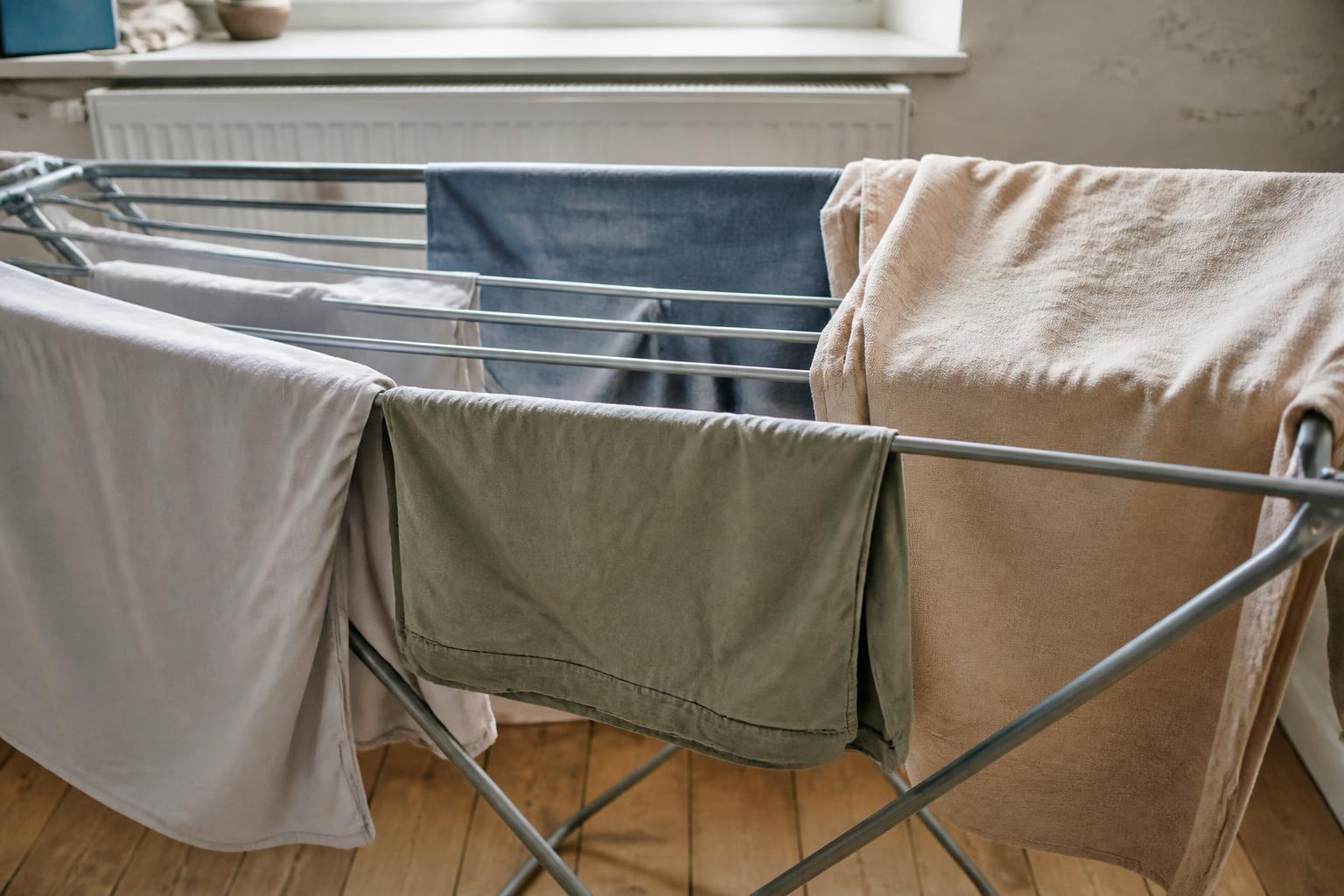
Drying matters. Some waterproofs can be tumble dried on low heat, and gentle heat can help reactivate the DWR. Others must be air dried only. This is one area where bad generic advice causes damage, so follow the sewn-in label, not a one-size-fits-all tip from social media.
If the jacket is clean but the outer fabric still wets out, it may need reproofing. You can use a wash-in or spray-on reproofer, again only if suitable for that garment type. Spray-on products are often better when you want to target the outer face and preserve the wicking or feel of inner linings. Wash-in products are simple, but they treat everything, including areas that may not need it. For insulated jackets or lined everyday coats, the maker’s care guidance is especially worth checking.
Repairs are often straightforward if you catch problems early. Small punctures and tears can be patched with repair tape or purpose-made patches. For a shell jacket, a clean, dry, flat application usually works better than a rushed fix on damp fabric. If you need help choosing something that will not peel off after two wears, our guide to choosing clothing repair patches that actually last is a good place to start.
Peeling seam tape is harder. Small areas can sometimes be repaired, but widespread peeling often means the garment is reaching the end of its waterproof life unless a specialist repair service can retape it economically. Broken zips, failed drawcords and worn cuff tabs are often much more repairable than people assume, and worth fixing on an otherwise sound coat. If you are unsure whether a jacket is worth the effort, deciding whether to mend it or move it on can help you weigh up condition, likely lifespan and replacement cost.
Storage also affects lifespan. Put waterproofs away clean and fully dry. Do not leave them crumpled and damp in a boot, gym bag or hallway pile for days. Long periods of compression are not ideal for some coated and laminated fabrics either. Hang them if you can, especially between wet wears.
The simplest way to choose waterproof clothing that lasts is to buy for your real weather and routine, not an imagined one. Look for honest waterproof construction, useful features, a fabric weight that matches your wear, and care instructions you will actually follow. Good waterproof materials for clothing matter, but so do cleaning, reproofing and timely repairs. That combination is what keeps a raincoat working season after season, instead of becoming another disappointing purchase by November.

Questions about this article or a correction to suggest? Get in touch. Read more about our editorial approach.