Black jeans keep their colour longest when we wash them less often, turn them inside out, use a cool wash, choose a gentle detergent made for dark clothes, and skip high heat when drying. If you are trying to work out how to stop black jeans fading in the wash, the main aim is to reduce the things that strip dye away, namely heat, friction, strong detergent and repeated washing.
That does not mean never washing denim. It means washing with a bit more intention. Black jeans tend to show colour loss faster than blue denim because fading is more obvious against a dark, even finish. A few small changes in the laundry routine usually make a noticeable difference.
Why black jeans fade so quickly
Black denim fades for a mix of reasons, and not all of them are avoidable. Some colour loss happens because excess dye comes away in the first few washes. That is normal, especially with very dark or heavily saturated jeans. Some brands also use surface dyes or finishes that give jeans that deep black look in the shop, but those can wear off faster than people expect.
Friction is one of the biggest causes. In the washing machine, jeans rub against the drum, against seams, and against other clothes. That rubbing lifts dye from the raised parts of the fabric first, which is why thighs, knees, pocket edges and seat areas often go grey before the rest. The same thing happens in daily wear, but machine washing speeds it up.
Heat is another major factor. Hot water can open fibres and release more dye. High tumble dryer heat adds more stress, especially on stretch denim that contains elastane. Black skinny jeans and slim jeans often fade and lose shape faster for that reason. If the care label allows tumble drying, lower heat is still kinder than a hot cycle.
Overwashing matters too. Jeans usually do not need washing after every wear unless they are visibly dirty, sweaty or have picked up strong odours. A full wash every time they are worn will almost always shorten the life of the colour.
It also helps to separate fading from general wear. Fading is the loss of dye, often unevenly. Wear is broader. It includes thinning fabric, shiny patches, stretched knees, worn hems and seam stress. Good washing habits help with both, but they do not stop all signs of age. Black jeans that are worn often will eventually soften and lighten, even with careful laundering.
What to check on the care label before you wash
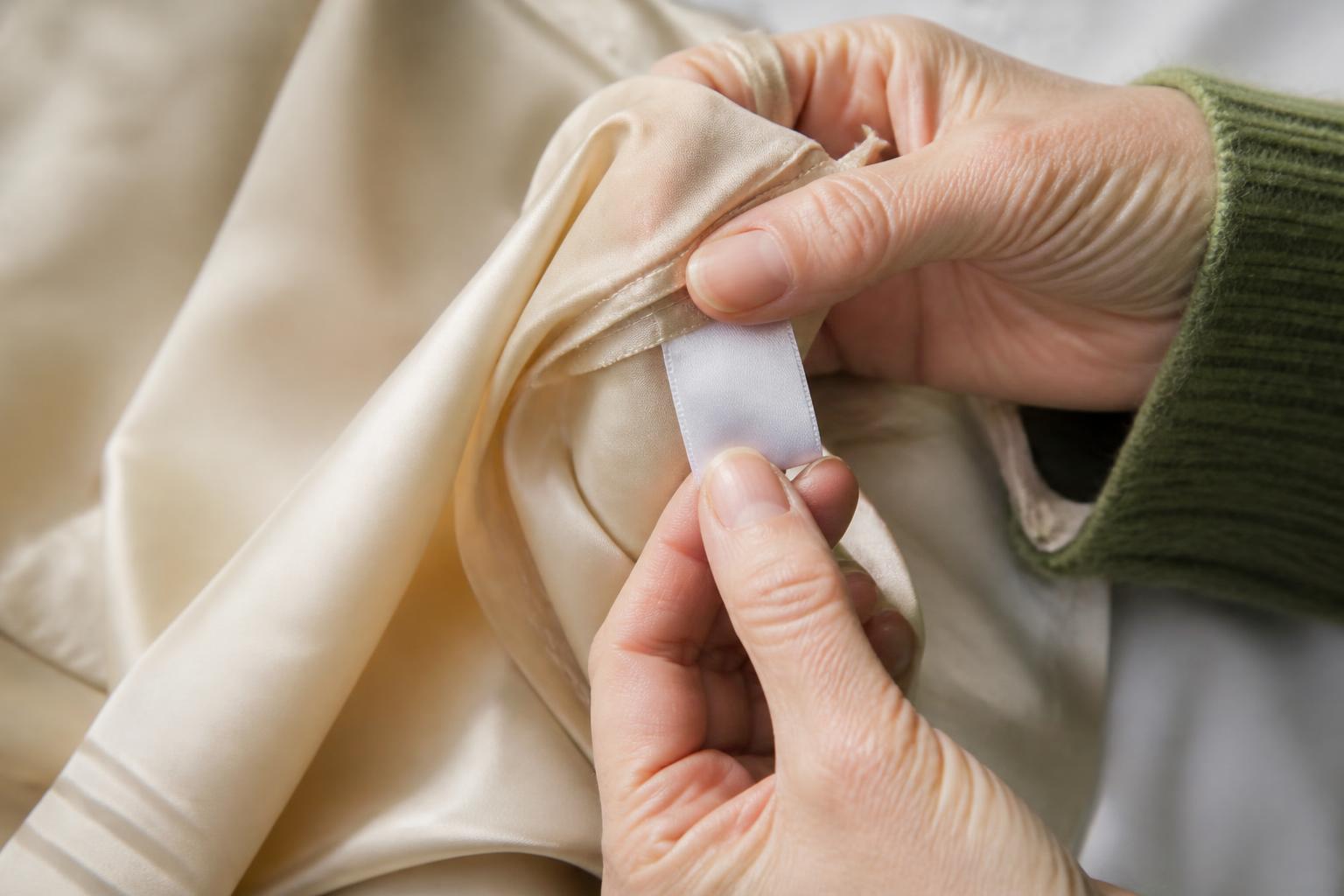
Before following any general denim advice, check the care label inside the jeans. The manufacturer’s instructions come first, especially if the garment has a coating, special finish, embellishment, contrast panels or a high stretch content.
The main things to look for are:
- The wash tub symbol, which tells you whether the jeans can be machine washed and at what temperature
- A line under the wash tub, which means use a gentler or permanent press cycle
- Two lines under the tub, which means a very mild wash
- A hand in the tub, which means hand wash only
- A crossed-out tub, which means do not wash, and dry cleaning or specialist care may be required
- The triangle symbol, which covers bleach
- The square and circle symbol, which covers tumble drying
- The iron symbol, if you plan to press them after drying
For black jeans, the bleach symbol matters more than people think. If the triangle is crossed out, do not use chlorine bleach or oxygen bleach products unless the label specifically says they are safe. Stain removers and whitening products can mark dark denim badly.
Wording on the label is useful too. Phrases such as “wash inside out”, “wash separately”, “colour may transfer”, or “wash before wear” are there for a reason. “Wash separately” is common on dark denim because loose dye can transfer onto lighter clothes. “Colour may transfer” also matters when the jeans are damp, not just during the wash.
If the label says 30°C, follow that rather than assuming denim can take more. If it says do not tumble dry, believe it. In the UK, care labels generally follow recognised textile care symbols, and the practical meaning is the same as across Europe, but the safest rule is simple: if the label on your jeans conflicts with generic advice, follow the label.
If care symbols are never quite clear, our guide on how to read washing symbols without ruining clothes will help you decode them quickly.
How to wash black jeans with less fading
If we want black jeans to stay dark for longer, the best method is straightforward.
First, sort the wash properly. Keep black jeans with other dark items, and ideally with fabrics that are not rough or linty. Avoid washing them with towels, heavy sweatshirts with abrasive zips, or pale garments that may pick up dye. If the jeans are new and very dark, wash them on their own the first time or with similar dark items only.
Second, empty the pockets and fasten them. Zip up the fly, do up the button, and turn the jeans inside out. This protects the outer surface from direct rubbing in the drum and helps preserve the visible colour.
Third, treat marks locally if needed. If there is a small food spot or a bit of mud at the hem, deal with that area rather than using a hotter or longer wash for the whole garment. Dab with a little water and mild detergent, then let it sit briefly before washing. Avoid vigorous scrubbing on the outside of the fabric.
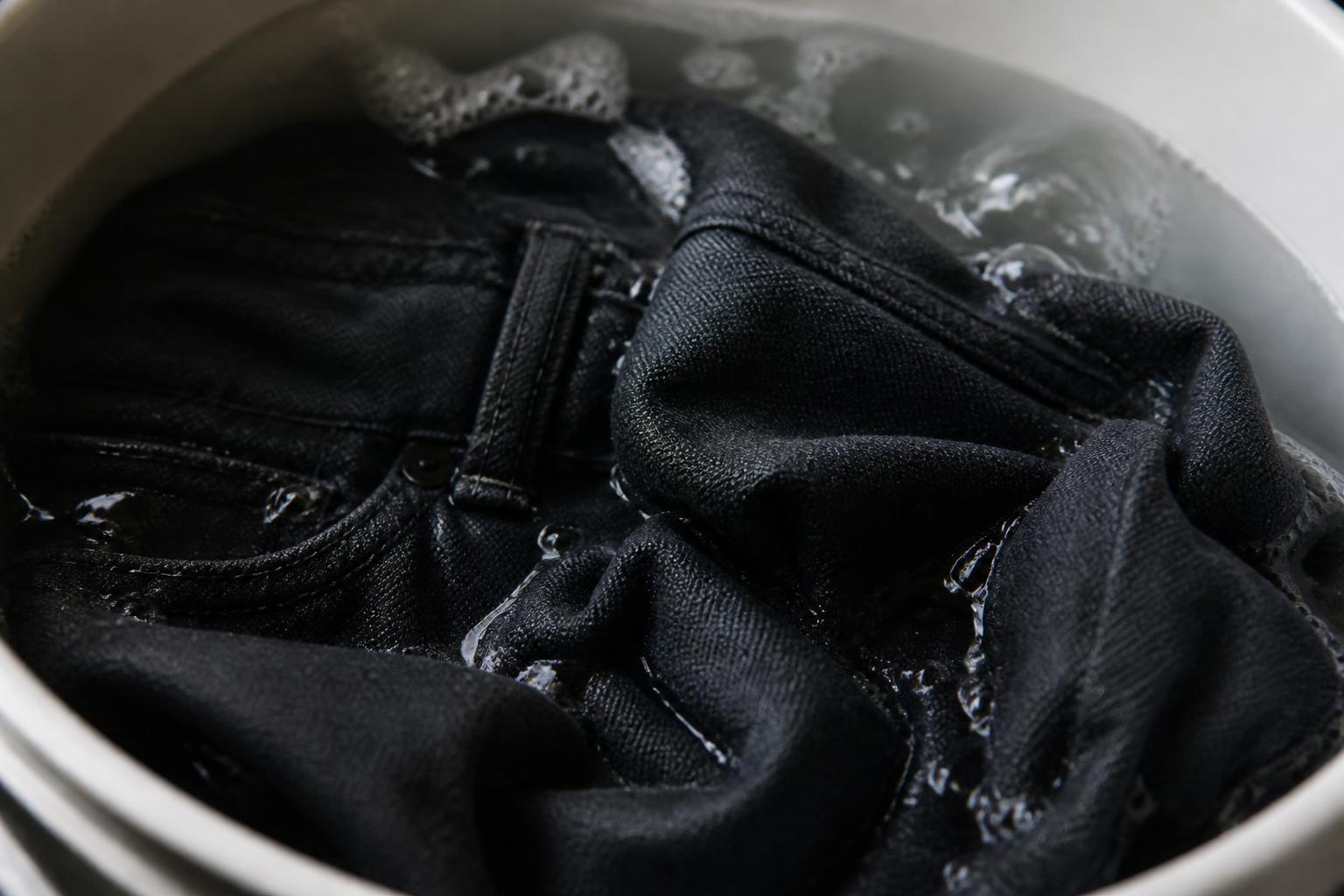
Fourth, choose a cool temperature. For most black jeans, 20°C or 30°C is enough. Cooler water is gentler on the dye. Unless the care label says otherwise, there is rarely a good reason to use a hot wash for denim.
Fifth, pick a gentle cycle. A delicate cycle is not always necessary, but a standard cotton wash can be rough if the machine is packed with heavy items. A gentle or darks cycle, if your machine has one, is a sensible choice. Lower spin speeds can also reduce creasing and abrasion, though they may leave jeans a bit damper at the end.
Sixth, use the right detergent and not too much of it. A liquid detergent for dark clothes is usually a better choice than powder because it dissolves more easily in cool water and is less likely to leave residue. Avoid detergents with added bleach or whitening agents. More detergent does not mean cleaner jeans. It can leave build-up and make rinsing harder, especially on dark fabrics.
Seventh, do not overload the machine. Jeans need enough space to move through water, but not so much movement that they batter around with a half-dozen heavy garments. A modest load of dark clothes is usually better than cramming the drum full.
A simple routine looks like this:
- Sort darks from lights.
- Check the care label.
- Fasten zips and buttons.
- Turn jeans inside out.
- Spot treat any marks.
- Wash at 20°C or 30°C.
- Use a gentle cycle with liquid detergent for darks.
- Remove promptly when the cycle ends.
If you are washing several wardrobe staples together, our piece on wardrobe care that helps clothes last longer covers the broader habits that reduce wear across the board.
How often should you wash black jeans?
Most black jeans do not need a full wash after every wear. The better question is whether they are actually dirty.
A full wash is usually worth doing when the jeans:
- smell stale or sweaty
- have visible marks or grime
- feel sticky around the waistband or behind the knees
- have been worn in hot weather
- were worn for a long day of commuting, cooking, travel or manual tasks
If they still look clean and smell neutral, airing may be enough. Hang them up overnight in a well-ventilated room, away from direct sun and damp. That will not remove dirt, but it can help freshen denim that has simply been worn for a few hours.
Spot cleaning is useful for small marks. A drop of mild detergent on a damp cloth can deal with a splash or smudge without putting the whole pair through a wash cycle. Test gently and avoid rubbing hard at the outer surface.
There is a balance to strike. Washing too rarely can let oils and dirt build up in the fibres, which is not great for the fabric either. Waistbands, crotch seams and hems can become grimier than the jeans look at first glance. If you wear one pair constantly, occasional proper washing is still part of looking after them.
The practical middle ground is this: wash black jeans when they need it, not by habit. If you rotate your jeans and avoid wearing the same pair day after day, they will usually stay cleaner for longer and fade more slowly.
This is the same principle we use with other fibres. If you are trying to avoid unnecessary laundering across your wardrobe, our guide on how often you should wash wool jumpers explains how airing and spot cleaning can reduce wear without compromising hygiene.
Drying and storage habits that help the colour last
What happens after the wash matters almost as much as the wash itself.
Tumble drying is one of the quickest ways to age black jeans. The heat can dull the colour, stress stretch fibres and set in creases at whisker points and seams. If the care label allows tumble drying and you need to use it, choose a low heat setting and take the jeans out while they are still slightly damp. But air drying is usually better.
Hang black jeans to dry indoors or outside in the shade. Direct sun can bleach dark fabrics over time, especially if jeans are left on a line for hours in bright weather. Turning them right side out once most of the water has gone can help them dry evenly, but keeping them inside out for the first part of drying gives the outer colour a bit more protection.
Avoid draping them over a hot radiator. Localised heat can make fabric stiff and may cause uneven fading, particularly across folds. It can also stress elastane in stretch denim.
Do not leave washed jeans sitting damp in the machine or in a laundry basket. Prolonged damp encourages musty smells and can set creases in awkward places. Get them out promptly and reshape them while damp, smoothing the legs and waistband.
Storage matters too. If black jeans are crammed tightly into a drawer, rough rivets, zips and bulky seams can rub against other garments. Folding them neatly or hanging them by the waistband reduces that friction. Make sure they are fully dry before putting them away. Storing even slightly damp denim can lead to stale smells and, in bad cases, mildew.
If you stack several pairs, it is worth rotating them rather than always pulling out the top pair. Constant wear and wash cycles on one favourite pair will show up much sooner than on the others.
What to do if your black jeans have already faded
If your jeans have already gone grey at the thighs or knees, there is no detergent that will restore the original dye completely. But you can often improve how they look and stop them getting worse.
Start by changing the wash routine. Wash less often, use a cooler cycle, turn them inside out, and avoid tumble drying. This will not reverse fading, but it can preserve the remaining colour and reduce contrast between darker and lighter areas over time.
Sometimes faded black jeans look worse because of detergent residue or hard water dulling the surface. A careful rewash with the jeans inside out, using the correct amount of liquid detergent and an extra rinse if needed, can improve the appearance. Do not expect miracles, but it can help the fabric look cleaner and less chalky.
Check worn areas closely. If fading comes with thinning fabric at the inner thighs, pockets or knees, repair is more urgent than colour. A dark patch, reinforcement from inside, or early mending at a seam can add useful life. Once the fabric is weak, re-dyeing alone will not solve the problem. If you are dealing with wear elsewhere in the wardrobe too, our guide on fixing a small hole before it spreads covers the same principle of repairing early rather than waiting for a larger failure.
Re-dyeing can work, but it is not right for every pair. It is most likely to suit plain cotton-rich black jeans with even fading and no special finish. It is less predictable on jeans with a lot of elastane, contrast stitching, decorative coatings, worn patches, or bleach marks. Metal hardware, labels and thread may not take dye in the same way as the denim, so the result can look mixed rather than factory-fresh.
If you do re-dye, read both the garment care label and the dye product instructions carefully. Some dyes are intended for use in the washing machine, others in a bucket or pan, and some are not suitable for mixed fibres. In the UK, it is also worth checking whether your washing machine manufacturer gives any guidance on using fabric dye in the machine, because not all do. Re-dyeing is best treated as a practical refresh, not a guaranteed reset.
Finally, be realistic about when a faded pair still earns its place. Some black jeans move from “smart dark denim” to “casual everyday pair” and are still perfectly useful. If the fit is good and the fabric is sound, a bit of fading does not make them a failure. The aim is not to keep every pair looking brand new forever. It is to get more wear from the clothes we already own, with fewer disappointments along the way.

Questions about this article or a correction to suggest? Get in touch. Read more about our editorial approach.