If you are wondering how often you should wash wool jumpers, the short answer is, much less often than cotton or synthetics. For most people, a wool jumper can go somewhere between 5 and 15 wears before it needs a proper wash, sometimes longer if you wear a layer underneath and let it air out between uses.
That range is wide because wool behaves differently depending on how you wear it. A fine merino crew neck worn next to bare skin in a warm office will need washing sooner than a chunky lambswool jumper layered over a shirt for short winter outings. The aim is not to wash on a fixed timetable. It is to wash when the jumper is actually dirty, oily, stained or holding odour, and to freshen it properly the rest of the time.
How often should you wash a wool jumper?
As a practical rule, we would usually wash a wool jumper after about 5 to 10 wears if it is worn close to the skin, and after about 10 to 15 wears if it is worn over a T-shirt or shirt and aired well between uses.
That is a starting point, not a rule you have to follow rigidly. Wool is naturally odour resistant and does not usually need washing after every wear. In fact, overwashing is one of the quickest ways to shorten the life of a jumper. It can lead to shrinkage, felting, loss of shape and that slightly tired look that comes from too much agitation.
Wash sooner if you notice any of the following:
- underarm odour that does not disappear after airing
- visible marks or splashes
- a greasy feel at the neck, cuffs or hem
- makeup, deodorant or food stains
- the jumper has been worn for a long day directly on skin
Wash less often if:
- you wore a clean base layer underneath
- the weather was cool and you did not sweat much
- it was only worn for a few hours
- the jumper has had time to rest and air between wears
For many wardrobes, the best rhythm is simple. Spot clean small marks, air the jumper after wearing, and save full washing for when it is genuinely needed.
What changes how often a wool jumper needs washing?
Several things affect how often a wool jumper needs attention, and they matter more than any blanket advice.
First, think about skin contact. A wool jumper worn directly on the body will pick up sweat, body oils, deodorant and skin cells much faster than one worn over a vest, T-shirt or shirt. If you always wear a layer underneath, you can often stretch the time between washes quite a bit.
Weather matters too. In cold, dry weather, wool often stays fresher for longer. In mild weather, overheated trains, crowded pubs or centrally heated offices, you may sweat more than you realise. Even if a jumper looks clean, the fibres can hold body oils that build up over time.
Odour is one of the clearest signs. Wool is better than many fibres at resisting smells, but it is not magic. Cooking smells, smoke, perfume and deodorant can all cling to it. A jumper that smells faintly of the house after Sunday lunch may only need airing. A jumper that still smells stale the next day probably needs more than that.
Stains are another obvious change point. Food spots, drink splashes, foundation marks and collar grime should not be left to sit for weeks. The longer a stain stays in wool, the harder it can be to remove safely.
Knit type makes a difference as well. Fine merino tends to be softer, lighter and more likely to be worn close to the skin, so it often needs washing a bit sooner. Chunky Shetland, lambswool or heavier knits are more often layered and can often go longer between washes. A looser, hairier knit may also trap dust on the surface, which can sometimes be dealt with by brushing rather than washing.
Lifestyle counts. If you cycle to work, run for the bus, carry children, cook often, or wear the same favourite jumper three days running, it will need more care than one worn for desk work and taken off as soon as you get home.
When can you skip the wash and just air it?
Quite often, actually. If the jumper is not stained, does not smell strongly, and does not feel greasy or grimy in the high contact areas, airing is usually enough.
Airing works especially well after a short wear or when the jumper has picked up mild everyday smells. Hang it on a broad hanger or lay it flat somewhere with good airflow, away from direct heat and strong sun. An open windowed room is ideal. A bathroom full of steam is not. Leave it overnight, or for a full day if needed.
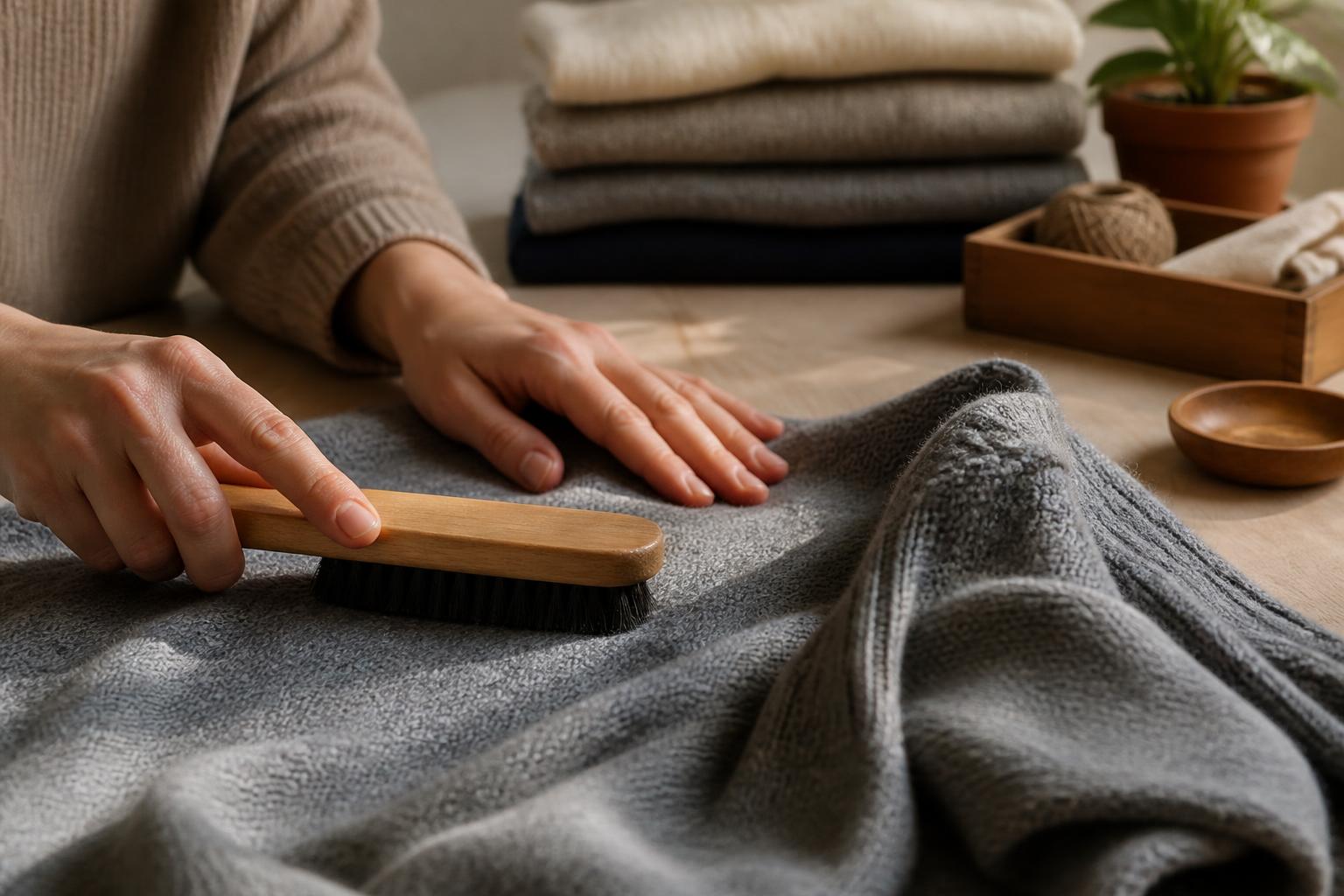
If the jumper has a bit of surface dust or fluff, a gentle clothes brush can help. Brush lightly, following the direction of the knit rather than scrubbing at it. This is most useful on sturdier woollens rather than very delicate fine knits.
Resting also matters. Wool fibres recover well if they are not worn back to back. If you rotate jumpers instead of wearing one on repeat, they are more likely to bounce back in shape and stay fresh for longer.
You can often skip a full wash when:
- the jumper was worn for only a few hours
- you wore a base layer underneath
- there are no visible marks
- any odour is faint and lifts after airing
- the cuffs and neckline still feel clean
You should not rely on airing alone if there is a proper stain, a persistent smell, or a build-up of body oils. Freshening is useful, but it is not the same as cleaning.
How do you tell the difference between freshening and cleaning?
This is the part most people find fiddly, because a wool jumper can look fine while still needing a wash. The easiest way to judge is to check the areas that collect the most wear.
Start with the underarms. If there is a noticeable smell before airing, that is not always a problem. If the smell is still there after the jumper has hung overnight, it probably needs washing.
Next, check the neckline. This is where skin oils, moisturiser, makeup and SPF tend to build up. Run clean fingers over the inside edge. If it feels slightly waxy, greasy or stiff compared with the rest of the knit, it is time to wash.
Do the same with the cuffs. If you push sleeves up a lot, use hand cream, or wear the jumper while cooking or working, the cuffs can collect dirt quickly. A jumper can look tidy from the front and still be grubby at the wrists.
Then look for marks in daylight. Tiny food spots, tea drips and foundation smudges are easy to miss indoors. If you catch them early, you may only need spot cleaning. If there are several marks, a full wash is usually simpler.
Freshening is enough when the jumper is basically clean but needs reviving. Cleaning is needed when there is odour that lingers, visible staining, oil build-up, or obvious wear at the neck, cuffs or underarms.
If you are not sure, err on the side of less. Wool does not benefit from routine washing just because a week has passed. But once oils and dirt have built up, leaving them too long is not ideal either, because they can become harder to remove and may attract moths in storage.
What is the safest way to wash wool when it does need it?
The safest method starts with the care label. Before you do anything else, check the washing symbols. If you need a refresher, our guide to reading washing symbols without ruining clothes is worth bookmarking.
Some wool jumpers are hand wash only. Some are machine washable on a wool cycle. Some are labelled dry clean only, especially structured knits, blends, or garments with trims. In the UK, care labels follow the same symbol system widely used across Europe, so the symbols themselves are familiar across the UK and EU. The practical difference is usually not the symbol, but the product and machine settings people use at home.
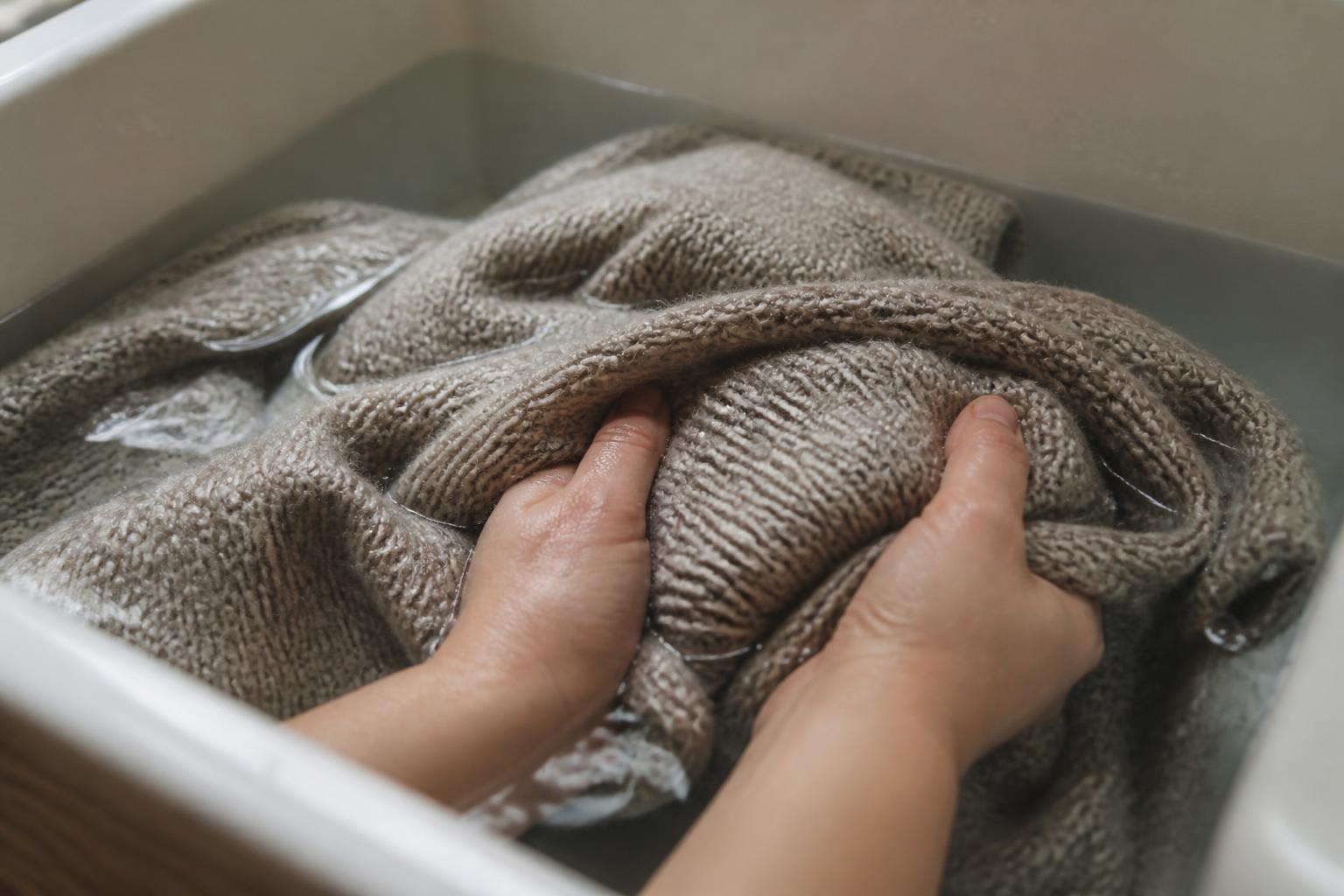
If the label allows hand washing, this is usually the lowest risk option.
Hand washing steps:
- Fill a clean basin or sink with cool to lukewarm water.
- Add a small amount of wool detergent or other detergent specifically marked suitable for wool.
- Turn the jumper inside out.
- Submerge it and press the water through gently. Do not rub, wring or scrub.
- Leave it to soak briefly if needed.
- Rinse with water of a similar temperature.
- Press out water gently. Do not twist it.
- Roll it in a clean towel to remove excess moisture.
- Reshape and dry flat on another dry towel or a mesh rack.
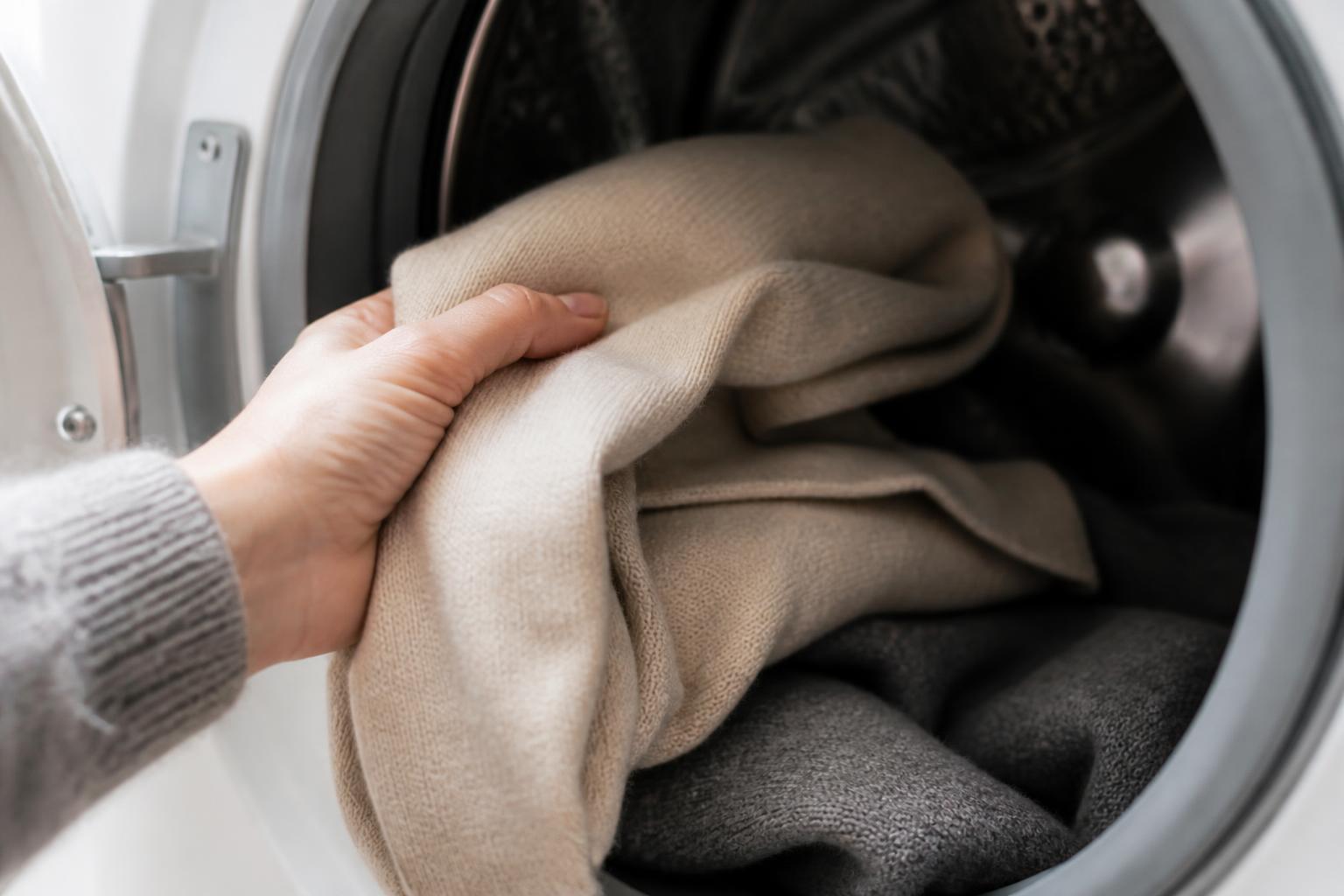
If the label allows machine washing, use the wool or delicate cycle, cold or low temperature, and a low spin. Put the jumper in a mesh laundry bag if you have one, and wash it with other soft items, not jeans or towels. Use a detergent suitable for wool. Standard biological detergents can be too harsh for some woollens.
We have covered the details in our guide to washing merino safely in the machine, and the same principles help with other machine washable wool too.
The main risks to avoid are:
- hot water
- sudden temperature changes
- heavy agitation
- overloading the machine
- wringing by hand
- hanging a wet jumper, which can stretch it out of shape
- tumble drying unless the care label clearly says it is allowed
Dry cleaning can make sense for some jumpers, but not all wool needs it. For an ordinary everyday jumper, a careful home wash is often enough if the label allows it. If you are using a local dry cleaner, it is worth pointing out any stains and asking whether they have experience with wool knits rather than assuming all dry cleaning is equal.
How can you keep wool jumpers wearable for longer between washes?
A few small habits make a bigger difference than buying lots of specialist products.
The first is rotation. If you wear the same jumper every day, it will naturally need washing more often and show wear more quickly. Giving wool at least a day to rest between wears helps the fibres recover and release some everyday odours.
The second is layering. A thin cotton T-shirt, vest or shirt under a jumper catches sweat and body oils before they reach the wool. That one habit can noticeably reduce washing frequency.
Storage matters too. Fold wool jumpers rather than hanging them long term, especially heavier knits. Hanging can stretch shoulders and necklines. Make sure jumpers are properly dry before putting them away. Even slight damp can lead to mustiness.
For in-season storage, keep them somewhere clean, dry and not crammed tight. For longer storage between seasons, wash or clean them first if they have been worn. Moths are more attracted to soiled natural fibres than freshly cleaned ones. Store in a sealed container or well closed bag if moths are an issue in your home.
Deal with bobbling without turning it into another reason to wash. If your jumper has pills, remove them gently with a fabric comb, cashmere comb or de-pilling tool suited to knits. Do not pull them off by hand, which can strain the yarn. Our guide to removing bobbles without damaging the knit walks through the safest options.
Drying habits help as well. If your jumper picks up a bit of damp from rain or condensation, let it dry fully before folding it away. If it gets soaked, reshape it while drying flat. Wool often looks worst when it has dried twisted or slumped.
Finally, tackle small issues early. Spot clean fresh marks before they set. Sew up a loose seam before it becomes a hole. If a jumper is wearing thin at the elbows or cuffs, decide whether it is worth repairing before a wash makes the damage worse. We cover that judgement in our piece on whether to mend a knit or move it on.
If you want the simplest answer to how often you should wash wool jumpers, it is this. Wash them when they need cleaning, not when habit tells you to. For most jumpers, that means occasional proper washing, regular airing, and paying attention to the places that actually get dirty. That approach keeps wool looking better, fitting better and lasting longer, without turning laundry into a full-time hobby.

Questions about this article or a correction to suggest? Get in touch. Read more about our editorial approach.