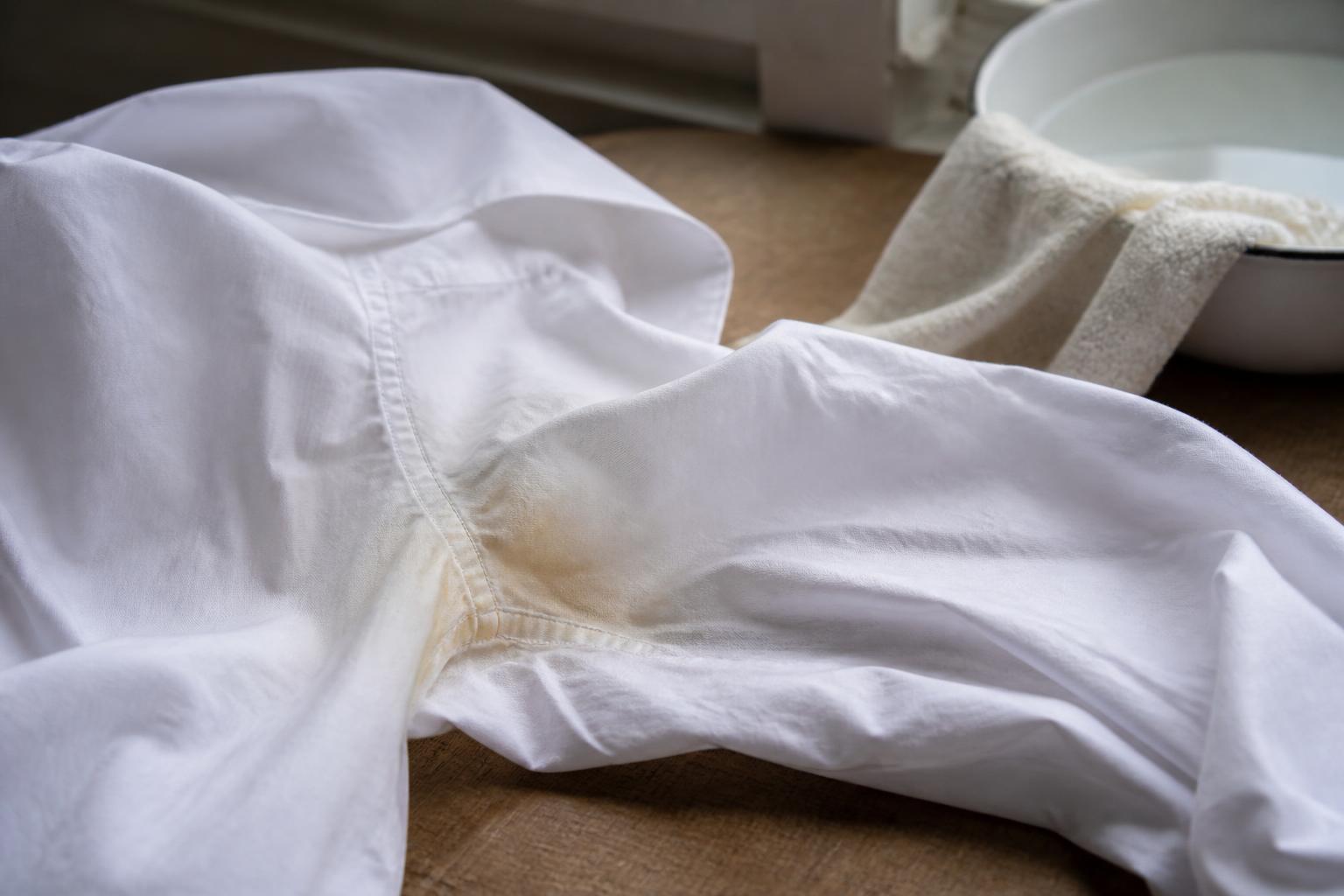
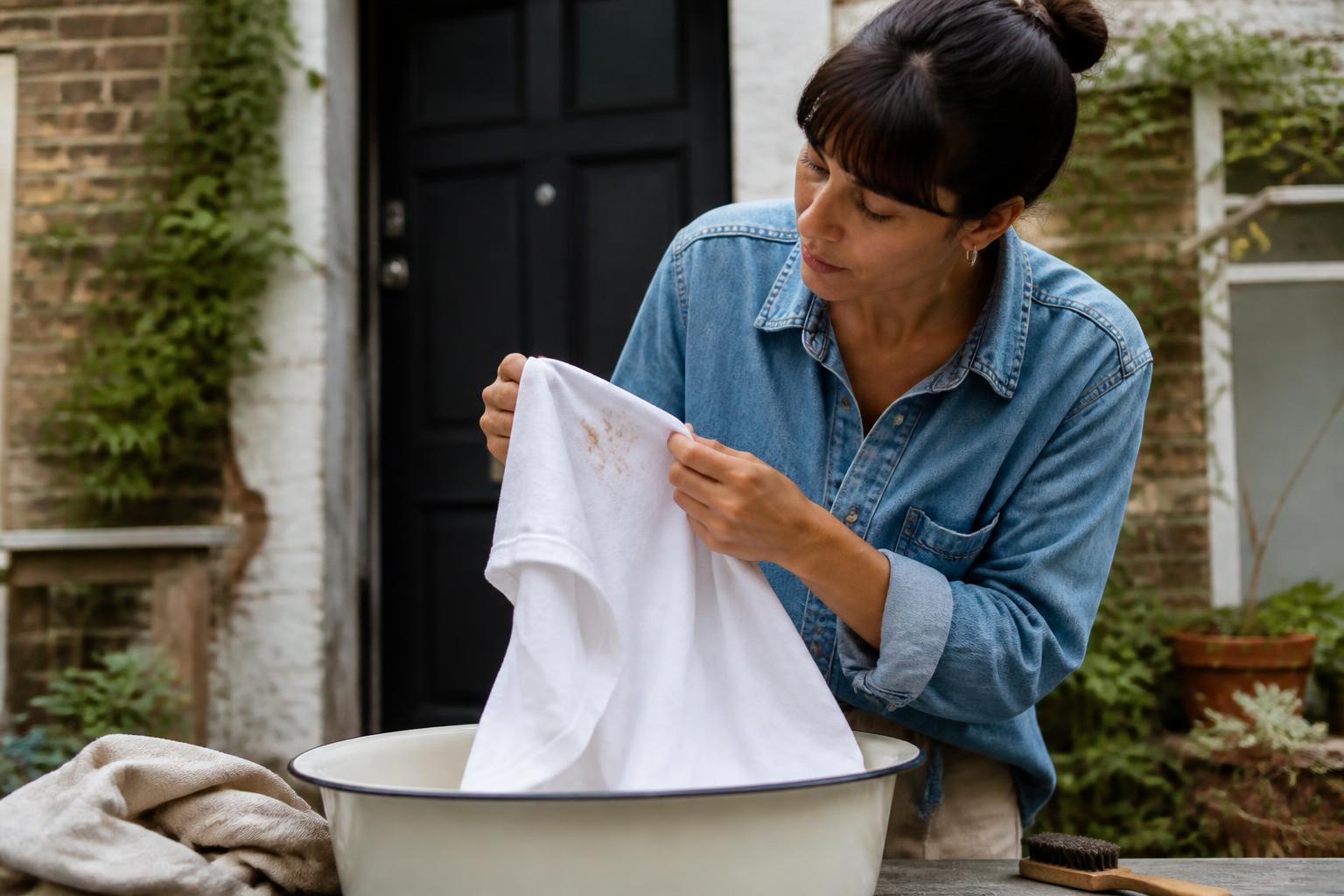
Makeup stains look dramatic, but most of them come out if you slow down and treat the right thing in the right order. The main risks are spreading the stain, grinding pigment deeper into the fibres, or using heat too soon. If you want to know how to remove makeup stains from clothes without making them worse, start by checking the care label, work out whether the product is oily, waxy or mostly pigment, and only then choose a cleaner.
For washable cotton, denim, polyester and many blends, the safest route is usually to lift off the excess, blot rather than scrub, pre-treat with a small amount of washing-up liquid or liquid detergent, then wash according to the care label. Delicate fabrics need a lighter hand, and anything marked dry clean only is often better left for a professional than risk a water mark, shine patch or colour loss at home.
Start with the care label and the type of makeup
Before you touch the stain, check the garment label. That tells you what the fabric can tolerate and what it cannot. If it says dry clean only, do not start soaking, rubbing in detergent, or using stain sprays at random. If it says cool wash, wool wash, or hand wash only, keep your treatment equally gentle.
The fabric matters as much as the makeup. A sweatshirt in cotton jersey can handle more blotting and rinsing than silk satin, wool crepe, acetate lining or a tailored blazer with structure inside. Acetate in particular can react badly to some stain removers and solvents, and wool does not enjoy hot water or vigorous rubbing.
Then work out what sort of makeup you are dealing with.
Oil-based stains include many liquid foundations, cream blushers, concealers and tinted SPF. They often leave a greasy shadow even after the obvious colour has gone.
Waxy stains include lipstick, some mascara, cream sticks and pencil liners. These tend to sit on the surface at first, then smear if you rub them.
Pigment-heavy stains include powder foundation, bronzer, bright lipstick, liquid liner and mascara. Even when the oily part lifts, the colour can hang on.
Long-wear and waterproof formulas are usually a combination problem. They can contain oils, waxes and stubborn pigments designed not to budge from skin, which means they need patience on fabric too.
If you are ever unsure, treat the stain as both oily and pigmented. Lift off the excess first, use a small amount of detergent to break down oils, then rinse and reassess before washing.
What to do straight away
The first few minutes matter. Fresh makeup is easier to remove than anything that has been rubbed in, sat in a laundry basket, or gone through the tumble dryer.
Start by removing any excess sitting on the fabric. Use the edge of a spoon, a blunt knife, or a clean fingernail to lift off cream or liquid product. If it is powder, shake or tap off as much as possible before adding any liquid. With mascara or eyeliner blobs, let very wet product sit for a minute if needed, then lift it carefully rather than wiping.
Next, blot. Use a clean white cloth, kitchen roll, or a plain cotton flannel. Press lightly from the outside of the stain towards the centre so it does not spread. If you blot from the middle outwards, you can create a larger ring.
A few things are worth avoiding straight away:
Do not rub hard. That pushes pigment and oil further into the fibres.
Do not use hot water first. Heat can set both oils and colour.
Do not throw it straight into the wash without pre-treating. A full wash can bake in what could have been lifted in two minutes at the sink.
Do not use bar soap aggressively on delicate fabrics. It can leave a mark or roughen the surface.
Do not keep switching products. One sensible method, done properly, is safer than layering micellar water, stain spray, vinegar and detergent on top of each other.
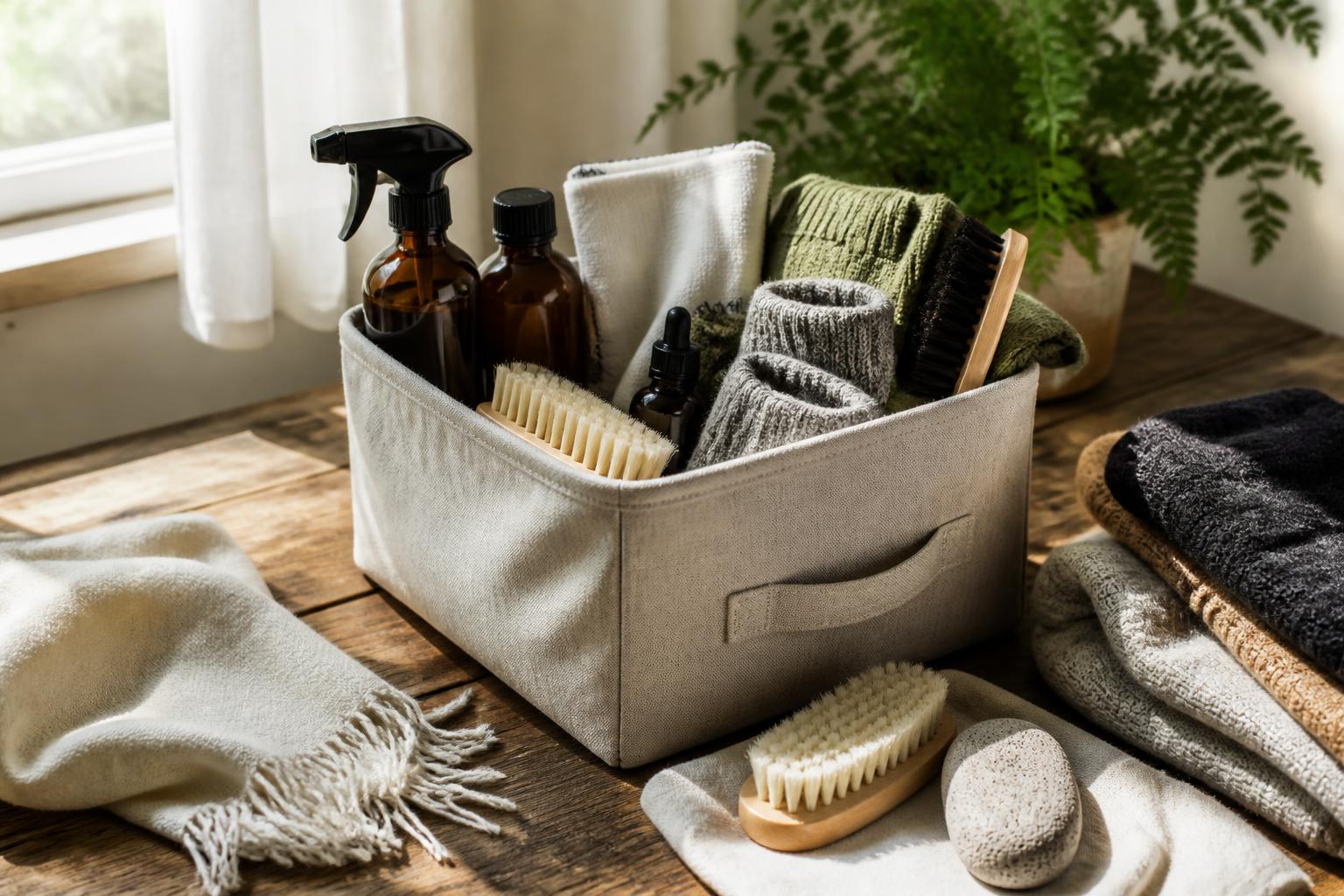
If you keep a small care kit at home, this is exactly the sort of job it earns its place for. We have set out the basics in a fabric care kit that actually gets clothes worn again, including what is genuinely useful and what usually ends up ignored in a drawer.
How to remove foundation, concealer and tinted SPF
Liquid and cream base products are some of the most common clothing stains, especially around necklines, collars, cuffs and the front of tops pulled on after makeup. They are usually best treated as oily stains first.
For washable clothes, use this order:
First, lift off any excess with a spoon or blunt edge.
Second, put a folded towel or cloth behind the stain if it has gone through to the other side. That stops it transferring.
Third, apply a small drop of washing-up liquid or liquid laundry detergent directly to the mark. In the UK, a standard non-bleach washing-up liquid is often enough for fresh stains because it is designed to cut grease. Liquid detergent is a good choice too, especially for synthetic sportswear or darker garments where you plan to wash the item straight after.
Work it in very gently with your fingertip or a soft cloth. You are not scrubbing, just coating the stained fibres.
Leave it for five to ten minutes, but do not let it dry out fully on the fabric.
Then rinse from the back of the stain with cool or lukewarm water. Rinsing from behind helps push the makeup out the way it went in.
If a mark remains, repeat once before washing. For stubborn long-wear foundation, a second short treatment is often more effective than one harsh one.
After that, wash the garment according to the care label. If it is white or colourfast cotton, your usual detergent may be enough. For coloured items, stick to a detergent suitable for colours and the coolest effective wash listed on the label.
Tinted SPF can be particularly clingy because sunscreen formulas are built to adhere. Treat it in exactly the same way, but expect to repeat the detergent step once or twice. If there is still a greasy halo after washing, do not dry it yet. Reapply liquid detergent to the damp area and wash again.
Concealer follows the same rules, especially thicker cream types. The mistake people often make is trying to dab concealer off with water alone. Water rarely shifts the oily binder properly, so you end up with a diluted beige patch that spreads.
For collars and necklines that pick up makeup gradually rather than in one obvious blob, pre-treat the whole discoloured area before washing. A narrow line of foundation transfer can be easy to miss until it oxidises and darkens.
If the garment is garment-dyed, be more cautious with spot treatment because local rubbing can sometimes leave a lighter patch. We cover that in what garment-dyed clothes mean for care and colour.
How to treat lipstick, mascara and eyeliner
Lipstick, mascara and eyeliner are trickier because they combine wax, oil and strong pigment. The good news is that the same principle still applies. Remove the solid or greasy part first, then tackle any colour left behind.
For lipstick, scrape off any excess carefully. Then apply a small amount of liquid detergent or washing-up liquid to the stain and blot with a clean cloth. You may see the colour transfer onto the cloth quite quickly. Keep moving to a clean section so you do not put it back onto the fabric.
Rinse from the reverse, then inspect. If the greasy residue has gone but a bright pink, red or berry mark remains, treat it again with liquid detergent and wash the garment. On washable white cotton only, an oxygen-based stain remover can sometimes help with the lingering dye, but always check the care label first and patch test if there is any doubt. Avoid chlorine bleach unless the care label explicitly allows it, which many everyday garments do not.
Mascara can look disastrous, but fresh smears often come out well if you do not panic. Lift off any clumps first. Dab a tiny amount of liquid detergent onto the mark and blot gently. Waterproof mascara may need two rounds because of the waxes and film-formers in the formula. Rinse from the back, then wash as normal.
Pencil eyeliner behaves similarly to lipstick because of the wax content. Liquid eyeliner is more of a pigment problem once the binder starts to lift. In both cases, avoid rubbing in circles, which spreads the line into a larger shadow.
A useful rule here is to work small. Treat only the stained area, use only enough product to loosen it, and blot little by little. Flooding the whole patch can create a larger water mark, especially on dark or tightly woven fabric.
Makeup wipes and micellar water are tempting because they are close to hand, but they are not always the best choice on clothing. They can shift some fresh transfer, especially on washable cotton, but many leave their own residue or perfume behind. We would treat them as an emergency stopgap, not the main method.
What changes for delicate fabrics and dry-clean-only items?
This is where restraint saves clothes.
Silk, wool, acetate, viscose blends, velvet, embellished items and structured jackets can all react badly to enthusiastic home stain removal. Water can leave tide marks. Rubbing can disturb the surface. Detergent can strip colour or change the finish. Tailored garments may also have canvassing, shoulder pads or interlinings inside that do not respond well to soaking.
If the care label says dry clean only, the safest option is usually to take it to a cleaner promptly and point out the stain. Tell them what caused it, for example liquid foundation, lipstick or waterproof mascara. That helps them choose the right treatment. In the UK, dry cleaners are used to this and would much rather know the stain source than guess after it has set.
If you need to do something at home first, keep it minimal. Lift off any excess product with a spoon or blunt edge. Then blot very lightly with a dry white cloth. If the item is silk or wool and the stain is fresh, a barely damp cloth with cool water can sometimes help lift surface transfer, but stop at the first sign of spreading, colour movement or a visible ring.
Do not saturate silk. Do not rub wool. Do not use washing-up liquid on acetate without testing very carefully, and do not use stain pens or strong removers on lined or structured garments unless the label clearly allows washing and you know the fabric can take it.
For washable delicates such as some cotton voile or machine-washable viscose, test any treatment on an inside seam first. If the colour lifts onto your cloth, stop.
Sometimes the right answer is simply not to push your luck. A blouse that cost little second-hand can still be impossible to replace if the fit is perfect. Preserving the fabric is often more important than winning every trace of the stain in one go. That same steady approach is part of wardrobe care that helps clothes last longer.
When to wash, repeat or stop
Once you have pre-treated the stain, wash the item according to the care label. For most washable clothes, that means the coolest or normal cycle that suits the fabric, with a standard detergent. There is rarely any benefit in turning up the temperature for makeup stains, and there is a real risk of setting whatever remains.
The crucial step comes after washing. Check the stained area while the garment is still wet or only just air-dried. Good light matters here. If the mark has gone, you can dry and wear as usual.
If you can still see a shadow, repeat the treatment before using any heat. That means no tumble dryer, no radiator blasting, and no ironing over the area. Heat can make a faint stain much harder to shift.
A second treatment is sensible when:
the stain is lighter but still visible
the product was long-wear or waterproof
the garment is sturdy and washable
the first round improved the mark without damaging the fabric
Stop and reassess when:
the fabric is starting to look rubbed, faded or rough
the stain is not changing after repeated gentle attempts
the garment is delicate, dark, or prone to water marks
the care label limits what you can safely do
At that point, further rubbing usually causes more harm than the makeup itself. Either live with the faint mark if it is hidden, repurpose the garment for lower-stakes wear, or take it to a professional cleaner.
If the item does come clean, finish the job properly. Dry it thoroughly and store it somewhere with airflow so it does not pick up that stale post-wash smell from being left damp in a heap. If that is a recurring problem in your home, our guide on how to stop washing coming out with a damp smell is worth a read.
Most makeup stains are fixable. The real trick is not a miracle product, it is matching the treatment to the stain, respecting the care label, and stopping before a small mark turns into worn fibres or a shiny patch. If you do that, even a rushed collar transfer or a dropped mascara wand does not have to mean the end of a good top.

Questions about this article or a correction to suggest? Get in touch. Read more about our editorial approach.