If washing comes out smelling damp, the cause is usually not that the clothes are dirty. It is that moisture has lingered for too long, either in the drum, in the fabric, or in the room where the laundry is drying. The fix is normally a combination of quicker unloading, better airflow, the right wash settings, and a cleaner machine.
If you are trying to work out how to stop clothes smelling damp after washing, start with the simplest point first. Get the load out as soon as the cycle finishes, make sure the machine itself is clean, and dry items fast enough that they do not sit cool and wet for hours. Most musty laundry problems come back to those three things.
Why clean laundry can still smell damp
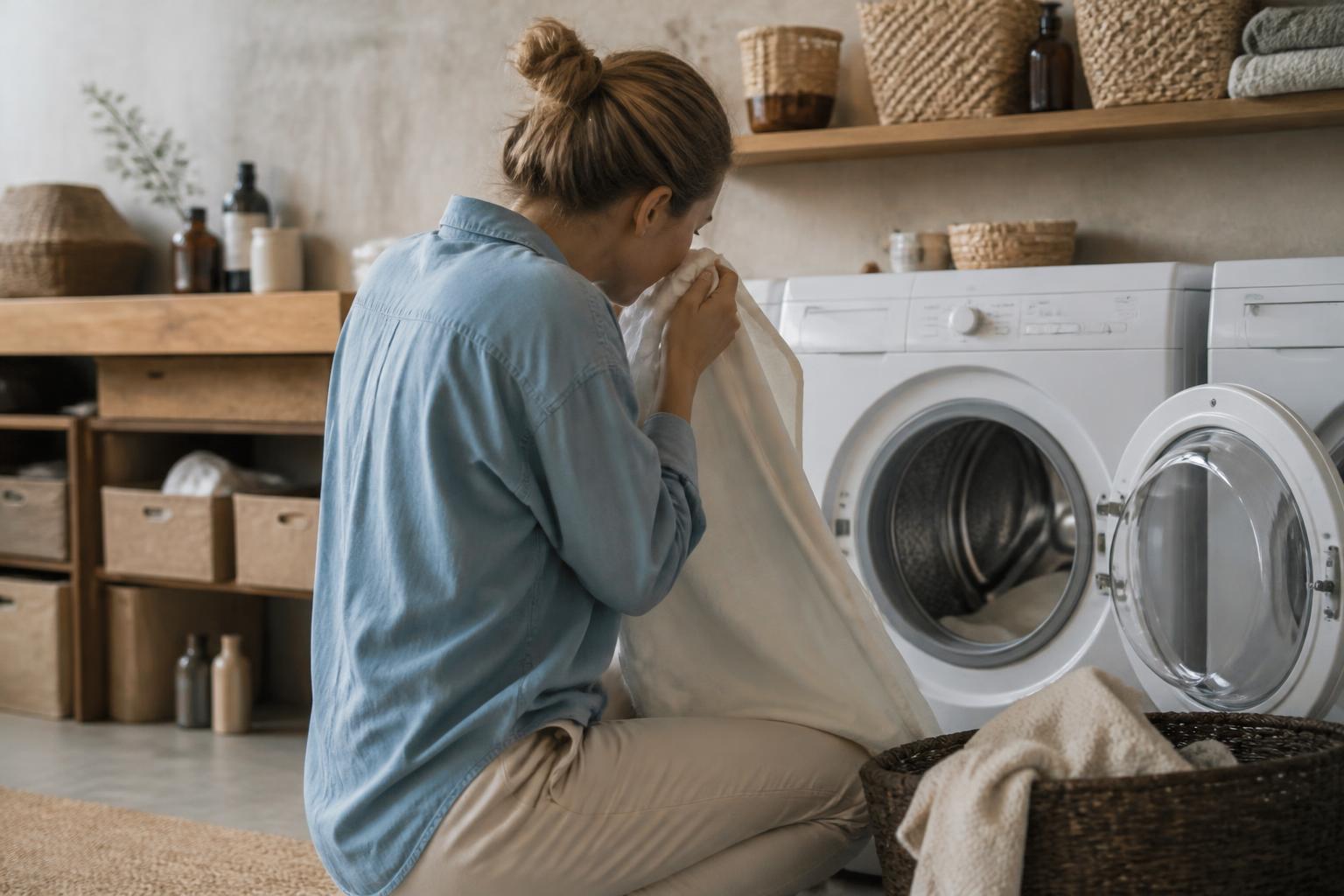
A damp smell after washing is usually a stale moisture smell, not a sign that the detergent has failed. Fabric can be freshly washed and still smell musty if it stays wet for too long.
One common cause is delayed unloading. A finished load left in the drum for several hours sits in a warm, enclosed space with very little airflow. That is exactly the sort of environment where odours build quickly. Even if the clothes were clean when the cycle ended, they can smell stale by the time you take them out.
Slow drying is another major reason. This is especially common in UK homes in colder months, when washing is dried indoors on an airer in a room with shut windows and no extraction. If heavy fabrics stay damp into the next day, the smell often settles into the fibres. Towels, hoodies, jeans and bedding are the usual culprits because they hold more water and take longer to dry through.
Machine build-up matters as well. Detergent residue, fabric conditioner, body oils, lint and general grime can collect in the drawer, door seal, filter and drum. Once that build-up starts to smell, clean clothes can pick it up during the wash. If your machine smells a bit sour when empty, the laundry probably will too.
Overloaded cycles also play a part. When the drum is packed too tightly, clothes cannot move freely enough for a proper wash and rinse. Water and detergent may not circulate well, and the final spin can be less effective. That leaves fabrics wetter than they should be, which then makes drying slower and stale odours more likely.
Sometimes it is a combination of all four. A slightly dirty machine, a large load, too much detergent and an overnight delay before hanging up can easily produce washing that smells damp even though nothing looks obviously wrong. If this is happening regularly, it is worth going step by step rather than changing everything at once. We cover related causes in more detail in our guide to why clothes smell after washing and how to fix it.
Check the washing machine before blaming the clothes
Before rethinking every wash routine, check the machine itself. A lot of persistent damp-smell problems start there.
Begin with the detergent drawer. Pull it out fully, if your machine allows, and look for slimy residue, black specks, caked powder or congealed conditioner. Wash the drawer in hot water, using a cloth or old washing-up brush to get into the corners. Wipe inside the drawer housing too, because mould and residue often sit where you cannot see them from the front.
Next, inspect the door seal on front-loading machines. Pull the rubber gasket back gently and look for trapped lint, hair, tissues, coins or dark residue. This area often holds stagnant water between washes. Wipe it thoroughly with a clean cloth, paying attention to the bottom fold where grime collects most easily.
Then check the filter. On many machines this is behind a small flap near the bottom front. Put down an old towel or shallow tray first, because water usually comes out when the filter is opened. Remove lint, debris and any small items that have got stuck. If the filter is blocked, drainage and spinning can suffer, leaving clothes wetter than they should be. Always check your machine manual first, because access and cleaning instructions vary.
The drum itself can also hold residue even if it looks clean. If you notice a musty smell when you open the door, or if the machine has mainly been used on cooler washes, a maintenance wash can help. Run the machine empty on a hot cycle, following the manufacturer’s instructions. Many machines now have a dedicated drum clean or maintenance programme. If yours does not, the hottest suitable cycle is often used for this purpose. The point is to flush out build-up and reduce odours, not just to perfume the machine.
After washing, leave the door and drawer ajar for a while so moisture can escape. That small habit makes a noticeable difference over time.
If you are unsure which temperatures and cycle symbols your own clothes can cope with, it is worth checking our guide to reading washing symbols without ruining clothes. It helps when you need to balance proper cleaning with care-label limits.
Wash settings that help clothes dry fresher
The settings you choose can make the difference between laundry that dries crisp and fresh, and laundry that hangs around damp for too long.
Load size comes first. A drum that is too full usually gives poorer results. Clothes need room to move so that water and detergent can circulate and the spin can remove as much moisture as possible. For everyday mixed laundry, it is better to run a slightly smaller load than to cram everything in. Bulky items such as bath towels, sweatshirts and bedding are especially likely to need more space.
Detergent amount matters more than many people think. Too little may leave clothes less clean, but too much can be just as unhelpful. Excess detergent may not rinse out properly, especially on shorter or cooler programmes. That residue can trap odours and make fabrics feel slightly coated. Follow the dosing guidance on the product and adjust for load size, water hardness and soil level, rather than pouring by eye.
Fabric conditioner can add to the problem for some loads. It can leave build-up in both the machine and the fabric, especially on towels and sportswear. Towels may become less absorbent, and technical fabrics can hold onto stale smells. It is often worth cutting back or skipping conditioner altogether for those items.
Spin speed has a direct effect on drying time. A higher final spin removes more water, so clothes dry faster afterwards. For sturdy cottons, towels and bedding, a higher spin is often useful. For delicates, wool, silk, some viscose items and garments prone to creasing, you may need a lower spin to avoid damage. The care label should guide you here. If you regularly wash heavy items on a low spin, they may simply be staying too wet.
Temperature matters too, but not in a simplistic hotter-is-better way. A cool or 30°C wash is often enough for lightly worn everyday clothes, and it is gentler on colour and fabric. But for towels, tea towels, underwear, bedding and anything that tends to hold onto odours, a warmer wash may be more effective, if the care label allows it. If an item is repeatedly coming out smelling stale on a low-temperature cycle, it may need a more suitable programme rather than more detergent.
This is particularly important with fibres that need gentler handling. If you wash woollens, for example, our piece on whether merino wool can go in the washing machine safely is useful for avoiding both shrinkage and lingering odours.
How to dry clothes quickly enough to avoid that musty smell
Once the cycle finishes, the clock starts. The aim is simple, get the washing dry before stale moisture settles into it.
If you can, unload the machine straight away. Give each item a shake before hanging it up. This helps release creases, separates layers of fabric and improves airflow around the garment.
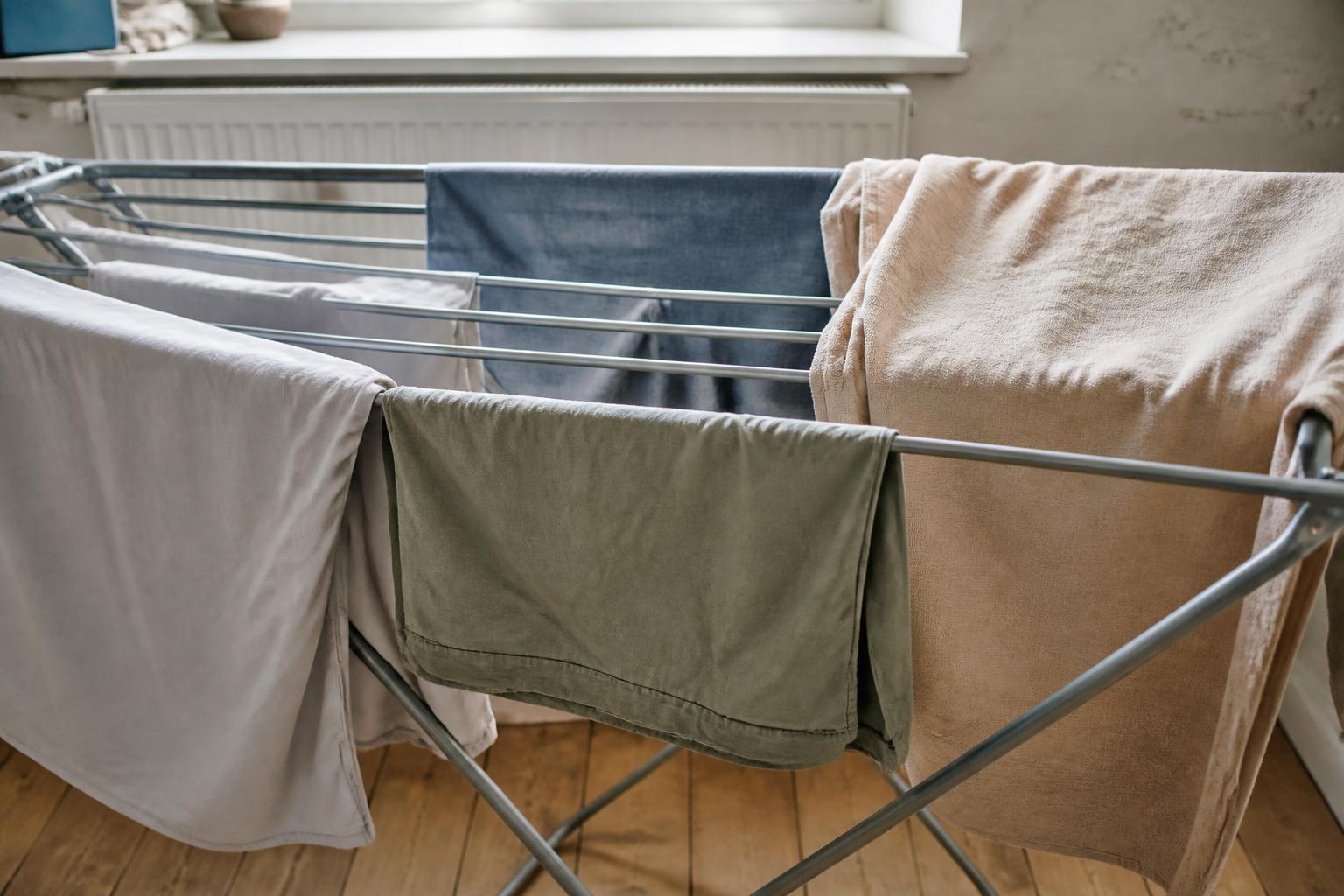
When drying indoors, spacing matters. Do not overlap items heavily on the airer, and do not fold thick pieces over several rails if you can avoid it. A towel doubled over itself will dry far more slowly than one spread out properly. Leave room between garments so air can circulate.
Airflow is usually more important than heat. A warm but still room is often worse than a cooler room with moving air. Open a window when practical, use extractor fans where available, or position the airer in the best-ventilated part of the home. A fan can help in damp weather. A dehumidifier is especially useful in UK winters or in flats where outdoor drying is limited. It helps pull moisture from the room, which speeds up drying and reduces the risk of that stale smell settling in.
Try not to dry laundry in a bedroom you sleep in, if possible, especially in colder months with windows shut. It slows drying, adds moisture to the room and can leave clothes smelling flat rather than fresh.
For outdoor drying, use the driest and breeziest conditions available, not just the sunniest. A bright but still day can be less effective than a cool, breezy one. Turn heavier items if needed and bring them in once fully dry, rather than leaving them outside into the evening damp.
Tumble drying can be very helpful for problem items, but only if the care label allows it. In the UK, care labels usually show a square with a circle inside for tumble drying, with dots indicating heat level. Some garments are fine on low heat but not high. Others should not be tumble dried at all because they may shrink, lose shape, crack at prints or wear out faster. Towels, cotton basics and many bed linens often cope well. Delicates, some knitwear, coated fabrics and elastane-heavy items often do not.
If you are line drying first, a short tumble at the end can sometimes finish off heavier fabrics and remove the last trace of dampness, again only where the care label allows.
What to do if clothes already smell damp after washing
If clothes already smell musty, decide first whether they are actually still damp or whether the smell has set in after drying.
If the items are still slightly damp, dry them fully before deciding they need rewashing. Sometimes the smell disappears once all moisture has gone. This is most likely with thicker cotton items that were simply slow to dry.
If the clothes are dry and still smell stale, rewashing is usually the better option. Running them through another cycle gives you the chance to fix the likely cause, use a sensible load size, choose an appropriate spin speed, and get everything dried promptly afterwards. There is little point masking the smell in storage because it usually returns as soon as the item warms up on the body.
Towels often need a rewash if they smell damp. Use a load size that leaves room in the drum, skip overdoing conditioner, and dry them thoroughly. Towels hold on to stale odours more readily than many clothes because they are designed to absorb and retain moisture.
Sportswear needs a bit more care. Synthetic gym kit can trap body odour and detergent residue at the same time. Use the care label, avoid very high heat unless permitted, and do not assume more detergent will help. A cleaner rinse and quicker drying usually matter more.
Denim is worth handling slightly differently. Jeans can take ages to dry, especially indoors, and thick seams often stay damp after the rest feels dry. If they smell musty, rewash only if needed, then turn them right side out and make sure air reaches the waistband, pockets and seams. Avoid over-washing denim, but do not put slightly damp jeans back into a wardrobe.
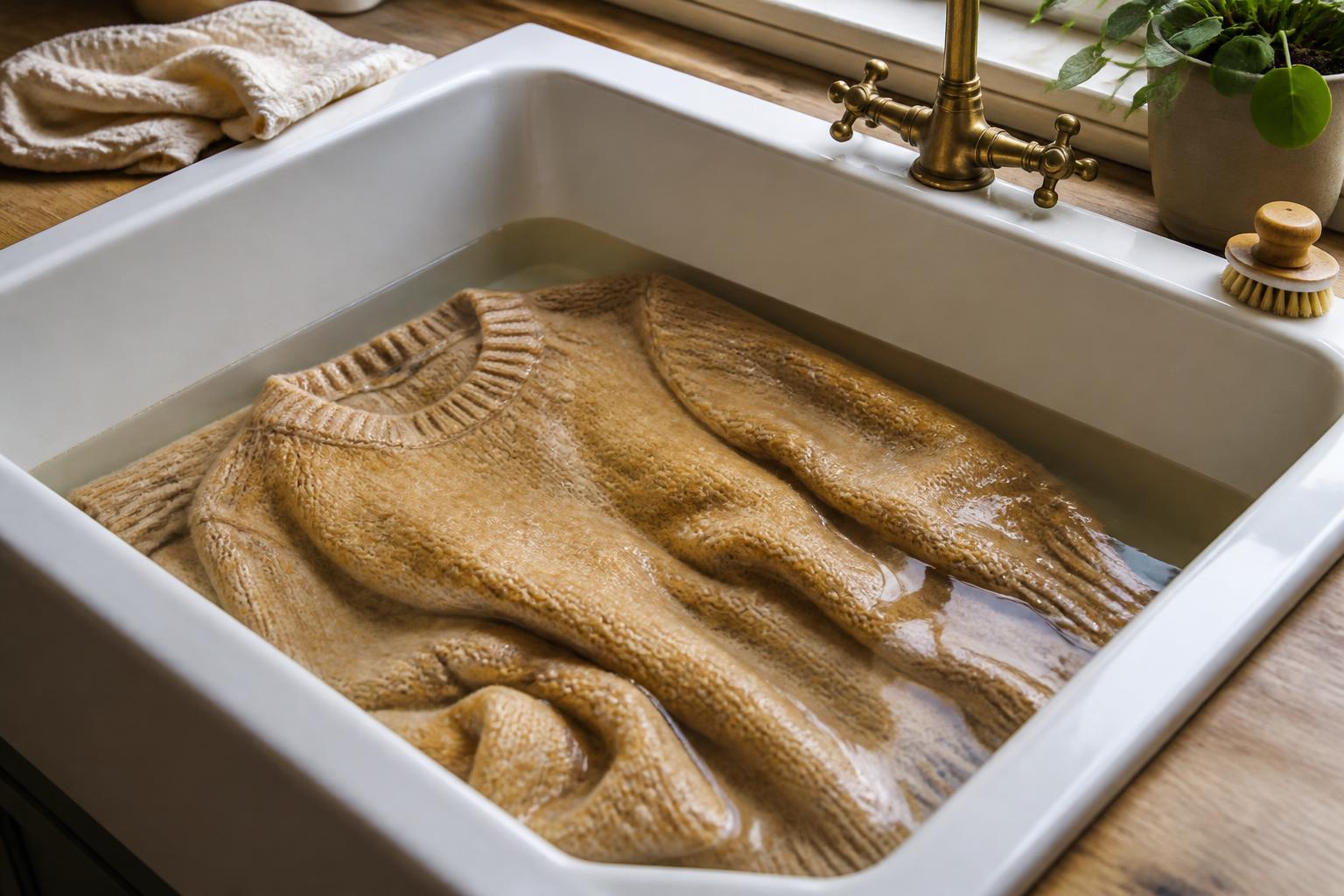
Delicates need the gentlest approach. For silk, wool, lace or anything marked hand wash only, do not throw it onto a hot long cycle to chase a smell. Rewash according to the care label, remove as much moisture as safely possible with a towel if needed, and dry flat or hanging as appropriate. The same applies to garment-dyed items, which can be more sensitive to washing conditions. If that is relevant to your wardrobe, our guide to what garment-dyed clothes mean for care and colour is worth a read.
One final point, if an item has been left damp for a long time and now smells persistently unpleasant even after proper rewashing and drying, the odour may be deeply set. At that stage, repeated washing can also wear the item out, so it is worth being realistic about whether the garment is still salvageable.
A simple routine to stop the smell coming back
The easiest way to prevent damp-smelling washing is to make a few small habits automatic.
On wash day, keep loads sensible. Do not pack the drum too tightly, especially with towels, bedding or heavy casualwear. Dose detergent properly rather than generously. Choose a spin speed and temperature that suit the fabric and the level of grime, not just the quickest programme by default.
When the cycle ends, unload promptly. Shake items out and hang them with space around them. If drying indoors, use the best-ventilated room you have, and add a fan or dehumidifier in damp weather if needed. Check thicker items twice, because waistbands, cuffs, towel hems and pocket areas often stay damp longest.
Each week or so, wipe the door seal and leave the machine door and detergent drawer ajar after use. Every so often, clean the drawer and check the filter. Run a maintenance wash when the machine starts smelling less than fresh, or as recommended by the manufacturer.
Before putting anything away, make sure it is fully dry. Even faint residual dampness can make a whole drawer or wardrobe smell stale. Storage matters too. Clean, dry clothes last better in breathable, uncrowded conditions than in overfilled cupboards. If you are reorganising a small space, our guide to wardrobe care that helps clothes last longer covers the basics.
The good news is that you do not usually need a shelf full of laundry extras to solve this. In most homes, fresher-smelling washing comes from better timing, a cleaner machine and faster drying, not from buying another product. Once that routine is in place, the damp smell usually stops being a recurring problem.

Questions about this article or a correction to suggest? Get in touch. Read more about our editorial approach.