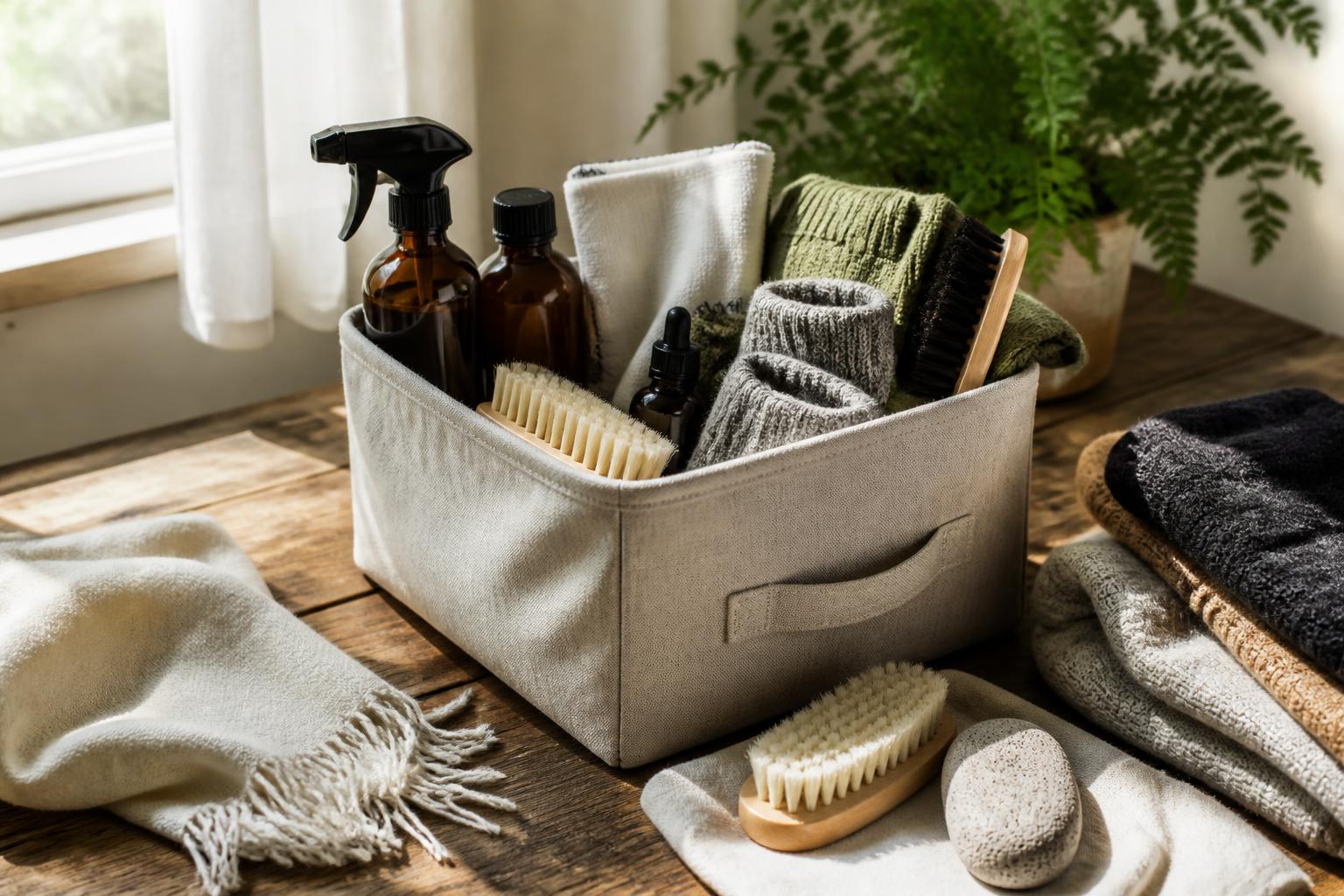
A good fabric care kit is not a box full of gadgets. It is a small set of tools and supplies that helps us wash, dry, refresh, mend and store clothes properly, so they get worn again instead of sitting damaged in a drawer. For most UK wardrobes, that means a few reliable basics, chosen to suit the fabrics we actually own.
The aim is simple. We want to keep everyday clothes presentable and comfortable for longer, avoid preventable shrinkage or bobbling, and make small repairs before they become reasons not to wear something. If we build the kit around care labels and fibre content, we spend less, store less, and get better results.
What a fabric care kit is for
A fabric care kit is there to solve ordinary wardrobe problems before they turn into waste. A jumper pills. A shirt loses a button. A hem starts to drop. Trainers and gym kit hold onto odour. A pair of trousers needs a quick spot clean rather than a full wash. None of that requires a dedicated laundry room or a shelf of specialist products.
The real purpose of a fabric care kit is to make clothes wearable again, quickly and safely. That includes:
- washing with the right level of care
- drying in a way that protects shape and fabric
- removing lint and pills without thinning the cloth
- dealing with fresh marks before they set
- making simple repairs
- storing clothes so they stay clean, aired and ready to wear
For most of us, the best kit is modest. One useful detergent is better than three trendy ones. A decent sweater comb or fabric shaver is more helpful than a cupboard full of one-job gadgets. Good hangers and a drying rack often do more for clothing life than another bottle of treatment.
This is especially true if we are trying to build a practical wardrobe rather than a perfect one. Clothes last longer when we can care for them without fuss. If the process is too complicated, we stop doing it. That is why we favour tools that work across multiple fabrics and tasks, while still respecting care labels.
Check these labels and garment details first
Before buying anything for a fabric care kit, check the garments you already wear most. The label inside the side seam or neck is where to start. Look at three things together:
- care symbols
- fibre content
- garment details such as lining, trims and construction
Care symbols tell us the manufacturer’s instructions. In the UK, these broadly follow the same standard symbols used across Europe, but the practical point is the same, always follow the garment label first where it gives a clear instruction. If a label says hand wash only, do not assume a delicate machine cycle is close enough. If it says do not tumble dry, treat that as a hard stop.
If you need a refresher, our guide to how to read clothes care symbols without ruining favourites sets out the symbols in plain English.
Fibre content matters because cotton, wool, viscose, polyester and elastane all behave differently.
- Cotton usually tolerates more robust washing, but can shrink if overheated.
- Wool needs lower agitation and careful drying, especially lambswool, merino and cashmere.
- Viscose can lose strength when wet and may distort if handled roughly.
- Polyester sportswear often survives frequent washing but traps odour and can snag.
- Elastane does not like high heat, whether in washing, radiators or tumble drying.
Then check trims and construction. These often decide whether something can be washed at home and what belongs in your kit.
Look out for:
- sequins, beads or glued embellishments
- shoulder pads, fused collars and structured tailoring
- metal hardware that may rust or abrade
- contrast panels with different care needs
- loose weaves that snag easily
- garments labelled dry clean only because of shape, not just fibre
A wool coat with a synthetic lining, for example, may need a clothes brush, a lint roller and good storage, but not home soaking or frequent washing. A cotton shirt with shell buttons may benefit from a mesh washing bag. A silk blouse with deodorant marks needs very different treatment from a polycotton school shirt.
This first check stops us buying things we do not need. It also shows where our actual risks are. If most of the wardrobe is denim, cotton jersey and knitwear, that points to a very different fabric care kit from one built around tailoring, silk and technical outerwear.
The core fabric care kit for most UK wardrobes
For a typical UK wardrobe, we would keep the core kit small and practical. These are the items that earn their place.
1. A mild everyday detergent
Choose one detergent that suits most loads and rinse conditions in your area. In hard water areas, you may need to adjust dose according to the pack instructions. More detergent is not better. It often leaves residue and can make clothes feel stiff or hold smells.
A non-bio detergent is useful for sensitive skin, but bio detergents can be better at removing body oils and everyday marks at lower temperatures. What matters is using the right amount for load size, soil level and water hardness.
2. A mesh washing bag or two
These are genuinely useful. Use them for bras, tights, fine knitwear, shirts with delicate buttons, and smaller items that get twisted or stretched. They are also helpful for second-hand pieces when we want an extra layer of protection on a first wash.
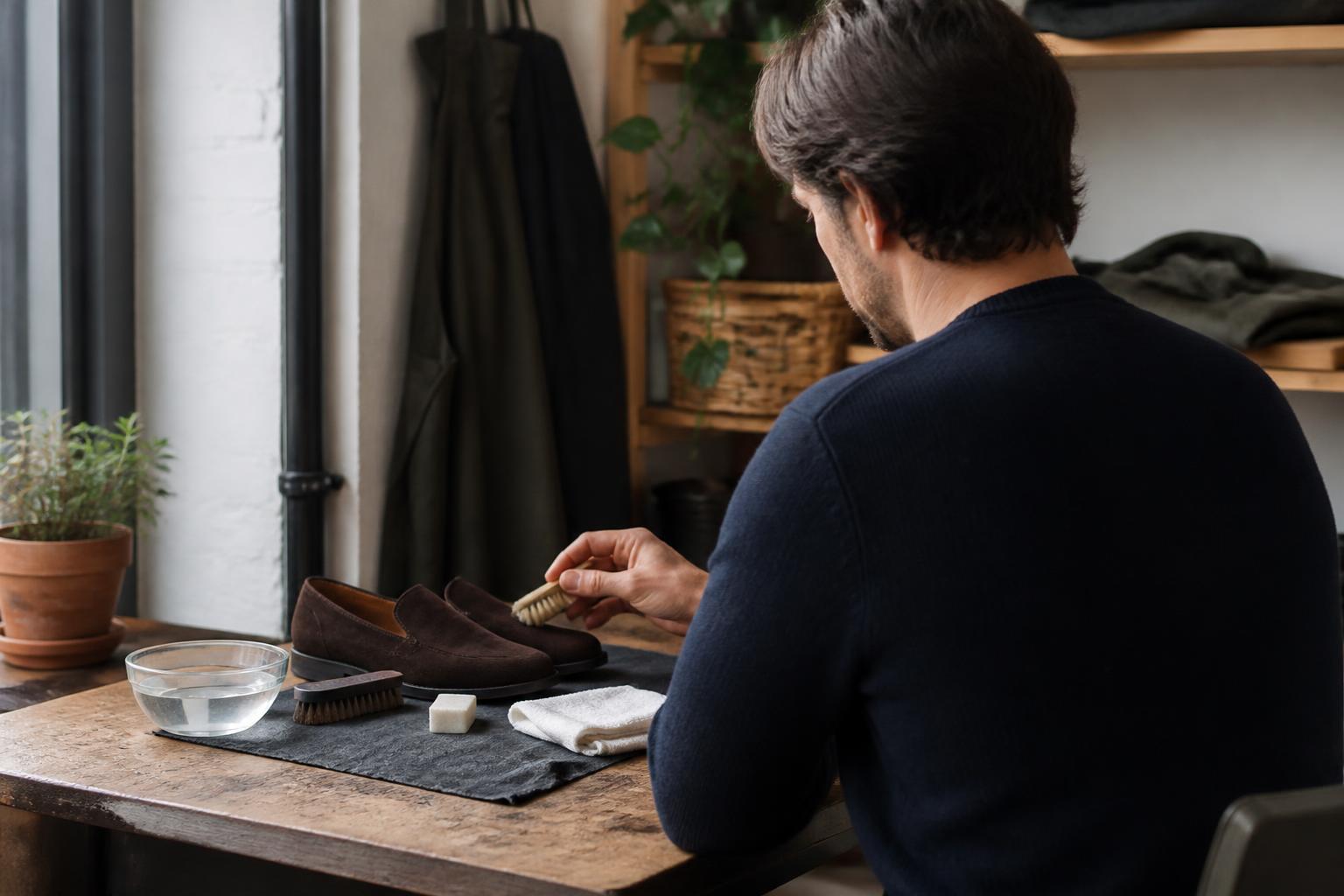
3. A soft stain cloth and a small bowl
You do not need a branded stain station. A clean white cloth, a bowl of cool water and a mild soap or stain treatment cover a lot of ground. The key is to blot, not scrub, and to test first on an inside seam if the fabric is dark, garment-dyed or delicate. If colour movement is a concern, our piece on what garment-dyed clothes mean for care and colour is worth reading before you start.
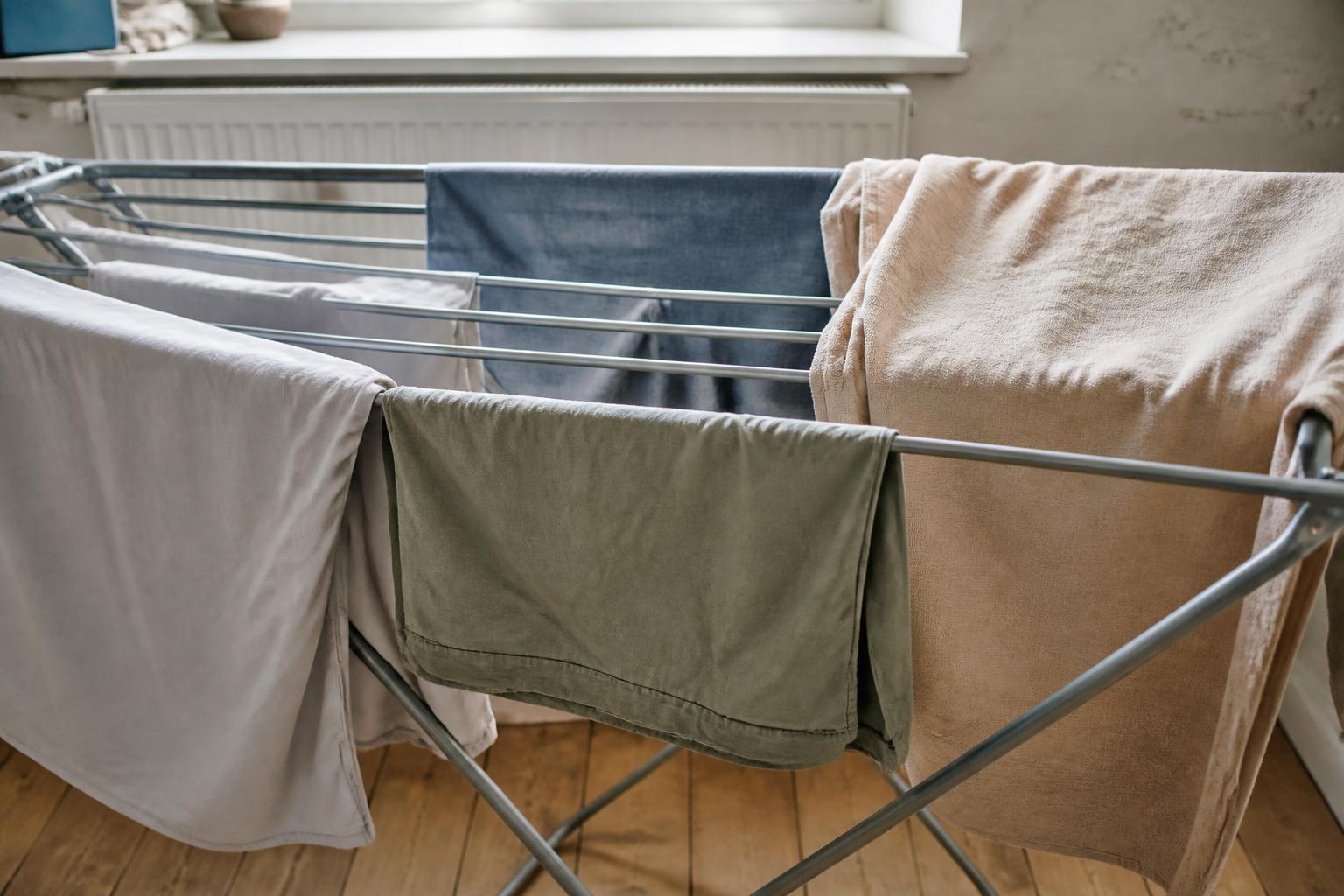
4. A drying rack
A proper airer is one of the best fabric-care purchases most households can make. It helps us avoid unnecessary tumble drying, supports reshaping knitwear, and reduces heat damage. In the UK, where indoor drying is common for much of the year, airflow matters. Leave space between garments and ventilate the room if you can, otherwise clothes can dry slowly and develop a stale smell. We cover that in more detail in how to stop washing coming out with a damp smell.
5. Good hangers
Keep a small set of hangers that actually suit the clothes. Shaped hangers help shirts, blazers and dresses keep their line. Avoid thin wire hangers for regular storage, as they can distort shoulders. Heavy knitwear should usually be folded rather than hung.
6. A lint brush or clothes brush
This is especially useful for coats, trousers, wool overshirts and darker fabrics that show dust and hair. A proper clothes brush is better than a sticky roller on many woven fabrics and outer layers. It refreshes without waste and helps reduce the need for frequent washing.
7. A de-pilling tool
For knitwear and jersey, choose either a sweater comb for robust knits or a fabric shaver with a guard for broader use. Use a light hand. The aim is to remove loose pills sitting on the surface, not to keep shaving until the fabric looks brand new. Overdoing it thins the cloth.
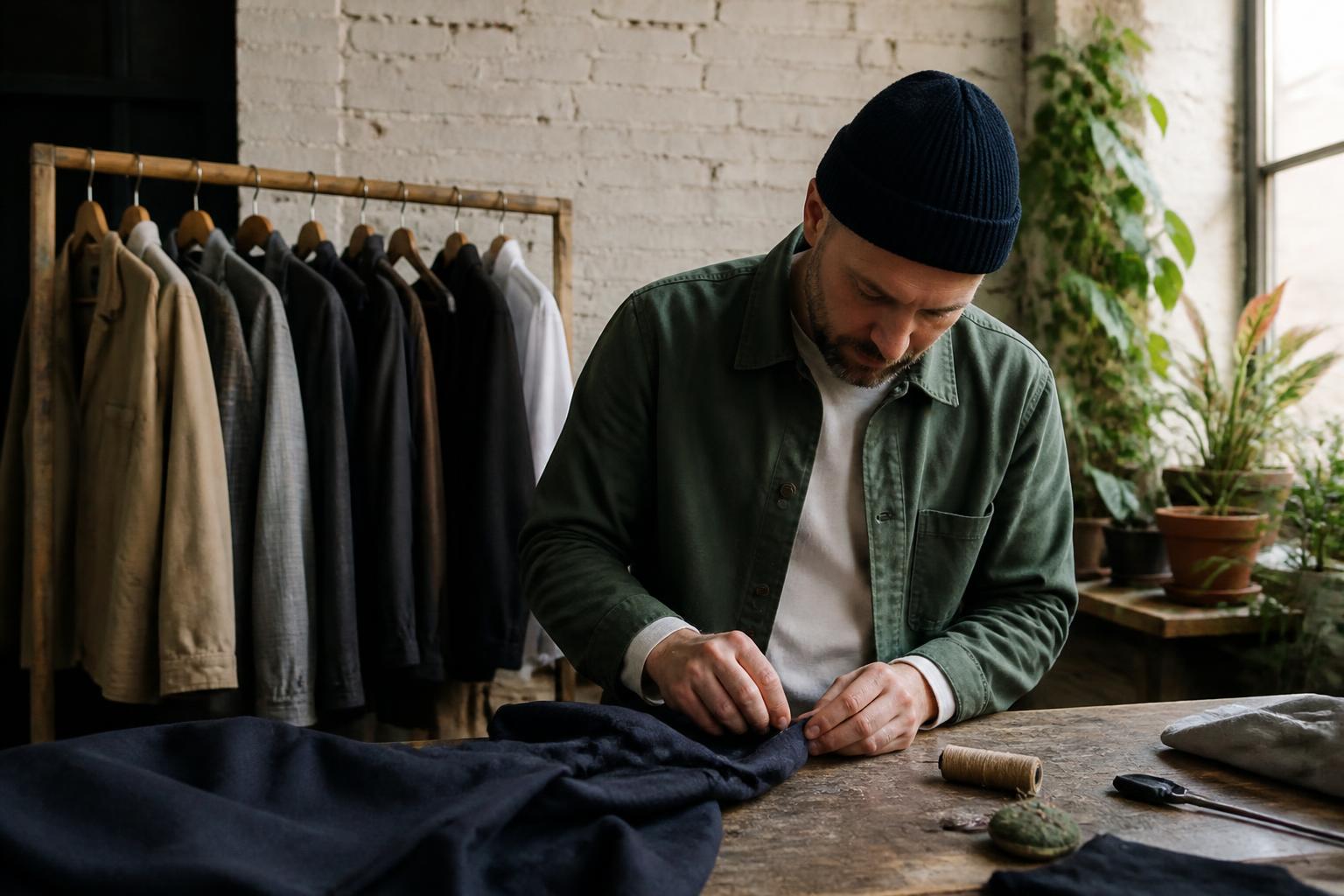
8. A small sewing kit
This should be basic, not aspirational. Include:
- hand sewing needles
- a few thread colours, navy, black, grey, white and one neutral
- small sharp scissors
- safety pins
- spare buttons
- a seam ripper
- a measuring tape
That is enough for missing buttons, loose hems, popped seams and small lining repairs. These are the repairs that often decide whether something gets worn tomorrow or ignored for months.
9. Storage basics
A breathable storage bag, a drawer sachet if you like one, and a lidded box for off-season accessories are enough for many homes. Avoid sealing natural fibres in plastic long term, especially if there is any chance of trapped moisture. Clean garments before storing them away, particularly wool and cashmere.
What to add for wool, denim, sportswear and delicate fabrics
Once the basics are covered, add extras only where your wardrobe needs them.
Wool
If you wear a lot of wool, cashmere or merino, add:
- a wool wash or detergent suitable for animal fibres
- a sweater comb or gentle de-piller
- a folding drying mesh or a clean towel reserved for reshaping knitwear
- cedar blocks or another moth-deterrent storage measure, used sensibly and checked regularly
Wool benefits from less washing and more airing. Often a jumper just needs to rest flat overnight after wear. If a wool item has already gone wrong, our guide on how to rescue a shrunken wool jumper at home explains what is realistic and what is not.
Denim
For denim-heavy wardrobes, the useful additions are simple:
- a soft brush for dust and dried surface dirt
- colour-catcher sheets if you regularly wash dark indigo items
- matching thread for hems, belt loops or pocket repairs
Denim usually does not need lots of product. It needs sensible washing, turned inside out, with attention to dye transfer and drying. Avoid over-washing stretch denim, as repeated heat and agitation can wear out elastane.
Sportswear
Technical sportswear and gym kit often needs:
- a detergent that rinses clean at lower temperatures
- a mesh bag for lightweight items with zips or hooks
- a soft brush or cloth for spot cleaning bag straps, waistbands and underarm residue
- somewhere to hang damp kit immediately after use
Fabric conditioner is often a poor choice here because it can coat technical fibres and reduce wicking performance. Always check the label, but many sports fabrics do best with straightforward washing and prompt drying.
Delicate fabrics
If you own silk, lace, fine viscose or lightly structured pieces, consider:
- an extra mesh bag
- a pH-appropriate delicate wash where the label allows hand washing
- padded hangers for selected items
- a pressing cloth if you iron
For delicates, handling matters as much as product. Supporting the weight of wet fabric, avoiding wringing, and drying away from direct heat often make the difference between a garment that keeps its shape and one that does not.
What is usually not worth buying?
A lot of laundry and fabric-care products sell convenience, but do very little. We would skip most of the following unless there is a very specific need.
Large sets of stain removers
If every mark seems to need a different bottle, the system is too complicated. For most households, a mild detergent, quick action and careful blotting cover the majority of day-to-day stains.
Strong fragranced boosters
These often mask problems rather than solving them. If washing smells stale, the issue may be slow drying, detergent build-up, an overfilled machine or a washing machine that needs cleaning.
Harsh lint tools
Anything with an exposed rough blade or overly aggressive surface can damage fibres quickly. If a tool catches threads or leaves the fabric looking fuzzy rather than smooth, stop using it.
Cheap fabric shavers with no guard
Some work well, but the very cheapest versions can chew holes into lightweight knits or jersey. A guard and a gentle touch matter more than power.
One-purpose gadgets
Sock clips, folding boards, battery-powered spot scrubbers and similar extras rarely change whether clothes get worn again. If a plain cloth, a hanger or a mesh bag does the same job, keep it simple.
Miracle sprays with vague claims
Be wary of products that promise to refresh, protect, waterproof, remove odour and restore colour all at once. If the label does not clearly explain what the product is for, what fibres it suits, and how to patch test it, it does not belong near favourite clothes.
Vacuum storage for everyday use
These bags have their place for occasional space-saving, but they are not ideal for routine storage of garments we want to keep in shape. Compression can crush fibres and create hard creases, especially in wool, tailoring and padded outerwear.
How to use your kit without damaging clothes
A useful fabric care kit only works if we use it in the right order. This is the routine we come back to.
1. Check for marks and damage before washing
Look for stains, loose hems, missing buttons, open seams and care-label restrictions. Fresh marks are easier to treat before a full wash. If the label says dry clean only, stop there unless you are fully prepared to accept the risk. Manufacturer instructions take priority over general tips.
2. Sort by colour, fabric and level of care
Do not wash a sturdy cotton towel load as if it were the same as fine viscose tops. Separate lights and darks where dye transfer is possible. Keep lint-shedding items away from dark jersey and tailored pieces.
3. Pre-treat carefully
Blot stains with a clean cloth. Use cool or lukewarm water unless the care label or product instructions clearly say otherwise. Avoid scrubbing at wool, silk or brushed fabrics. Test stain treatments on an inconspicuous area first.
4. Wash with the mildest effective setting
Use the coolest, shortest cycle that will still clean the garment properly. That is often enough for lightly worn items. Overwashing is hard on fibres. So is overloading the machine, which stops proper rinsing and increases abrasion.
Fasten hooks, zip zips, and turn printed or dark garments inside out where useful. Put delicate items in mesh bags. Measure detergent rather than guessing.
5. Dry with shape in mind
This is where many clothes are lost. Reshape knitwear while damp. Dry heavy jumpers flat. Hang shirts neatly if that reduces ironing. Keep elastane-rich items and many delicates away from high heat. If the label permits tumble drying, use the lowest suitable heat rather than defaulting to hot.
In the UK, indoor drying is often unavoidable, but stale air slows the process. Open a window where practical, use extractor fans, and avoid draping everything on radiators.
6. De-pill only when the fabric is clean and dry
Pills show up more clearly on a clean garment, and dry fabric is easier to work on safely. Lay the item flat, keep the surface taut, and take light passes. Stop as soon as it looks tidy. A little wear is normal. We are aiming for wearable, not factory-new.
7. Mend small issues straight away
A button in a dish can sit there for six months. A button sewn back on takes five minutes. Keep the sewing kit accessible and deal with tiny jobs before putting the garment away. If something needs a tailor, pin a note to it and set it aside properly rather than letting it disappear back into the wardrobe.
8. Store clean clothes properly
Brush coats before hanging them up. Fold knitwear. Give worn but not dirty clothes enough air before returning them to a cupboard. Do not pack damp garments away. For seasonal storage, wash or clean first, then store in a breathable container.
A fabric care kit is most useful when it matches the wardrobe we really wear. Start with labels, buy the basics, and add only what your fabrics need. That keeps costs sensible, routine manageable, and more of your clothes in regular use.

Questions about this article or a correction to suggest? Get in touch. Read more about our editorial approach.