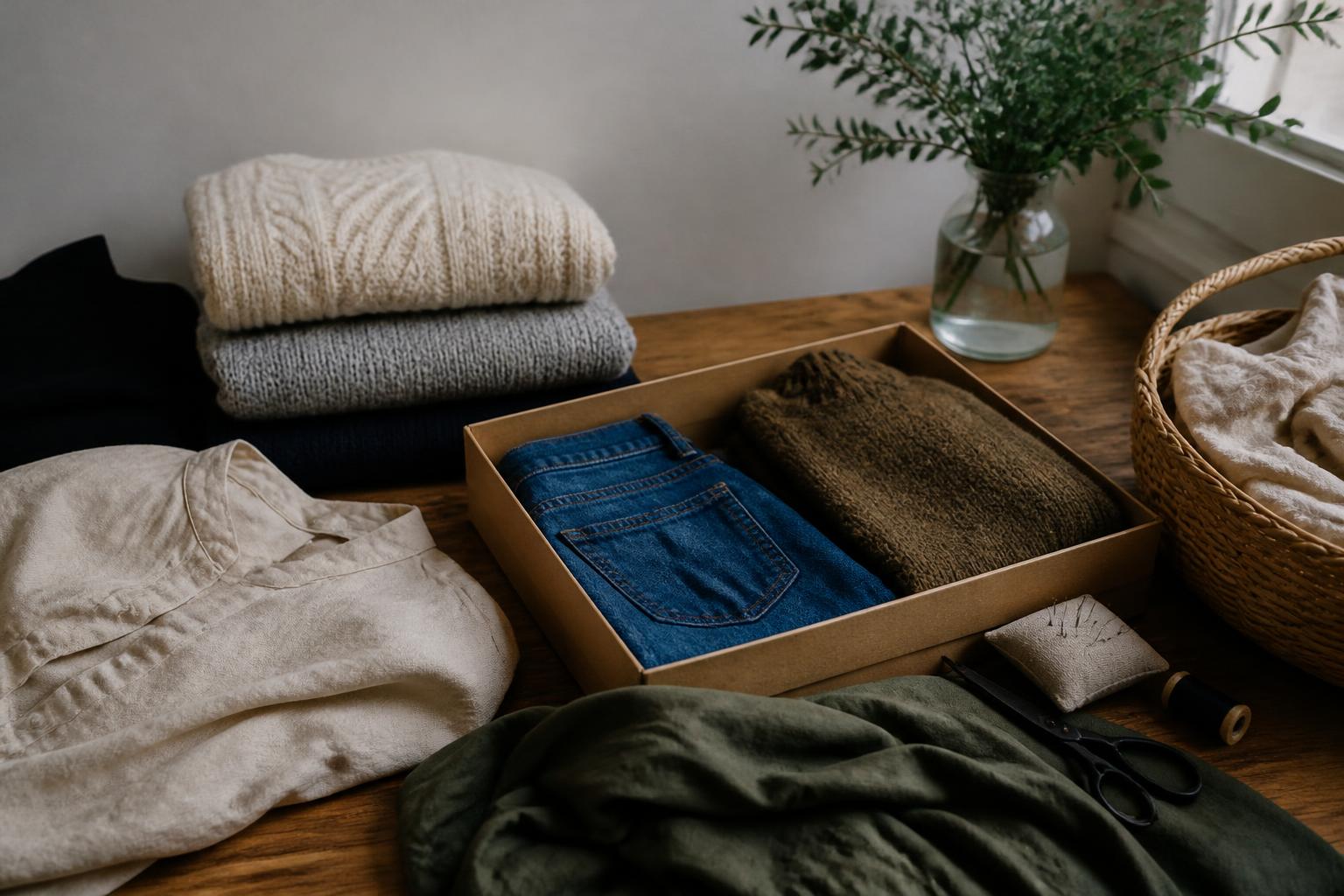
If you want to buy less and use more, the most helpful fashion books are not the glossy ones that leave you admiring somebody else’s wardrobe. They are the ones that change what you do on an ordinary Tuesday, when you are deciding whether to wash a jumper, replace a zip, browse Vinted, or talk yourself out of another “useful basic”.
The best sustainable fashion books help you make better decisions with the clothes you already own. They give you a way to plan, care for, mend and evaluate garments without turning your life into a project. That matters more than a dramatic manifesto. A book is useful if it saves you money, slows down replacement buying, and makes your wardrobe easier to live with.
What makes a sustainable fashion book genuinely useful?
A useful book does at least one of three things well.
First, it helps you see your wardrobe clearly. That might mean tracking what you actually wear, spotting duplication, understanding why certain purchases fail, or building outfits from what is already in the drawer and on the rail. This is practical, not aspirational. We want books that help with school-run coats, office shoes, knitwear that pills, and occasionwear that gets worn twice a year, not fantasy packing lists for a life most of us do not live.
Second, it helps you keep clothes in service for longer. That includes laundering less aggressively, storing garments properly, dealing with moth risk, removing bobbles, sewing on buttons, patching knees, and knowing when a repair is realistic. A chapter on fibre politics is interesting. A page that shows how to reshape a damp wool jumper flat on a towel is often more valuable.
Third, it helps you buy more carefully when you do need something. A genuinely useful title gives you a framework for checking fabric, construction, fit, aftercare and expected wear. It should make you slower, not faster. If a book leaves you wanting to replace your whole wardrobe with a “better” one, it may be stylish, but it is not especially sustainable in practice.
The difference between broad commentary and practical guidance is simple. Commentary explains the fashion system, labour issues, waste, fibres and marketing. That can be important, and we will come to it. But practical guidance changes your next decision. The strongest books often combine both. They explain enough about the system to sharpen your judgement, then show you what that means when you are holding a coat in a charity shop or reading a care label at home.
Which types of books are worth your time?
Not every reader needs the same kind of book. We tend to see five categories that are worth the shelf space.
1. Wardrobe planning books
These are the best starting point if your main problem is overbuying, duplication or feeling that you have “nothing to wear” despite a full wardrobe. Look for books that cover outfit repetition, seasonality in a UK climate, laundry reality, and the gap between your real week and your imagined one.
The useful signs are prompts such as keeping a wear diary, listing wardrobe gaps after getting dressed rather than while shopping, and reviewing what you reach for in different weather. Less useful are rigid capsule formulas that assume everyone needs the same number of shirts, the same neutral palette, or the same office life.
A good wardrobe planning book should help you pause before buying. It should also make room for existing clothes, including awkward ones you are trying to use up, alter, resole or finally pass on.
2. Garment care books
If you already own enough clothes but replace them too quickly, care books are often the highest-value choice. Good ones explain washing temperatures, detergents, drying methods, fibre behaviour and storage in plain language.
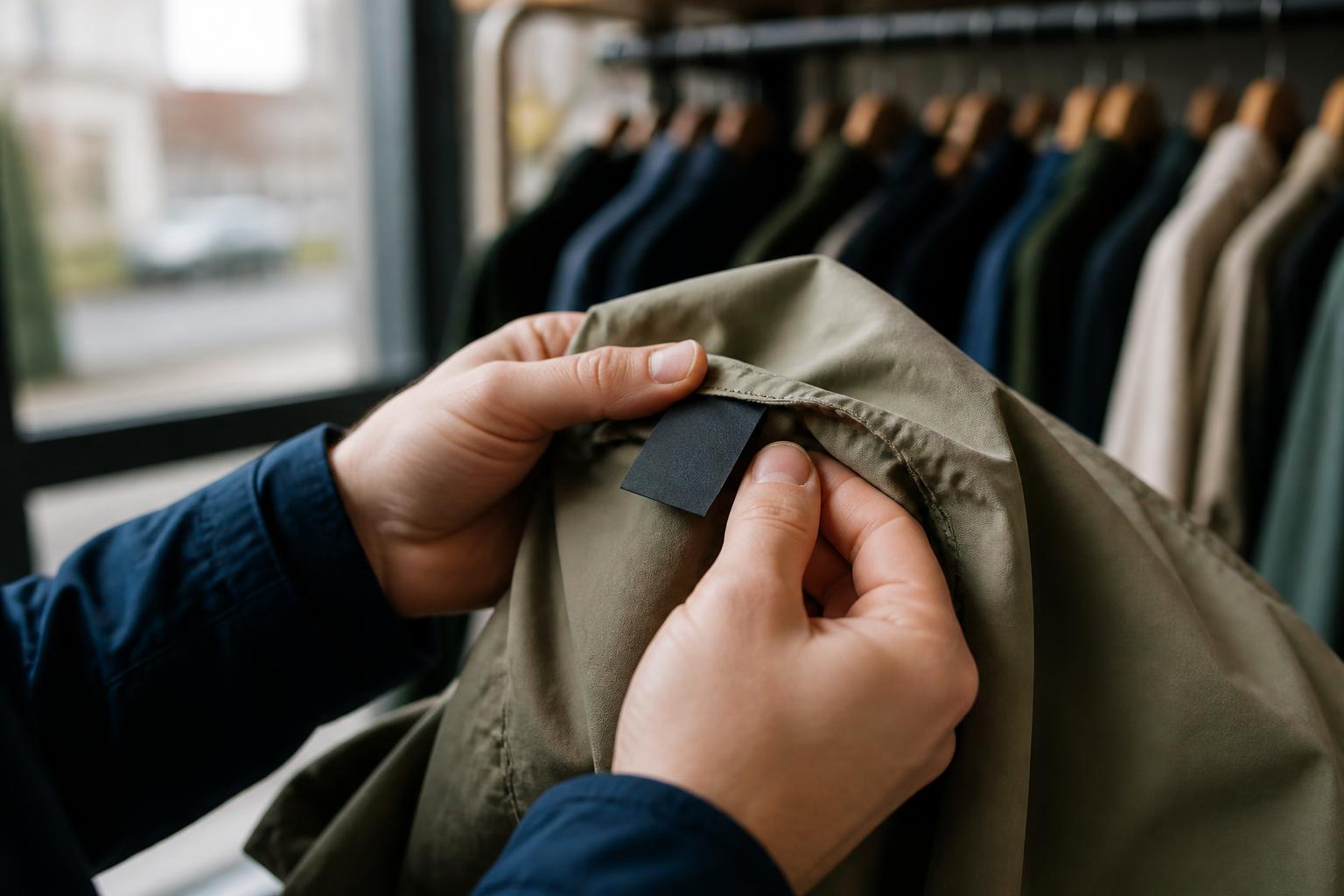
For UK readers, practical detail matters. We air-dry far more than many readers in the US, and many homes deal with damp, limited storage, and winter laundry that takes ages to dry. A useful care book should recognise that. It should also respect care labels. In the UK, care labels are not decorative. They are the first thing to check before washing, steaming, ironing or stain-treating. Advice that ignores them is not robust.
We especially value books that explain the difference between cleaning and refreshing. A wool jumper often needs airing and spot cleaning more than a full wash. Denim does not need routine hot washing. Tailoring can be brushed and rested. These are the habits that reduce wear.
3. Repair and mending books
Repair books are worth your time if you regularly abandon clothes over small faults, loose hems, missing buttons, split seams, worn elbows or thinning socks. The best titles show both visible and invisible repair options, explain when hand sewing is enough, and tell you when to stop and use a local alterations or repair service instead.
Look for books with clear photographs, stitch names, fabric-specific advice, and sections on common household problems. A repair guide that covers knitwear, denim, shirt buttons and simple seam repairs will be more useful to most readers than one focused mainly on decorative embroidery.
A practical repair book should also tell you what tools you actually need. For most beginners, that is a small sewing kit, matching thread, basic needles, sharp scissors, pins or clips, spare buttons, and perhaps a fabric shaver or comb for knitwear. You do not need a whole craft identity to sew on a button.
4. Second-hand shopping books
Second-hand guides can save you a lot of money and a lot of mistakes, if they focus on assessment rather than treasure-hunt romance. The useful ones teach you to check measurements, fabric content, signs of wear, odour, pilling, seam strain, repairs, missing belts or linings, and whether a garment can realistically be altered.
For online second-hand shopping in the UK, books or guides that discuss seller photos, request messages, returns limitations and postage economics are especially helpful. A cheap item is not cheap if it arrives with underarm staining, shrinkage or moth damage and cannot be returned.
The best second-hand books also help with self-control. They remind you that rarity is not a reason to buy, and that “good brand, low price” is not the same as “useful addition to your wardrobe”.
5. Fashion systems explainers
These are the broader books, and they matter because they help you judge claims. They explain supply chains, fibres, labour, overproduction, greenwash and the way trend cycles are manufactured. On their own, they may not stop you shrinking a merino jumper or buying the wrong size on eBay. But they give you the context to understand why individual choices feel confusing.
We find these most useful when paired with practical reading. If you want more on translating system-level knowledge into everyday decisions, our guide to how the fashion system affects your wardrobe choices is a good companion.
How to judge claims, dates and evidence in fashion books?
Fashion publishing has a dating problem. A book can be excellent on shopping habits and still be out of date on fibre claims, resale platforms, legislation or certification language. That does not make it useless, but it does mean you should read with a pencil in hand.
Start with statistics. If a book gives a dramatic number about water use, landfill, returns, waste or garment lifespans, check whether the source is named and whether the figure is tied to a specific product, fibre, region or production method. Broad comparisons are often repeated long after the original context has been lost. If the claim sounds neat enough to fit on a tote bag, it is worth slowing down.
Be cautious with environmental comparisons between fibres. “Cotton is better than polyester” or “synthetics are always worse” is too blunt to be useful. A stronger book will explain trade-offs, such as durability, wash frequency, end use, blending, and whether a fabric suits the garment’s job. A waterproof shell, school tights and a wool jumper do not need the same things from a fibre.
Certification references also need care. In the UK, readers will often see the same global schemes discussed as in EU publishing, but the legal context around consumer claims and product information can differ. A book may mention certifications as if they settle the question. They rarely do. A certification can tell you something specific about a stage, fibre, chemical process or chain of custody. It does not automatically make a brand broadly “good”. We cover that kind of claim-checking in our piece on how to judge fashion designers without falling for claims.
Publishing date matters most in four areas. One, online resale, because platforms, fees and buyer protections change quickly. Two, legislation and green claims guidance. Three, brand examples, because a company praised ten years ago may now be owned, structured or marketed very differently. Four, laundry technology and fabric finishes, because care advice can age badly if it becomes too general.
Older books are often still excellent on sewing, wardrobe psychology, tailoring, shoe care and knitwear maintenance. Those parts do not expire quickly. Treat them as durable skills. Treat system claims and shopping recommendations as things to verify.
A final test is whether the book admits uncertainty. Fashion is full of trade-offs. Books that present every decision as morally simple tend to be less reliable than books that say, in effect, this depends on use, care, longevity and what you already own.
The best sustainable fashion books for different readers
Rather than one grand list, we prefer a shortlist by need. The best sustainable fashion books are the ones you will actually use.
For complete beginners
Choose a wardrobe planning book with a calm tone and practical exercises. You want something that helps you review what you wear, identify patterns, and understand why purchases go wrong. The ideal beginner book does not ask you to replace everything with linen in shades of oatmeal. It helps you work with your current wardrobe first.
Look for chapters on outfit tracking, seasonal reviews, shopping pauses and wardrobe gaps. If a book makes you feel judged for owning high street basics, put it back.
For readers focused on repair
Pick a mending book with step-by-step photographs and common repairs. Prioritise one that covers buttons, hems, seam splits, knitwear snags, patching and basic darning. If you are new to sewing, avoid books that leap straight into advanced alterations without teaching the basics.
The best repair title for you is not necessarily the most beautiful one. It is the one you will keep open on the table while fixing a cuff.
For second-hand shoppers
Choose a book or guide that teaches assessment. You want help with measurements, fibre labels, construction clues, signs of wear, and the difference between a bargain and a burden. Good second-hand shopping advice should include when to walk away, especially from shoes with damaged linings, coats with hidden odours, and knitwear with moth holes near seams.
If you shop mostly online, favour recent publishing dates. Platform habits change fast.
For readers trying to reduce impulse buys
Look for books on shopping psychology, wardrobe habits and personal style boundaries. The most useful ones explain triggers, fantasy self shopping, sale logic, influencer effect and the way convenience becomes overconsumption.
This is often where broad commentary and practical help meet. If you are trying to buy less without disengaging from fashion entirely, our guide to how to use a sustainable fashion blog in real life may help you turn ideas into limits that work.
For readers who want the bigger picture
Choose one strong fashion systems explainer, then pair it with a practical care or wardrobe book. That combination is usually better than reading three books about industry failure and none about how to stop shrinking your knitwear or overbuying black ankle boots.
How to use a fashion book without buying a whole new lifestyle
The easiest way to waste a good book is to read it as identity material. The most useful way is to turn it into one or two changes at a time.
Start with your current wardrobe, not a shopping list. As you read, keep a simple note with three headings: care, repair, and buying. Under care, write actions like “air wool between wears” or “wash delicates in a mesh bag”. Under repair, note items that need a button, hem or depilling session. Under buying, write rules, not products, such as “no more navy jumpers until one leaves” or “check sleeve length and fabric content before buying second-hand coats”.
Respect care labels, especially on wool, silk, tailored pieces and mixed fibres. If a book gives general laundering advice, treat the garment label as the deciding instruction unless you fully understand the risk. In the UK, consumer rights around faulty goods are one thing, but damage caused by home laundering is another. If you ruin a dry clean only jacket in the machine, the label will not be on your side.
Keep costs realistic. A useful wardrobe does not require a cedar-lined dressing room and a shelf of specialist products. Most people can improve garment life with a few basics, decent hangers for coats and jackets, a sweater comb or fabric shaver used gently, a needle and thread, and a habit of airing clothes before washing them. For shoes, a brush and occasional conditioning can go a long way. For storage, clean, dry and breathable matters more than perfection.
Use the book to create a maintenance rhythm. For example, once a month you might check for missing buttons, depill knitwear, clean trainers, and review anything unworn. At the change of season, you can wash or dry clean only what genuinely needs it, store clean items away, and note any gaps after several weeks of actual wear. This is far more effective than a dramatic declutter followed by expensive “replacement essentials”.
Most importantly, do not let reading become another form of consumption. You do not need a new aesthetic, a new set of approved brands, or a morally spotless wardrobe to get value from these books. You need a better relationship with the clothes already in your life.
That is why the most useful sustainable fashion books are not really about fashion at all. They are about maintenance, judgement, restraint and use. Read them with your wardrobe open, not your basket open.

Questions about this article or a correction to suggest? Get in touch. Read more about our editorial approach.