Choosing fabrics that last in a real wardrobe is less about finding one perfect fibre and more about matching material to use. The best choice is usually the one you will wear often, care for properly, repair when needed, and keep in use for years. That is why conversations about eco friendly clothing materials are most useful when they move past simple good or bad lists.
In practice, we look for four things at once. Does the fabric suit the job? Will it cope with the washing and weather your life actually involves? Can it be mended if something goes wrong? And is there enough clear information on the label to judge what you are buying? A breathable linen shirt, a hard-wearing wool jumper and a polyester waterproof can all be sensible choices in the right place. The trick is knowing what each material is good at, and where the compromises sit.
What makes a clothing material a better choice
A better clothing material is one that performs well for its purpose and stays useful for a long time. That sounds obvious, but it cuts through a lot of vague marketing. If a fabric pills badly after six wears, shrinks because the care needs were unrealistic, or cannot be repaired once a seam gives way, it is not doing much for your wardrobe, whatever claim sits on the swing tag.
When we talk about eco friendly clothing materials in wardrobe terms, we usually mean materials with a sensible balance of lower impact, useful lifespan and manageable upkeep. That includes:
- durability for the garment type
- care requirements that fit normal home routines
- repairability, including whether seams, hems and holes can be mended
- comfort and wearability, because unworn clothes do not become good value
- enough transparency to understand what the fabric actually is
Lifespan matters because the longer a garment remains in regular use, the more value you get from the resources that went into making it. A sturdy cotton twill overshirt worn for years is often a better wardrobe choice than a delicate top that looks tired after one season. The same applies to knitwear. A well-made wool jumper that can be de-pilled and darned usually has more staying power than a very soft, low-twist knit that bags out quickly.
Care needs matter just as much. Some fabrics are technically durable but impractical if they need specialist cleaning you will not keep up with. Others are easy to wash but wear out faster under high heat or frequent tumble drying. If you know you rely on a weekly 30°C wash and line drying, buy for that reality.
Repairability is often overlooked. Natural fibres such as wool, cotton and linen are generally straightforward to patch, darn or re-stitch. Some synthetics are also repairable, but methods differ. Waterproofs and coated fabrics need the right products and technique, which is why we have separate guidance on patching waterproof clothing without making leaks worse. Very stretchy, fine jersey can be harder to mend neatly than a woven fabric, regardless of fibre type.
Evidence limits matter too. Broad claims about one fibre always being best are rarely reliable. Farming methods, chemical processing, dyeing, finishing, transport, garment construction and lifespan all affect the final picture. Labels also do not tell you everything. In the UK, fibre composition must be stated using recognised textile fibre names, but that does not give a full account of how the fabric was grown, processed or finished. So we treat fibre content as useful evidence, not the whole story.
How the main fibre groups compare
Most wardrobe fabrics fall into three broad groups, natural fibres, regenerated cellulosics and synthetics. Each has strengths, weaknesses and better uses.
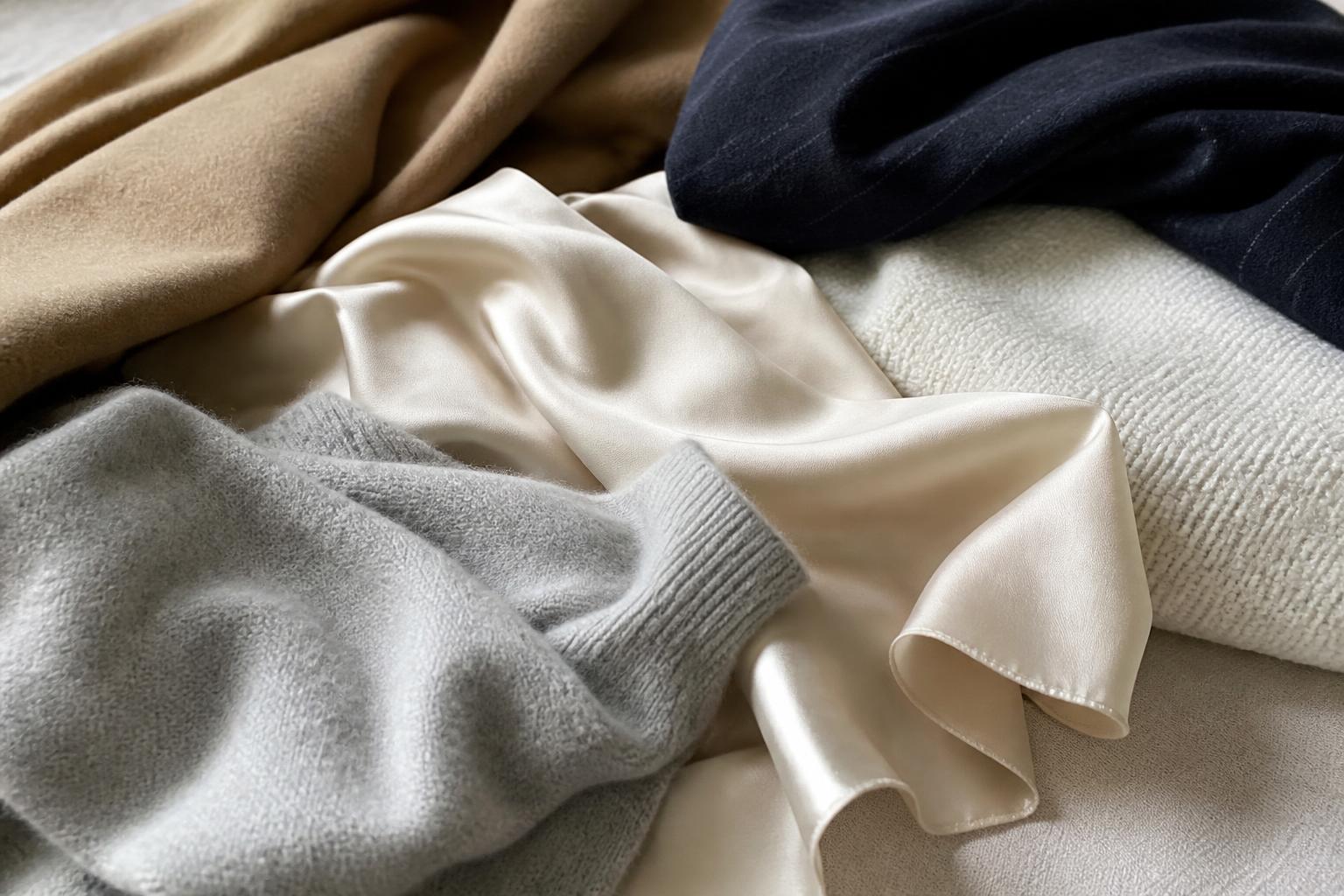
Natural fibres include cotton, linen, wool, silk and hemp. Cotton is familiar, washable and versatile. It works well in T-shirts, shirts, denim and many linings. But not all cotton performs the same. A dense cotton drill or twill will usually outlast a very thin single jersey. Linen is breathable and often hard-wearing, especially in woven garments, though it creases easily. Wool is excellent for warmth, odour resistance and repairability, but care varies a lot. Some wool can be hand washed, some is machine washable if labelled superwash, and some is dry clean only. Silk can last beautifully in the right garment, but often needs more careful handling.
Regenerated cellulosics are fibres made from plant cellulose that has been chemically processed into a new filament or staple fibre. This group includes viscose, rayon, modal and lyocell. They often feel soft, drape well and can be cooler against the skin than many synthetics. They are common in blouses, dresses, linings and jersey basics. The trade-off is that some can be weaker when wet, prone to shrinkage or distortion, or more likely to show wear in high-friction areas. Lyocell often performs better than basic viscose in everyday wear, but construction still matters. A tightly woven lyocell shirt will behave differently from a flimsy jersey dress.
Synthetics include polyester, nylon, acrylic and elastane. They are often criticised, sometimes fairly, but they are not automatically poor wardrobe choices. Polyester and nylon can be very durable, quick drying and useful where weather resistance matters. They are common in activewear, linings, fleeces and outerwear. Elastane adds stretch and recovery, which can improve fit and reduce bagging in some garments. The downsides can include odour retention, heat sensitivity, pilling and difficulties with ironing or stain removal. Acrylic knitwear can feel soft at first but often pills faster than wool. Polyester satin may snag less than silk in some cases, but can also trap heat.
Blends exist because they solve performance problems. Cotton with a small amount of elastane can make jeans more comfortable, though too much stretch often means knees bagging and fabric wearing out faster. Wool blended with nylon can make socks tougher. Linen blended with cotton can reduce some of linen’s stiffness. A blend is not a red flag by itself. It just makes it harder to predict behaviour and, in some cases, harder to recycle later.
We find it more useful to ask practical questions than to rank fibres morally. Will this fabric pill under a cross-body bag? Will it dry overnight on an airer? Will it need ironing to look presentable? Will it cope with repeated washing? Those answers matter more than a tidy fibre hierarchy. If you want help looking past broad claims on labels and brand pages, our guide to judging fashion claims without falling for vague promises is a useful next step.
Which materials work best for different wardrobe jobs?
Different garments need different qualities. A fabric that is excellent for one job can be a poor choice for another.
For T-shirts and everyday tops, comfort, washability and shape retention matter most. Midweight cotton jersey is often a reliable choice. Cotton with a little elastane can help fitted tops hold shape, but heavily stretchy jerseys may twist or lose recovery sooner. For hot weather, linen jersey or woven linen tops can work well, though jersey versions may grow slightly with wear.
For shirts and blouses, woven cotton, linen and some lyocell or modal fabrics are often useful. Cotton poplin is crisp and durable. Linen is cooler and usually wears well if you do not mind creasing. Lyocell can drape beautifully, but check whether the fabric feels substantial enough at seams, cuffs and elbows.
For jeans and workhorse trousers, dense cotton denim, cotton twill and canvas tend to last best. A little elastane can improve comfort, but we are cautious with high-stretch denim for everyday heavy wear. It often thins faster at the thighs and seat. For smarter trousers, wool blends can perform well because they resist creasing and recover shape.
For knitwear, wool remains one of the most useful options if you can tolerate the care. Lambswool, merino and Shetland all behave differently, but in general wool is warm without needing frequent washing. It can be aired between wears and often repaired well. Cotton knitwear is easier for some people to wash, but can feel heavier and may drop out of shape. Acrylic is often cheaper up front, but pilling is a common issue.
For dresses and skirts, think about friction and laundering. A floaty viscose dress may feel lovely but can wear quickly if it rubs at the inner thighs or under a bag strap. For frequent wear, woven cotton, linen blends or sturdier lyocell fabrics often hold up better. Occasion pieces can justify more delicate materials if you know they will be worn less often.
For activewear, synthetics often make practical sense. Polyester or nylon blends with elastane can handle sweat, movement and repeated washing better than many natural fibres. The key is to wash carefully, avoid fabric conditioner if the label advises against it, and air dry where possible.
For coats and outerwear, material choice depends on weather. Wool coatings can last for years with brushing, airing and occasional professional cleaning. Waterproof jackets usually rely on synthetic face fabrics and membranes or coatings. Here, performance and repairability matter more than fibre purity. If you are shopping for that category, our piece on choosing waterproof clothing that lasts goes into the details.
For underwear, socks and leggings, blends are common for good reason. Stretch and recovery are difficult without elastane. Wool rich socks with some nylon can outlast pure wool. Cotton underwear is breathable, but blended fabrics may fit better and dry faster.
What to check on the label before you buy
The label gives you more useful information than many product descriptions. Start with fibre content, then move to care symbols, then look at construction.
Fibre content tells you the main ingredients. It does not tell you quality on its own, but it helps you predict behaviour. A coat marked 100% wool is different from one marked 60% polyester, 30% wool, 10% other fibres. A dress marked 100% viscose will likely need gentler handling than one in a sturdier cotton poplin.
In the UK, fibre labels must use standard names. That is helpful because trade names can make ordinary materials sound more special than they are. If a seller emphasises a branded fibre but the sewn-in label says polyester or viscose, go by the legal fibre content.
Care symbols are where many buying mistakes could be avoided. Check for:
- machine wash temperature
- hand wash only
- do not tumble dry
- cool iron only
- dry clean only
If a white shirt says dry clean only, ask yourself whether you will actually do that. If not, leave it. If knitwear says reshape while damp and dry flat, factor in the drying space and time. If a garment says wash separately or colour may transfer, remember that dark indigo denim and deeply dyed pieces can be higher maintenance at first.
Fabric feel matters too. A label cannot tell you whether a weave is loose, whether the surface is brushed and likely to pill, or whether the cloth feels papery, limp or resilient. Hold the garment up. Does it spring back after you scrunch a corner? Can you see strain lines already forming at the button placket? Does the fabric seem thin in places that will rub?
Check the lining. A good outer fabric paired with a flimsy lining can shorten the garment’s life. Polyester linings are common and not automatically a problem, but they should feel smooth and securely attached. In jackets and skirts, look for enough ease in the lining so it does not pull at seams.
Construction details often tell you more than fibre alone. Look for:
- seam allowances that are not tiny
- hems with enough depth to re-stitch
- spare buttons
- reinforced pocket corners
- neat, even stitching
- pattern matching where relevant
- knitwear seams that sit flat and feel secure
These details affect repairability. A garment with no seam allowance and heat-bonded edges gives you less to work with later. If you are buying second-hand or recycled-fibre pieces, our guide to judging recycled-fibre clothing before you buy can help you spot what the label does and does not tell you.
How to keep better fabrics in use for longer
Once you have chosen well, care is what protects the value of that choice. The care label comes first. If the label says hand wash, dry flat, or do not iron, follow that rather than general fibre advice. But there are still a few principles that help most wardrobes.
Wash less, but not carelessly. Many garments do not need a full wash after every wear. Knitwear, outer layers and some trousers often benefit more from airing and spot cleaning. Shirts, underwear, socks and anything worn close to the skin usually need regular washing. Washing less often reduces wear, but only if the garment is still being kept hygienic and stain free.
Use the lowest suitable wash setting. For many everyday items, 30°C is enough. Fasten zips, turn printed or delicate items inside out, and use a mesh bag for small or snag-prone pieces. Avoid overfilling the machine, which increases friction and poor rinsing.
Be careful with drying. Tumble drying is convenient, but it is hard on many fabrics. Heat can shrink cotton, weaken elastane, felt wool and shorten the life of prints and coatings. Line drying or drying on an airer is gentler. For wool and some regenerated cellulosics, drying flat helps stop distortion. Keep strong sunlight in mind for darks and bright colours, which may fade.
Store clothes according to fibre and shape. Fold heavy knitwear rather than hanging it, so the shoulders do not stretch. Use hangers that support jackets and shirts properly. Keep wool clean before storing, especially over warmer months, because moths are drawn to soiling as much as fibre. Breathable storage is usually better than sealing everything in plastic.
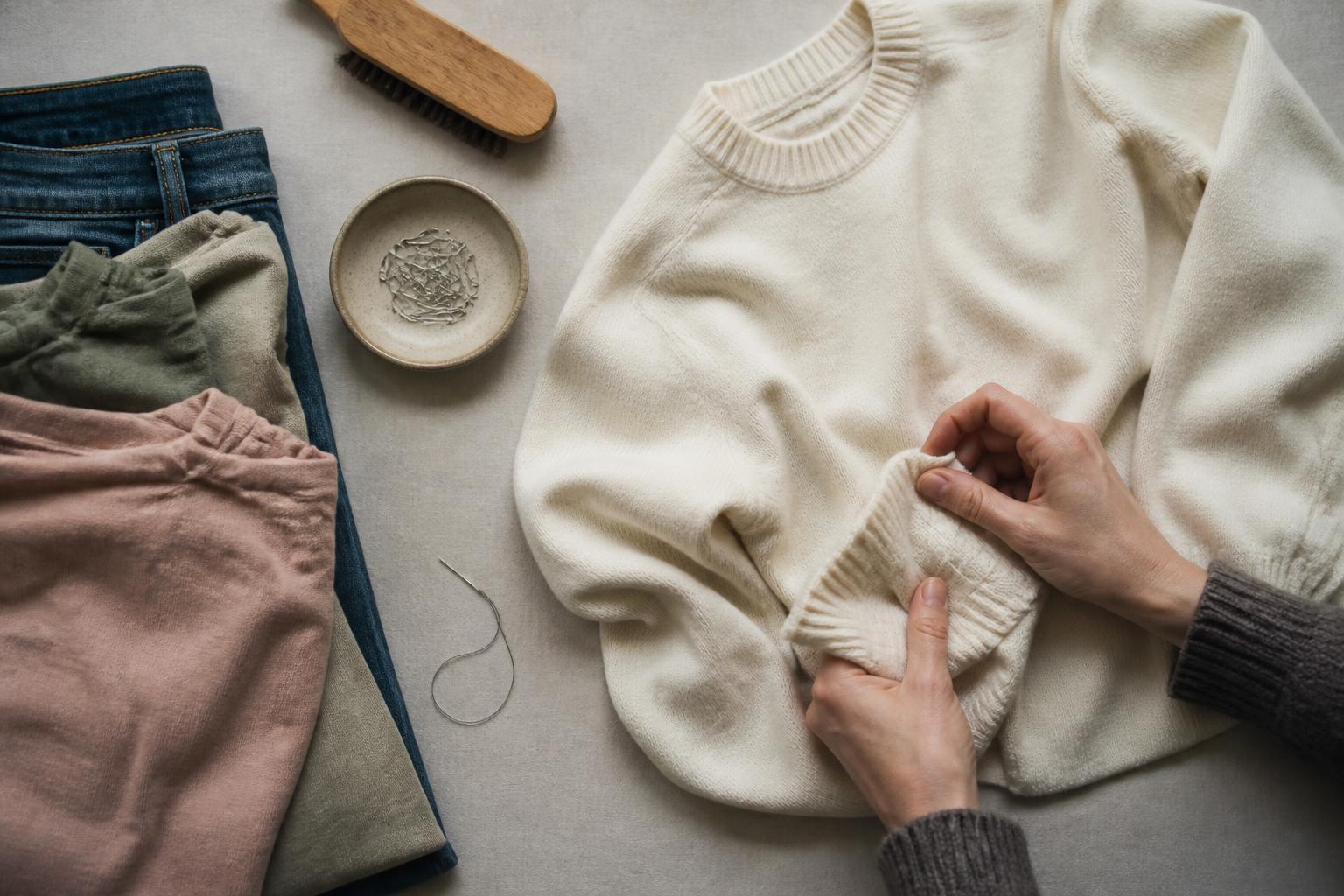
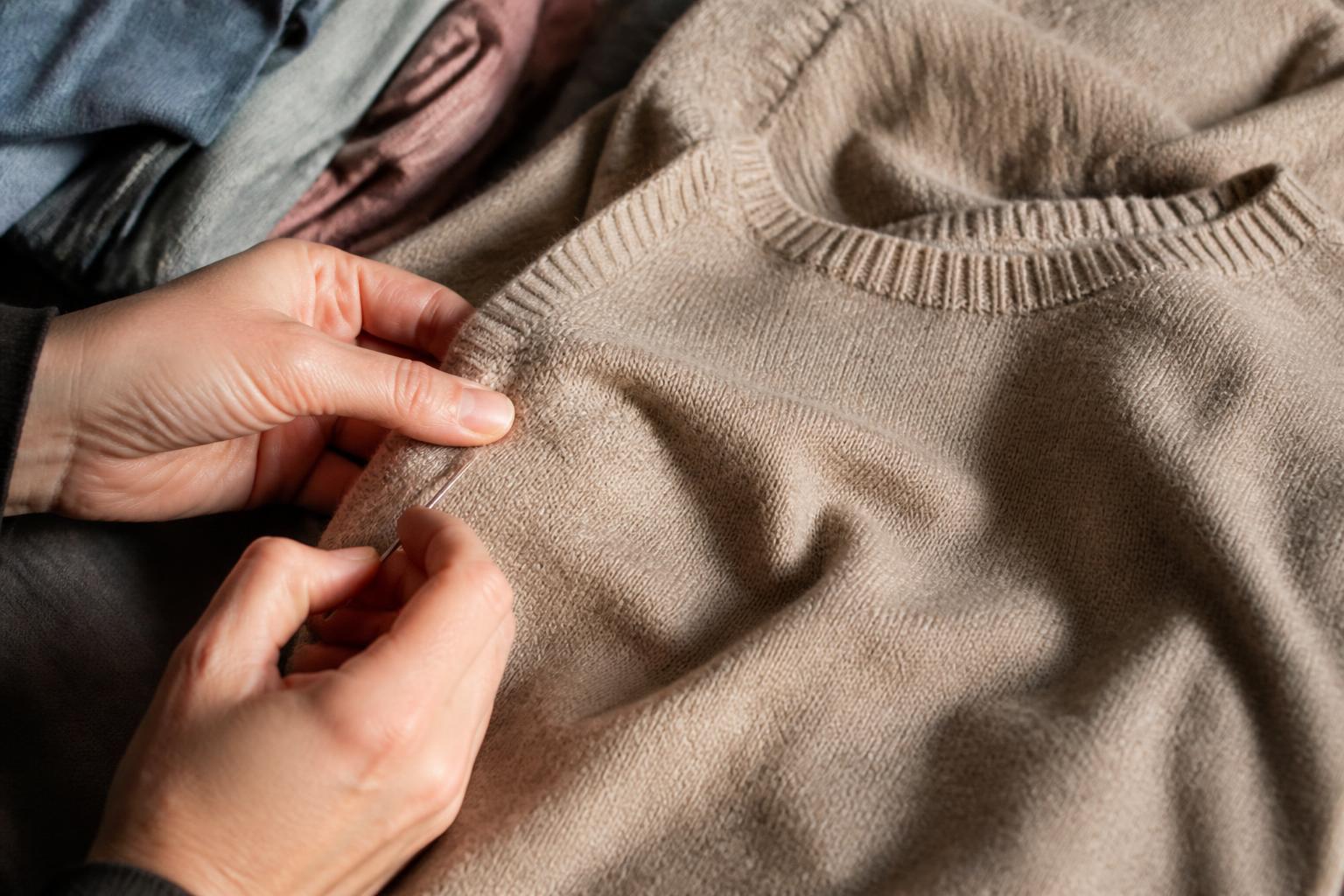
Deal with small problems early. Sew on loose buttons before they vanish. Re-stitch a dropped hem before the fold line wears through. Remove pilling gently with a comb or de-piller, without over-shaving the fabric. Patch thinning areas before they become holes where possible. A five-minute repair is usually cheaper and easier than replacing a garment that otherwise still works.
Learn a few simple repairs. Hand sewing a button, closing a split seam, darning a sock and patching a knee cover a surprising amount of wardrobe life. Woven cotton, denim, wool and many canvas fabrics are forgiving places to start. Stretch jersey and waterproof fabrics need different methods, but they are still often salvageable with the right approach and materials.
Finally, be realistic about your own routine. The best fabric for your wardrobe is not the one that performs beautifully under ideal conditions. It is the one that works with your washing habits, your budget, your climate, your commute and the amount of maintenance you will actually do. That is where better buying decisions come from, and where clothes stay in use for longer.
If you remember one thing, make it this. Do not buy fabric names, buy performance. Read the label, feel the cloth, check the construction, and match the material to the job. That is how a wardrobe becomes more affordable, more useful and, in the ways that count day to day, more sustainable.

Questions about this article or a correction to suggest? Get in touch. Read more about our editorial approach.