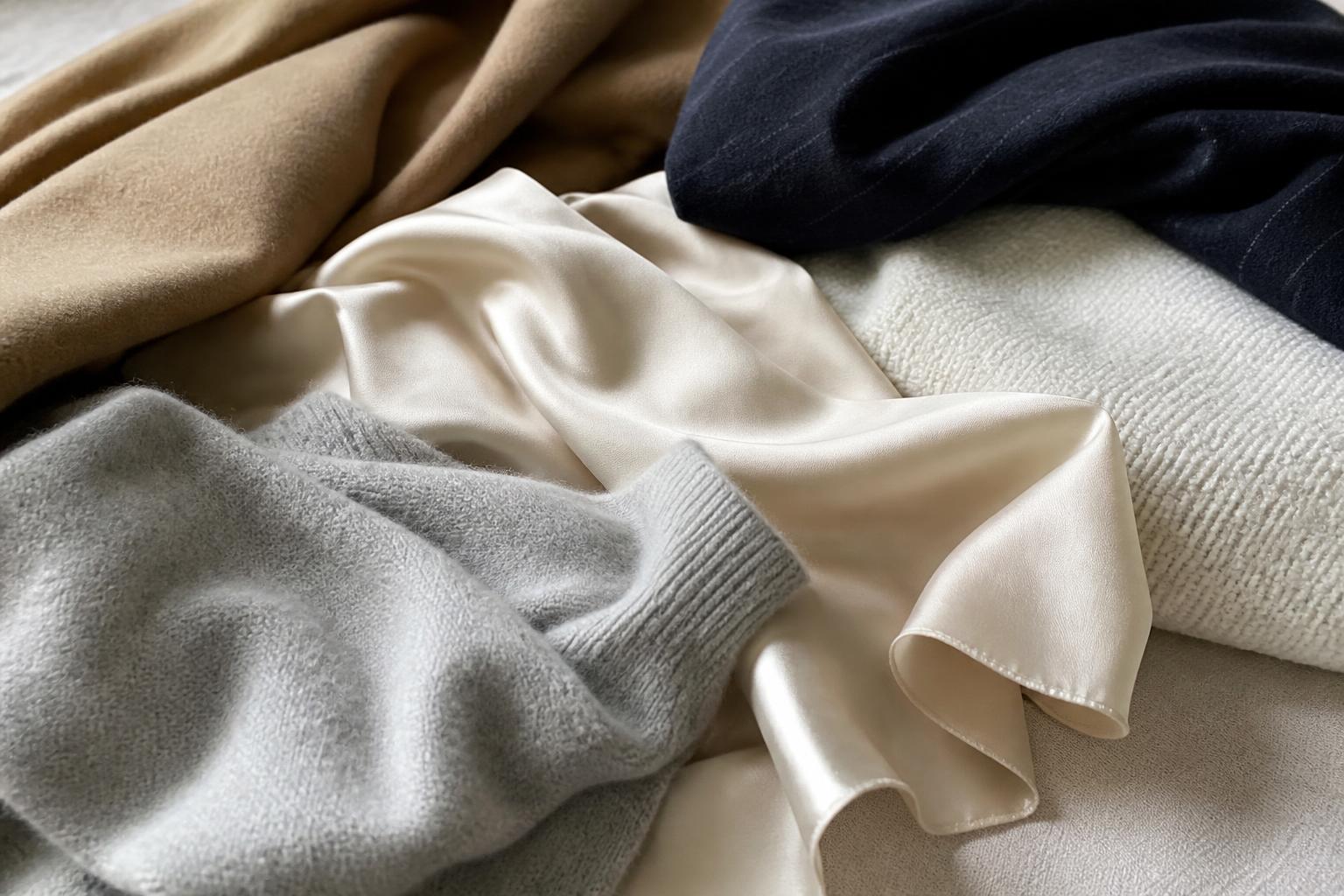
Buying a costly fabric well comes down to one question. Are you paying for performance, longevity and pleasure in wear, or simply for a prestigious fibre name on the label?
Some expensive clothing materials are genuinely costly because the fibre is scarce, the cloth takes skill to make, or the finish is hard to achieve consistently. Others are overpriced for what they are, especially when the fabric is thin, unstable, awkward to care for, or used in a garment that is badly cut and poorly sewn. Before you buy, we think it helps to judge the fabric in your hands, read the care label properly, and think about how the item will fit into your real wardrobe, not an ideal one.
What makes a clothing material expensive
The first driver is fibre supply. Some fibres are simply rarer, slower to produce, or more limited in quality. Cashmere is the obvious example. Fine cashmere comes from a specific down fibre, sorted by grade, and the best qualities are softer, longer and scarcer than the lower grades. Silk can also be expensive because it depends on cocoon production, careful reeling and sorting. Linen can cost more when it is made from better flax and processed to keep the fibres long and strong.
Processing matters just as much as the raw fibre. A fabric may start with a familiar fibre but become expensive because the spinning, weaving or knitting is slow or technically demanding. A densely woven cotton poplin, a tightly knitted merino jersey, or a proper wool crepe can cost more because consistency takes skill. If the cloth has been brushed, washed, felted, sanded, enzyme treated or garment dyed, each stage adds labour, energy, quality control and the chance of waste.
Weaving and finishing can change the price dramatically. Satin weaves, jacquards, double cloths, lace, bouclé, velvet and pile fabrics all require more from the mill than a basic plain weave. So do specialist finishes such as water repellency, crease resistance, anti-shrink treatment or a stable black dye that will not crock badly. Some finishes improve usefulness. Some mainly improve shop appeal for a short time.
Labour is another major part of cost. A good fabric often reflects skilled work at several points, from sorting fibres to monitoring dye lots and finishing the cloth. Then the garment itself may need more labour because the fabric is slippery, delicate, bulky or difficult to cut accurately. Silk blouses, tailored wool coats and lined dresses usually require more careful construction than a simple cotton T-shirt.
Then there is brand positioning. This is the part worth keeping separate in your mind. A premium brand may use better cloth and better construction, but price can also reflect marketing, wholesale mark-ups, limited runs, shop rent and the value attached to the label itself. That does not automatically make the garment poor value. It does mean the fabric name alone is never enough evidence.
This is also where readers can get tripped up by fibre prestige. Cashmere, silk and linen all sound expensive, but a flimsy, low-gauge cashmere knit can pill within days, a very light silk satin can snag on a rough nail, and an unlined linen trouser can go sheer in bright daylight. Costly fibres deserve scrutiny, not reverence.
Which expensive clothing materials readers are most likely to see
In UK wardrobes, the higher priced fabrics most people come across are usually cashmere, merino wool, lambswool, silk, linen, leather, suede and better-quality wool tailoring cloth. In second-hand shopping, especially on eBay, Vinted, charity rails and resale sites, you will also see alpaca, mohair, velvet, tweed and occasional pieces in cupro, lyocell blends or heavier crepes.
Cashmere is usually chosen for softness and warmth without bulk. It works well in jumpers, scarves and knit accessories. What matters most is not just that it is cashmere, but how tightly it is knitted, how long the fibres are, and whether the surface already looks fuzzy on the hanger. Very soft, very lofty cashmere can be lovely, but it can also pill quickly if the knit is loose.
Merino wool is often the more practical buy. It is smoother, usually more resilient, and easier to find in knits that hold shape well. Fine merino works for office knits and base layers. Heavier merino or wool blends can be excellent for cardigans and dresses. Lambswool is often slightly more robust and less slippery than cashmere, though some people find it pricklier.
Silk appears in blouses, dresses, linings and occasionwear. Silk crepe, silk twill and heavier silk satin often wear better than very thin silk georgette or charmeuse for everyday use. If you are buying second-hand, look closely for pulled threads, underarm marking and tiny pinholes where the fabric has weakened.
Linen is common in summer shirts, trousers, dresses and suiting. Good linen is breathable, strong and pleasant in hot weather. It does crease, which is normal, but the quality difference between a substantial linen and a papery one is easy to feel. Better linen tends to have body and opacity. Cheap linen can feel dry, limp or oddly brittle.
Wool tailoring fabrics, including flannel, twill, gabardine and tweed, are among the most useful expensive clothing materials in the UK climate. They are often chosen for coats, blazers and trousers because they drape well, resist odour and can last for years if the cloth is dense enough. A good wool coat with a proper lining and seam allowance can outlast several cheaper coats.
Leather and suede are not fabrics in the strict sense, but shoppers compare them in the same buying decision. They are often expensive because of material quality and labour. For jackets, skirts and bags, the value depends heavily on suppleness, thickness, finish and repairability. Bonded leather or heavily corrected leather can look smart at first and disappoint later.
Velvet, especially cotton or silk-mix velvet, turns up in eveningwear and jackets. It can be beautiful but it is prone to pressure marks and requires more care in storage. Mohair and alpaca appear in knitwear and coatings. They add warmth and texture, but hairy surfaces can shed, catch, or overwhelm a practical wardrobe if you need low-maintenance pieces.
If you also shop newer sustainability claims, our guide to judging recycled-fibre clothing before you buy is useful alongside this one, because a premium price and a responsible-sounding fibre story do not guarantee durable cloth.
How to tell whether the fabric is worth the price
Start with handle, but do not stop there. A fabric can feel luxurious for ten seconds in a changing room and still wear badly. Softness is only one clue. Ask whether the cloth has enough substance for the garment’s job.
Lift it. Does the weight make sense for the style? A winter coat in a thin wool blend can look polished on the rail and feel insubstantial once outside. A silk blouse should not feel like tissue paper unless it is meant for occasional wear and you are happy to treat it that way.
Check opacity in natural light if you can. Hold a trouser leg, skirt or shirt panel against your hand. If you can clearly see your fingers through a pale fabric, ask yourself whether you are also paying for a lining, a slip, or wardrobe workarounds. Sheerness is not automatically bad, but it should be deliberate and useful, not a cost-saving measure disguised as luxury.
Test recovery. Gently scrunch a section in your hand for a few seconds, then release. Does it spring back, or stay heavily creased? Press a knit at the cuff or hem and see whether it bounces back. Tug very lightly across the seat or elbow area. A fabric that bags immediately in the shop rarely improves at home.
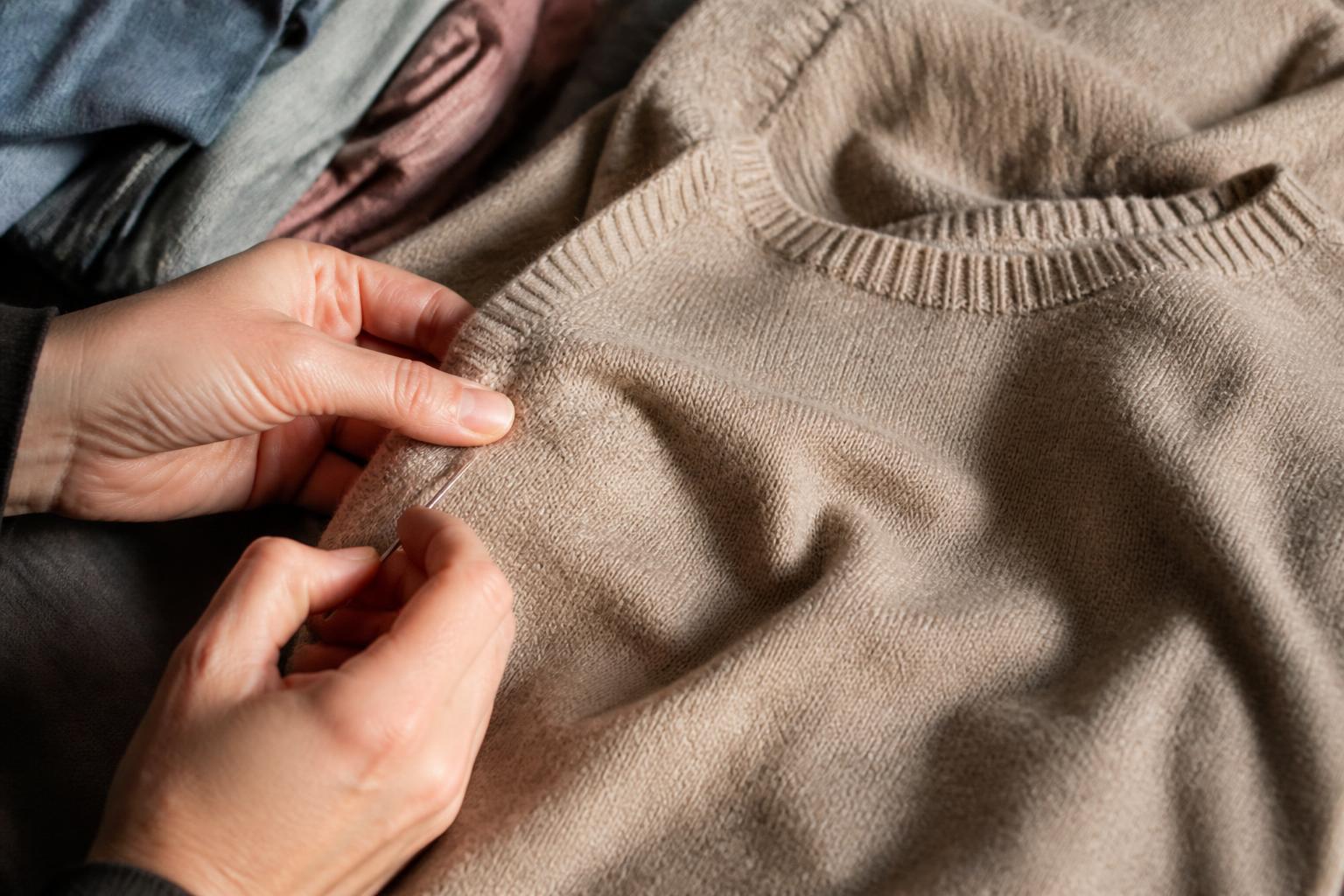
Look for pilling risk. This matters especially with knitwear and brushed coatings. Short fibres, loose knits and very fuzzy surfaces tend to pill sooner. You can often see warning signs already, a halo of fluff under the arms, on side seams, or where garments rub together on the rail. Cashmere is not exempt. In fact, some of the softest knits are among the quickest to bobble.
Inspect the surface closely. Are there slubs, and are they intentional? In linen they may be part of the weave. In silk they can be natural. In a smooth wool trouser, random thick-and-thin yarns may simply signal lower consistency. Check for shine at stress points, snagging, pulled threads, puckering near seams and pattern distortion.
Then check construction, because expensive cloth can be wasted by poor making. Is the garment lined where it needs to be? A lining can improve drape, comfort and lifespan, though a summer linen garment may be better unlined. Are the seams neat and secure? Is there enough seam allowance to alter or repair later? At the hem, is there depth, or has the maker shaved every possible cost? In second-hand pieces, a generous hem and proper seam allowance are often what make a bargain salvageable.
Expected use should guide everything. A delicate silk camisole for occasional wear can be worth it if you will truly wear it that way. The same silk in a work blouse you expect to machine wash and throw under a cross-body bag every week is a mismatch. We find readers save more money by buying fabrics that suit their actual routines than by chasing fibre prestige.
If you want a broader framework for judging quality claims and hype, our piece on following fashion influencers without buying blindly helps with the gap between how a garment looks online and how it behaves in real life.
What the care label can tell you before you buy
The care label is where a lot of expensive mistakes become visible. Read it before you go to the till, not after. In the UK, garments sold to consumers must carry fibre composition and care information. The exact legal framework differs from wider EU rules after Brexit, but in practice UK shoppers will still see the familiar fibre percentages and care symbols. Use them.
Start with washing. Machine washable at 30°C is a very different proposition from hand wash only or do not wash. If a pale silk blouse says dry clean only, ask yourself whether you are prepared for that in both cost and effort. If a wool jumper says hand wash, think about whether you already hand wash knitwear properly, flat dry it, and have the space to do that.
Drying instructions matter more than many people realise. Do not tumble dry means slower turnaround and more drying space at home. Dry flat means you need a rack or towel space, which is easy enough for one jumper and annoying for five. Drip dry can stretch some knits and woven garments if ignored. A fabric that is expensive to buy and awkward to dry may end up worn less.
Ironing symbols are also revealing. Linen that needs a hot iron to look crisp may be fine if you enjoy pressing. If you do not, you may end up resenting it. Silk and viscose blends can need cooler ironing and more care around water marks. Velvet may need steaming rather than direct pressure. None of this is impossible, but it is part of the real ownership cost.
Dry-clean-only labels need a bit of nuance. Sometimes they are there because the garment is structured, lined, tailored or likely to distort in water. Sometimes brands use them conservatively to reduce complaints. We would not ignore the label on a tailored wool coat, pleated skirt, bonded fabric, or anything with interfacing that might bubble. On a simple scarf or unstructured wool piece, experienced owners may make different choices, but that is a risk decision, not a guarantee.
Care labels also tell you something about the finish. If a garment contains elastane, a hot wash or hot iron can shorten its life. If it is a wool blend with polyamide, that may improve abrasion resistance. If it is silk with a small amount of elastane, the fit may be easier but the long-term recovery may be weaker than a stable woven silk.
Before buying second-hand, ask for a photo of the care label if it is missing from the listing. Fibre content, lining composition and care instructions can change whether the item is still a bargain. A cheap pre-owned coat that needs specialist cleaning and has a damaged acetate lining may not be cheap for long.
When blends, repairs and second-hand make more sense
A blend is often the sensible choice, not the compromised one. Cotton with a little elastane can be more wearable in trousers and fitted shirts. Wool blended with polyamide can improve durability in knitwear and coats. Silk blended with cotton, wool or viscose can cut cost and increase practicality. Linen with cotton can crease less harshly and feel easier to wear. The question is not whether a pure fibre sounds grander. It is whether the blend improves the garment you are actually buying.
Blends can also solve common problems with expensive clothing materials. If you love the look of linen but dislike heavy creasing, a linen-cotton blend may earn more wears. If pure cashmere pills too fast for your lifestyle, merino or a wool-cashmere blend may be the better spend. If you want drape without fragility, a heavier viscose or cupro blend may outperform a very thin silk in daily use.
Second-hand is often the best route into expensive fabrics because someone else has already paid the first mark-up, and the garment has already proved whether it can survive wear. A pre-owned wool coat, silk shirt or cashmere jumper can be excellent value if you inspect it properly. Look at cuffs, underarms, hems, seat, knees, pocket edges and closures. Check for moth damage on wool and cashmere, especially tiny holes near seams and folded areas. Smell matters too. Stale perfume, smoke and mildew can be hard to shift from protein fibres.
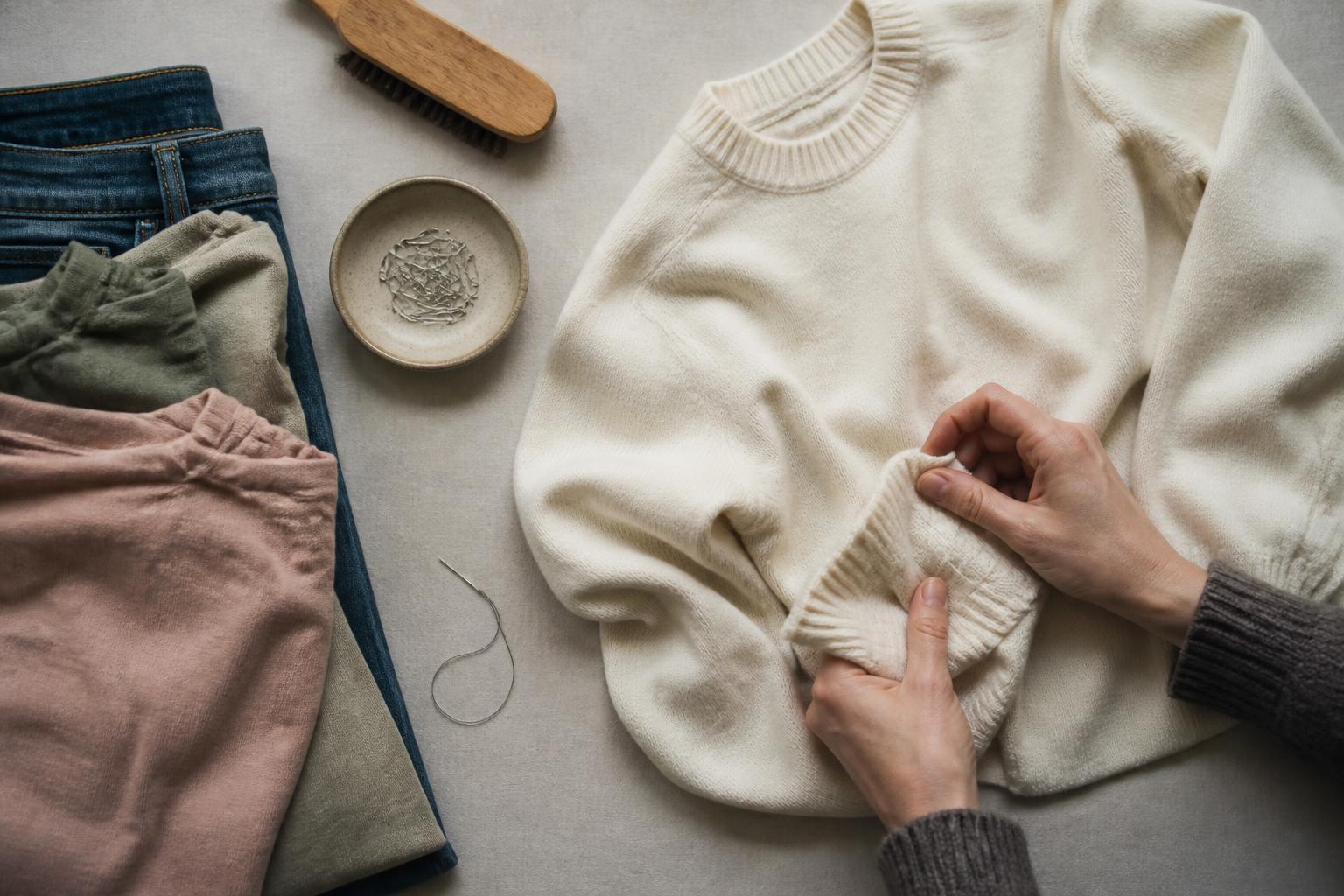
Repairability changes value more than shoppers sometimes expect. A wool coat with a replaceable lining, decent seam allowance and a straightforward button front is often worth buying, even with minor wear. A flimsy knit with thinning elbows and no spare yarn is less promising. Leather can often be conditioned, relined or professionally repaired. Suede can be refreshed, but stains and bald patches are harder. Silk with a seam split may be repairable. Silk with widespread abrasion usually is not.
When you are weighing a damaged but worthwhile piece, ask whether the fault sits in a stress area and whether a repair will hold. We cover practical mending choices in our guide to choosing clothing repair patches that actually last, and the same principle applies here. A repair that matches the fabric’s movement and use can extend value significantly. A repair that fights the cloth will fail and frustrate you.
The best buy is rarely the most prestigious fibre at the highest price you can justify. It is the garment whose fabric, care needs, construction and repair prospects line up with your life. If a blend washes better, if a second-hand version gives you better cloth for the money, or if a well-made wool jacket can be altered and relined later, that is not settling. That is buying with your eyes open.
Expensive fabric is worth paying for when you can feel the quality, see the construction, understand the care, and imagine years of use without heroic effort. If you cannot, leave the fibre fantasy on the rail.

Questions about this article or a correction to suggest? Get in touch. Read more about our editorial approach.