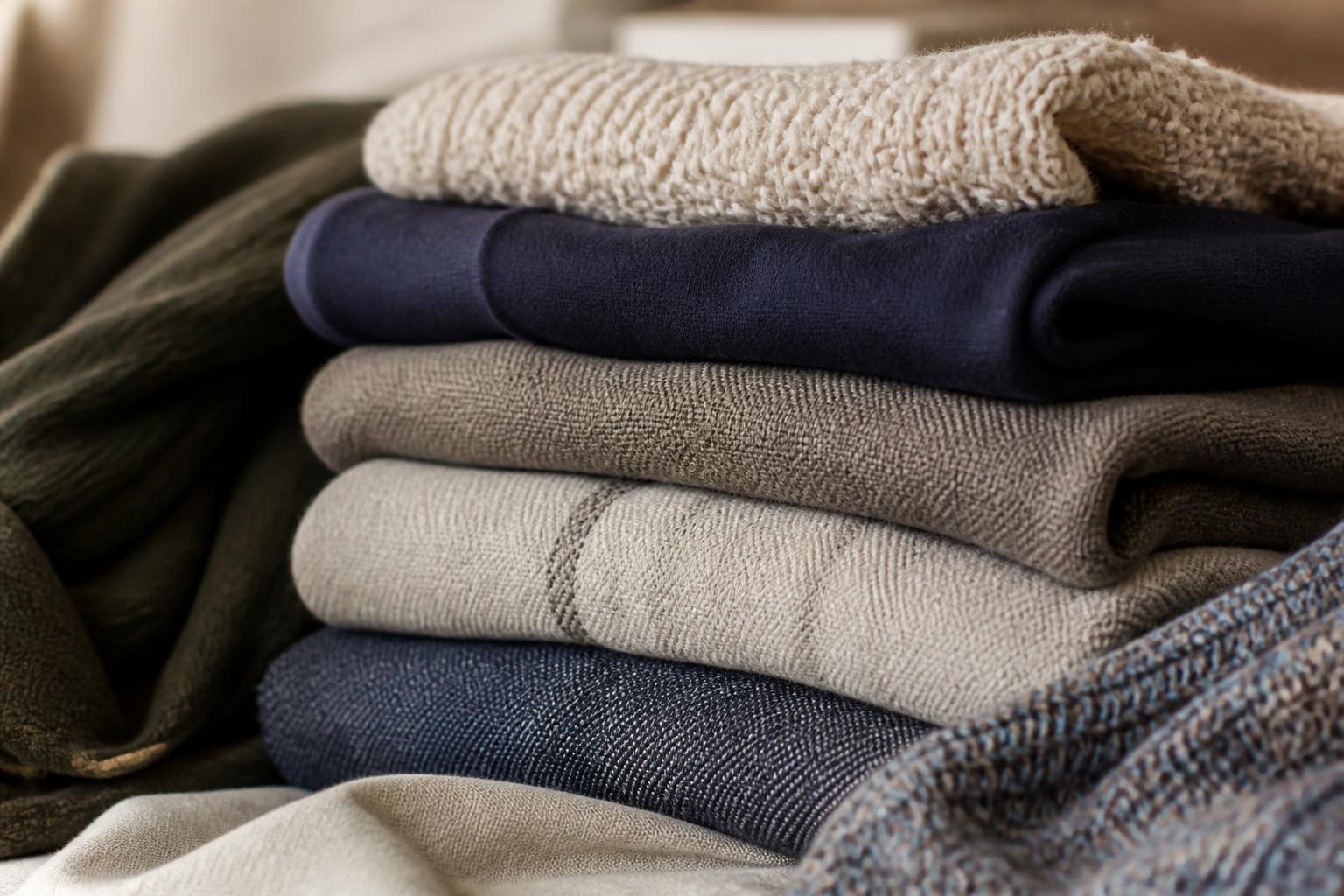
If you have ever wondered what brushed cotton means, the short answer is that it is cotton fabric that has been finished to raise a soft, slightly fuzzy surface. It is not a separate fibre in the way wool, linen or viscose are separate fibres. The cotton starts as an ordinary woven fabric, then the surface is brushed to make it feel warmer and softer against the skin.
That soft finish is why brushed cotton turns up so often in shirts, pyjamas, nightwear, casual dresses and bedding-adjacent clothing. It feels cosy without being heavy, but it also needs sensible care. Wash it too roughly, dry it too hot, or iron it carelessly, and the brushed surface can flatten, pill or shrink more than you expected.
What brushed cotton actually means
Brushed cotton describes a finishing process, not a different kind of cotton plant or yarn. The base fabric is usually woven cotton. After weaving, the fabric passes over fine brushes or rollers that gently lift some of the surface fibres. That creates the soft nap people associate with brushed fabrics.
So when readers ask what brushed cotton means, the useful answer is this. It means the cloth has been mechanically finished to make the outside, and sometimes both sides, feel softer and slightly fleecy.
A few things follow from that.
First, brushed cotton can start from different weaves. A plain weave cotton can be brushed. A twill can be brushed. Some flannels are brushed. The brushing is the finish, not the whole identity of the cloth.
Second, the effect can be light or pronounced. Some brushed cotton shirts have only a gentle peachy softness. Others have a much more visible nap and feel noticeably warmer. Labels do not always tell you how deep the brushing is, so touch matters.
Third, brushing changes the handle of the fabric more than its fibre content. A label may still simply say 100% cotton. That is true, but it does not tell you much about the finish. In second-hand listings, this is why one seller’s “soft cotton shirt” may in practice be brushed cotton, while another listing says “flannel” for something quite similar.
Because brushing lifts fibres to the surface, it can also make the cloth more prone to pilling and surface wear than a very smooth cotton of the same weight. That does not make it poor quality. It just means the finish has strengths and trade-offs.
How brushed cotton feels and where you will see it
Brushed cotton usually feels soft, slightly velvety and warmer than a smooth cotton poplin or crisp shirting. If you run your hand across it, there is often a faint direction to the nap. It can feel almost peach-skin soft, or more obviously fuzzy, depending on how heavily it has been brushed.
In wear, the main differences are comfort and warmth. The raised surface traps a little more air than a flat weave, so it tends to feel cosier in cooler weather. That is why many people reach for it in autumn and winter, especially for clothes worn close to the skin.
Common examples include:
- Casual shirts, especially checked overshirts and weekend button-downs
- Pyjamas and nightshirts
- Lightweight dressing gowns
- Children’s sleepwear and lounge sets
- Relaxed day dresses and skirts in cooler-season cottons
- Lounge trousers and soft co-ords
- Some linings and home-adjacent clothing, such as robe-style jackets
In everyday wardrobes, brushed cotton is useful because it sits between crisp cotton and heavier woollens. It gives softness without the itch some people get from wool, and it is usually easier to wash at home than garments with more delicate fibres.
It can also be a very good second-hand buy. Brushed cotton often looks inviting on a rail because it feels comfortable straight away, without the stiffness that puts people off some unworn cotton garments. The catch is that surface wear shows up more clearly. A brushed shirt that has been overwashed may feel thin at the collar, shiny at the elbows, or rough rather than soft.
If you are comparing fabrics for comfort, it can help to think in terms of use. Smooth cotton is often better when you want coolness and structure. Brushed cotton is better when you want softness, ease and a bit of warmth.
Brushed cotton, flannel and cotton twill
These terms are often muddled together, especially on resale sites, handwritten charity shop labels and marketplace listings.
Brushed cotton is the broadest of the three in this context. It tells you about the finish. The fabric surface has been brushed to raise fibres.
Flannel usually refers to a soft woven fabric, traditionally wool or wool blend, but very commonly cotton in modern everyday clothing. Cotton flannel is often brushed, sometimes on one side and sometimes on both. So a cotton flannel shirt may also be brushed cotton. In practice, many people use the terms almost interchangeably for shirts and pyjamas, but they are not exact synonyms. Flannel tends to suggest a particular soft, cosy shirting fabric, while brushed cotton can apply more widely.
Cotton twill refers to the weave structure. Twill has a diagonal pattern in the cloth, like chino fabric or denim’s lighter relatives. Twill can be smooth or brushed. If a listing says “brushed cotton twill”, that tells you both the weave and the finish.
The easiest way to separate the terms is this:
- Cotton = the fibre
- Twill = the weave
- Brushed = the finish
- Flannel = a soft fabric type, often brushed, often cotton in everyday clothing
This matters when you are buying second-hand. A seller may call a shirt flannel because it is soft and checked, even if the label actually says brushed cotton. Another may call something twill because they can see the diagonal weave, but not mention that it has a brushed surface and will feel warmer than standard shirting.
If you can zoom in on fabric photos, twill often shows those diagonal ribs. Flannel and brushed cotton are more about surface softness than visible structure. If the photos show a slightly fuzzy, matte finish rather than a crisp, flat one, brushing is likely involved.
It is also worth checking whether the item is garment dyed, because a brushed surface can show fading differently over time. If that is relevant to what you are buying, our guide to what garment-dyed clothes mean for care and colour is worth a look.
Is brushed cotton good quality?
Brushed cotton can be excellent quality, average quality or poor quality, just like any other cotton fabric. The finish itself is not a guarantee either way. What matters is the combination of fibre quality, weave, fabric weight, brushing depth and garment construction.
Start with the base cloth. A denser, better woven cotton will usually wear better than a loose, thin one. If the fabric feels insubstantial before brushing, the soft finish can sometimes disguise that at first touch. In shop lighting or on a resale app, softness can be mistaken for substance.
Weight matters too. A very lightweight brushed cotton shirt can be lovely, but it may wear through faster at cuffs and collar points than a midweight overshirt. Heavier is not always better, but fabric that has enough body for the garment’s job tends to hold up better.
Brushing depth also affects durability. A lightly brushed fabric often keeps its appearance longer because fewer fibres have been lifted from the surface. A deeply brushed fabric may feel wonderfully cosy at first, but can be more prone to pilling, matting or bald patches with frequent friction.
Then there is construction. Look for:
- Neat, even stitching
- Secure buttons and buttonholes
- Properly finished seams
- Collar and cuff areas that do not already look strained
- Pattern matching, if relevant, on checks or stripes
For pyjamas and loungewear, seam quality matters because these garments are washed often. For shirts, look closely at underarms, side seams and cuffs. For children’s brushed cotton, knees, seat and sleeve hems tend to show wear first.
Comfort is one of brushed cotton’s strongest points. Value depends on whether that comfort lasts. A well-made brushed cotton shirt worn twice a week through cooler months may earn its keep very easily. A flimsy one that twists in the wash and pills after three wears will not. If you are trying to decide whether a price is fair, our guide on how to judge pricey fabrics before you buy can help you separate touch from true quality.
For cost per wear, brushed cotton often does well because it suits repeat use and does not usually need dry cleaning. If you want a practical way to think that through, use our guide to work out what your clothes really cost to wear.
How to wash, dry and iron brushed cotton
Always start with the care label. That sounds obvious, but it matters more with brushed cotton because the finish can react badly to heat and abrasion. In the UK, care labels should give fibre content and care symbols. If the item was sold in the EU, the symbols are generally the same, though wording around additional instructions can vary by brand.
For most brushed cotton shirts, pyjamas and casual pieces, these steps are a safe routine unless the label says otherwise.
Wash cool or at 30°C. A cooler wash helps reduce shrinkage and is gentler on the brushed surface. If the garment is heavily soiled, check whether 40°C is permitted, but do not default to a hotter wash just because it is cotton.
Turn the garment inside out. This reduces friction on the brushed outer surface and helps limit pilling and flattening.
Use a normal detergent, but avoid overdoing it. Excess detergent can be hard to rinse out of denser brushed fabrics and may leave them feeling less soft.
Wash with similar textures. Try not to wash brushed cotton with rough towels, garments with zips, or heavy denim. Mixed loads create extra abrasion.
Choose a gentler spin if the fabric is lightweight. A very high spin can leave deep creasing and stress seams.
Air dry where possible. Reshape while damp, smooth collars, plackets and hems with your hands, and hang or lay flat depending on the garment. Drying on a rack indoors is often kinder than tumble drying.
Be cautious with the tumble dryer. If the care label allows it, use low heat and remove the item while still slightly damp. High heat is one of the quickest ways to shrink brushed cotton and roughen the finish.
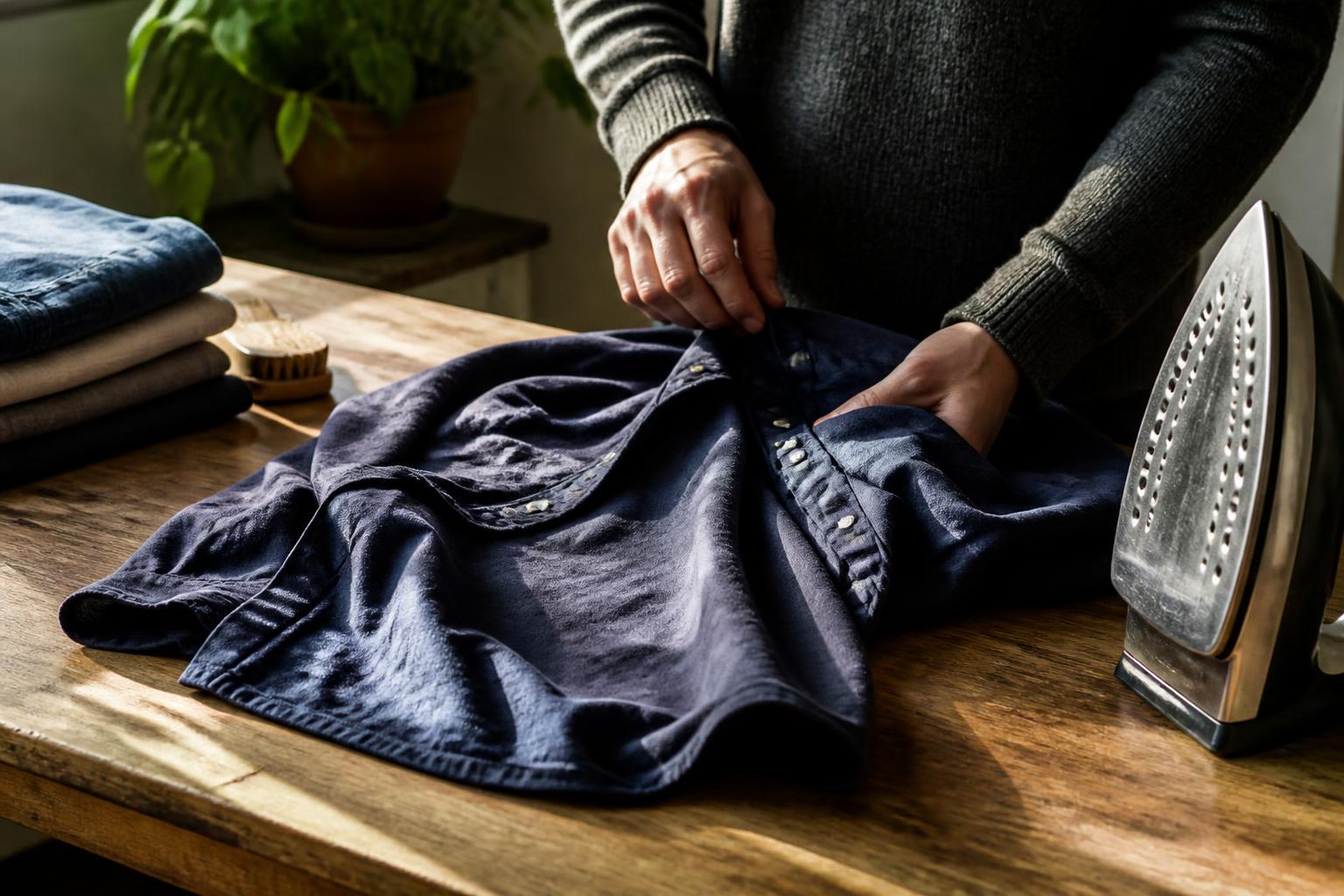
Iron on a medium cotton setting, ideally while slightly damp or with steam. Iron the reverse side if you want to protect the brushed face. If you press directly on the nap with too much heat, you can flatten the texture and create shiny areas, especially on darker colours.
A few extra care points make a real difference over time.
Wash less often where sensible. Overshirts and casual shirts worn over a layer do not always need laundering after every wear. Spot clean small marks and air the item out first.
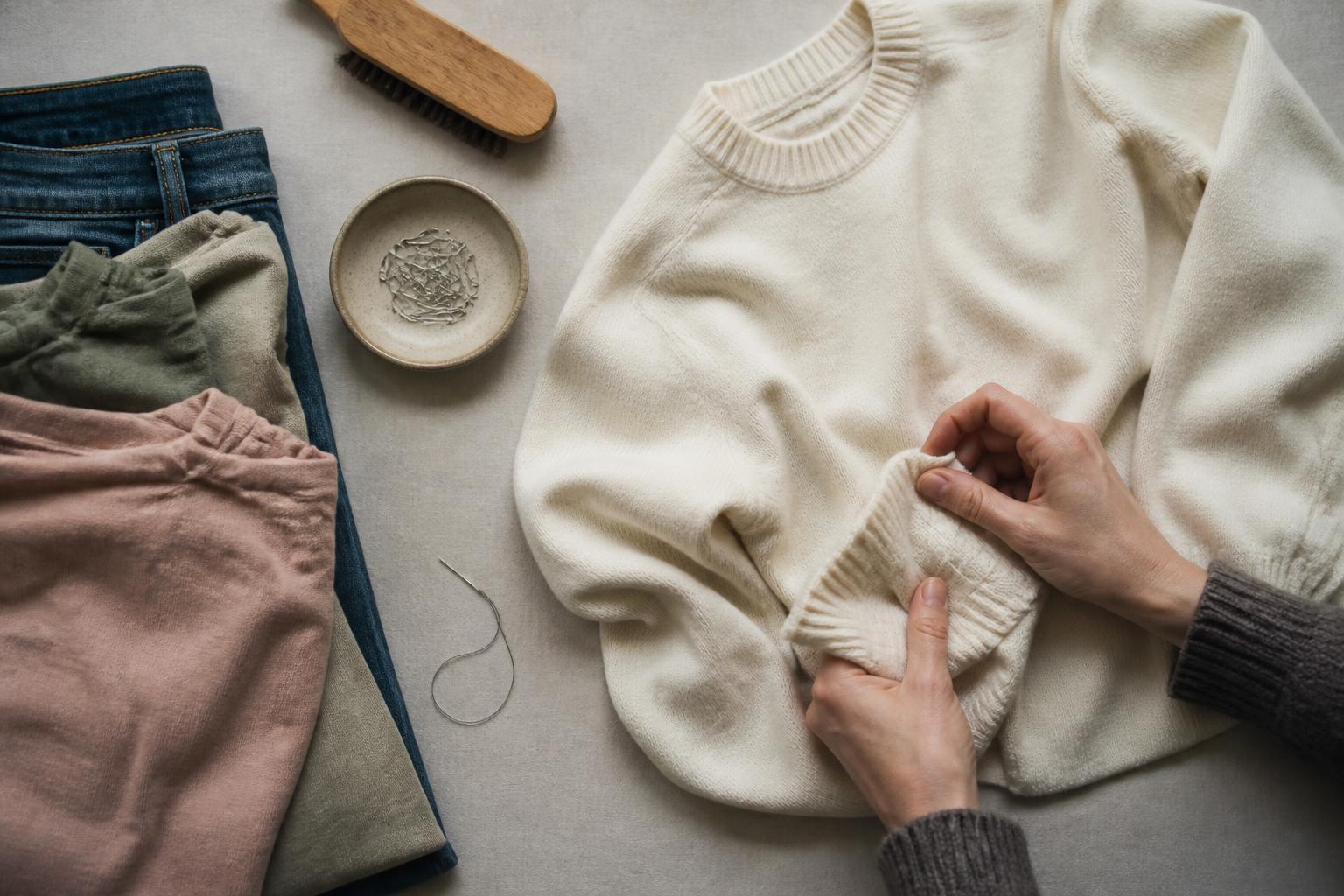
Deal with pilling gently. Use a fabric comb or de-piller lightly, and test on an inconspicuous area. Aggressive shaving can thin the raised surface.
Store clean and fully dry. Brushed cotton can hold a bit more surface fluff than smooth cotton, so putting it away damp is asking for mustiness.
If you are used to caring for other plant fibres, the same principle applies here. Lower heat and less friction usually give better results. We make the same point in our guide to does linen shrink in the wash, even though linen and brushed cotton feel very different.
What to check before buying or keeping a brushed cotton item
Whether you are standing in a charity shop, scrolling Vinted, or deciding what deserves space in your wardrobe, brushed cotton benefits from a quick reality check.
First, inspect the surface. Is it evenly soft, or are there shiny, flattened patches? Shiny elbows, seat areas or cuffs usually mean the nap has worn down. That may be fine for a cheap lounge piece, but less so if you want a smarter shirt.
Second, check for pilling. Light pilling is normal and often fixable. Dense pilling across high-friction areas can mean the fabric is already tiring.
Third, feel the cloth for thickness. Does it still have body, or does it feel papery in stressed areas? Pay attention to collar edges, underarms, knees and button stands.
Fourth, read the label carefully. Fibre content matters. A small percentage of elastane can change how the item recovers after washing. A cotton-polyester blend may pill differently from 100% cotton but can also shrink less. If softness is your priority and you are comparing blends, our piece on what recycled polyester feels like before you buy may help with expectations.
Fifth, think about upkeep. If you know you rarely iron, a brushed cotton shirt that creases badly and needs reshaping after every wash may not be your best buy, however nice it feels in the changing room.
Sixth, match it to actual wardrobe use. Brushed cotton is brilliant when you want easy warmth and comfort. It is less useful if you mainly dress for hot commutes, overheated offices or formal settings. A good purchase is not just about fabric quality. It is about whether the item fits your real week.
For clear-outs, ask similar questions in reverse. Are you keeping a brushed cotton piece because you genuinely wear it, or because it feels nice in theory? If it pills every time you wash it, needs more ironing than you can be bothered with, or never suits the weather you actually dress for, it may not be earning its place.
The best brushed cotton items are usually the ones that make life easier. They are soft from the start, forgiving to wear, warm without bulk, and simple to wash if treated with a bit of care. Once you know that brushed cotton refers to a finish rather than a separate fibre, labels become much easier to decode, and second-hand listings make a lot more sense too.

Questions about this article or a correction to suggest? Get in touch. Read more about our editorial approach.