If you have ever stood over a care label wondering whether polyamide is the same as nylon, the short answer is yes, in most clothing conversations it usually is. Nylon is a type of polyamide, and on everyday garments the two terms are often used almost interchangeably.
What causes confusion is that labels, online listings and resale descriptions do not always use the same level of precision. A UK garment label may say polyamide, a shop description may say nylon, and a second-hand seller may use whichever term they recognise. For most wardrobe decisions, especially washing, drying, storage and judging wear, you can usually treat them as the same family of synthetic fibre. The details that matter more are the blend, the fabric construction, and the care symbols.
Are polyamide and nylon the same thing?
Strictly speaking, polyamide is the broader fibre category. Nylon is the common name most people know for particular polyamide fibres. That is why both words turn up on clothing labels, product pages and resale listings.
In practice, if you are asking whether a pair of tights, a rain shell, a blouse lining or a sports top labelled polyamide will behave much like one labelled nylon, the answer is often yes. Both usually refer to a synthetic fibre known for being light, smooth, fairly strong and quick to dry.
Where the wording changes is often down to context.
On a formal fibre-content label, especially in the UK and across Europe, you are more likely to see polyamide. On a fashion retailer's product page, you may see nylon because it is more familiar to shoppers. On resale sites, sellers often copy whatever is on the label, but some will write nylon even if the label says polyamide, or the other way round.
That does not always mean the seller is wrong. It usually means they are using the everyday word rather than the technical category, or vice versa.
There are a few reasons this matters less than people expect.
First, fibre names are only one part of how a garment performs. A tightly woven polyamide mac, a stretchy polyamide-elastane gym top and a sheer polyamide lining do not feel or wear the same just because they share a fibre family.
Second, the finish makes a big difference. Polyamide can be crisp, silky, brushed, lightweight, dense, waterproof-coated or almost mesh-like.
Third, blends change everything. Add elastane and you get more stretch and recovery. Add wool and you get warmth with extra durability. Add cotton and the feel changes again.
So when people ask whether polyamide and nylon are the same thing, our practical answer is this. Yes, close enough for most clothing care and buying decisions. No, not enough on its own to tell you exactly how the garment will wear.
What polyamide means on a UK clothing label
In the UK, fibre composition on clothing is normally given using recognised textile fibre names. That is why you will often see labels such as:
- 100% polyamide
- 82% polyamide, 18% elastane
- Outer: 100% polyamide
- Lining: 100% polyester
- 45% wool, 35% acrylic, 20% polyamide
For everyday use, when a UK label says polyamide, most readers can treat that as nylon in the ordinary sense. If you are deciding whether the item is likely to be smooth, synthetic, quick-drying and somewhat heat-sensitive, that is a sensible assumption.
The point to remember is that UK labels tend to follow fibre-naming rules rather than marketing language. So you may see polyamide on the sewn-in label even when a shop page, brand copy or resale listing calls the same sort of fabric nylon.
This differs slightly in feel rather than substance from how some non-UK retailers present products. In the US, for example, nylon is often used more freely in customer-facing descriptions. In the UK and EU context, polyamide appears very commonly on the actual composition label.
For wardrobe decisions, here is when you can safely read polyamide as nylon:
- when checking if a garment is synthetic rather than natural
- when deciding whether to avoid high heat in washing or drying
- when expecting a fabric to dry faster than cotton or wool
- when judging whether friction, snagging or static might be an issue
- when comparing near-identical garments listed under different wording
What should make you pause is not the word polyamide itself, but the rest of the label.
Check the percentage. A coat with a polyamide lining will not behave like a 100% polyamide shell. A knit with 10% polyamide added for strength will not feel like a nylon windbreaker.
Check whether the label distinguishes between outer, lining, trim and filling. A puffer might have a polyamide outer, polyester lining and down filling. Those parts age and clean differently.
Check the care symbols as well as the fibre content. Two polyamide garments can have different wash limits because of dye, coating, structure or trims. A bonded waterproof jacket and a simple polyamide blouse are not care twins.
If you are building a more durable wardrobe, fibre labels are useful, but they are only the first clue. We cover that in more detail in our guide to choosing clothing fabrics that last in real wardrobes.
Does it change how you wash, dry or store the garment?
Usually, no. Whether the label says polyamide or nylon, the practical care approach is broadly the same. The care label matters more than the wording choice.
Most polyamide garments do best with lower temperatures, gentler washing and less heat exposure. In real-life wardrobe terms, that usually means:
- wash cool or at the temperature shown on the label
- use a mild detergent
- avoid overloading the machine, especially for lightweight or snag-prone items
- zip zips and fasten hooks before washing
- use a mesh bag for tights, lingerie, swimwear and fine tops
- avoid high tumble-dryer heat unless the care label clearly allows it
- keep irons cool, or avoid ironing altogether if the label advises against it
Heat is the biggest practical issue. Polyamide can warp, go shiny, lose shape or become damaged under too much direct heat. That applies to tumble drying, radiator drying and ironing. It is one reason linings and sportswear can suddenly look tired after being treated roughly, even when the fabric itself seemed hard-wearing.
If the garment has elastane in the blend, be even more careful. Heat is especially hard on stretch fibres. A polyamide-elastane legging or bra may survive repeated washing quite well, but hot drying can shorten its useful life fast.
For coated or technical fabrics, always follow the specific care label. A waterproof or shower-resistant polyamide jacket may need reproofing later on, but aggressive washing can strip finishes or damage taped seams. In that case, the construction matters far more than the basic fibre family.
Drying is usually straightforward. Air drying is the safer option for most polyamide items. They tend to dry quickly anyway, so there is often little to gain from tumble drying. Hang lightweight blouses and sportswear, or dry knitwear and stretchy pieces flat if the label suggests it.
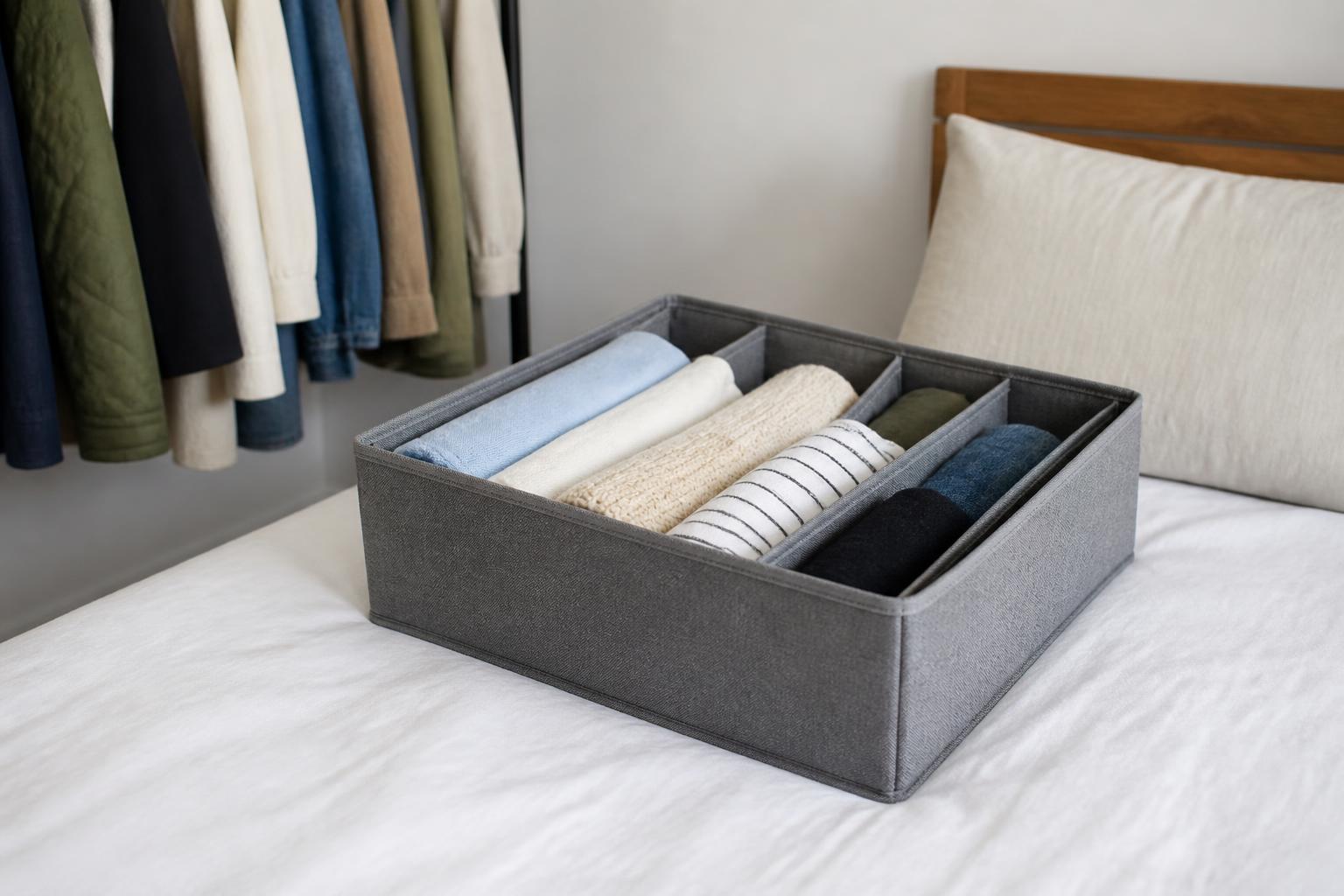
Storage is not difficult, but it still matters. Polyamide is less likely than some natural fibres to suffer from pests or long damp drying times, but it can still crease badly, catch on rough surfaces, or develop odd shape issues if stuffed into overcrowded drawers. Linings can also abrade where garments are tightly packed together with zips, buckles or rough seams.
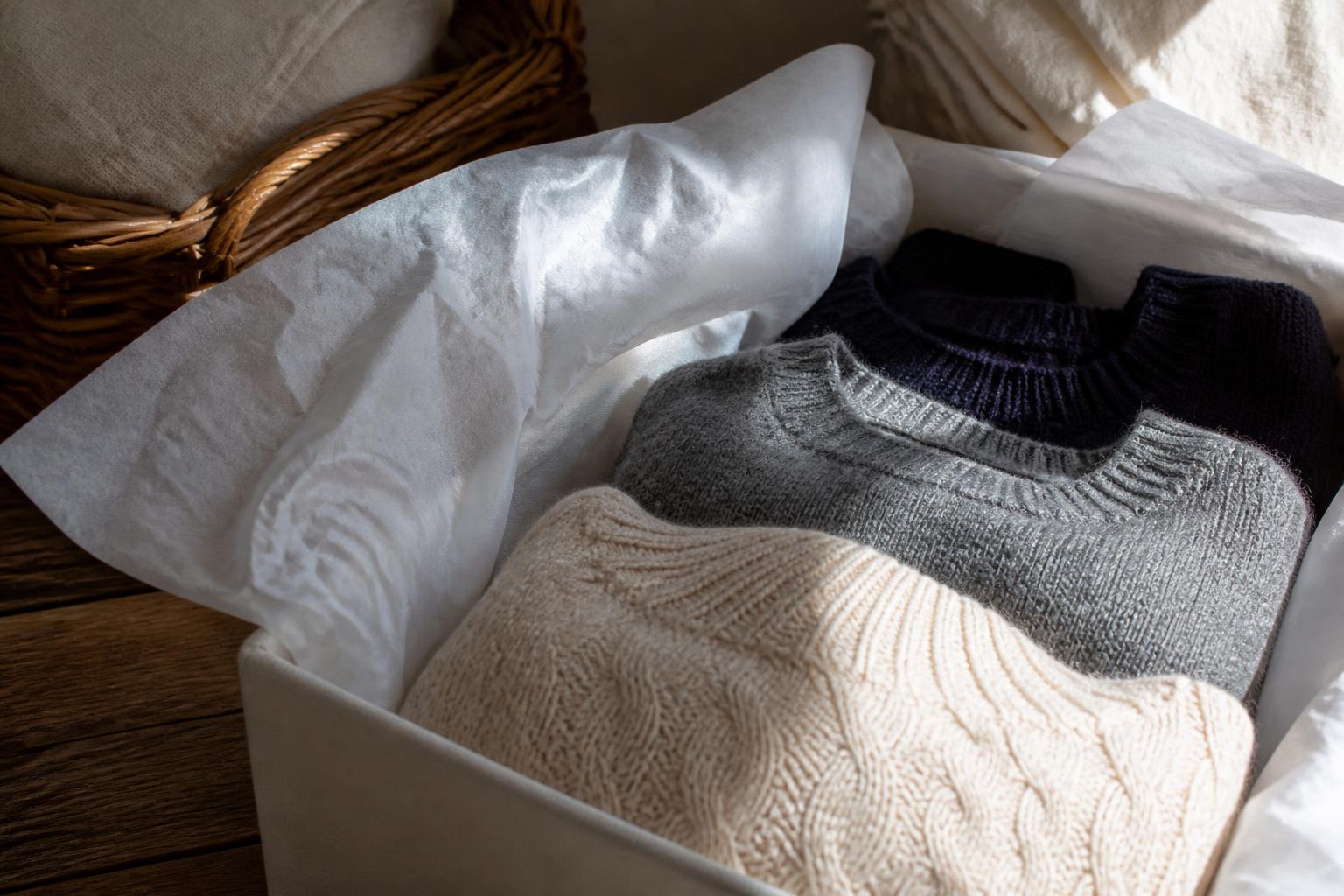
If you are putting seasonal pieces away, our guide to storing clothes temporarily without causing damage covers the basics that help synthetic fabrics as well as natural ones.
One more caveat, always trust the sewn-in care label over general fabric advice. If the label says hand wash, do not assume a machine wash is fine just because the fibre is polyamide. If it says do not tumble dry, take that seriously. Trims, coatings, interfacing and garment shape often drive those instructions.
How polyamide and nylon behave in real wardrobes
Polyamide has a useful place in ordinary wardrobes because it solves practical problems. It is often chosen for linings, activewear, hosiery, outerwear, swimwear and lightweight travel clothes for good reason.
One strength is abrasion resistance. Many polyamide fabrics cope well with rubbing, which is why they are common in coat shells, bag linings, tights and sportswear. That does not mean they are indestructible. Fine polyamide can still snag, and lightweight weaves can still wear thin at pressure points.
Another strength is low absorbency. In plain English, it does not hold much water, so it dries faster than cotton and often feels lighter in damp weather. That is helpful in gym kit, rainwear and holiday packing.
Stretch depends on the fabric and blend. Polyamide itself is not the same thing as elastane, but it is often used alongside elastane to make fitted garments that recover well. Leggings, swimwear and underwear frequently rely on that combination.
The weaknesses are worth knowing too.
Polyamide can snag. Tights, silky linings, blouses and fine knits are especially vulnerable around rough nails, jewellery, bag hardware and Velcro. Once snagged, the damage can be hard to disguise neatly.
It can hold odour more than many people expect, especially in sportswear. Because the fibre is often used in close-fitting active clothes, body oils and sweat can linger unless items are washed promptly and thoroughly. Fabric conditioner is not always the answer, and some activewear brands advise against it because it can affect performance finishes.
It is also sensitive to heat. We see this in shiny seat areas, puckered linings, slightly melted mesh panels and bras or swimwear that have gone stiff or wavy after too much dryer heat.
Static can be an issue too, especially in dry weather and with linings. If a skirt lining clings to tights or a dress catches on itself, polyamide may be part of the reason. The cut and the rest of the outfit matter as well, but synthetic linings are often the culprit.
Lining wear deserves a special mention. Polyamide linings can feel smooth and make garments easier to get on and off, but they often show wear before the outer fabric does. Look for thinning under the arms, at the seat, along side seams and near pocket openings. Once a lining starts to go, repair is possible, but it is a different question from whether the outer shell still looks good.
This is why fibre content should never be treated as a promise on its own. A well-made polyamide item can be very useful and long-lasting. A flimsy one can look tired quickly. If you want a better sense of what to assess before buying, our piece on how to judge pricey fabrics before you buy is helpful even when the item is not especially expensive.
What to check before buying second-hand
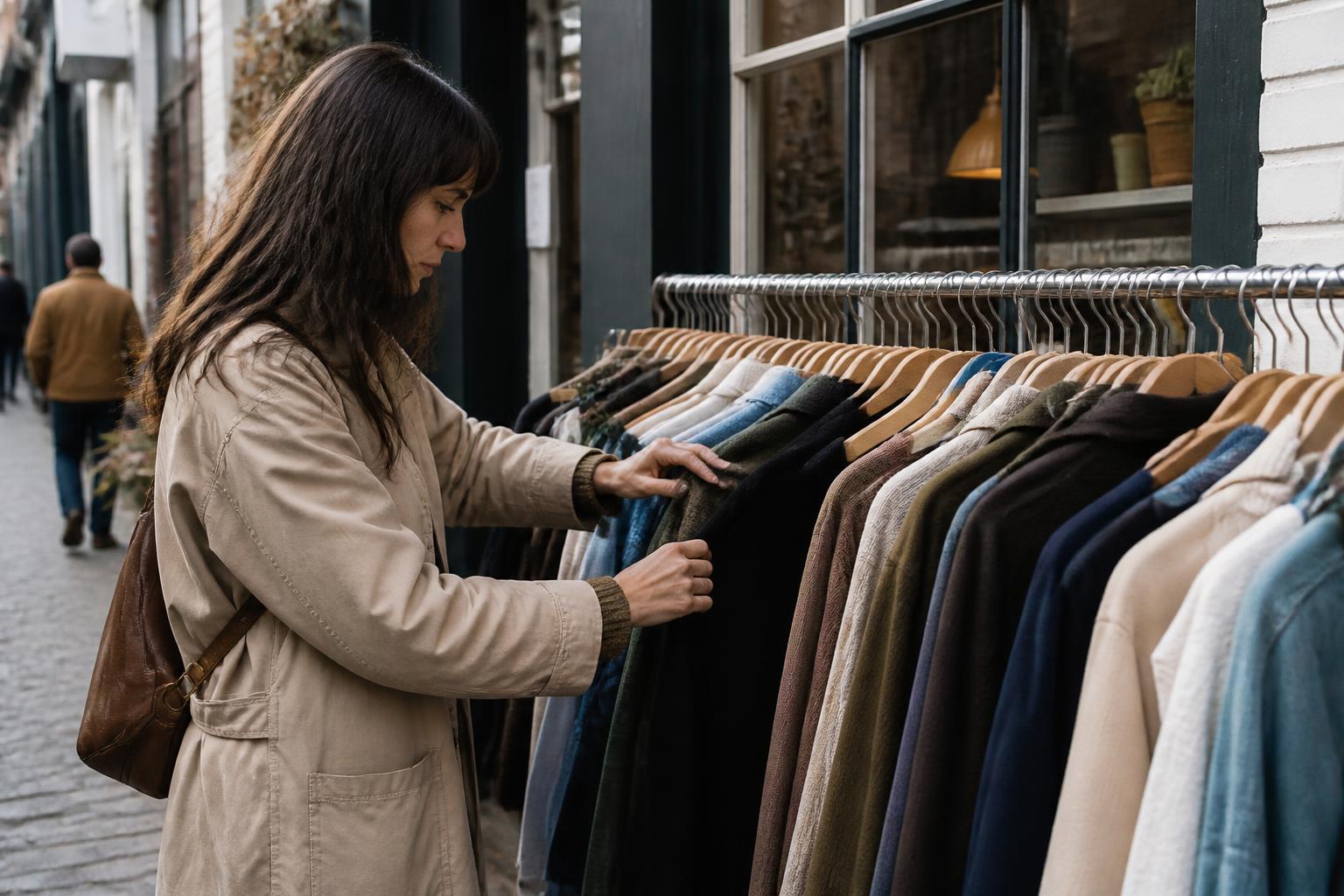
Second-hand listings for synthetic garments can be excellent value, but polyamide and nylon pieces need a slightly sharper eye than the fibre label alone suggests.
Start with the role of the fabric in the garment.
If it is outerwear, check cuffs, hem edges, shoulder areas and zip plackets for abrasion, shine, coating wear or tiny pulls. If it is activewear, inspect the seat, knees and waistband for thinning or stretched-out recovery. If it is a lined dress, coat or skirt, ask about the lining as well as the outer.
Photos do not always show damage clearly, so ask direct questions:
- Are there any snags or pulls?
- Is the fabric shiny from wear anywhere?
- Has the item been tumble dried?
- Has the stretch gone at cuffs, waistband or straps?
- Are there any repairs, especially to mesh, lining or seams?
Blends matter a lot in resale value and remaining life.
A polyamide-elastane item may look fine in photos but have poor recovery in person. Waistbands that ripple, straps that no longer spring back, and knees that bag out are all signs that stretch fibres may be tired.
A wool-polyamide knit can be a good buy because the polyamide often adds strength, but check for pilling, seam stress and any felting from incorrect washing.
A polyamide lining inside an otherwise natural-fibre garment should not put you off, but inspect it carefully. Replacing a lining is possible through a tailor or alterations service, yet the cost only makes sense if the outer garment is worth saving and fits well.
For likely repairs, think in tiers.
Simple jobs:
- re-sewing a loose hem
- reattaching a hook
- replacing a zip pull
- tidying a small unpicked seam
Possible but worth pricing first:
- replacing a full zip
- patching a torn lining panel
- taking in or reshaping a lined garment
- replacing elastic in some waistbands
Often poor value unless the item is excellent:
- repairing obvious melted damage
- fixing widespread snagging
- replacing multiple mesh panels
- correcting badly distorted stretch fabric
Also pay attention to smell and storage history. Polyamide usually washes cleanly, but stale odours from smoke, heavy fragrance or damp storage can linger in linings and waistbands. If a seller says an item has been boxed in a loft, garage or damp cupboard, proceed carefully.
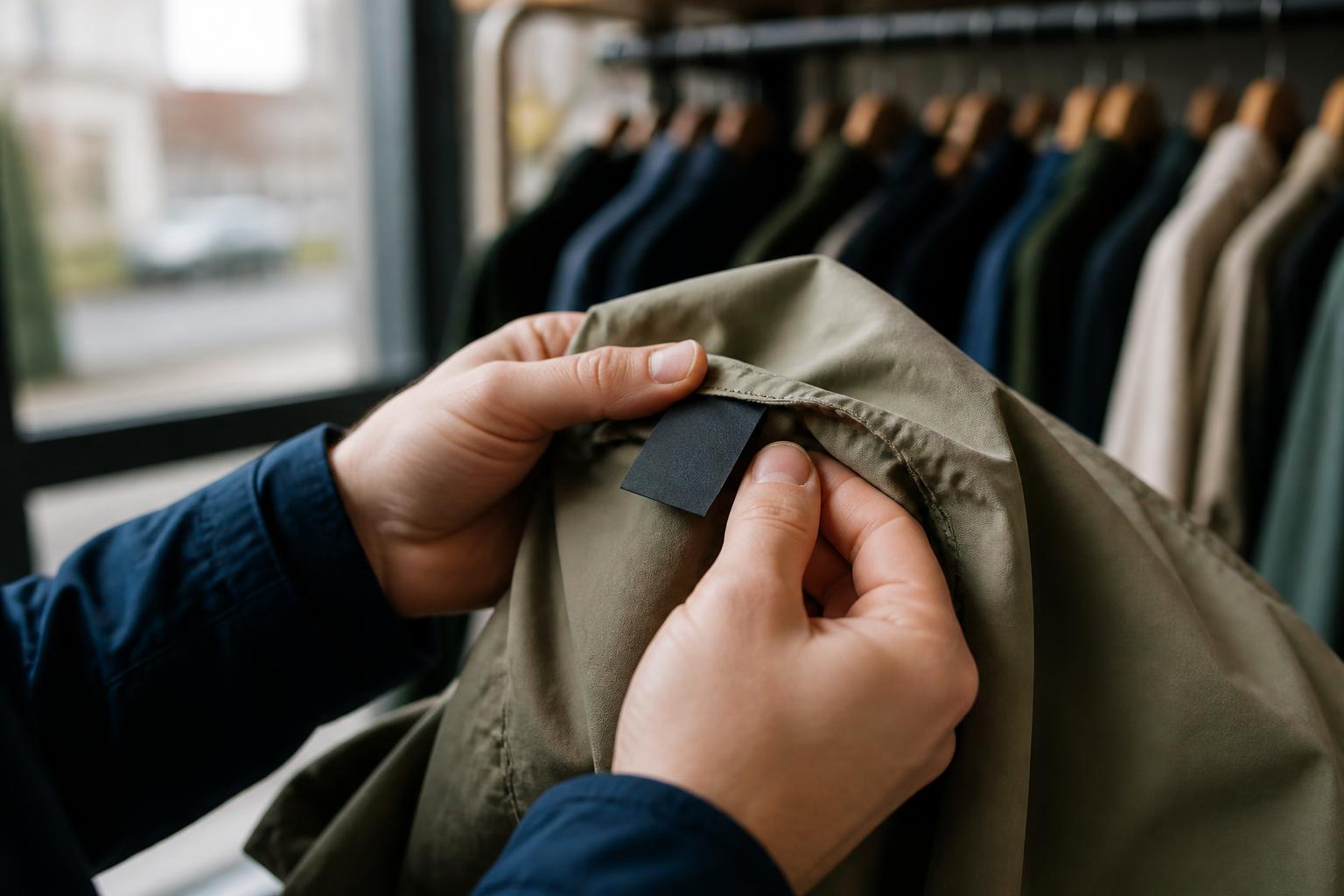
Finally, check whether the label photo is included. For second-hand buying, we always prefer seeing the actual fibre label and care label rather than relying on a seller's summary. It helps you distinguish between a 100% polyamide shell, a polyamide blend, or a garment where polyamide appears only in the lining or trim.
So, is polyamide the same as nylon in the way that matters when you are buying second-hand or caring for your clothes? Most of the time, yes. Treat them as the same fibre family for practical purposes. Then look beyond the name to the blend, the construction, the care label and the actual wear. That is where the useful information is, and it is what helps an everyday wardrobe last longer.

Questions about this article or a correction to suggest? Get in touch. Read more about our editorial approach.