If you want the short answer first, modal is not simply better than cotton, and cotton is not automatically the safer everyday buy. The better fabric depends on what the garment is for, how it is made, and how you will actually wash and wear it. For soft next-to-skin basics, drapey tops and underwear, modal often feels smoother and stays neater for longer. For sturdy T-shirts, shirts, denim, workwear and anything you want to wash hard and forget about, cotton is often the easier choice.
When readers ask us whether modal is better than cotton, what they usually mean is this: which one feels nicer, washes well at home, survives a busy wardrobe and is worth buying second-hand. That is the useful comparison, because the fibre name on the label tells you something, but not everything. Weight, knit or weave, finishing, garment cut and care habits matter just as much.
What modal is and how it differs from cotton
Modal is a regenerated cellulosic fibre. That means it starts with plant cellulose, usually wood pulp, which is dissolved and then spun into fibre. Cotton is also cellulose, but it grows as a natural staple fibre on the cotton plant and is spun more directly into yarn.
That shared cellulose base is why modal and cotton can both feel breathable and comfortable on skin. They are not opposites. But they behave differently because the fibres are made differently.
Cotton fibres are short, fluffy staples with a more irregular structure. Depending on the cotton quality and yarn spinning, that can give fabric a dry, familiar hand feel, a bit more body, and sometimes more surface fuzz. A basic cotton jersey T-shirt often feels more casual and slightly sturdier in the hand, even when it is not especially thick.
Modal fibres are manufactured to be smooth, fine and fairly uniform. In clothing, that usually translates to a silkier surface, more fluid drape and less roughness against the skin. A modal jersey top often hangs closer to the body, skims rather than stands away, and can look a little more polished even in a very simple cut.
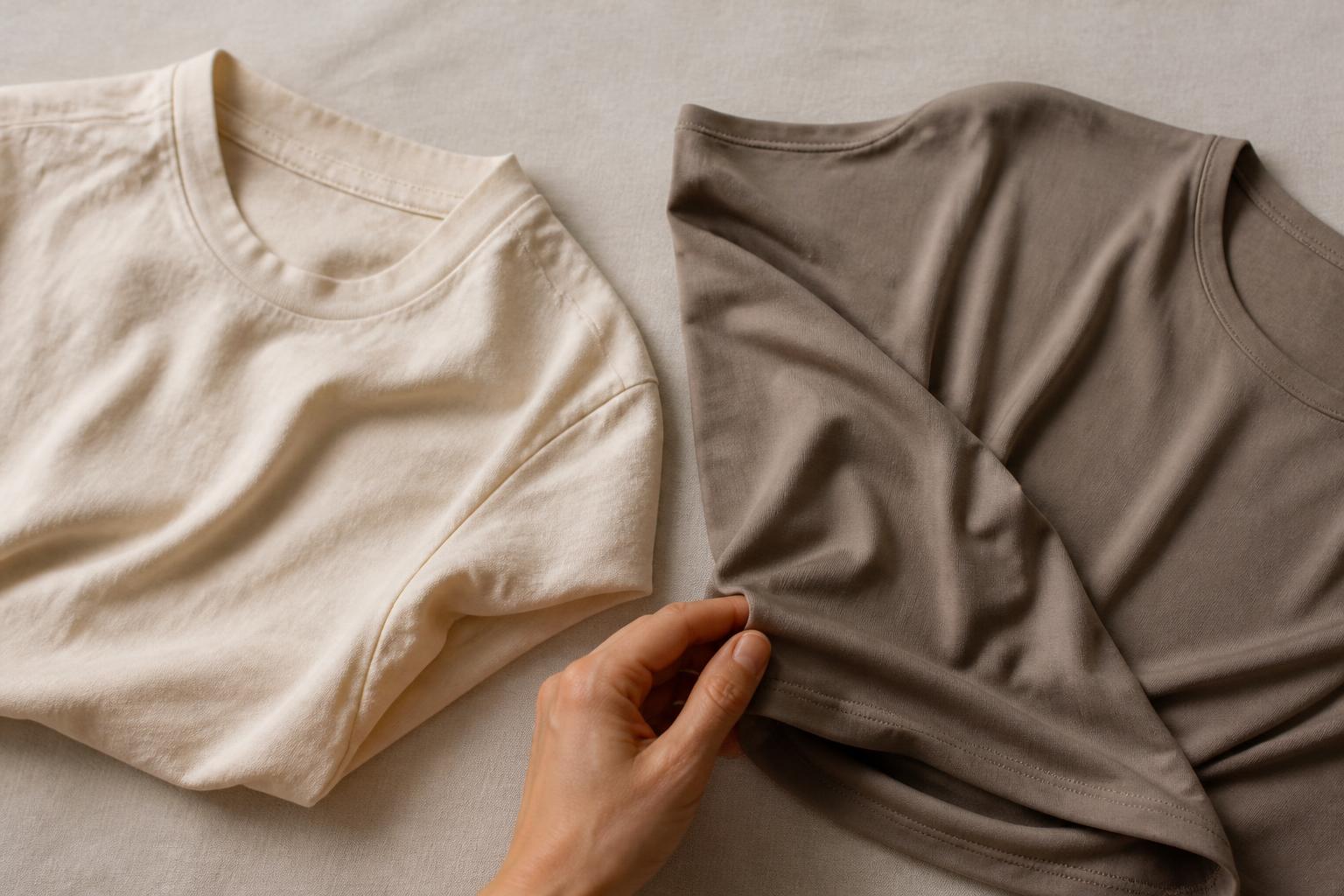
That difference at fibre level is why two garments with similar labels can wear so differently. A 100 per cent cotton tee can feel crisp, matte and structured. A modal or modal-rich tee can feel cool, slippery and fluid. Neither is wrong. They simply suit different jobs in a wardrobe.
Blends complicate things further, often in a useful way. Cotton blended with modal can give you some of cotton’s familiarity with a softer handle and better drape. Add elastane and the fit changes again, especially in leggings, fitted tops and underwear. So when you compare labels, do not stop at the first fibre listed. Look at the whole composition.
It is also worth separating fibre type from wider claims about sustainability. Modal, viscose and lyocell are all regenerated cellulosics, but they are not identical in processing. Cotton, meanwhile, varies hugely by farming method, finishing and garment lifespan. If you want the bigger wardrobe picture rather than just the fibre debate, our guide to what ethical fashion means for your everyday wardrobe helps put those claims into practical terms.
Is modal better than cotton for comfort and fit?
For comfort, modal often wins when you want softness straight away. It tends to feel smoother on sensitive skin, especially in underwear, pyjamas, vest tops and close-fitting layers. If you dislike the slightly dry or textured feel that some cotton jerseys have, modal can feel noticeably better from first wear.
Modal also tends to drape more cleanly. In a scoop-neck top, a long-sleeved base layer or a simple dress, it usually hangs in a way that looks less bulky and less boxy than standard cotton jersey. If you want a top to sit neatly under a cardigan or blazer, modal can be the easier fabric to wear.
Stretch and recovery are a little more complicated. Modal itself is not the same thing as elastane, but modal jerseys often feel more flexible because the fabric is softer and more fluid. That can make a fitted garment feel comfortable without feeling rigid. However, if the garment relies on stretch for shape retention, the real question is whether there is elastane in the blend and whether the knit is firm enough to recover after wear.
Cotton can be the better everyday choice when you want structure rather than drape. A classic crew-neck T-shirt, an Oxford shirt, a sweatshirt or sturdy joggers often benefit from cotton’s body. Cotton can also feel more forgiving if you prefer clothes that do not cling or show every line underneath.
Climate and personal preference matter too. In hot weather, some people find lightweight cotton cooler because it feels drier and less slinky. Others prefer modal because it feels smoother and less sticky under layers. There is no universal answer there. If you run warm, the cut of the garment often matters more than whether the label says cotton or modal.
For fit, watch for one practical issue. Modal-rich garments can show the exact quality of the cut more clearly because they drape so closely. A cheap modal top with twisted side seams or a slightly off-grain cut can look skewed quite quickly. Cotton, especially in a more substantial fabric, can hide those faults better.
So, is modal better than cotton for comfort and fit? Often yes, for soft base layers and drapey basics. Not always, if what you need is structure, easy layering, and a less clingy everyday shape.
Which lasts longer in a real wardrobe?
This is where fibre labels stop being enough.
A well-made cotton T-shirt can outlast a flimsy modal one by years. A dense modal jersey from a reliable brand can stay presentable longer than a thin, low-grade cotton top that goes rough and misshapen after a few washes. Construction matters. So do fabric weight, finishing and how hard the garment’s job is.
The common wear issues are slightly different.
With cotton, typical problems include shrinkage, surface roughness, fading, underarm stiffness from deodorant and detergent build-up, and holes forming where fabric rubs hard, often at the front hem, under backpack straps or around belt buckles. Lower-quality cotton jersey can also twist after washing if the fabric was cut off-grain.
With modal, the common complaints are thinning, pilling in friction zones, bagging at knees or elbows in softer knits, and seam stress in very fitted garments. Because modal is often used in finer, drapier fabrics, it can simply be less forgiving if the garment is stretched hard across the body or washed roughly.
Pilling is a good example of why labels mislead. People often assume natural equals no pilling and regenerated equals pilling, but in practice pilling depends on yarn quality, fabric construction and abrasion. A brushed cotton knit can pill. A smooth modal jersey can stay neat. A cheap modal-elastane legging can pill quickly at the inner thighs. You need to look at the actual fabric surface, not just the fibre list.
Shrinkage is another area where cotton has a reputation for trouble, and often fairly. Cotton can shrink more noticeably, especially if tumble dried or washed too warm. But modal is not immune to shape change. It may shrink less dramatically in length and width, yet lose firmness if repeatedly washed and dried harshly.
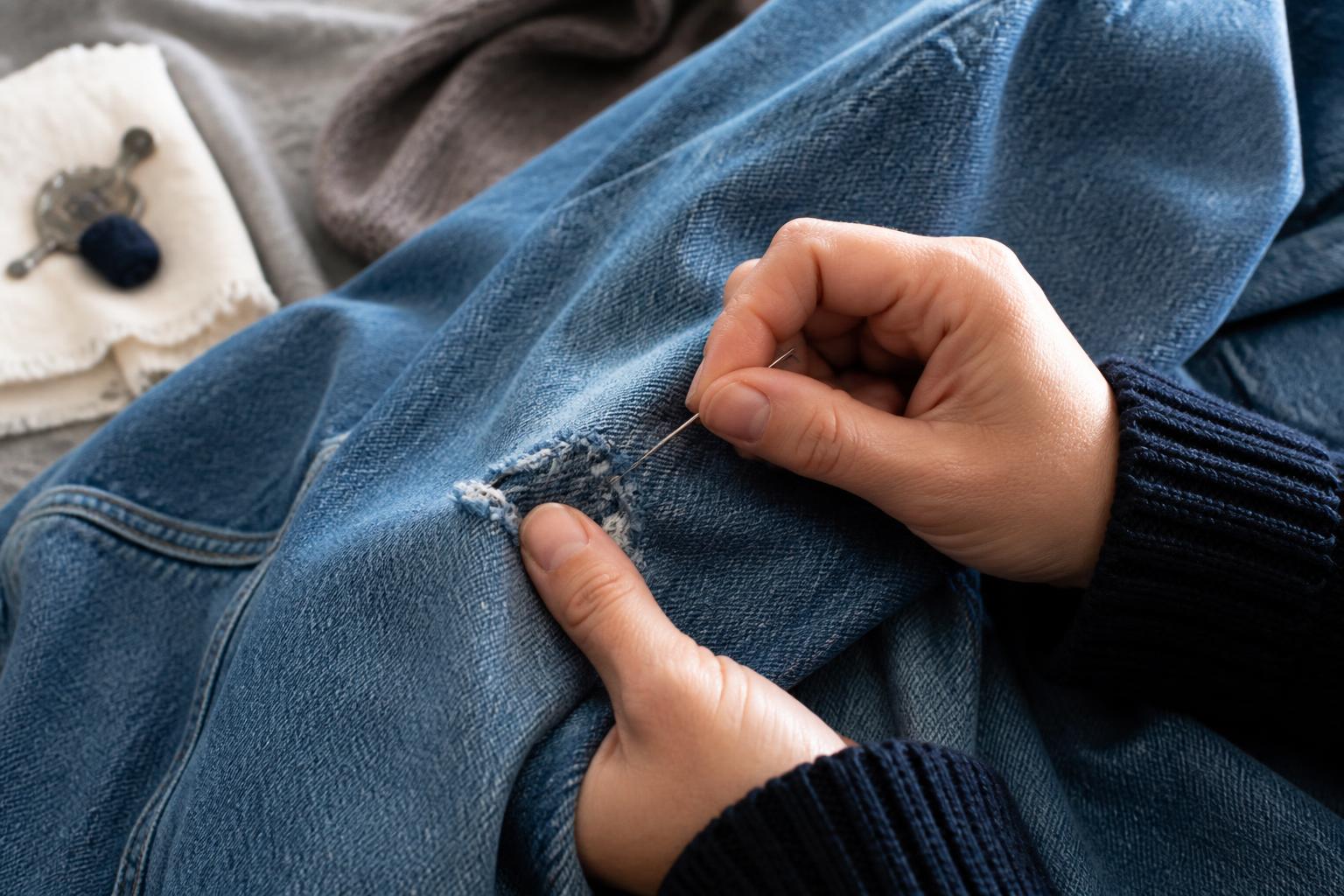
Seams deserve more attention than they get. In second-hand shopping, we often see modal-rich tops where the fabric still feels soft but the seams are rippling, the neckline has stretched, or the armholes are under strain. That is not always because modal is weak. It can be because the garment was made in a lightweight knit with narrow seam allowance and then worn close to the body. A fibre label cannot tell you that.
As a rough guide, cotton usually wins for hard-wearing staples that need to cope with friction, hot washing and rougher treatment. Modal often wins for keeping a soft, smooth feel in gentler wardrobe roles, provided the garment is not too flimsy.
If you are trying to make more of what you already own, our guide to fabric care that keeps clothes wearable for longer is the best place to start, because longevity often comes down to laundering and storage rather than fibre alone.
How washing and drying change the answer
Laundry habits can flip the verdict completely.
Cotton generally tolerates more robust washing. Many cotton everyday items can cope with a 30°C or 40°C wash, depending on the care label, colour and finish. White cotton underwear, socks and tea-towel-adjacent basics sometimes go hotter, but only if the care label allows it. In the UK, follow the garment care label first. Brands are responsible for giving instructions suitable for the item as sold.
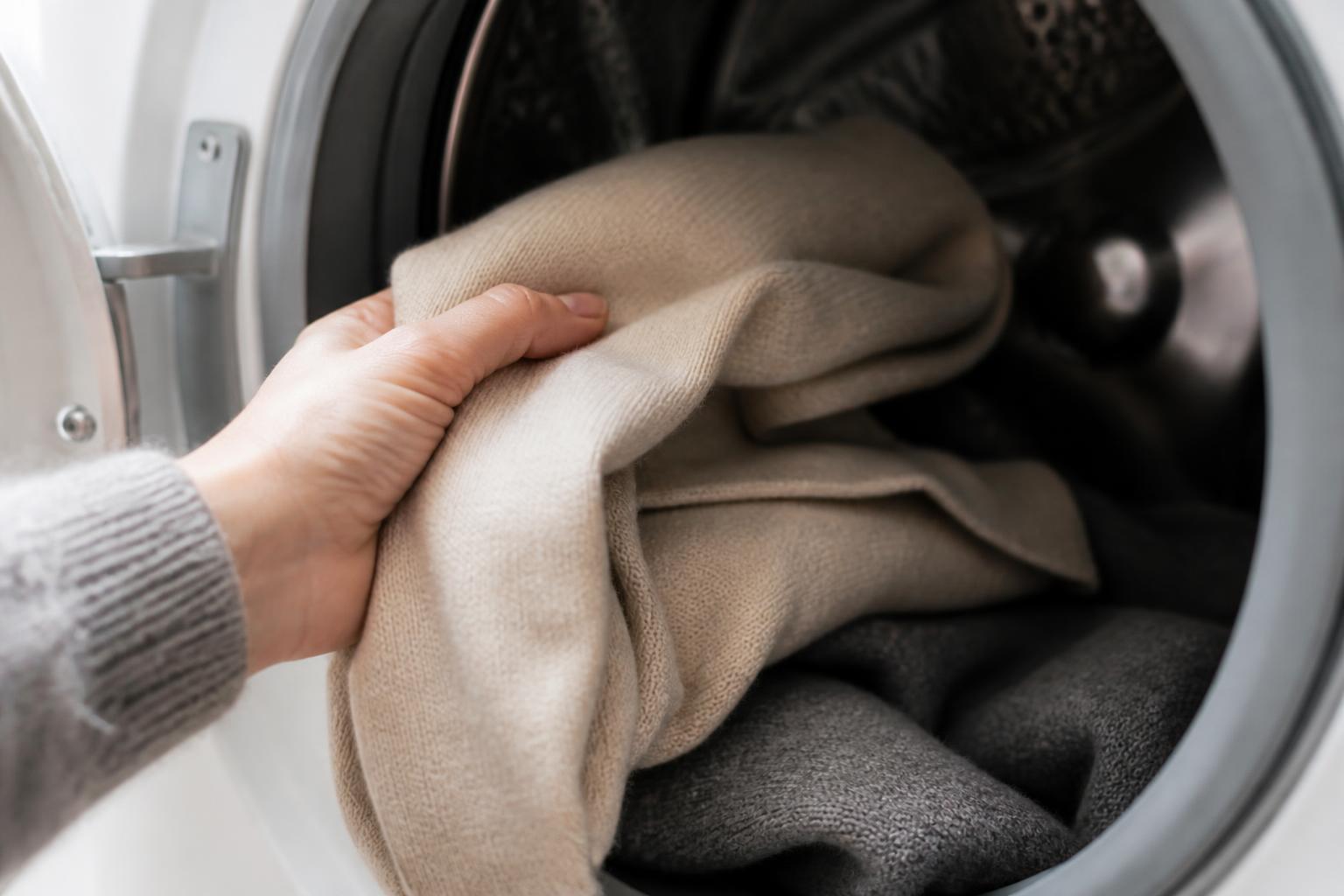
Modal usually benefits from gentler treatment. That often means 30°C, a lower spin, and avoiding an overfilled drum. A high spin speed can be surprisingly hard on fine modal jersey because wet fibres and stretched seams do not recover well when they are flung about with heavier items like jeans or towels.
Detergent choice matters as well. You do not need anything fancy, but you do need enough detergent to clean body oils and deodorant residue without overdoing it. Too much detergent can leave build-up, especially in smoother fabrics that then feel less breathable. Biological detergent is often effective for everyday grime, but if you have sensitive skin or delicate dark items, you may prefer a non-bio option. Either way, proper rinsing matters more than chasing miracle products.
Tumble drying is where many modal garments come unstuck. Cotton can often survive occasional tumble drying, though repeated high heat shortens its life and encourages shrinkage. Modal is more likely to lose shape, tighten oddly, or wear faster with regular tumble drying, especially in lightweight jerseys. Air drying is usually the safer choice.
Drying method affects fit too. We prefer reshaping modal tops while damp, smoothing side seams, necklines and hems before drying flat or on a hanger if the fabric is not too heavy. Cotton jersey can usually be line dried or airer dried with less fuss, though heavier items may stretch if pegged carelessly from one point.
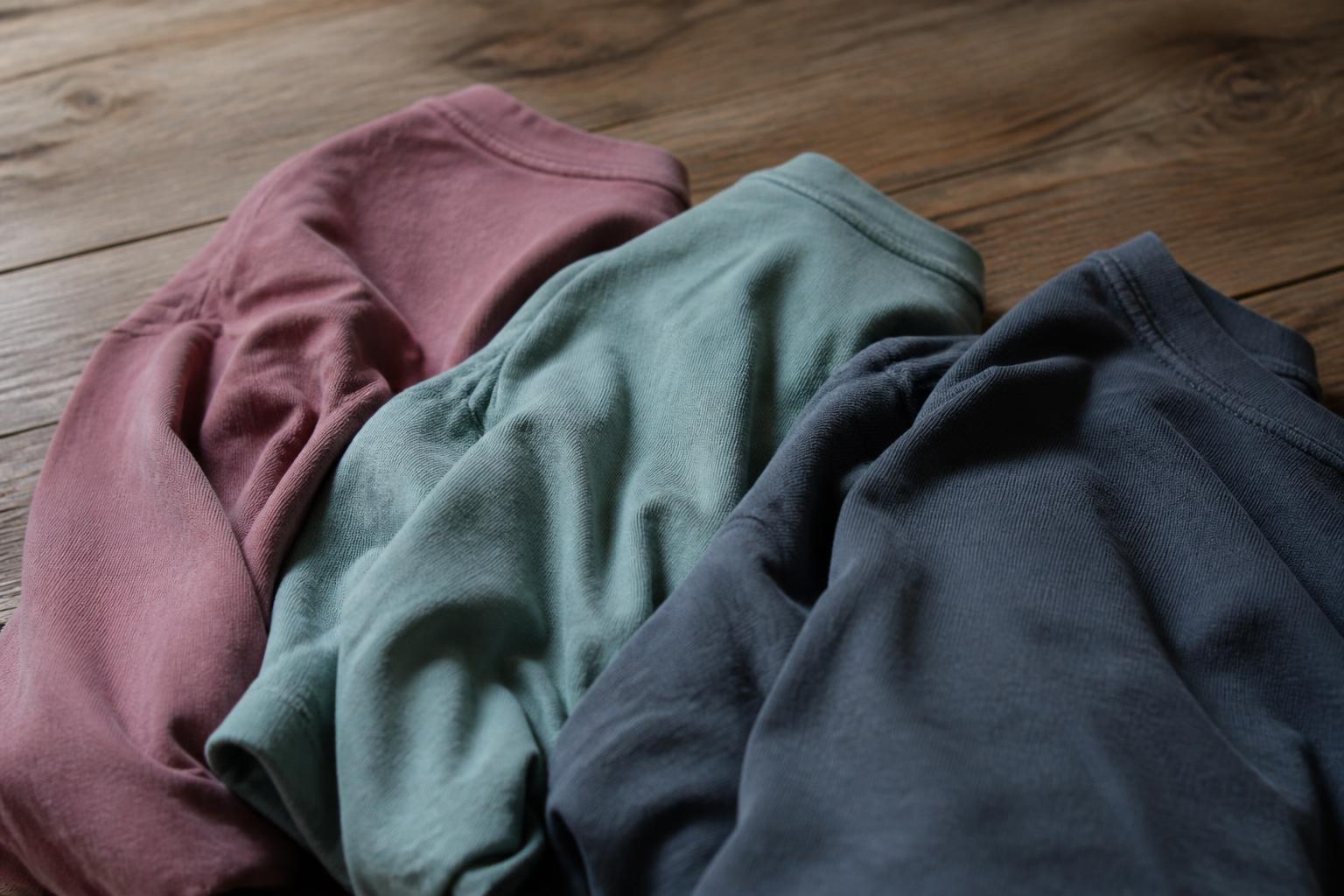
Care labels can also reflect garment finishing, not just fibre type. A cotton item that is garment dyed, brushed, coated or blended may need gentler handling than you would expect from “just cotton”. If you have ever bought a washed or richly coloured cotton item and wondered why it faded so quickly, our piece on what garment-dyed clothes mean for care and colour explains the trade-off.
One more practical point for UK households. If you rely on indoor drying for much of the year, modal’s longer drying time in some heavier knits may matter. Cotton can also be slow, of course, but a soft modal jersey that stays damp for longer and then gets over-dried on a radiator can age fast. Neither fabric likes direct radiator heat much, but modal tends to show the consequences sooner.
How to choose between modal and cotton when buying second-hand or new
When buying new, start with the garment’s job.
For underwear, sleepwear, fitted long-sleeved tops and drapey basics, modal is often worth a look. For T-shirts you want to wear hard, children’s clothes, workwear-adjacent basics, shirts, denim and sweatshirts, cotton is often the lower-risk option.
Then check the label properly. Look at fibre composition first, but also care instructions. A top that feels lovely in the shop but says hand wash, reshape while damp, do not tumble dry and wash separately may still be right for you, but only if you know you will actually do that. There is no bargain in a garment that does not fit your laundry routine.
In second-hand shopping, use your hands and eyes more than the fibre label.
Hold the fabric up to the light. Is it more transparent than it should be for that type of garment? Thinning shows up quickly this way, especially in modal-rich tops and leggings.
Check the recovery. Gently stretch the hem, cuff or side seam and let go. Does it spring back, or stay slightly wavy? Poor recovery can mean the knit has softened beyond its best or that elastane has started to fail.
Look at friction zones. For trousers and leggings, inspect inner thighs, knees and seat. For tops, check underarms, side seams, cuffs and the front where bags or cross-body straps rub. Modal pilling is often obvious here. Cotton wear can show as fading, roughness or tiny holes.
Inspect seam lines and neckline shape. A smooth modal top with a rippled neckline or twisted side seam may never sit right however carefully you wash it. A cotton tee with slight fading but firm seams may be the better buy.
Feel the fabric weight. Very lightweight modal can feel luxurious in the hand and still be too fragile for the role you need. Equally, a dense cotton jersey can feel reassuring in the shop and then prove hot or stiff for the way you dress. Match weight to use.
For new purchases, check whether the drape suits your wardrobe. If you mostly wear relaxed jeans, overshirts and practical layers, a very slinky modal top may not earn its keep. If you need soft layers under knitwear or office basics that sit neatly without bulk, it may be exactly right.
Finally, think about upkeep before checkout. If a garment needs lower spin, no tumble drying, careful reshaping and a bit more patience on wash day, are you happy with that? If yes, modal can be a very good everyday fabric. If not, cotton may serve you better, even if it feels less impressive in the changing room.
For most wardrobes, the sensible answer is not choosing one fibre for everything. It is using each where it works best. Cotton for robust, easy-care staples. Modal for softness, drape and comfort next to skin. When you buy with that in mind, and judge the actual garment rather than the marketing line, you are far less likely to end up with clothes that looked promising and became a nuisance by month two.

Questions about this article or a correction to suggest? Get in touch. Read more about our editorial approach.