Silk can usually be washed at home, but only if the care label allows it and you keep the process gentle from start to finish. For most silk blouses, the safest method is a short hand wash in cool or lukewarm water with a small amount of silk-friendly detergent, followed by careful rinsing, towel drying and air drying away from heat and direct sun.
If you are trying to work out how to wash a silk blouse at home without ending up with water marks, dull patches or a misshapen collar, the key is not to treat silk like cotton. Silk reacts badly to rubbing, twisting, high heat and strong detergents. A few cautious checks before you start matter just as much as the wash itself.
Start with the care label
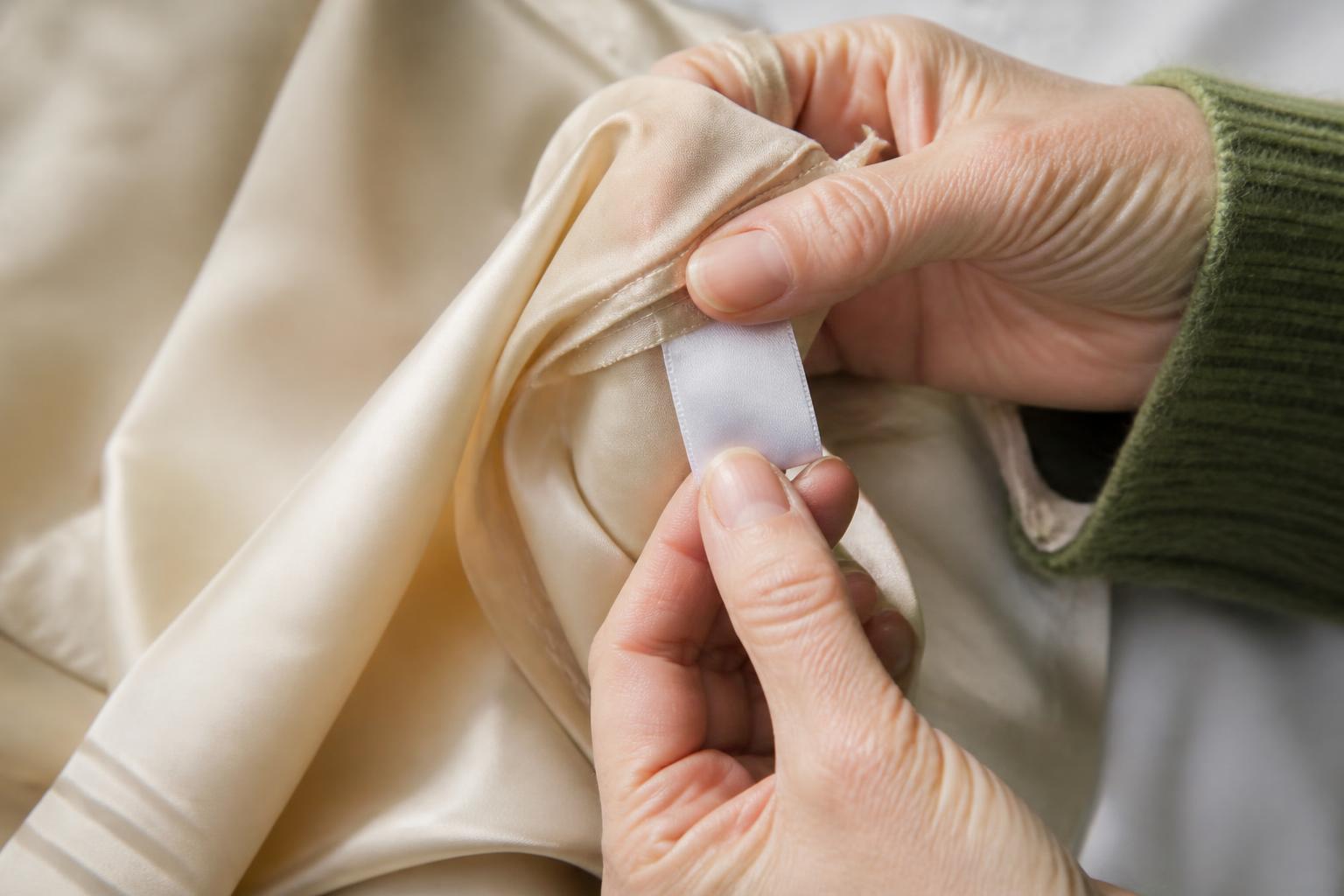
Before you put a silk blouse anywhere near water, read the care label properly. This is the point where many home washing disasters begin. If the label says “Dry clean only”, take that seriously, especially if the blouse is structured, lined, darkly dyed, pleated or tailored.
A washable silk blouse often shows a wash tub symbol, sometimes with a temperature such as 30°C. If there is a hand in the tub, that means hand wash only. A crossed-out wash tub means do not wash. A circle means dry clean. If the circle has a cross through it, do not dry clean. You may also see ironing symbols with one dot for low heat, which is standard for silk.
A few label points are worth knowing:
- “Dry clean” is not the same as “Dry clean only”. “Dry clean” can mean the manufacturer recommends it, but home washing may still be possible if the garment is otherwise simple and colourfast.
- “Dry clean only” should usually take priority over online shortcuts and old forum advice.
- If the blouse has shoulder pads, interfacing, covered buttons, contrast trims or a lining made from another fibre, those parts may react differently to water.
- Vintage silk needs extra care. Older dyes and finishes can be unstable, and seams may be weaker than they look.
If you are unsure what the symbols mean, our guide to reading washing symbols without ruining clothes will help you decode them before you decide.
In the UK, care labelling on clothing sold to consumers is less prescriptive than some shoppers assume. Brands commonly provide fibre content and care instructions, but there is not one single UK-only format that guarantees every label will use identical wording. That makes the actual symbols and phrases on the garment more important than assumptions about fabric type. With silk, always follow the specific blouse in front of you.
What you need before you wash silk
You do not need a specialist laundry set-up, but the right basics make the job much safer.
Useful supplies:
- A clean basin, sink or washing-up bowl
- Cool to lukewarm water
- A mild detergent suitable for silk or delicates
- Two clean white towels
- A padded hanger or a rust-free plastic hanger
- A pressing cloth, if you plan to iron it
- Optional, a handheld steamer
What to avoid:
- Biological detergents with enzymes
- Bleach or oxygen stain removers unless the care label and product both clearly allow delicate silk use
- Fabric conditioner
- Vinegar as a routine fix for every wash
- Hot water
- Spot rubbing with a nail brush or rough cloth
- Spraying random stain products directly onto visible areas
Before washing, inspect the blouse in good light.
First, check for colour bleed. Dampen a hidden seam allowance or the inside of a hem with cool water, then press with a white cloth. If dye transfers, do not wash the blouse fully at home. This matters most with deep navy, black, jewel tones and printed silk.
Next, look at marks and build-up. Silk often picks up:
- Deodorant residue under the arms
- Light makeup around the collar
- Body oil at the neckline and cuffs
- Splash marks from perfume or water
Do not scrub these areas. Instead, dilute a tiny amount of silk detergent in water and dab the area gently with a clean cloth. Leave it for a few minutes, then rinse that spot lightly. If the mark does not shift easily, forcing it usually makes things worse.
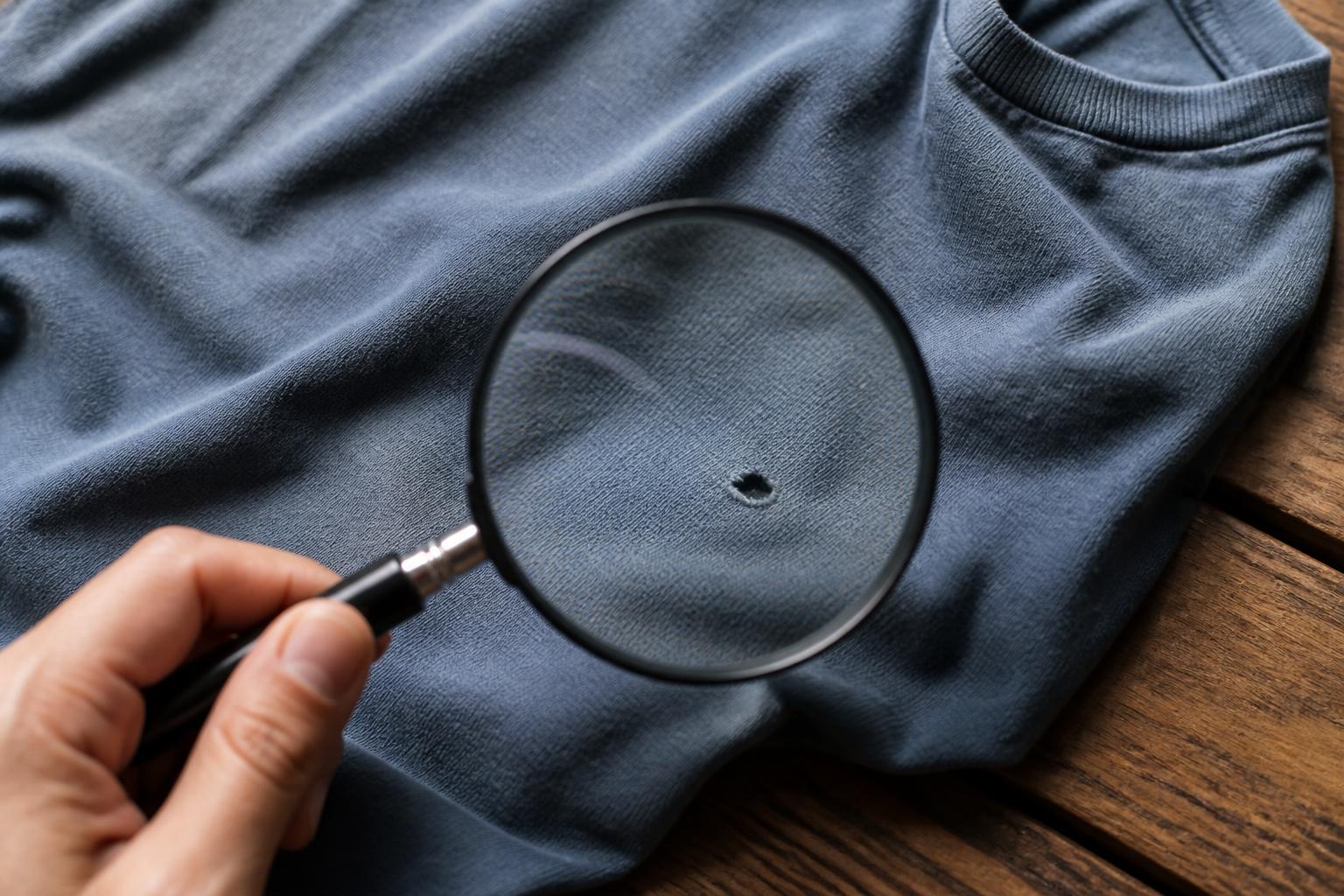
Now check the seams. Silk can split at underarms, side seams and button plackets long before the fabric itself fails. If you can see loose stitching, fraying or strain around the buttons, mend that first or leave the blouse unwashed until it can be repaired. Water and handling can turn a small weakness into a visible tear.
Finally, fasten the buttons and turn the blouse inside out if it is especially delicate or has a shiny surface. This reduces abrasion during washing and rinsing.
How to hand wash a silk blouse step by step
Hand washing is the safest home method for most washable silk blouses. It gives you control over water temperature, movement and rinsing, which is exactly what silk needs.
1. Fill a basin with cool or lukewarm water
Aim for cool to slightly warm water, not hot. If it feels noticeably warm on your hands, it is probably too warm for silk. Sudden temperature changes can also stress the fabric, so keep both wash water and rinse water similar.
2. Add a small amount of detergent
Use only a little. More detergent does not mean a better clean, it just means more rinsing. Swish the water gently to disperse it before the blouse goes in.
Choose a detergent labelled for silk, delicates or wool and silk. Standard heavy-duty detergent is often too harsh.
3. Submerge the blouse gently
Lower the blouse into the water and press it down softly with your hands. Do not bunch it up and knead it as if you were washing a jumper. Move it through the water slowly for a minute or two, focusing on letting the water and detergent do the work.
4. Soak briefly
A short soak is enough, usually around three to five minutes. You are not trying to deep-clean workwear cotton here. Leaving silk to sit for a long time can increase the risk of dye movement, water marks and loss of finish.
5. Pay light attention to problem areas
If the underarms or collar need a bit more help, use your fingertips to smooth the fabric against itself very gently under the water. No rubbing, twisting or scrubbing.
6. Rinse in clean water
Drain the basin and refill with clean cool water, or hold the blouse in a basin of fresh water. Press the water through the garment until the detergent is gone. You may need to repeat this once more, but keep the process brief.
Do not rinse under a forceful running tap if the fabric is very lightweight. The pressure can distort delicate areas.
7. Lift it out carefully
Support the blouse from underneath with both hands. Wet silk is weaker than dry silk. If you lift it by one shoulder or the collar, the fabric can stretch out of shape.
8. Remove excess water without wringing
Lay the blouse flat on a clean towel, roll the towel up with the blouse inside, then press gently. This pulls out moisture without crushing or twisting the fibres.
That is the core method for washing silk at home safely. In most cases, the biggest improvements come from doing less, not more. Keep the wash short, cool and gentle.
Can you machine wash a silk blouse?
Sometimes, yes, but only if the care label allows washing and the blouse is fairly robust. A simple silk shirt with no lining, no tailoring and no fragile trim may cope with a machine wash better than a bias-cut blouse, satin silk camisole or anything vintage.
Even then, machine washing is still riskier than hand washing. The main issues are friction, spin speed and creasing. Silk can come out with seam strain, dull patches or permanent-looking crumples if the cycle is too rough.
If you do machine wash, stack the odds in your favour:
- Put the blouse in a fine mesh laundry bag
- Turn it inside out
- Fasten buttons
- Use a delicate or hand-wash cycle
- Keep the temperature at 20°C or 30°C, following the label
- Use a low spin, or no spin if your machine allows
- Wash it with other lightweight delicates only, never towels, denim or garments with zips
- Use a small amount of silk-safe detergent
Take it out as soon as the cycle ends. Leaving silk crumpled in the drum is a good way to set creases and increase the risk of colour transfer.
If your machine has a true wool or silk programme, read the manual rather than trusting the name alone. Some “delicate” cycles still have a vigorous spin. In UK homes, machine settings vary widely between brands, so one person’s safe silk cycle is another person’s ruined blouse.
As a rule, if losing the blouse would annoy you, hand wash it instead. We take the same view with other animal fibres too. Our piece on whether merino wool can go in the washing machine safely covers a similar trade-off between convenience and fabric risk.
How to dry and smooth silk properly
Drying is where a lot of accidental damage happens. A silk blouse that survived the wash can still end up stretched, marked or scorched if you rush this part.
Start by removing excess water with a towel, as above. Do not wring the blouse out over the sink. Do not twist the sleeves. Do not hang it dripping wet from one narrow hanger.
After towel pressing, reshape the blouse gently. Straighten the collar, button band, cuffs and hem while the fabric is still damp. This helps it dry closer to its original shape and cuts down on ironing later.
Whether to dry flat or on a hanger depends on the blouse:
- Dry flat if the silk is very fine, the blouse is heavy when wet, or the cut is bias or loose enough to stretch
- Hang to dry if the blouse is lightweight, structured enough to hold shape and not dripping wet
If you hang it, use a padded or smooth hanger and keep it away from direct sun, radiators and heated airers. Strong sunlight can fade silk and leave uneven drying marks. Direct heat can make silk feel harsh and brittle.
Never use a tumble dryer. Even a low-heat setting is too much of a gamble.
Once dry or almost dry, smooth the blouse with steam or a cool iron. A handheld steamer is often the easiest option because it relaxes creases without direct pressure. Keep the steamer moving and avoid soaking one area.
If you iron:
- Check the label first
- Use the silk setting or lowest heat
- Iron the blouse inside out
- Use a pressing cloth
- Avoid pressing hard on seams and shiny areas
- Iron while slightly damp if possible
If your iron leaves water spots, stop using the steam function and switch to a pressing cloth with dry heat on low. Scorching happens quickly on silk, especially on dark colours and satin weaves.
Once the blouse is dry and smooth, give it space in the wardrobe. Silk crushes easily when packed tightly. Good storage is part of care, not an optional extra. Our guide to wardrobe care that helps clothes last longer covers the practical habits that make delicate pieces easier to keep in rotation.
Common mistakes that shorten a silk blouse's life
Most silk damage at home comes from a short list of avoidable mistakes.
Ignoring “dry clean only”
Some washable silk does fine at home. Some absolutely does not. If the blouse is tailored, lined, heavily dyed, embellished or expensive to replace, home washing may be a false economy.
Using the wrong detergent
Strong detergent can strip silk of its softness and sheen. Anything designed for muddy sports kit or white cottons is the wrong tool here.
Washing in water that is too hot
Heat can shrink silk, disturb dyes and change the hand feel of the fabric. If silk comes out feeling papery, rough or oddly stiff, excessive heat is often part of the story.
Scrubbing stains
Rubbing one patch aggressively can leave that area lighter, rougher or visibly worn. On silk, mechanical damage often shows before the stain fully goes.
Soaking for too long
Long soaks can lead to colour bleed, water marks and weakened fibres. Silk is not a fabric that benefits from being forgotten in a bowl for half an hour.
Wringing or twisting
This can pull seams, distort collars and leave hard-set creases. Wet silk needs support, not force.
Drying in direct sun or near heat
This speeds up fading and can make the fabric brittle over time.
Ironing too hot
Shine marks, scorching and texture changes can happen in seconds. If you are ever unsure, steam first and iron only if needed.
Treating every mark at home
Some stains on silk, especially oil, old perspiration, red wine, ink or heavy makeup, are better handled professionally. The same goes for water rings on satin silk and any blouse with unstable dye. Home care stops being sensible when the risk of setting the stain or damaging the finish is higher than the cost of proper cleaning.
A final point, wash silk blouses only when they need it. Overwashing shortens their life just as surely as rough washing does. Often, airing the blouse out, spot cleaning a tiny mark and wearing a layer under it next time will buy you another wear. If you are trying to build a wardrobe that lasts on an ordinary budget, fewer, better judged washes make a real difference. The same principle applies across natural fibres, as we mention in our guide to how often to wash wool jumpers.
Silk is not impossible to care for at home. It just rewards patience. Read the label, keep the wash brief and cool, handle the fabric as little as possible, and do not push through warning signs like dye bleed or weak seams. That is how we keep a silk blouse wearable for years, rather than getting one clean wear too many out of it.

Questions about this article or a correction to suggest? Get in touch. Read more about our editorial approach.