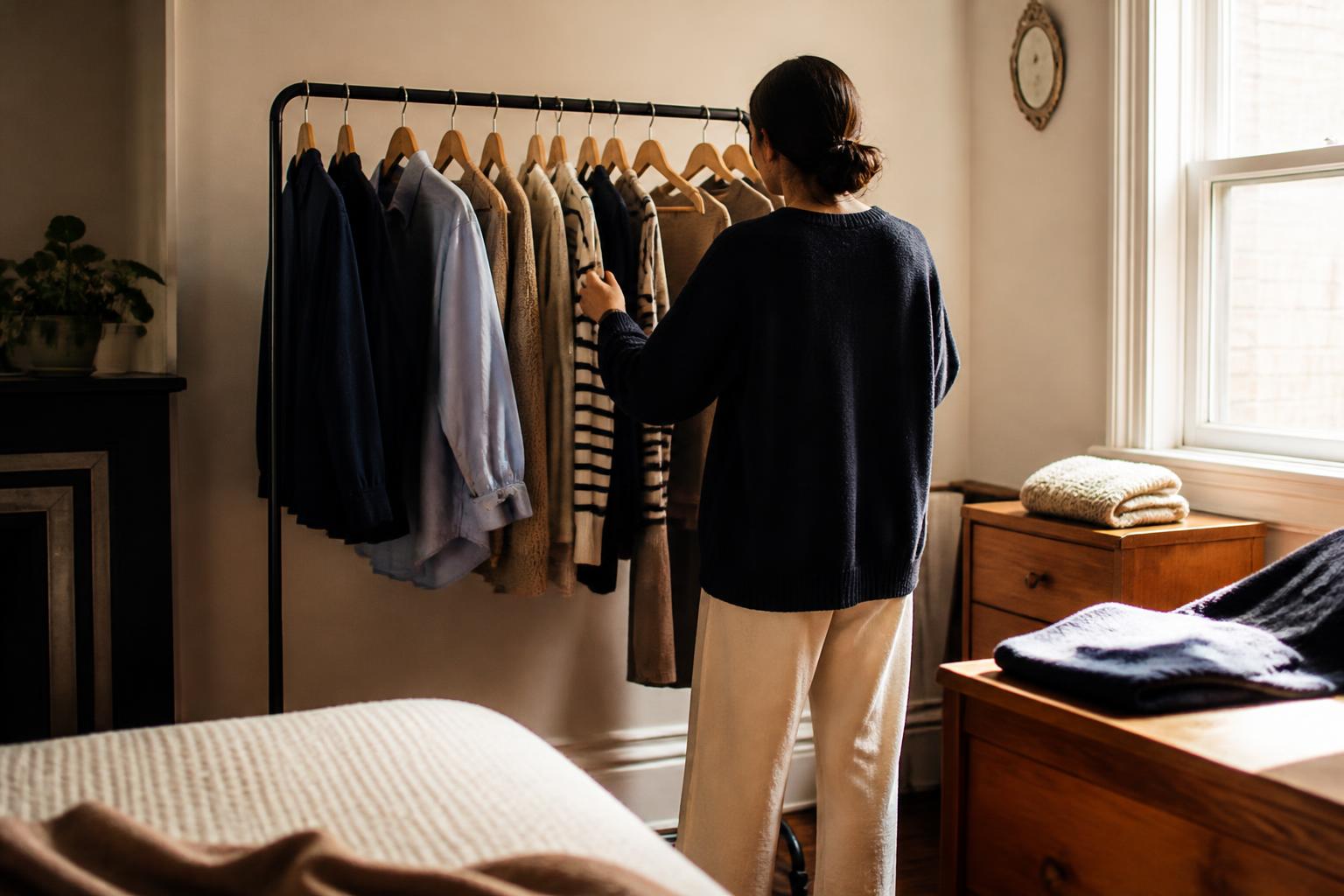
Choosing fabric that lasts in a real wardrobe means looking past the fibre name on the swing tag. The best choice is usually the material you will actually wear often, wash without drama, store properly, repair when needed and still want to put on next year. A lovely fabric that needs specialist dry cleaning, creases beyond reason or goes baggy after three wears is not automatically a good buy just because it sounds virtuous.
When we talk about sustainable fashion materials, we need to keep that practical test in view. For most wardrobes, the better option is the one that balances durability, comfort, care requirements, price and how well it suits the job. That can mean wool for knitwear, cotton for everyday shirts, a sturdy cotton blend for children’s clothes, or recycled polyester in sports kit. There is no single perfect fibre, and pretending otherwise does not help anyone trying to build a wardrobe they can afford to keep in use.
What makes a clothing material a better choice?
A better clothing material is one that works hard in real life. That includes four things.
First, it needs to last physically. A fabric that thins quickly at the thighs, pills badly under the arms or twists out of shape in the wash may not earn its place, even if the fibre itself sounds promising. Fibre matters, but so do yarn thickness, weave or knit structure, and finishing. A heavy cotton jersey will usually outlast a flimsy one. A tightly woven linen shirt will often wear better than a very loose weave.
Second, it needs care requirements you can live with. If you know you do not hand wash, do not buy hand-wash-only tops in bulk and hope your habits will change. If you rarely iron, pure linen may still be right for you, but only if you are happy with its natural creasing. If a garment says dry clean only, factor in the ongoing cost and the fact that many UK high streets have fewer dry cleaners than they used to.
Third, it needs to match frequency of wear. The clothes we wear weekly need a different level of resilience from the clothes we wear three times a year. A work trouser, school-run coat or everyday knit should survive repeated laundering and friction. Occasionwear can justify fussier fabrics because it gets less wear, but only if you are realistic about storage and cleaning between uses.
Fourth, the environmental scope has to be realistic. Fibre origin matters, but it is only one part of the picture. Water use, chemical processing, dyeing, transport, washing, tumble drying, repairability and lifespan all affect impact. In wardrobe terms, a fabric you wear for six years usually beats one you replace every season. That is why we focus so much on care, repair and storage. A sensible buying habit and decent maintenance often do more for a wardrobe than chasing a perfect label.
If you want a broader framework for making these decisions without turning getting dressed into a research project, our guide to using a sustainable fashion blog in real life sets out a useful way to keep things practical.
How the main fibres compare in everyday use
Cotton is familiar for a reason. It is breathable, widely available, usually easy to wash and straightforward to mend. It works well for T shirts, shirts, denim, children’s clothes and casual dresses. The trade-off is that cotton can shrink, fade and wear through at friction points, especially if the fabric is thin. It also holds moisture, so it can feel clammy in humid weather or during exercise. Good quality cotton, especially in a sturdy weave or heavier jersey, is often one of the easiest fibres to live with.
Linen is strong, breathable and often excellent in warm weather. It can last very well if the cloth is substantial and the seams are sound. It also tends to soften nicely with wear. The obvious trade-off is creasing. Some people enjoy that relaxed look, some do not. Linen can also feel crisp at first, and cheaper linen garments sometimes distort if cut off grain or washed carelessly.
Wool is one of the most useful wardrobe fibres when chosen well. It insulates, regulates temperature, resists odour better than many fibres and often needs less frequent washing than cotton. For knitwear, coats and tailoring, it can be an excellent long-term choice. The trade-offs are moth risk, potential pilling and more careful laundering. Some wool can be hand washed or machine washed on a wool cycle, but some really does need dry cleaning or very gentle handling.
Silk can be durable for its weight, drapes beautifully and works well for blouses, linings and occasionwear. In daily life, though, it asks more of the wearer. It can water-mark, snag, fade and show perspiration. If a silk blouse fits a genuine wardrobe need, it can be worth it, but it is rarely the easiest fabric for heavy rotation. If you do own it, knowing how to wash a silk blouse at home without ruining it can make it much more wearable.
Viscose and related regenerated fibres, including modal and lyocell, vary widely. They are made from plant cellulose but processed quite heavily, so they sit in a complicated middle ground. In wear, they can feel soft, breathable and fluid, which is why they are common in dresses and blouses. The trade-offs are common enough to take seriously. Viscose in particular can shrink, lose strength when wet and wrinkle badly. Some versions are perfectly manageable, but many shoppers have learned the hard way that a pretty viscose dress may not survive casual laundering. We have covered whether viscose shrinks when washed because the answer is often, yes, it can.
Polyester is often dismissed too quickly. It is durable, crease resistant, quick drying and common in workwear, outerwear and sportswear for good reason. It can be very useful in a hard-working wardrobe, especially where easy care matters. The trade-offs are breathability, odour retention and heat sensitivity. It can also hold onto oily stains. In some garments, especially cheap blouses and dresses, polyester can feel sweaty and look tired quickly. In others, such as a lined coat or technical fleece, it can be exactly the right tool for the job.
Nylon is strong, lightweight and abrasion resistant. It is common in hosiery, outerwear, bags and activewear. It can be a sensible choice where toughness matters. Like polyester, though, it is not always pleasant next to the skin in hot weather, and it can retain smells.
Elastane is rarely the main fibre, but it changes how a garment behaves. A small percentage can improve comfort, fit retention and movement. Too much can reduce longevity, especially in skinny trousers, leggings and fitted tops that are under constant strain. Elastane can also complicate recycling and may degrade faster with heat. In practice, a little is often useful. A lot can mean the garment bags out or loses recovery before the fabric itself wears through.
For UK readers, the point is not to crown one fibre the winner. It is to recognise the trade-off each one brings when the weather is damp, radiators are on, laundry space is limited and most of us do not have time for museum-level garment care.
Why the care label matters as much as the fibre
The care label tells you what ownership will feel like. Two tops made from the same fibre can be completely different in practice if one is machine washable at 30°C and the other is hand wash only, reshape while damp, cool iron, do not tumble dry.
Start with washing temperature and method. Most everyday garments now wash well at 30°C, which is generally gentler on fabric and cheaper to run than hotter washes. But the key question is not whether lower temperatures are morally superior, it is whether the item will actually come clean and keep its shape in your routine. A white cotton shirt that needs frequent stain removal may need more attention than a dark wool jumper you mostly air between wears.
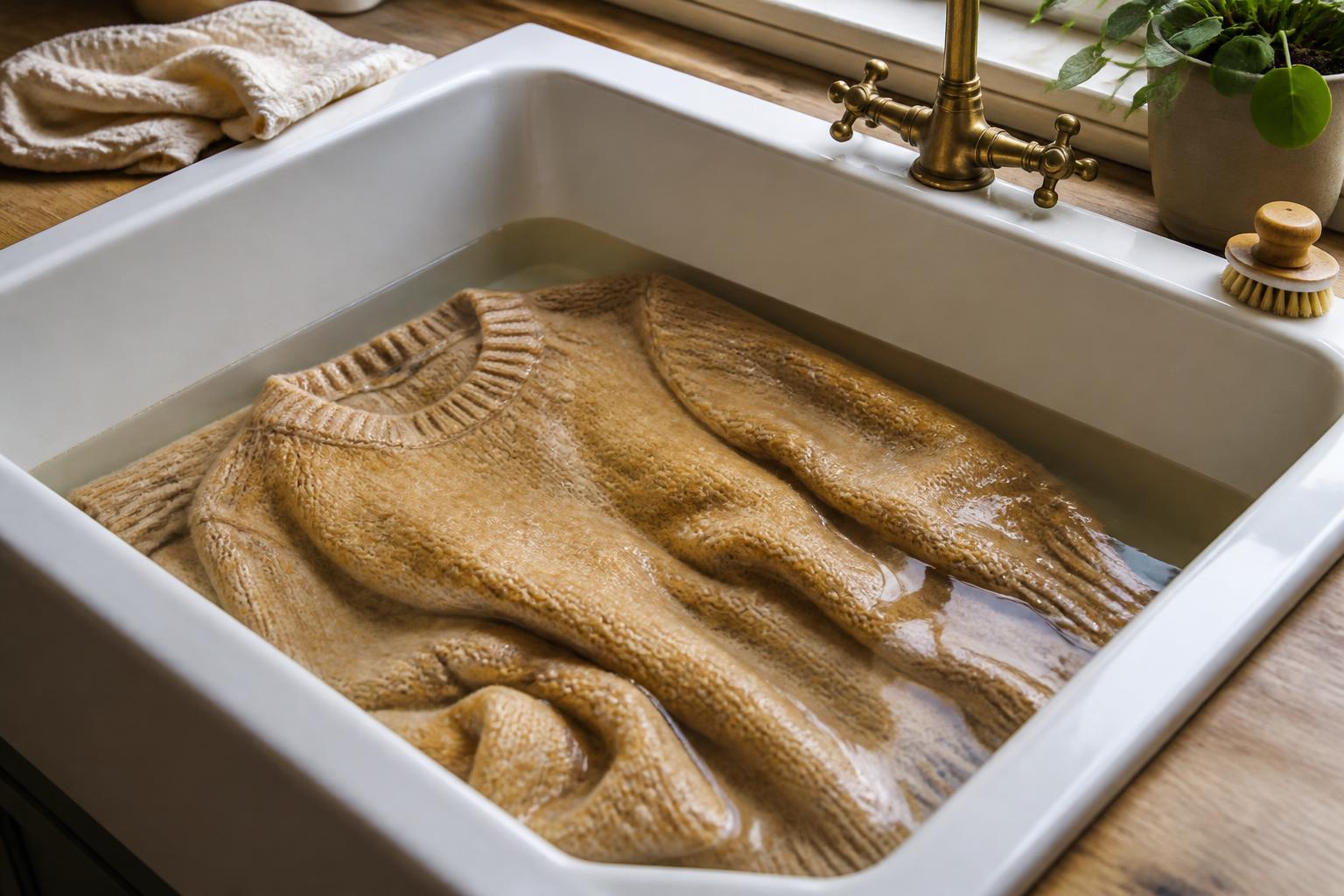
Hand-wash-only instructions are worth taking seriously if the fabric is known to distort, bleed or weaken when wet. Some brands use cautious labels to reduce complaints, but many do so because the garment really is delicate, perhaps because of interfacing, trims, pleating or a loose knit. If you ignore that, the fibre itself is only part of the problem.
Dry-clean-only labels deserve a pause before purchase. In the UK, that may mean recurring cost, extra errands and longer gaps between wears. For a suit or special coat, that can be fine. For an everyday blouse, it may be the reason the blouse sits unworn. Also note that UK labels often say "dry clean only" without much explanation. Under UK product labelling practice, care instructions need to be accurate enough not to mislead, but they are not a guarantee that the garment will have an easy life.
Ironing limits matter more than people think. If a fabric only tolerates a cool iron, deep creases may be hard to remove. If it needs steaming rather than pressing, do you have a steamer, and will you use it? Drying method matters too. Flat dry instructions can be awkward in small homes. Line drying may leave some fabrics stiff. Tumble drying can shrink cotton, damage elastane and shorten the life of prints and trims.
The label is also your best clue to likely longevity. A garment that can be washed gently, dried simply and pressed without fuss has a better chance of staying in rotation. This is one reason we often prefer a decent machine-washable wool blend over a fragile synthetic blouse that somehow still needs hand washing.
Which materials are easiest to keep in use for longer?
If the goal is a wardrobe you can maintain without heroic effort, some materials are simply easier.
Mid-weight cotton is high on the list. It is washable, mendable, usually easy to alter and widely available second-hand. Jeans, cotton shirts, sweatshirts and sturdy dresses are all easier to patch, shorten, dye, de-bobble and press than many slippery synthetics. Dark cotton denim is especially forgiving if you wash it carefully. We have a guide on keeping black jeans dark for longer in the wash because longevity often comes down to maintenance, not just fibre.
Wool is also easier than many people assume, especially in jumpers, coats and scarves. It responds well to airing, can often be de-pilled, and small holes can be darned neatly. Tailors and knitwear repair specialists generally know what to do with wool. Good wool coats and jumpers are also among the better second-hand buys because the fibre can recover well if it has not been moth-damaged or felted.
Linen is fairly easy to keep in use because it is strong, patchable and often looks acceptable with a bit of visible wear. Creasing is built in, which means small signs of use are less of a problem. It is also often straightforward to buy second-hand because fit is usually less exacting than with structured tailoring.
Some blends are especially practical. Cotton with a small amount of elastane can make trousers more comfortable without making them impossible to care for. Wool blended with nylon can improve durability in knitwear and socks. Polyester-cotton blends can be very useful for shirts, uniforms and children’s clothes because they wash easily and crease less.
Harder fabrics to keep going include very thin viscose, heavily embellished materials, bonded fabrics that can delaminate, and garments with a high elastane content that lose recovery over time. Slippery synthetics can also be awkward to alter because they show needle marks and can shift during sewing.
Construction still matters. A well-made viscose blouse with stable seams may outlast a badly sewn cotton one. Check seam allowances, spare buttons, lining quality, whether the fabric is likely to fray, and whether common repairs are possible. A replaceable zip, a standard hem and accessible seams all make a difference.
Storage is part of longevity too. Knitwear lasts longer folded. Coats need room on proper hangers. Occasionwear needs protection from dust and light. If space is tight, under-bed clothes storage that keeps garments wearable can help prevent crushing, damp and needless damage.
How to assess material claims before you buy
Material claims can sound impressive while telling you very little. A few checks will save you money and disappointment.
Start with the fibre composition. Look for the percentage breakdown, not just the headline fibre. "Cotton dress" may mean 55 per cent cotton and 45 per cent polyester. "Wool coat" may contain a small amount of wool and a large amount of synthetics. In the UK, fibre content must be labelled using recognised fibre names, and percentages should be clear enough for the buyer to understand what they are getting.
Then check recycled-content wording carefully. "Made with recycled materials" can mean anything from a small trim to the main shell fabric. Better wording gives a percentage and identifies the component, such as outer fabric, lining or padding. If the claim is vague, assume it is limited until proven otherwise.
Look for named schemes, then verify what they actually cover. A certification may apply to one stage, such as organic fibre production, recycled content, or chemical processing, rather than the whole garment. That does not make it useless, but it does set limits. Read the swing tag, then if needed the brand’s product page, and if needed the scheme’s own website. Primary sources matter more than marketing summaries.
Be cautious with words like conscious, responsible, eco and planet-friendly. These are not precise material descriptions. They may reflect a genuine improvement, but on their own they are not evidence. We want to see specifics, fibre percentages, certification names, care instructions and a clear explanation of what has changed.
Missing evidence is information too. If a product page makes a broad claim but gives no composition, no certification and no care details, we treat that as a warning sign. The same goes for claims that focus entirely on fibre origin while ignoring a very high maintenance care label. If the garment needs specialist cleaning every few wears, that is relevant to its real-world impact and practicality.
For UK shoppers, remember that not all standards used by EU brands are applied in exactly the same way after Brexit, especially around broader product information and market surveillance. In practice, though, reputable brands selling into the UK should still provide clear fibre labelling and care information. If they do not, we move on.
What to choose for different wardrobe jobs
For workwear, we usually favour materials that hold their shape, wash easily and do not demand frequent dry cleaning. Cotton poplin, heavier cotton jersey, wool blends for trousers or skirts, and some polyester blends can all work well. If you commute, sit for long periods or need clothes to look tidy after a full day, crease resistance and easy pressing matter as much as fibre ideals.
For knitwear, wool is often the best long-term option if you are willing to air it, fold it and de-pill it now and then. Merino works well for finer jumpers. Lambswool and Shetland-style wools are tougher but can feel rougher. Cotton knitwear is easier for those avoiding wool, but it can stretch and feel heavy. Acrylic-heavy knits are often cheap upfront but may pill quickly and lose their finish.
For occasionwear, choose according to how often you will realistically wear it and whether you can store and clean it properly. Silk, viscose and linen blends can all be lovely, but only if you accept their care needs. If you want something lower effort, a better quality polyester crepe or a structured blend may actually earn more wear because it is less stressful to own.
For exercise kit, performance matters. This is one area where synthetics often make practical sense. Polyester and nylon blends dry quickly, hold shape and cope with repeated washing. The downside is odour retention, so wash promptly, avoid overusing detergent and dry thoroughly. Natural fibres can work for lower-intensity movement, but they are not automatically better for every kind of exercise.
For children’s clothes, ease usually wins. Cotton and cotton-rich blends are hard to beat because they wash well, feel comfortable and are easy to pass on. A bit of elastane can help with movement. Very delicate fabrics, hand-wash-only labels and heavily embellished items rarely justify themselves in a wardrobe that faces paint, mud and frequent laundering.
For coats and outerwear, think about weather, brushing, storage and repair. Wool is excellent for smart coats. Waxed cotton can last brilliantly if you are willing to reproof it. Technical synthetics are practical for rain and sport. Check linings, cuffs, zips and whether the fabric can be cleaned at home or will need professional attention.
The best fabric for a lasting wardrobe is not the one with the nicest story on the tag. It is the one that suits the job, survives your laundry habits, can be kept in use without too much fuss and still feels worth wearing after the first excitement has gone. If we choose with that in mind, sustainable fashion materials stop being a slogan and become something much more useful, clothes that genuinely stay in our wardrobes.

Questions about this article or a correction to suggest? Get in touch. Read more about our editorial approach.