Yes, viscose can shrink when it is washed, and it is one of the fabrics most likely to change shape if it is handled roughly when wet. The short version is this: a cool, gentle wash followed by careful drying often keeps shrinkage to a minimum, but hot water, a fast spin or a tumble dryer can make a noticeable difference very quickly.
If you are wondering whether viscose shrinks when washed, the honest answer is that it often can, but the amount varies a lot from one garment to another. The fibre itself matters, but so do the weave or knit, whether it has been blended with something else, and what the care label actually says.
Why viscose can shrink
Viscose is a regenerated cellulose fibre. In plain terms, it starts with plant material, usually wood pulp, which is processed into a soft, breathable fabric. That is why viscose often feels smooth, drapey and cool to wear. It is also why people sometimes assume it will behave like cotton. In practice, it often needs more care.
The main issue is that viscose becomes weaker when wet. A dry viscose dress or blouse can feel perfectly sturdy, but once soaked, the fibres are more vulnerable to stretching, twisting and distortion. That means shrinkage is only part of the problem. A viscose item can also end up misshapen, with seams twisting, hems rippling or the body of the garment pulling slightly out of line.
Construction matters as much as fibre content. A tightly woven viscose shirt may cope reasonably well with a careful wash, while a loose knit top with a high viscose content may grow in one direction and shrink in another. Blends can also behave differently. A viscose and polyester mix may be more stable than 100 per cent viscose, while a viscose and elastane blend may still need very gentle handling to stop it losing shape.
Wet handling is where many problems start. Not just the water temperature, but what happens next. If you wring a viscose garment, drag it out of the drum when it is heavy with water, or peg it up dripping from the shoulders, you can distort it even if the wash itself was technically gentle. That is why two people can wash similar viscose tops and get completely different results.
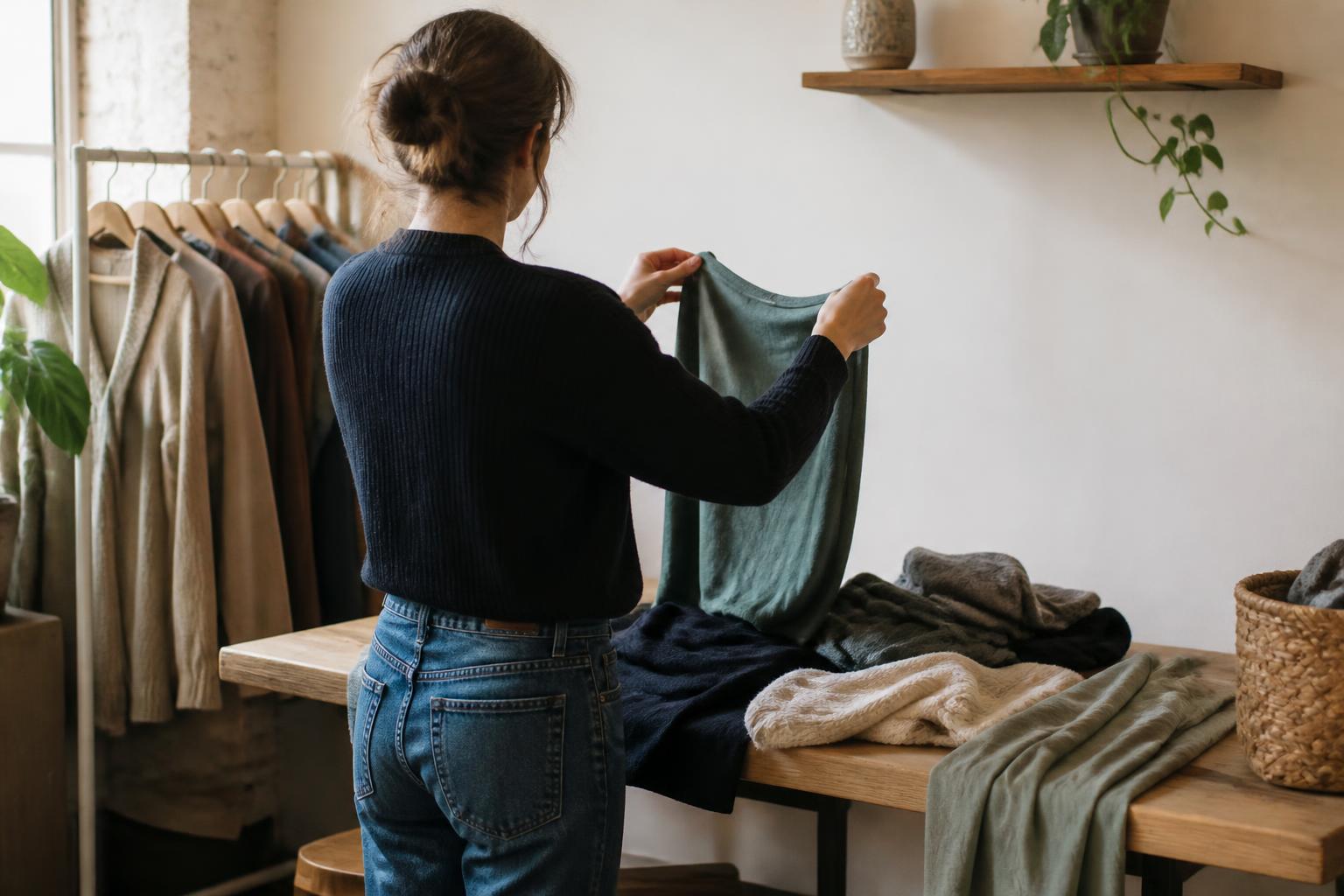
This is also why second-hand viscose can be a mixed bag. If a garment has already been washed badly, it may have subtle shrinkage or twisting that is hard to reverse. When we are checking fabric behaviour before buying, we use the same practical approach we use in pieces like wardrobe care that helps clothes last longer, because fibre content only tells part of the story.
How much can viscose shrink in a normal wash?
In a normal cool wash, some viscose garments do not visibly shrink at all, while others may tighten slightly, especially in length or across the chest, waist or sleeves. A small amount of shrinkage can settle out once the garment is worn again, but not always. You should not assume it will simply spring back.
With cool water and a gentle cycle, the result is usually manageable if the item was labelled machine washable and dried carefully. You may see a slight change in hand feel after washing, with the fabric feeling a bit crisper until it is pressed or worn.
Warm or hot washing is where trouble becomes more likely. Heat encourages fibres to contract, and with viscose that can mean a garment comes out both smaller and stiffer. If the label says 30°C, treat that as the limit, not a suggestion. If it says hand wash or dry clean only, a standard wash at 40°C is a gamble.
Spin speed matters more than many people realise. A very fast spin can crease viscose heavily and pull at the fabric while it is at its weakest. Even if the garment does not come out obviously smaller, it may look slightly warped. A lower spin, or even reducing the spin manually if your machine allows it, is usually safer.
Tumble drying is the biggest risk in ordinary home care. If you want the most direct answer to whether viscose shrinks when washed, it is often the wash-and-dry combination that causes the real problem. Heat plus movement in the dryer can shrink the garment further and set in creases or puckering. Many viscose items that survive a careful wash without much change will still come to grief in a tumble dryer.
Realistically, this is what we would expect.
A viscose item washed cool, on a delicate cycle, with a low spin and dried flat or hung carefully may come through with little to no obvious shrinkage.
The same item washed warmer, spun hard and tumble dried has a much higher chance of becoming noticeably smaller or misshapen.
A knit is usually riskier than a stable woven fabric.
A lined garment can be trickier because the outer fabric and lining may react differently, which can cause puckering even if the size has not changed much.
If you are deciding how cautious to be, treat viscose a bit like a fabric that needs a plan rather than a chuck-it-in habit. That does not mean it is impossible to live with. It just means routine matters.
What the care label means for viscose
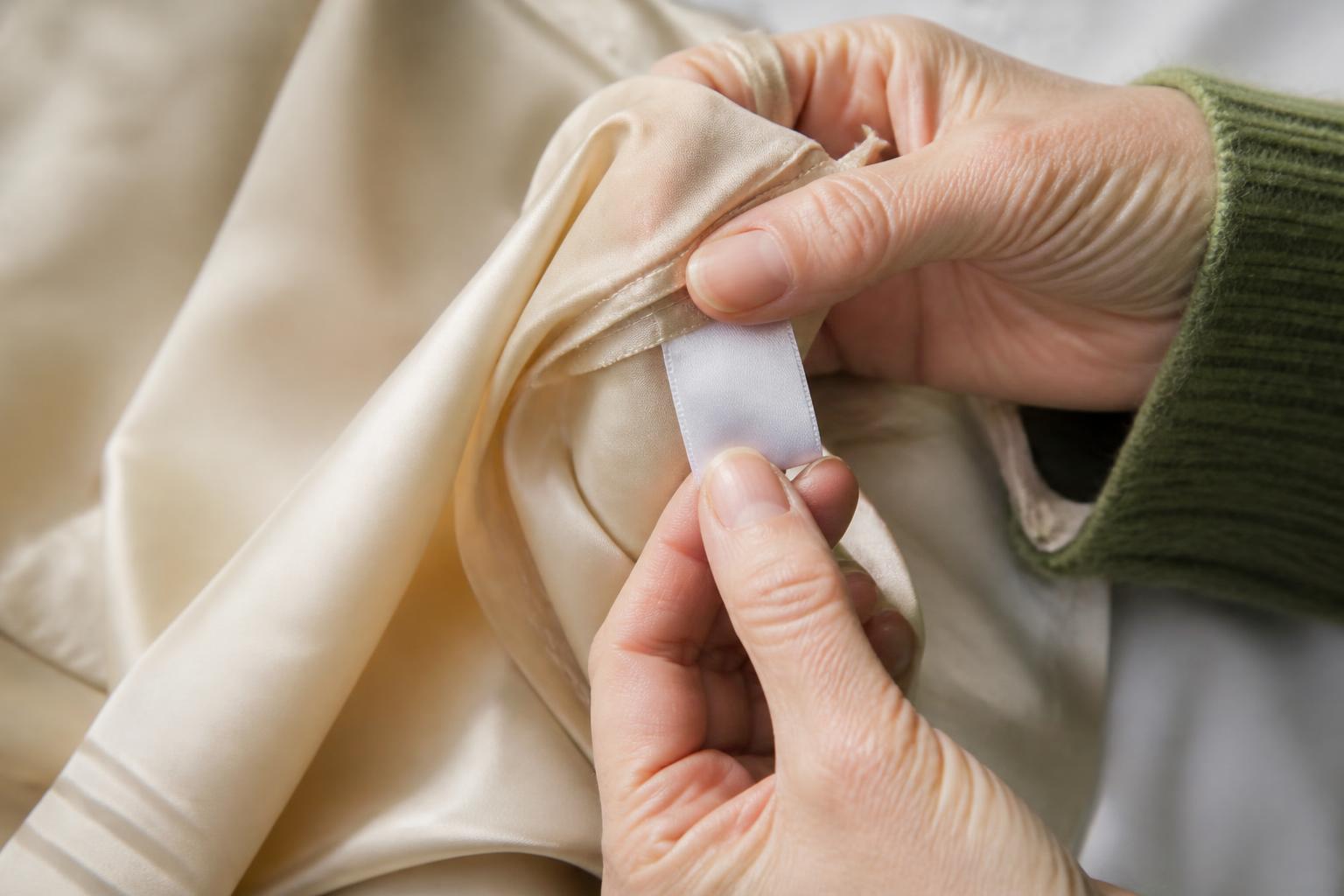
The care label should come before generic fabric advice. Two viscose garments can have completely different instructions, and the label is based on the finished item, not just the fibre.
If you see a wash tub symbol with 30°C, that usually means wash at or below that temperature. In the UK, care labels generally follow internationally recognised symbols, and the same symbols are used widely across the EU. The practical difference is not usually the symbol itself, but how brands phrase extra wording such as "reshape while damp", "wash inside out" or "do not wring". Those extra lines matter.
A hand in the wash tub means hand wash only. That does not mean soak it for ages and scrub it about. It means minimal agitation, cool water and careful handling.
A crossed-out wash tub means do not wash. If the label says dry clean only, that instruction takes priority over general advice about washing viscose at home. Sometimes people do wash these items successfully, but that is your risk, especially with tailored pieces, pleats, linings or interfacing.
For drying, a square with a circle is the tumble dryer symbol. If it is crossed out, do not tumble dry. If there are dots inside the circle, they indicate heat level, but with viscose, no tumble drying is usually the safer assumption unless the label clearly permits it.
A plain square can also include drying guidance. A horizontal line inside often means dry flat. That is common on more delicate or shape-sensitive garments. If there are vertical lines, that usually indicates drip dry. For viscose, dry flat is often the safer option for knits, while some woven items can be hung if supported properly.
For ironing, the iron symbol with one dot means cool iron, two dots means medium. Viscose often responds well to a lower heat setting while slightly damp, or to steam held just above the fabric if you are being cautious. A crossed-out iron means do not iron.
Words on the label can be just as useful as symbols. Look out for:
- Wash with similar colours
- Wash inside out
- Use mild detergent
- Reshape while damp
- Cool iron on reverse
- Do not rub
- Do not wring
If the label says "dry clean only", that matters more than broad internet advice. If it says "machine wash cold" or "30°C gentle", that matters more too. Finished garments are tested as garments, and details such as trims, fusing, pleats or lining can make one viscose piece much less washable than another.
How to wash viscose without making it smaller
If the label allows machine washing, the safest method is a short, cool, delicate cycle with low agitation.
Start by checking the label properly. Then do the following:
- Fasten buttons, hooks or zips.
- Turn the garment inside out.
- Put it in a mesh laundry bag if it is lightweight, slinky or likely to snag.
- Use a small amount of mild detergent.
- Choose a delicate or hand wash cycle at 20°C or 30°C, depending on the label.
- Set a low spin if your machine allows it.
- Remove it promptly when the cycle ends.
Do not overload the machine. Viscose does better when it is not being crushed and twisted among heavy items like jeans, towels or sweatshirts. Washing it with similarly lightweight pieces is usually the better call.
Detergent does not need to be fancy, but it should be mild. You do not need bleach, heavy stain removers or lots of product. If there is a stain, spot treat carefully first and test in an inconspicuous area if the fabric is dark or printed.
For hand wash items, use cool or lukewarm water, not hot. Add a little mild detergent, submerge the garment and move it gently through the water. Do not scrub, rub or twist. Let it sit briefly if needed, then rinse carefully in cool water.
The drying stage is where good intentions often fall apart.
Do not wring. Instead, lift the garment carefully, supporting its weight with both hands. Lay it flat on a clean towel, roll the towel up to press out excess water, then unroll. After that, reshape the garment and dry it flat on another dry towel or on a drying rack where the fabric is fully supported.
For some woven viscose items, such as a blouse, hanging can be fine if the label allows it and the garment is not waterlogged. But for anything that might stretch under its own weight, flat drying is safer.
Keep it away from direct heat such as radiators, heated airers on a high setting or strong sun through a window. Gentle air circulation is better than speed.
Once dry or nearly dry, a cool to medium iron can help restore the fabric’s smooth finish. If you are unsure, iron on the reverse side or use a pressing cloth.
If you are trying to build more reliable washing habits across different fibres, our guide to how often you should wash wool jumpers is useful for the same reason, because less frequent washing and calmer handling often make more difference than expensive products.
What to do if a viscose garment has already shrunk
If a viscose garment has shrunk, there is sometimes room for improvement, but not always for a full recovery. The best results tend to come when the item has only tightened slightly and the fabric is not badly heat-set from tumble drying.
Start by re-dampening the garment. You can do this with a brief soak in cool water or by misting it evenly until it is thoroughly damp but not dripping. Some people add a small amount of gentle conditioner or delicate wash liquid to the water, hoping to relax the fibres. This can help with feel, but it is not magic, and it will not undo severe shrinkage.
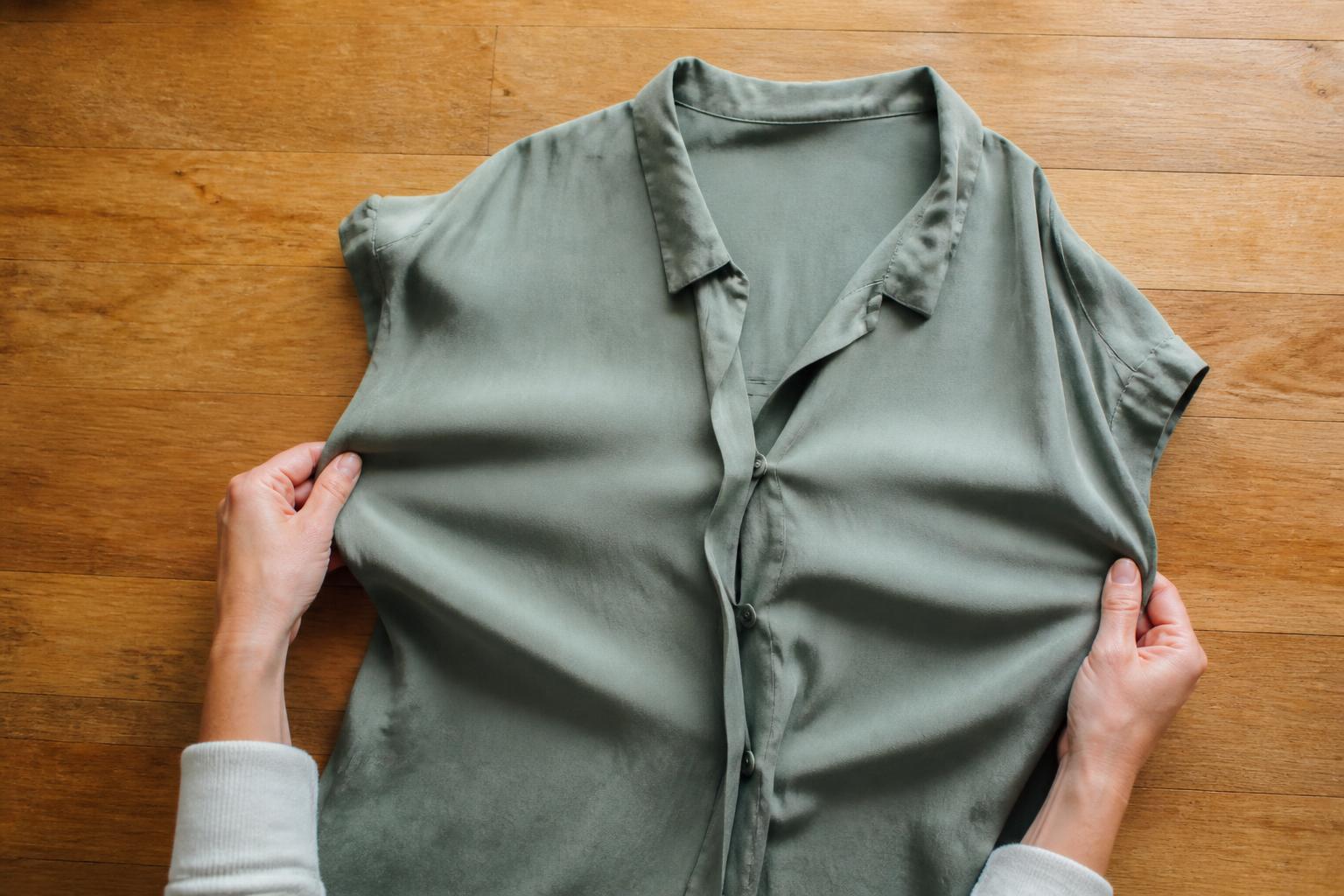
Once damp, lay the garment flat on a towel. Gently stretch and reshape it with your hands, working a little at a time. Focus on restoring the original proportions rather than pulling hard in one area. For example, if a top has become shorter, lengthen it gradually from shoulder to hem while keeping the side seams straight. If sleeves have tightened, ease them back into shape along their full length.
Then leave it to dry flat, checking it partway through and adjusting again if necessary. You may get some improvement, especially in drape and dimensions, but do not expect miracles.
Steam can also help. A handheld steamer, or steam from an iron used carefully, can relax the fabric enough to make reshaping easier. Keep the iron moving and do not press aggressively if the fabric is delicate or shiny.
Shrinkage is more likely to be permanent when:
- the garment has been tumble dried
- it was washed too hot
- the fabric has become dense and stiff
- the item was heavily pre-shrunk or poorly finished to begin with
- seams, lining or interfacing have puckered and are now setting the shape
In those cases, you may still improve the look, even if you cannot fully restore the size. Better drape, flatter seams and fewer ripples can make a garment wearable again.
If the item is only slightly too small, think practically. A viscose blouse that no longer works buttoned to the neck may still be useful open over a vest. A dress that has tightened through the bust may still work with a belt removed or styling adjusted. We prefer that approach to writing things off too quickly, especially with second-hand finds or pieces you otherwise wear a lot.
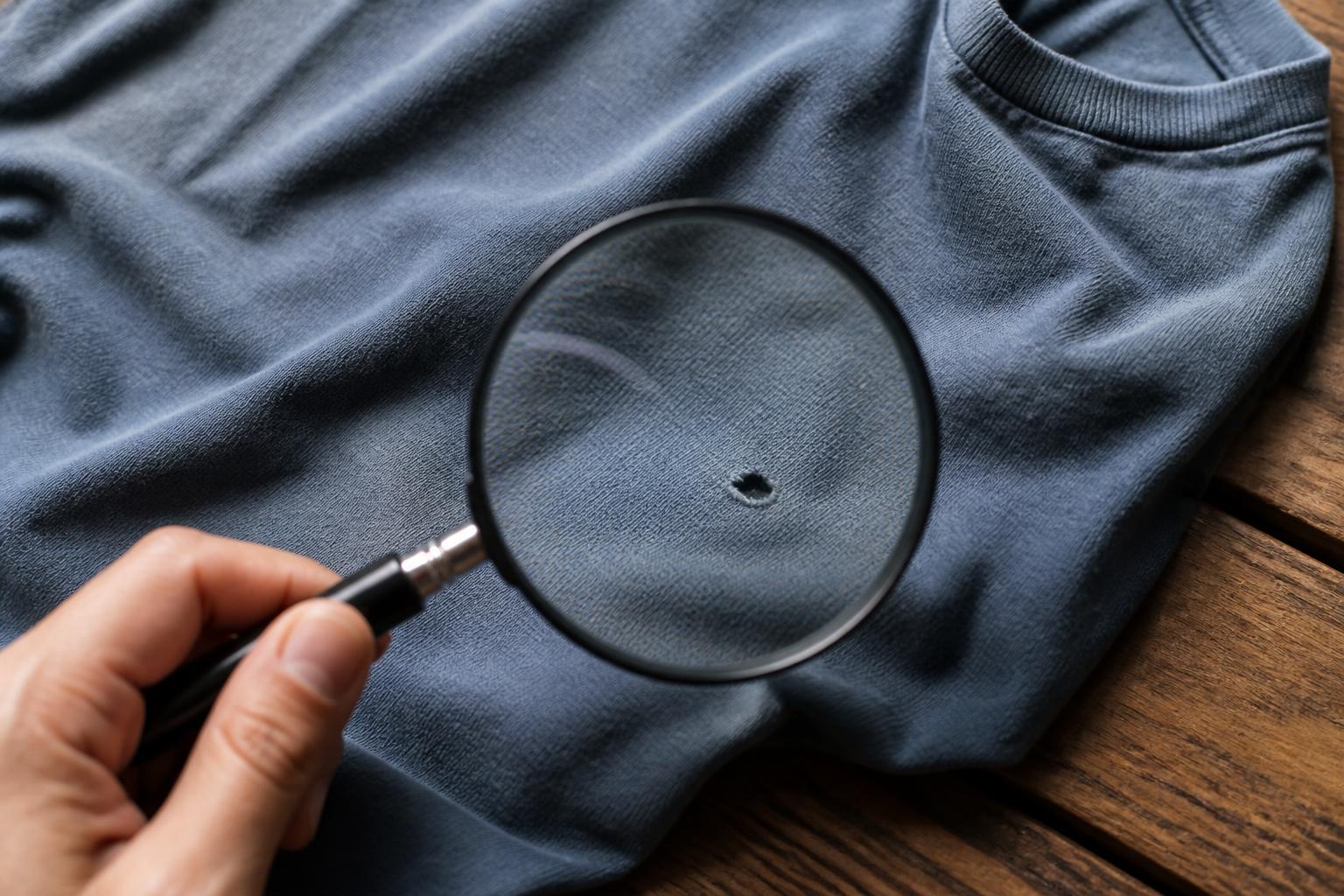
And if the wash that shrank your viscose also left you with strain, snagging or seam damage, it is worth dealing with those issues early before they become bigger repairs. The same logic applies as in our guide to fixing a small hole in a T-shirt before it spreads, because small problems are usually easier to rescue than fully worn-out ones.
So, does viscose shrink when washed? Often, yes, it can. But careful washing, a low spin, no tumble dryer and proper reshaping while damp make a substantial difference. The label is your best starting point, and with viscose, gentle handling after the wash is just as important as the wash itself.

Questions about this article or a correction to suggest? Get in touch. Read more about our editorial approach.