A sustainable men’s wardrobe in the UK is not built by chasing perfect brands or replacing everything at once. In practice, it means buying fewer clothes, choosing pieces that suit your actual week, and keeping them in use for longer through decent care, storage and repair. That matters just as much as the fibre on the label.
For most of us, sustainable mens fashion works best when it is ordinary. A coat that copes with rain, knitwear you will really hand wash or air properly, trousers that fit with shoes you already own, and shirts you can keep wearing after repeated washing all do more for a lower-waste wardrobe than a pile of worthy purchases that never quite earn their place.
What sustainable mens fashion means in practice
The phrase gets used loosely, so it helps to pin it down. In a real UK wardrobe, sustainable mens fashion usually comes down to four things.
First, buying less. The cleanest purchase is often the one you do not make. If you already own three navy jumpers that do the same job, a fourth is unlikely to be the sustainable choice, even if it has a better-sounding label.
Second, wearing clothes for longer. A shirt worn twice before losing a button, shrinking or twisting out of shape is poor value in every sense. A pair of trousers that still looks right after two winters is doing useful work.
Third, caring for clothes properly. Washing at the right temperature, avoiding unnecessary tumble drying, storing knitwear folded rather than stretched on hangers, and dealing with stains early all extend usable life. We cover that practical side often because it is where good intentions either hold up or fall apart. If you want a sensible way to turn broad advice into habits, our guide on using a sustainable fashion blog in real life is a good place to start.
Fourth, being honest about claims. A recycled fibre content or a natural fibre label can be useful information, but it is not the whole story. A badly made cotton shirt is still badly made. A wool jumper that felts because you ignore the care label will not stay in circulation for long.
For UK readers, there is also a practical legal point. Product claims around environmental qualities have to comply with general consumer protection rules, but there is not one single front-of-label sustainability standard you can rely on across all menswear. Since Brexit, some rules and labelling frameworks differ from the EU, and a product sold here may not present information in exactly the same way as one marketed across the EU. So treat marketing as a starting point, not proof.
Longevity matters because clothing impact is not just about how something was made. It is also about how often it is worn, how it is laundered, whether it can be repaired, and whether it still functions in your life a year from now. A wardrobe that works on Monday morning is usually a more sustainable one than a wardrobe built around ideals you cannot maintain.
How to buy fewer menswear pieces you will actually keep wearing
The easiest way to waste money and wardrobe space is to buy for an imagined version of your life. Before buying, ask what gap the item fills. Not what mood it suits, or what trend it taps into, but what job it does.
A useful check is to place the item in your week. Would you wear it to work, at weekends, for travel, for dinners, for layering in cold weather? If you cannot name at least a few realistic uses, leave it.
Fit is next. Many clothes get neglected not because they are poor quality, but because they are slightly wrong. Sleeves too long, rise too low, shoulders too tight, leg opening not quite right with your usual shoes. If you are shopping in person, move in the garment. Sit down in the trousers. Button the shirt at the neck and at the middle. Raise your arms in the jacket. If you are buying online, compare the listed measurements with a similar item you already wear often, not with your guess at your size.
Think carefully about alterations. Hemming trousers is routine. Taking in a waist slightly can be straightforward. Recutting shoulders, changing a jacket’s balance, or trying to make a slim shirt comfortably relaxed is often poor value. On second-hand pieces, previous alterations can be hard to reverse, so inspect seam allowances and pocket placement if possible.
Fabric and care should come before checkout, not after the first wash. Read the fibre label and the care label together. A jumper that says hand wash only may still be a good buy if you already hand wash knitwear. If you know you ignore those instructions, it is not the right purchase for you. The same goes for dry clean only tailoring. There is nothing wrong with it, but only if your budget and habits match.
Cost per wear is more helpful than ticket price alone. A £20 shirt worn twice is expensive. A £120 pair of boots worn weekly for years, resoled when needed, may be the better buy. You do not need a spreadsheet, just a rough sense of whether the item will genuinely earn repeat wear.
It also helps to pause before buying duplicates. If you think you have found the perfect T-shirt or overshirt, buy one, wear it, wash it, and see how it behaves. Necklines, hems and side seams reveal a lot after a few laundry cycles. We would rather test one piece properly than fill a drawer with a supposed staple that loses shape by month two.
Which fabrics and garment details are worth checking first
Start with fibre content, but do not stop there. Fibre tells you something about feel, breathability, warmth and likely care needs. It does not tell you everything about durability.
Cotton is common and versatile. It can be crisp or soft, light or substantial. For shirts and tees, check weight and recovery as well as fibre. Very thin cotton can become transparent or lose shape quickly, especially in high-friction areas. Dense cotton twill or oxford cloth often wears better for everyday use.
Wool is excellent for knitwear, coats and some tailoring because it insulates well, resists odour and does not need frequent washing. But not all wool behaves the same way. Merino can be soft and fine, but lighter knits may develop holes or pilling if rubbed hard under bags or jackets. Lambswool can feel hairier but often stands up well. Cashmere feels luxurious, yet lower-grade cashmere can pill heavily. Look for yarn that feels springy rather than limp.
Linen is useful in warm weather and can last well, but it creases. That is a feature, not always a flaw. If you want a sharper look with less wrinkling, a linen blend may suit you better than pure linen.
Synthetics are not automatically bad buys. Polyester in a fleece or technical outerwear can be practical. A small amount of elastane can improve comfort in trousers. The issue is whether the blend helps the garment do its job, and whether it complicates care or shortens life. A heavily blended fabric can be harder to repair or recycle later, but if it means the item gets worn regularly and lasts, that may still be a sensible choice.
Construction details often tell you more than fibre alone. Check seams first. They should lie flat, feel secure and not pucker unnecessarily. On shirts, look at side seams, armholes and cuff attachment. On trousers, inspect the seat seam, hems and pocket edges. On knitwear, look for even stitching and good recovery at cuffs and hem.
Buttons and zips matter more than people think. Loose buttons are easy to fix, but very flimsy buttons can crack quickly. A zip should run smoothly without forcing. On outerwear, a two-way zip can be useful, but only if it operates cleanly. Cheap zips are one of the first failure points in modern clothing.
Trims can also affect care. Faux leather patches, glued logos, bonded interlinings and rubberised details may age badly even if the main fabric is sound. A cotton jacket with a plastic-coated trim that peels after one season is not a durable buy.
Lining deserves attention too. A breathable outer fabric paired with a sweaty synthetic lining may be less comfortable than expected. In tailored jackets, lining wear under the arms or at the back neck often shows up before the outer fabric fails.
If you want a more detailed breakdown of what fabric labels can and cannot tell you, our guide on choosing fabric that lasts in a real wardrobe goes further.
How second-hand shopping fits into a lower-waste wardrobe
Second-hand can be one of the easiest ways to build a lower-waste wardrobe, especially for coats, knitwear, denim, shirts and better-made shoes. It keeps existing clothes in use and often gives you access to better construction than you would get new at the same price.
It works best when you shop with a list, not just a vague willingness to browse. Know your measurements. Know the rise and leg width you actually wear. Know your shoulder width in jackets. This matters because sizing varies wildly across decades, brands and garment types.
When inspecting second-hand menswear, start with the hard-to-fix problems. Look for thinning fabric at elbows, cuffs, knees, collar folds and seat. Hold shirts and tees up to the light to spot wear. Check underarms for deodorant build-up, staining or fabric weakness. On knitwear, look for moth damage, not just obvious holes but small nibbled areas.
Smell matters. Mustiness may wash out. Heavy mildew, smoke or strong fragrance can be stubborn. Leather and suede deserve extra caution because smells can linger. Always inspect linings, not just outer fabric.
Check for hidden alterations. Trouser hems may have been shortened with little allowance left to let them down again. Jacket sleeves may have been altered from the shoulder or cuff. Shirt darts may have been added. None of these are automatic deal-breakers, but they affect fit and future options.
Shoes need a different checklist. Look at sole wear, heel wear, insole condition, lining damage at the heel counter, and whether the upper has cracked. Good leather shoes can be excellent second-hand buys if the structure is still sound. Cheap cemented shoes with badly worn insides usually are not.
There are risks. Online listings may use poor photos, omit flaws or provide vague measurements. Returns on resale platforms can be limited. In charity shops and vintage shops, prices may reflect curation rather than condition. Sometimes a new item in a sale is the better buy once you factor in repair, cleaning or alteration costs.
That said, second-hand is especially useful for experimenting with categories you are not ready to buy new at full price. A wool overcoat, an overshirt, pleated trousers, or a heavier cardigan can all be sensible second-hand tests before you commit further.
How to make menswear last longer at home
Most clothing damage happens in ordinary care. Too much washing, too much heat, poor drying, damp storage, and delayed stain treatment shorten life quickly.
Wash less often where appropriate. Knitwear, outerwear and denim usually do not need laundering after every wear. Airing garments properly can do a lot. Shirts, socks and underwear are different, obviously, but not every jumper needs a full wash because you wore it over a T-shirt for a few hours.
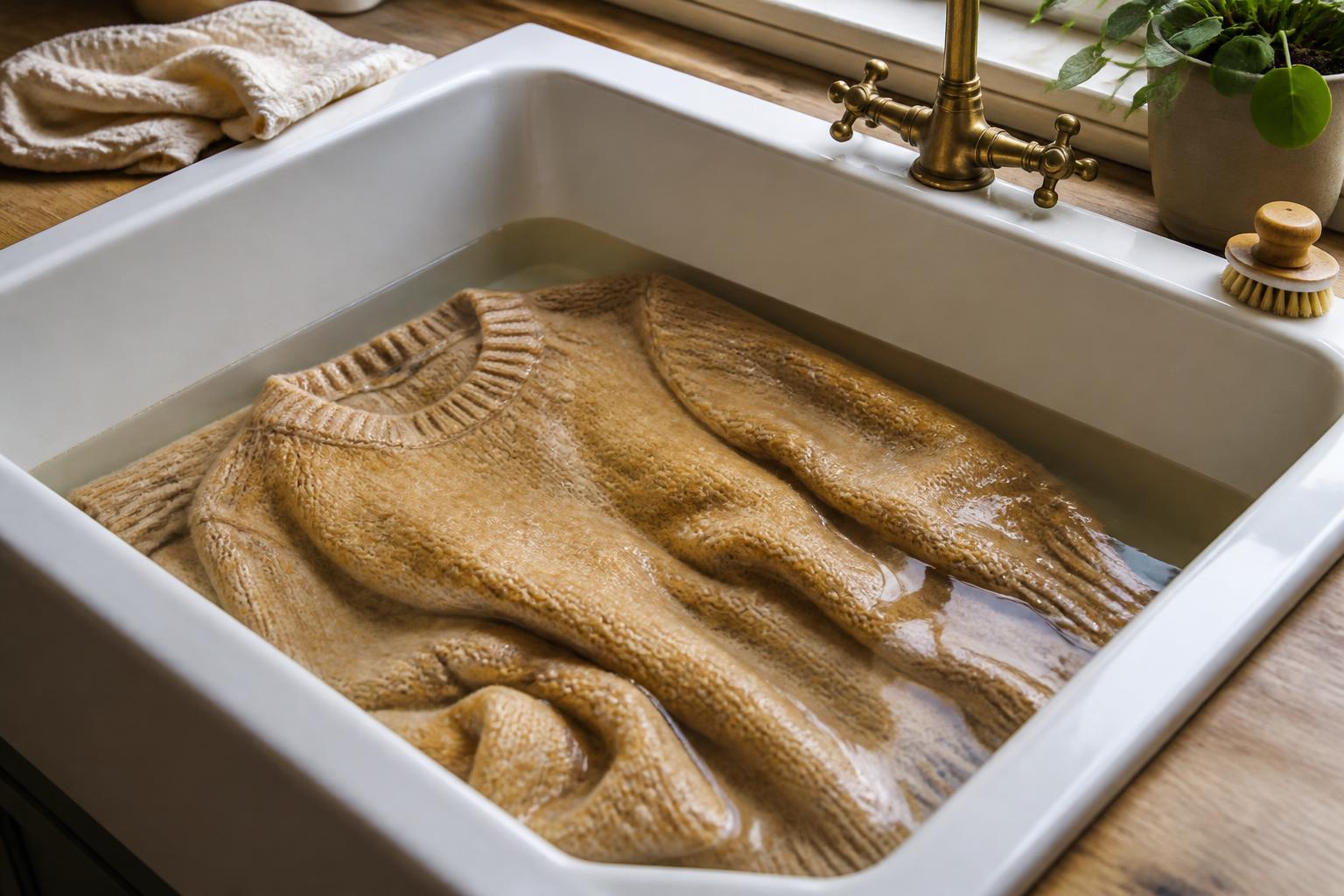
Always read the care label first. In the UK, those symbols matter, and if a garment is labelled dry clean only or hand wash only, ignoring that is your risk. Some people successfully wash delicate items more gently than the label states, but that is a judgement call, not a universal rule.
Use the lowest effective temperature for the item and the soil level. Overheating can shrink wool, fade dark cotton and stress elastane. Fasten zips, empty pockets and turn garments like jeans or printed tees inside out before washing. That reduces abrasion.
Do not overload the machine. Clothes need room to move through water and detergent. An overfilled drum cleans poorly and increases friction. Use the right amount of detergent for your machine, water hardness and load size. Too much can leave residue and odour. If washing results are poor, our piece on why clothes smell after washing and how to fix it covers the common causes.
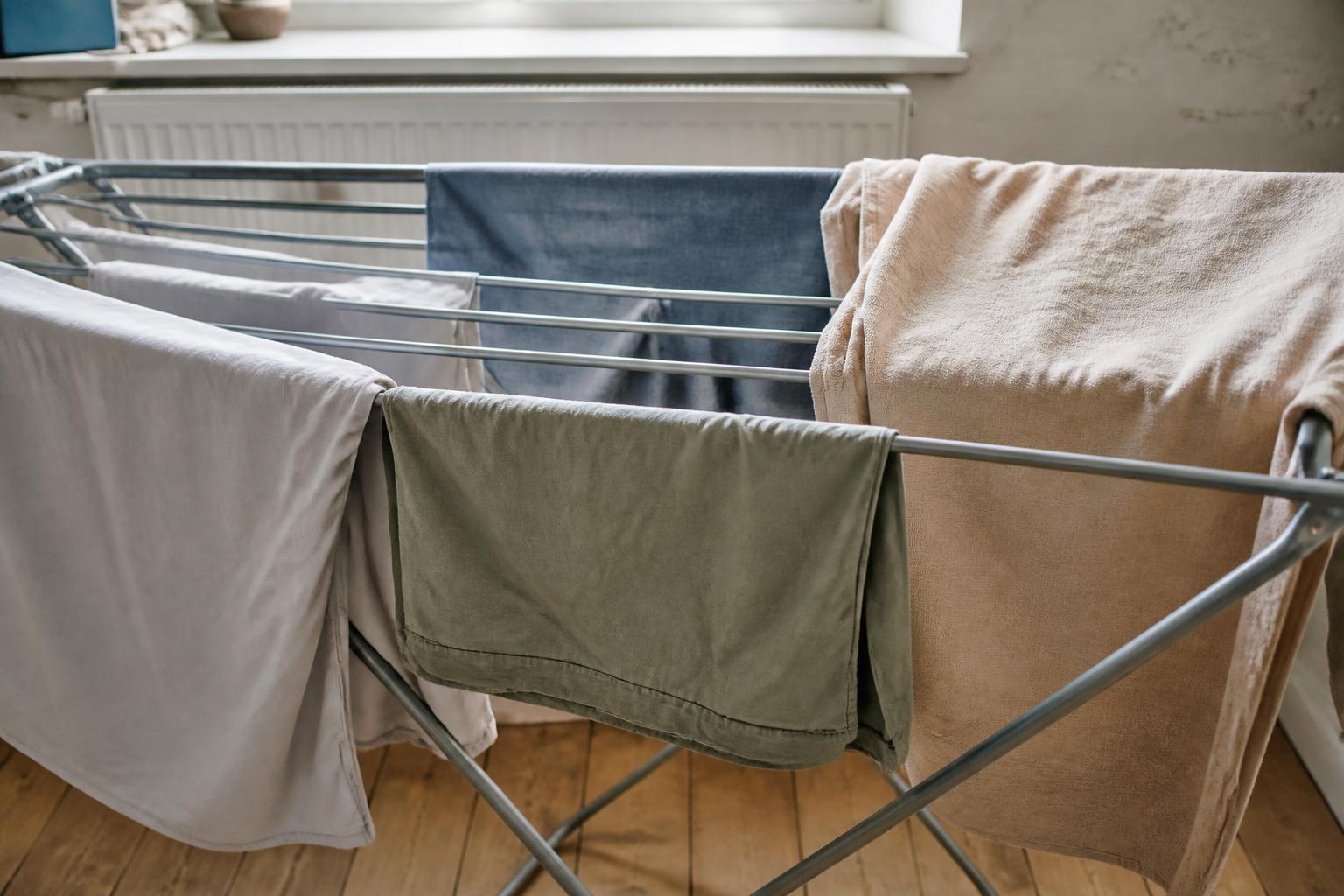
Tumble drying is convenient, but repeated high heat is hard on many fabrics. It can shrink cotton, damage elastic fibres and make prints crack faster. Line drying or air drying indoors on a rack is usually gentler. For knitwear, reshape and dry flat if the label requires it. Hanging a wet wool jumper can stretch it out of shape. If you have already had a laundry mishap, our guide on how to rescue a shrunken wool jumper at home may help, though prevention is easier than recovery.
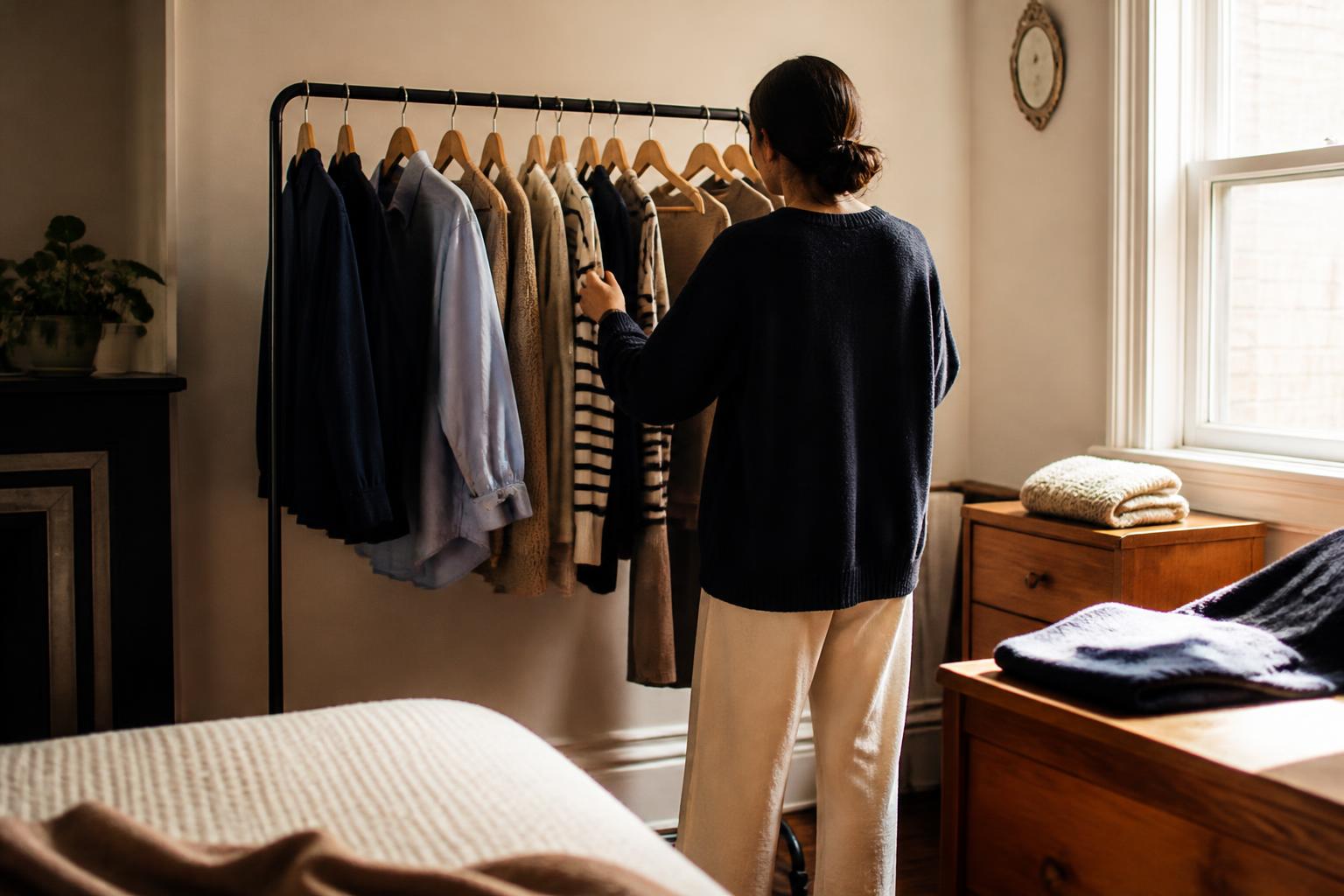
Storage matters more than it seems. Fold heavy knitwear. Hang structured jackets on proper hangers that support the shoulder. Keep clothes dry, with airflow, and away from persistent damp. If you use under-bed storage, avoid trapping garments in moisture or dust and choose breathable solutions where possible. Seasonal rotation works well when pieces are clean before being packed away.
Treat stains early, but carefully. Blot, do not scrub. Check the fibre before using any stain method. Protein stains, oil marks and tannin stains respond differently, and harsh rubbing can damage the surface before the stain is gone. If the item is delicate or expensive, a good cleaner may be the safer option.
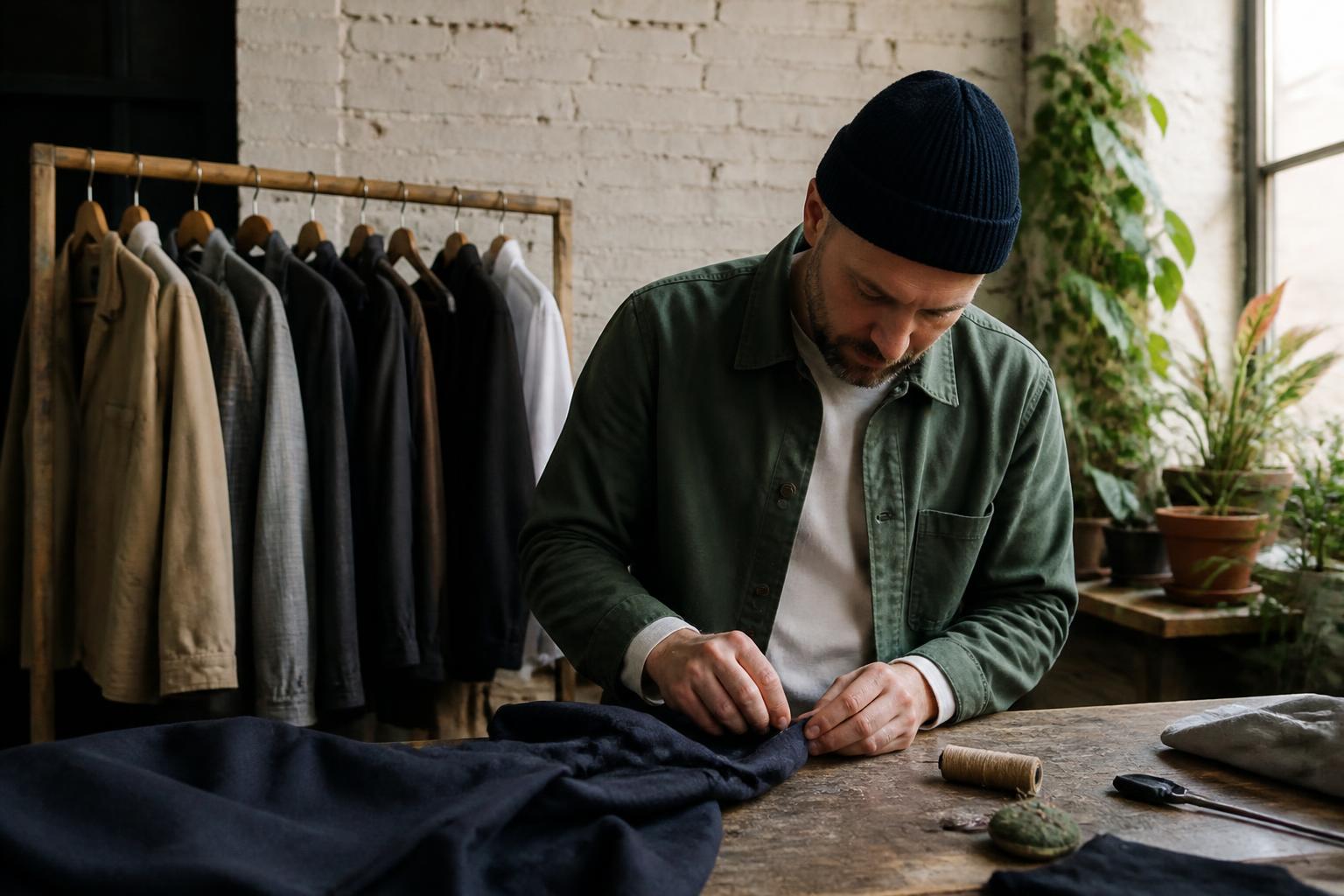
Learn a few small repairs. Sewing on a button, closing a small seam split, reinforcing a loose hem and using a fabric shaver carefully on knitwear can all extend life. Catching problems early is cheaper and easier than waiting for a full failure. A tiny hole near a pocket edge is manageable. A torn-out pocket bag and ripped side seam together become a bigger job.
The point is not to turn clothing care into a hobby unless you want it to be. It is to make ordinary clothes last long enough to justify owning them. That is where sustainable mens fashion becomes useful rather than abstract, in wardrobes that are worn, washed, repaired and relied on in real life.

Questions about this article or a correction to suggest? Get in touch. Read more about our editorial approach.