A lower-waste laundry routine needs to work in your home. It must clean what needs cleaning, respect garment instructions and fit the space and time available for drying. There is little value in an idealised routine that leaves you with damp clothes or repeated washes.
Start by making one part of the process more deliberate: deciding what needs treatment, sorting properly, measuring detergent or planning the drying space. You can improve the routine without replacing your appliances or buying a shelf of specialist products.
Decide what actually needs washing
Some garments need washing after use; others may be suitable for airing or a limited spot treatment, depending on their condition, purpose and instructions. Apply ordinary hygiene judgement rather than imposing one fixed number of wears on every item.
Workwear, heavily soiled clothes, underwear and items affected by illness can require different decisions from a lightly worn outer layer. A lower-waste routine should not override specific hygiene guidance or the garment's care requirements.
Clevercare's laundry guidance encourages avoiding unnecessary washing and using suitable care. The practical step is to assess the item, not simply return every worn garment to the wardrobe or wash everything automatically.
Sort before the machine is full
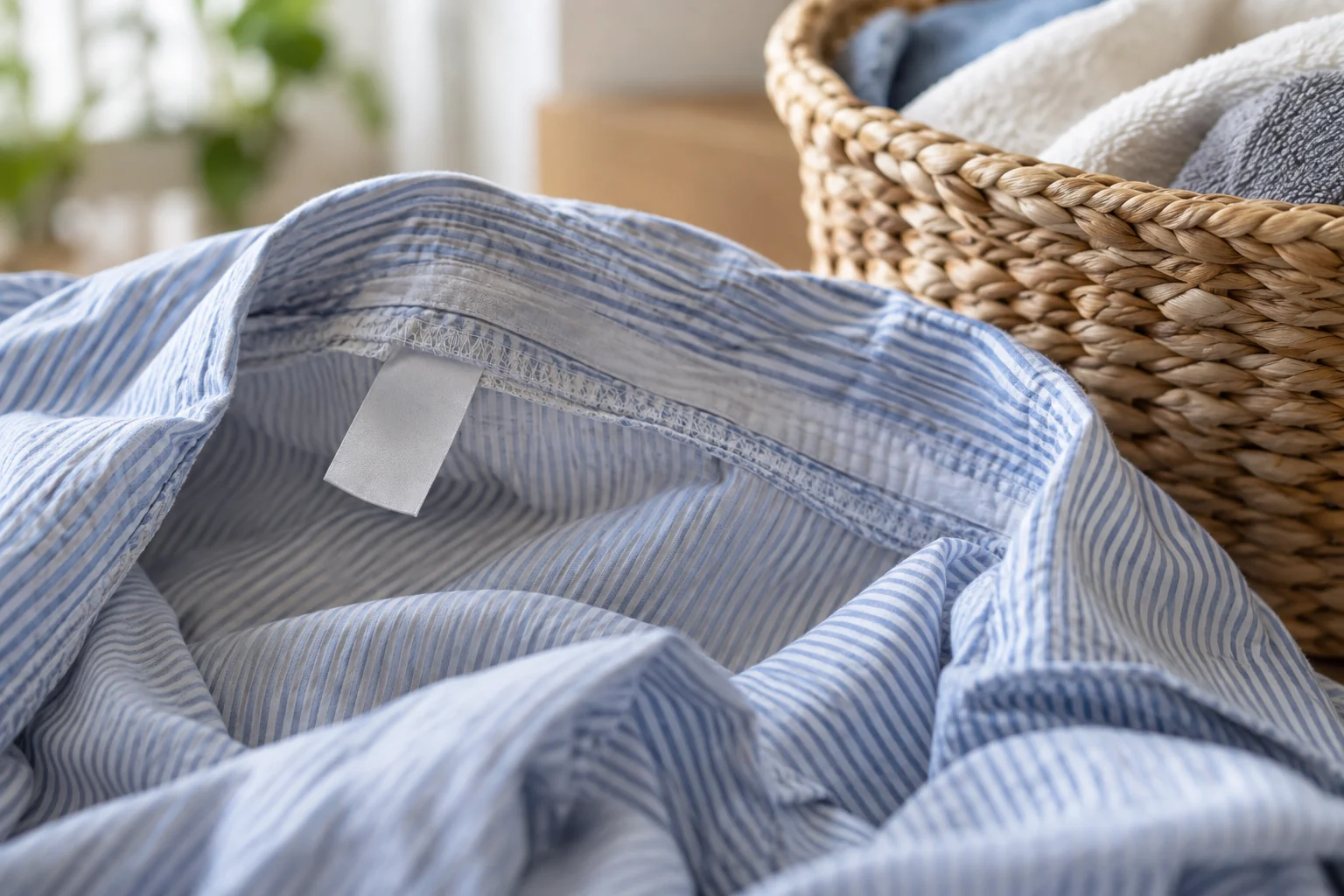
Check labels, empty pockets and look for loose fastenings or damage. Set aside items needing different treatment. Then group compatible colours, fabrics and soiling levels according to the care instructions and machine manual.
Use the appropriate capacity for the chosen programme. A machine's headline capacity does not mean every delicate programme should be packed to the same level. Overcrowding can make a load difficult to wash or rinse effectively, while a programme may deliberately require more room for certain items.
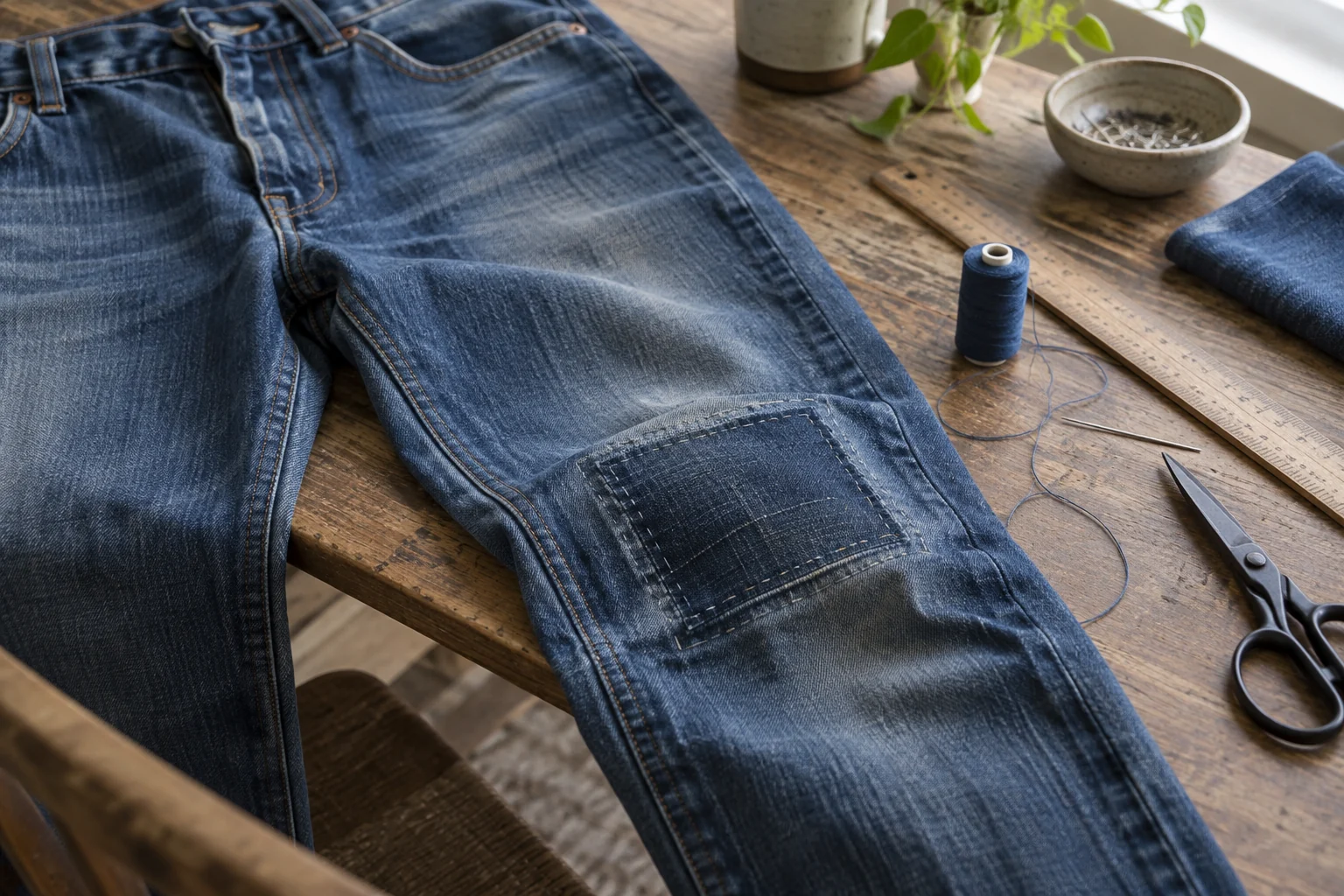
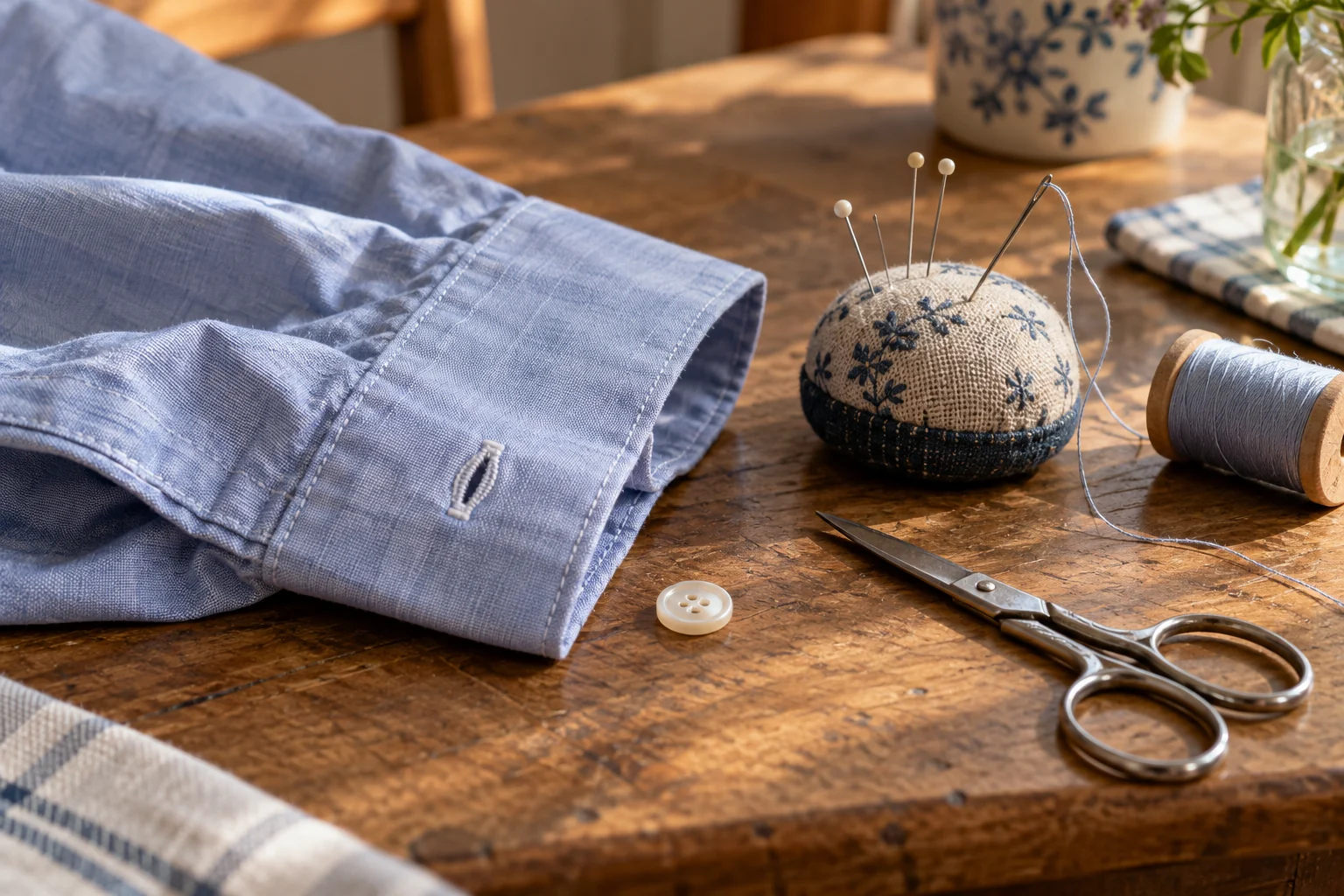
Keep a small place for garments awaiting a decision or repair. That is more practical than repeatedly washing an item you cannot wear because its button is missing.
Choose the programme, not only the temperature
Use the care label and appliance instructions together. A programme includes movement, duration and spin as well as heat. A shorter cycle is not automatically the most suitable or the most economical choice for every load.
When a lower-temperature treatment is appropriate, use a product and programme intended for it. Do not apply a generic energy-saving tip to an item that needs a particular hygienic or professional treatment. The aim is an effective wash that does not need to be repeated.
If you are unsure about a symbol, consult our care-label guide and the official reference it links. Saving the machine manual on your phone can also remove a surprising amount of guesswork.
Measure detergent for the actual load
Read the dosing instructions, including any adjustments for load size, soiling and water hardness. More detergent is not automatically a better wash. Keep the measuring tool with the product so a reasonable dose does not become a rushed free pour.
Choose the product required by the garment rather than using the same treatment indiscriminately. Follow product safety and storage instructions, and do not combine cleaners in improvised mixtures. Extra fragrances or treatments are optional preferences, not proof that the clothes are cleaner.
If a load repeatedly comes out unsatisfactory, investigate the cause: sorting, programme choice, loading, product or appliance maintenance. Repeating the same wash with an arbitrary extra dose may not solve the problem.
Plan drying around the home you have
Before starting, check which items can share a drying method and how much space is available. Some need flat drying, others have restrictions on tumble drying or direct heat. Follow their specific instructions.
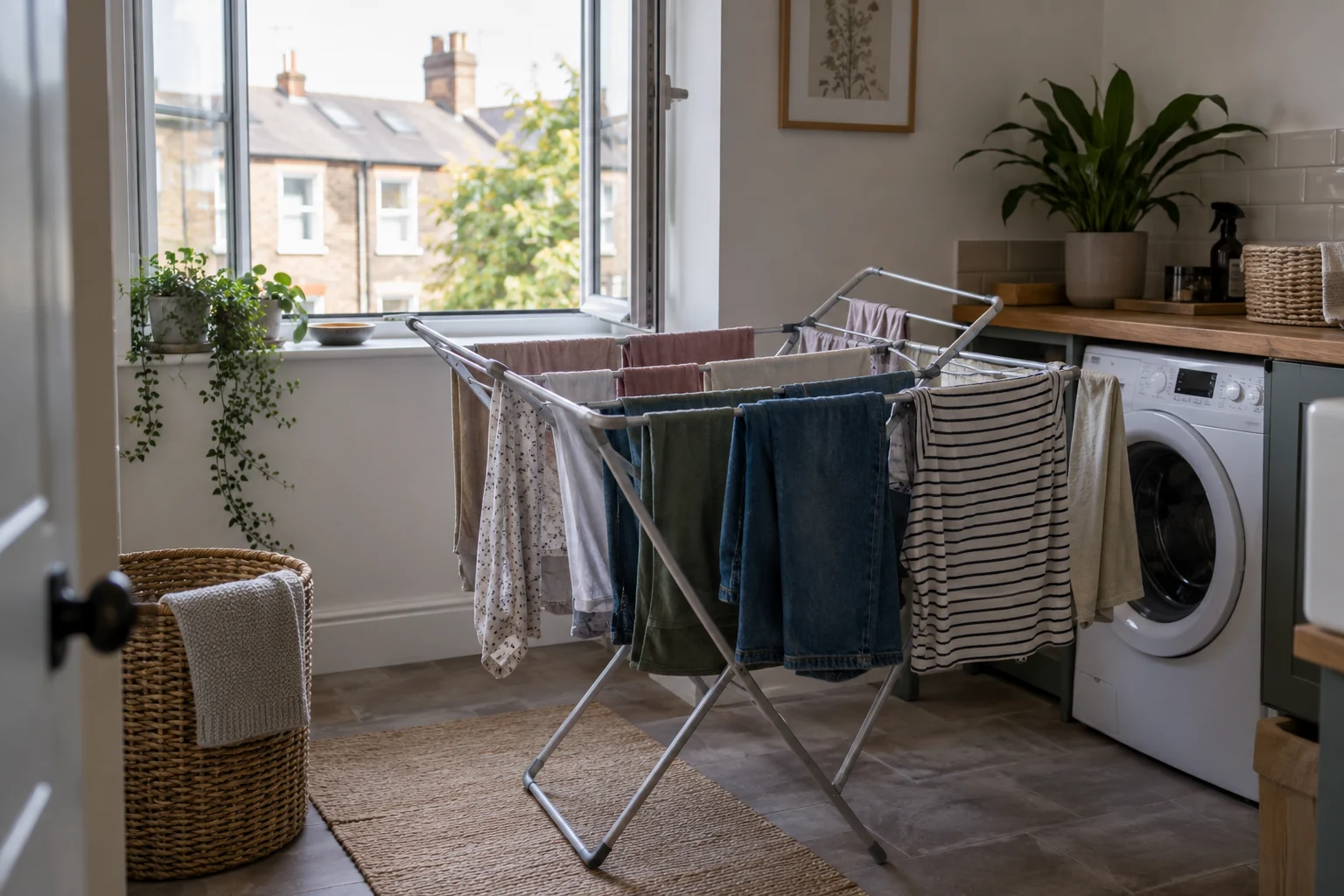
Where appropriate, air drying can avoid using a tumble dryer for that load. Indoors, think about ventilation and existing damp issues, and use a manageable arrangement with space between garments. Do not describe indoor drying as impact-free: homes and heating conditions differ.
If a dryer is the practical option, use the permitted setting and follow the appliance's loading and maintenance instructions. Avoid overdrying where the controls allow an appropriate finish. A mixed load containing one restricted item needs attention before it reaches the machine.
Reduce repeated handling and unnecessary finishing
Put clothes into their suitable drying position promptly, then fold or hang them when ready. A simple routine can reduce the pile of crushed garments that later seems to require another treatment.
Iron only where you want or need the result and the label permits it. Use the right setting for the complete garment. Do not treat every crease as a reason for another full wash.
WRAP's clothing-use resource provides context for considering care alongside useful clothing life. For your own routine, a practical record is enough: which load types work well, what settings suit them and where they will dry.
Change one habit and observe it
Try one improvement for a few weeks. Perhaps measured detergent becomes routine, or a separate basket prevents delicate items entering the wrong load. Notice whether clothes are clean, dry and ready to wear with less repeated work.
There is no need to invent a percentage saving for your household. A dependable routine that respects hygiene, care and available space is a worthwhile result you can actually maintain.

Questions about this article or a correction to suggest? Get in touch. Read more about our editorial approach.