“Vegan”, “plant-based” and “leather alternative” describe different things. None is a complete account of a material's composition, performance or environmental impact. If you are choosing a bag, shoe or jacket, read beyond the headline and ask how the complete product is made.
You may have a clear preference to avoid animal-derived material. That is a legitimate purchasing priority. It still leaves practical questions about coatings, backing, care, durability and repair, which deserve attention in their own right.
Separate the words on the label
Vegan is used to describe the absence of animal-derived inputs under the particular claim being made. It does not automatically mean plastic-free, biodegradable or low-impact. Plant-based indicates a relationship with plant-derived material, but does not by itself tell you the proportion or what else is present.
Ask what the description covers: the visible surface, a named material, or the whole finished item including adhesives and trims. A precise product statement is more useful than a brand-wide expression of intent.
If a certification or approval is mentioned, use that organisation's own explanation to understand its scope. Do not assign a label additional meanings because they sound consistent with the name.
Look for layers and percentages
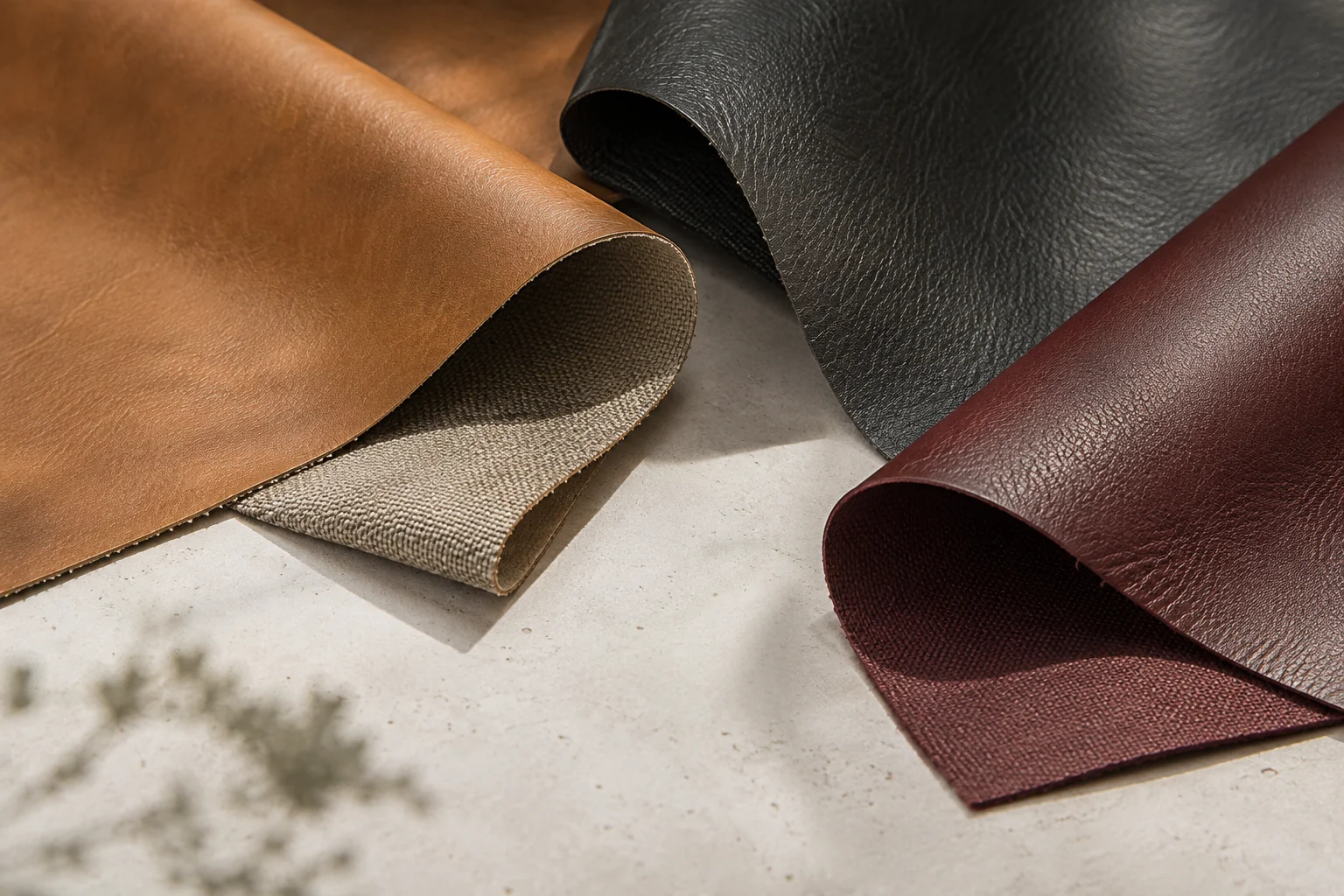
Some alternative materials are composites with a surface, coating and backing. A plant-derived ingredient can therefore be one part of a larger material system. Ask for the overall composition and any available breakdown rather than assuming the named plant represents the entire sheet.
A FILK research project comparing leather, artificial leather and alternatives found different environmental strengths and weaknesses in the product systems it studied. It also described missing production and useful-life information as a limit on comparisons. The project concerned furniture coverings; it does not establish a ranking of every current shoe or bag. Its useful lesson here is to ask what a comparison includes.
If a seller gives a percentage, ask what it measures. The proportion of a coating, the share of the complete material and the content of an entire shoe are different quantities. A clear answer should make the denominator understandable.
Choose for the particular use
A small occasion bag and a daily-use shoe face different demands. Think about flexing, rubbing, exposure to rain, contact with clothing and how the item will be stored. You do not need to predict laboratory results to notice that your use is more demanding than a product photograph suggests.
Ask whether the manufacturer gives care instructions for the actual material and whether a repair route exists. If a surface peels or a backing separates, treatment may differ from the repair of an open stitched seam. A generic leather-care product is not automatically suitable for a leather alternative.
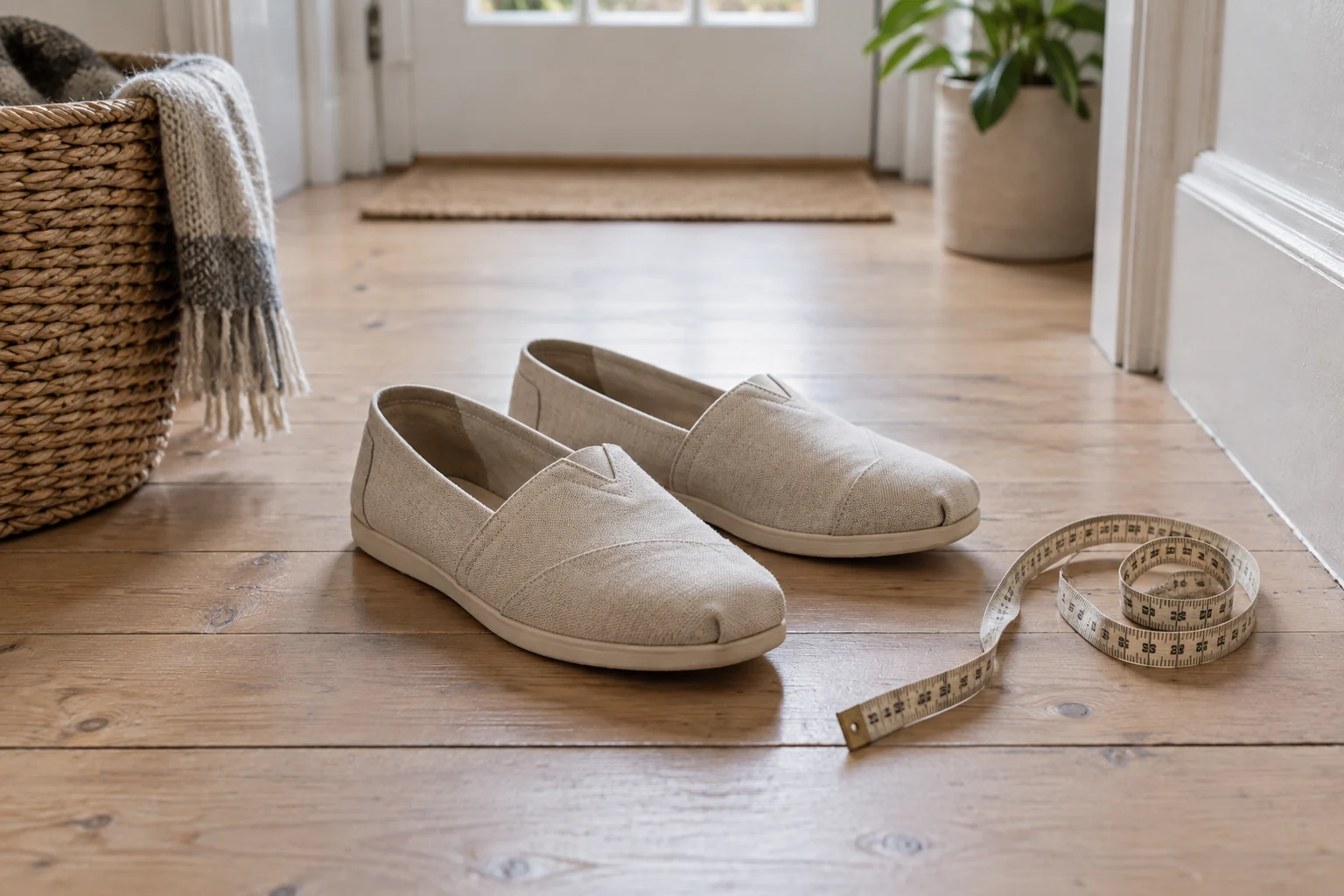
For footwear, consult the component information as well as the product's headline. The UK footwear-labelling guidance is a useful reference for the upper, lining and sock, and outer sole. One named material on the upper does not describe the whole shoe.
Ask for useful performance information
A claim such as durable becomes more useful when the seller explains how it was assessed and for what application. Has the material been tested in the finished product, or is the claim based on a supplier's sheet material? What conditions and limitations apply?
Do not expect a customer-service team to reproduce an entire technical file. A concise explanation, relevant care instructions and an honest account of repair options can still help you compare products. If there is no supporting detail, leave durability as an uncertainty rather than turning a premium price into evidence.
When possible, inspect stitching, edges, joins and areas that bend during use. These observations are not a laboratory test, but they can reveal immediate construction problems or an uncomfortable fit.
Be precise about end-of-life claims
Biodegradable, compostable and recyclable are not interchangeable terms. Ask under which conditions a claim applies, whether it concerns the full composite and what practical route is available to you.
An ingredient's properties do not necessarily describe a coated, bonded and assembled product. A statement about industrial processing also does not mean an item belongs in a household compost bin. If a take-back scheme is offered, read what it accepts and what the company says happens next.
The CMA's fashion claims guidance is a useful reference for clear, supported environmental descriptions. It does not choose a material for you; it helps explain why vague umbrella claims are an inadequate comparison.
Keep the decision consistent with your priorities
Write down your non-negotiables, such as avoiding animal-derived material, then compare the products that meet them on fit, construction, care, price and evidence. You do not need to abandon a personal value because no option is perfect.
For an item you already own, focus on making it useful. Follow its care instructions, address small problems promptly and ask for specialist advice when a repair is uncertain. Replacing a functioning item solely to acquire a newer material label may not solve a practical need.
The most helpful description is one that tells you what a product contains and how to live with it. A memorable plant name can start your interest, but it should not have to carry the entire decision.

Questions about this article or a correction to suggest? Get in touch. Read more about our editorial approach.