You cannot establish a garment's whole future in a fitting room, but you can make a more informed decision than simply trusting its price, weight or brand name. Look at how it fits, how it is assembled and whether its care demands suit your life.
These are observation checks, not laboratory tests. They can reveal immediate problems and help compare similar items, but they do not justify a guarantee that a garment will last a certain number of years.
Check fit while moving
Sit down, reach forward, raise your arms and walk normally. Notice pulling at seams, a lining that catches, pockets that gape or a fastening under strain. If possible, try the garment with the layers and shoes you expect to wear.
A size label is a starting point rather than a verdict. For online buying, compare measurements with something you own and find comfortable. Check the seller's method: a flat width, a circumference and a measurement taken with stretch can mean different things.
Do not accept discomfort because a product is promoted as a long-term investment. An expensive item that stays unworn is not performing the job you bought it for.
Look at seams and attachment points
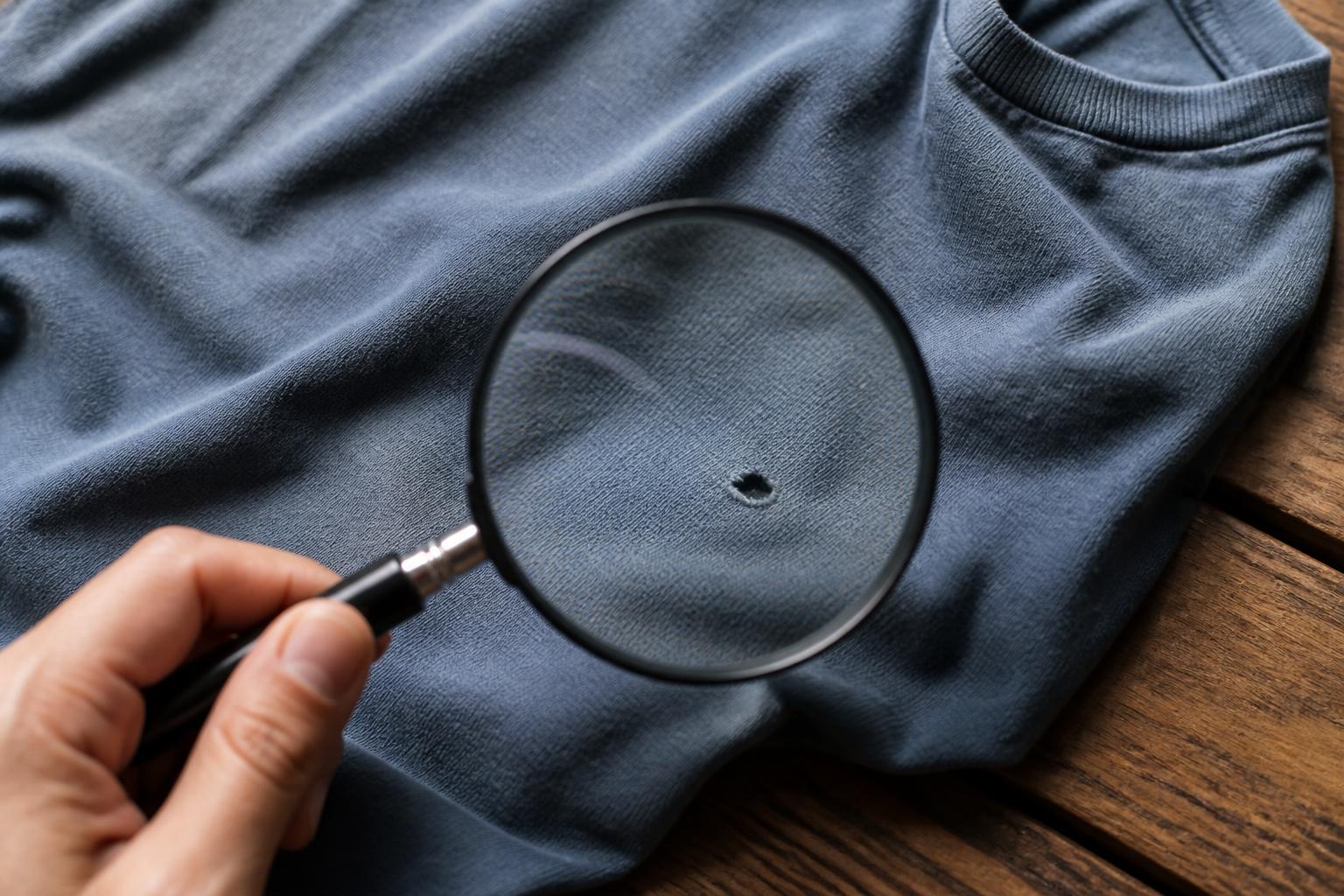
Examine the stitching in ordinary light. Look for open sections, loose attachments and areas where the fabric appears distorted. Gently operate pockets and fastenings as intended; do not stretch or pull the garment in ways that might damage shop stock.
Pay particular attention to areas likely to carry strain, such as pocket corners, shoulder seams, belt loops and closures. A lining should allow the movement the outer garment is intended to provide rather than fighting against it.
Different construction methods suit different fabrics, so avoid treating one visible stitch style as a universal quality badge. The important question is whether the assembly appears appropriate and consistent for this item.
Assess the fabric in context
Feel the fabric and consider its purpose. A lightweight shirt does not need to feel like a winter coat, and a heavier fabric is not automatically superior. Check whether it provides the comfort, coverage, movement and appearance you want.
Read the full composition, including separate components where stated. Material names do not settle quality on their own. Two fabrics with similar fibre content can differ substantially in construction and finish.
If a product makes a particular performance claim, ask what supports it. WRAP's clothing longevity protocol describes a structured approach to garment testing. That is different from a shopper's impression that a fabric feels substantial, and the two should not be confused.
Try the details you will use
Open and close zips, buttons and other fastenings gently. Check pocket size and placement against what you actually carry. Look at straps, adjustable parts and removable components if those features matter to the purchase.
Ask whether replacements are available for a distinctive fastening or trim. A spare ordinary button can be useful; a complicated bespoke component may be harder to replace. For a high-value item, find out who handles repairs and what the service excludes.
Do not assume a repair service is free or permanent because it appears in a promotional sentence. A clear current process, likely charges and contact route are more useful than an unexplained promise.
Read the care label before paying
Choose care you can manage. If an item requires professional attention or particular drying space, include that in the decision. The Clevercare symbol index helps interpret unfamiliar instructions.
Check the whole garment rather than inferring treatment from its main fibre. Coatings, decorations and linings may change what is appropriate. If a label contradicts the online description, ask for clarification before choosing which instruction to trust.
A realistic routine matters more than an ambitious intention to care perfectly for an impractical purchase. Clothes are easier to use regularly when their maintenance fits the household.
Distinguish defects from preferences
An open seam is a concrete problem. A colour you dislike or a cut that does not suit you is a preference. Both can be reasons not to buy, but keeping them separate makes feedback and future comparisons clearer.
For a second-hand item, also distinguish an easily repairable fault from widespread deterioration. Our second-hand checklist explains how to include measurements, condition and expected work in the price.
For new items, keep the receipt and product description. If an issue appears after purchase, record what happened and use the seller's appropriate support process rather than guessing that every fault is either normal wear or your own care mistake.
Make a short comparison note
Record five observations: fit in movement, visible construction, fabric suitability, usable details and care requirements. Add the price and any unanswered question. This produces a comparison grounded in what you actually checked.
Over time, note which purchases worked well and why. The WRAP durability research project considers physical durability alongside the relationship people have with clothes. Your own experience can similarly include both condition and whether you enjoy wearing an item, without turning it into an invented test score.
The best purchase is not necessarily the garment with the grandest quality claim. It is one that passes the checks relevant to you and has a realistic place in your wardrobe.

Questions about this article or a correction to suggest? Get in touch. Read more about our editorial approach.